
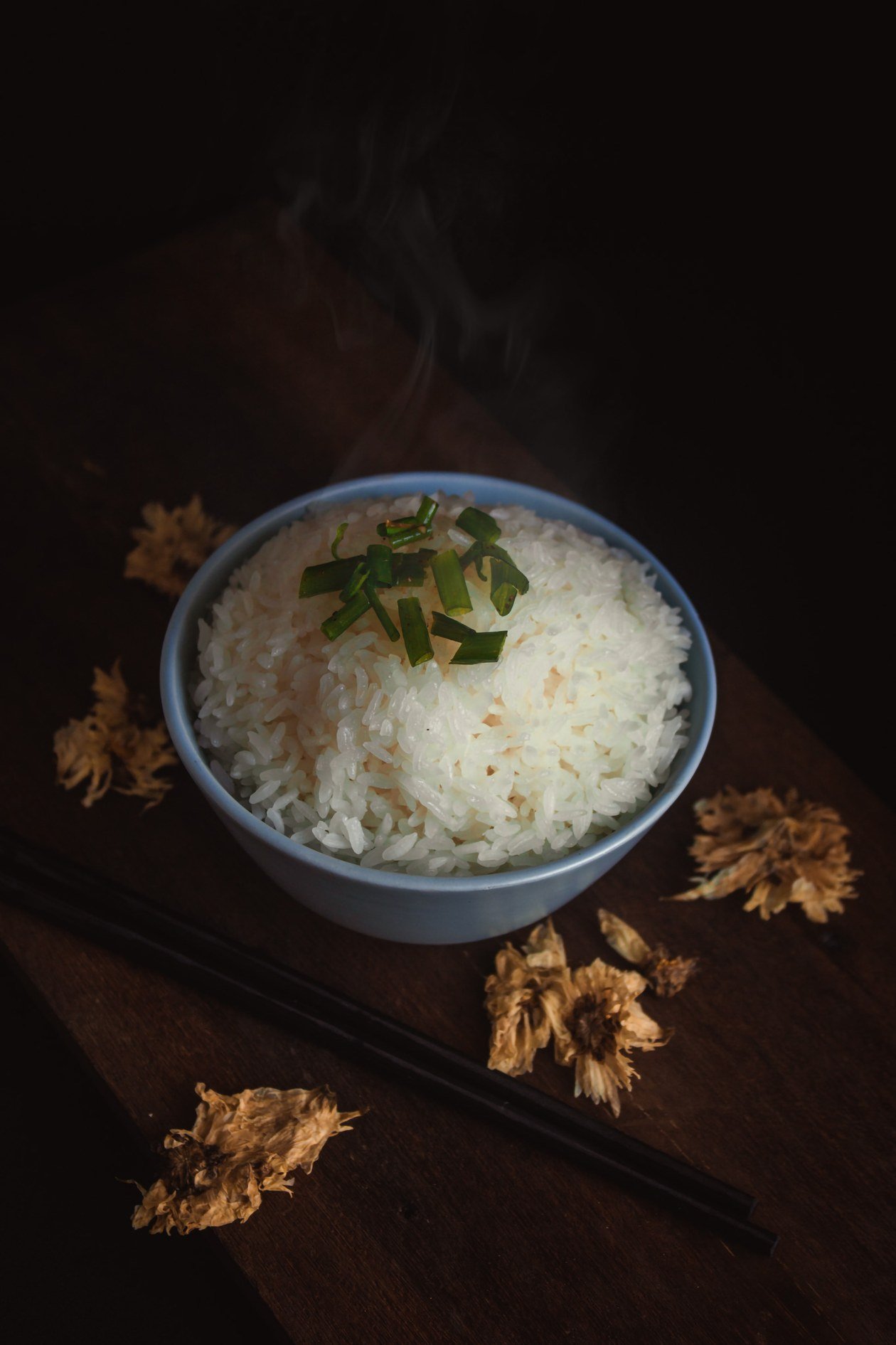
Few kitchen smells are as disappointing as the stale whiff that rises when you open a rice cooker. One day your rice tastes light and sweet, the next every batch carries a sour or musty note that no amount of fresh water seems to fix.
The good news is that this problem is easy to solve. In this guide you will learn how to get rid of smell in rice cooker appliances using vinegar, lemon, baking soda and green tea. Every method uses ingredients you already have, takes 30 minutes or less, and works without harsh chemicals.
Whether you cook rice every night or your cooker has been sitting unused for a month, these steps will bring back that clean, neutral smell so your rice tastes the way it should.
Why Rice Cookers Start to Smell Bad
A rice cooker is basically a warm, damp box. That combination is exactly what odour causing bacteria and mould love. The smell rarely comes from one big problem. It builds up from small habits that seem harmless at the time.
Rice Trapped Around the Lid and Steam Vent
Every time the cooker steams, tiny droplets of starchy water collect around the inner lid and the steam vent. Over days and weeks this residue turns sour. The vent cap is the worst offender because most people never remove it.
Moisture Sealed Inside the Inner Pot
If you close the lid while the pot is still damp, the trapped moisture has nowhere to go. Within a day or two it can develop a musty smell that soaks into the lid seal and the rice paddle holder.
Rice Left on Keep Warm for Too Long
Keep warm mode is convenient, but rice left in the cooker for many hours slowly breaks down. In Japan, where rice cookers run daily in most homes, cooks learn early that rice kept warm past a few hours tastes stale and leaves a lingering smell in the pot.
Spills on the Heating Plate
Rice water that boils over can drip onto the heating plate under the inner pot. It burns onto the surface during the next cooking cycle and produces a scorched smell every time you cook.
Find the Source of the Smell First
Before you clean, spend two minutes finding where the smell is strongest. It saves you repeating the whole process. Open the cooker and sniff the inner pot, then sniff the lid, then the steam vent area, then the condensation cup at the back.
If the pot itself smells sour, the vinegar steam method below will fix it. If the smell is strongest at the lid or vent, skip straight to the deep clean section. If the whole cooker smells, do both. This quick check tells you exactly where to focus your effort.
What You Will Need
- White vinegar
- Fresh lemons
- Baking soda
- Green tea leaves or a green tea bag
- A soft sponge or cloth
- Warm water and dish soap
That is the whole kit. You probably own everything already, and none of these will damage the coating of your inner pot.
Method 1: The Vinegar Steam Clean
Vinegar is the fastest answer to the question of how to get rid of smell in rice cooker appliances, because the steam carries it into every corner, including the lid grooves you cannot reach by hand. This is my first choice whenever a cooker smells sour.
- Unplug the cooker and make sure it is cool. Remove the inner pot.
- Wash the inner pot in warm soapy water with a soft sponge. Rinse it well and put it back in the cooker.
- Fill the pot about one third full with a mix of half water and half white vinegar.
- Close the lid and switch the cooker to the regular cook setting. Let it run for about 10 minutes, or until steam is clearly rising from the vent.
- Switch the cooker off, unplug it, and let the hot vinegar water sit with the lid closed for another 15 minutes.
- Pour out the liquid, rinse the pot with clean water, and leave the lid open until everything is bone dry.
The sour smell should be gone or nearly gone after one round. If the cooker was badly affected, repeat the cycle once more with fresh vinegar water.
Method 2: Lemon Slices for a Fresh Smell

If you dislike the sharp smell of vinegar, lemon works just as well and leaves a light citrus scent behind. The citric acid cuts through starchy film, and the heat turns the slices into a natural steam cleaner.
- Wash and dry the inner pot as described above.
- Fill the pot about one third full with plain water and add four or five lemon slices.
- Close the lid and run the cooker for one full cycle, or about 15 minutes on cook mode.
- Let the cooker cool with the lid on for 10 minutes, then pour out the lemon water and rinse.
This method is almost identical to the way we use lemon to freshen other appliances. If you like this kind of natural fix, you will enjoy our guide to how to clean a microwave with lemon and vinegar too.
Method 3: Baking Soda for Stubborn Odours
Baking soda absorbs odours instead of just covering them, which makes it ideal for a smell that survived vinegar or lemon. It is gentle on non stick coatings and completely food safe.
- Sprinkle two tablespoons of baking soda into the dry inner pot.
- Add enough warm water to cover the bottom of the pot and stir gently to dissolve the powder.
- Run the cooker on cook mode for 10 minutes, then switch it off and let the solution sit for 20 minutes.
- Scrub the pot lightly with a soft sponge, rinse thoroughly, and air dry with the lid open.
Do not use baking soda and vinegar at the same time. Mixed together they fizz dramatically but the fizz neutralises both cleaners, so use one method after the other if needed.
Method 4: Green Tea Steam for a Gentle Reset
In Japan, green tea is a classic home remedy for kitchen odours, and it suits a rice cooker perfectly. The tannins in the tea absorb smells while the steam sanitises the lid and vent.
- Place a used green tea bag or a small handful of loose tea leaves in the inner pot.
- Add enough water to cover the bottom of the pot.
- Run the cooker for 10 minutes on cook mode with the lid closed.
- Remove the tea, rinse, and leave the cooker open to dry.
This is the gentlest of the four methods, so it is perfect for regular maintenance. Try it once a month and your cooker will never develop a serious smell.
Deep Clean the Parts Most People Miss
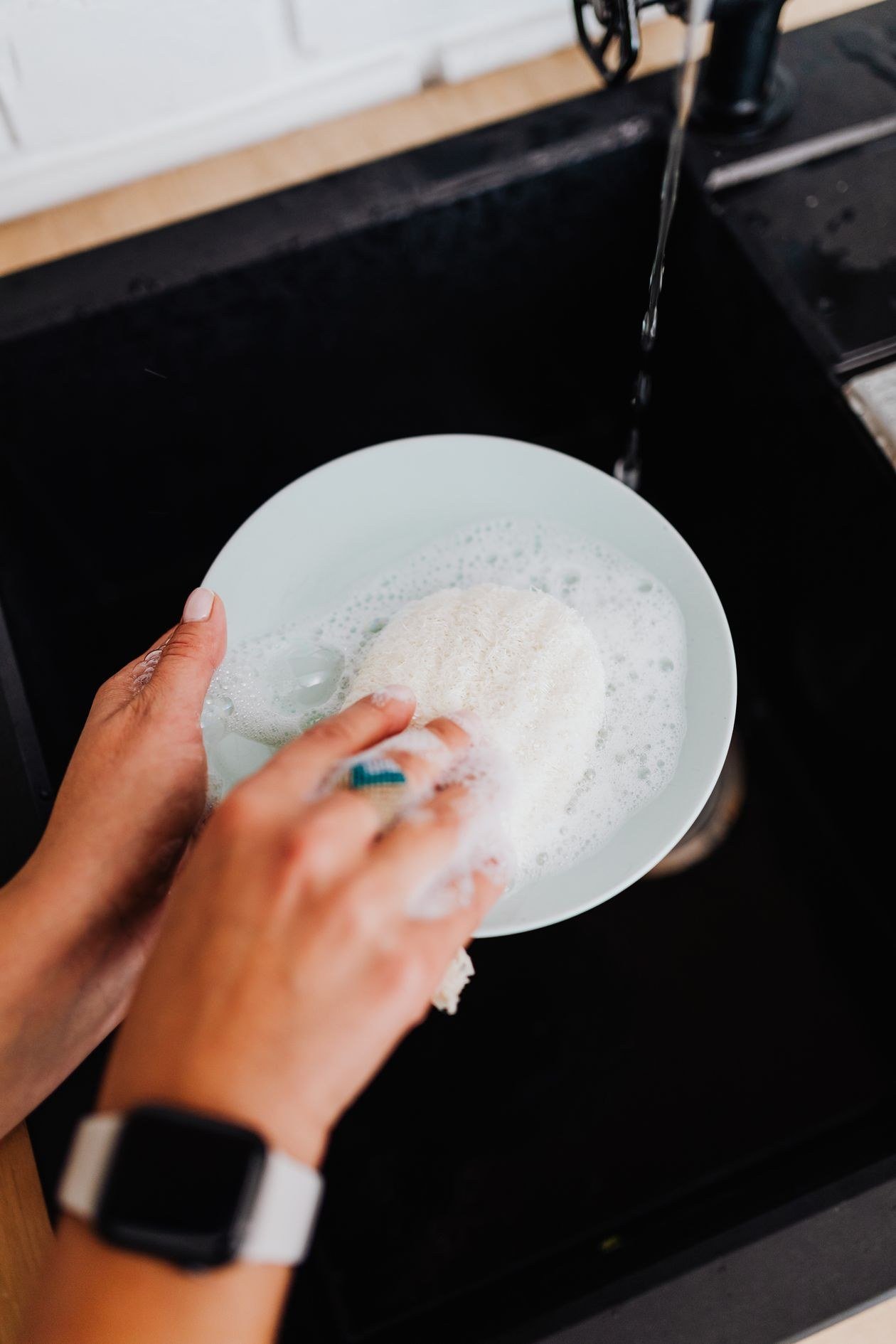
The inner pot gets all the attention, but the smell often lives in the small parts. Cleaning these takes five minutes and makes a bigger difference than most people expect.
The Inner Lid and Its Seal
Most rice cookers have a removable inner lid plate. Take it off and wash it in warm soapy water. Check the rubber seal around the edge, as starchy gunk loves to hide under it. Wipe the groove with a damp cloth and let it dry completely before replacing it.
The Steam Vent Cap
Pull the vent cap off the lid. You will often find a crusty layer of dried rice starch inside. Soak the cap in hot soapy water for a few minutes, scrub it with a soft brush or old toothbrush, rinse, and dry. For stubborn crust, the soak technique from our guide to cleaning a burnt saucepan without scrubbing works well here too.
The Condensation Cup
Many cookers have a small plastic cup at the back that collects steam drips. Slide it out, empty it, and wash it. This little cup is a common hidden source of sour smells.
The Heating Plate
Wipe the heating plate with a damp cloth to remove any burnt rice water. Never pour water onto it and never use a scouring pad, as scratches reduce heating efficiency.
How to Get Rid of Smell in Rice Cooker Fast Before Guests Arrive
If guests are coming in an hour and the cooker smells off, here is the fastest plan. Run the vinegar steam clean from Method 1 for 10 minutes. While it steams, wipe the vent cap and condensation cup. Open all parts to air dry for 15 minutes with the lid off. The whole process takes about 30 minutes and the kitchen will smell like nothing at all, which is exactly what you want.
How to Stop the Smell Coming Back
Once the cooker is fresh again, a few small habits will keep it that way. None of these take more than a minute.
- Empty the cooker as soon as the rice is finished, or at least within a couple of hours.
- Wash the inner pot after every use and leave the lid open until it is fully dry.
- Clean the vent cap and condensation cup once a week.
- Avoid cooking strong smelling dishes like curries in the rice cooker. If you do, run the vinegar steam clean afterwards.
- Store the cooker with the lid slightly open so air can circulate.
Good ventilation helps with every kind of kitchen smell. For a whole house approach, our tips on how to remove cooking smells from house fast pair well with these habits.
What Not to Do
A few common mistakes can damage your cooker or make the smell worse.
- Do not use bleach. It can damage the inner coating and leaves a chemical smell that transfers to rice.
- Do not use a scouring pad or metal brush on the inner pot. Scratches trap odour and ruin the coating.
- Do not put the main cooker body in water or under a tap. Wipe it with a damp cloth only.
- Do not leave the cooker closed and damp between uses. Air drying is the single best prevention.
Conclusion: A Fresh Cooker in Half an Hour
Learning how to get rid of smell in rice cooker equipment is simpler than most people expect. Start with a vinegar or lemon steam clean, deep clean the lid, vent and condensation cup, then keep the cooker dry between uses. Follow these steps and your rice will taste clean and fresh again, every single time.
Make the green tea steam part of your monthly routine and you may never need the deep clean again. Your cooker will last longer, your rice will taste better, and that stale smell will stay gone for good.
Frequently Asked Questions
Why does my rice cooker smell even after washing the pot?
The smell usually lives in the lid seal, steam vent or condensation cup, not the pot. Wash those parts and run a vinegar steam clean.
Can I use bleach to remove the smell?
It is best to avoid bleach. It can damage the coating and leave a chemical odour. Vinegar, lemon or baking soda work just as well and are food safe.
How often should I deep clean my rice cooker?
A quick wash after each use plus a vinegar or green tea steam clean once a month is enough for most households. If you cook rice daily, clean the vent cap weekly.
Is it safe to run vinegar through the cook cycle?
Yes. A diluted vinegar solution steamed for about 10 minutes is safe for standard rice cookers. Rinse well afterwards so no vinegar taste transfers to your rice.
Why does rice left on keep warm mode smell bad?
Rice kept warm for many hours slowly breaks down and releases starch and moisture. Move leftover rice to the fridge within a couple of hours and reheat it later instead.
