

White vinegar is the classic answer when anyone asks how to clean a kettle, but not everyone can stand the smell. The sharp fumes fill the kitchen, linger in the air for hours, and leave you wondering whether your next cuppa will taste faintly of chips. If that sounds familiar, learning how to clean a kettle without vinegar is easier than you think, and the alternatives are sitting in your kitchen cupboard right now.
Limescale is just chalky mineral build up, and it dissolves in acid. Vinegar is one acid, but lemons, citric acid powder and even bicarbonate of soda can do the same job without the eye watering pong. This guide shows you five natural ways to clean a kettle without vinegar, which one suits your kettle, and the simple habits that keep limescale from coming back.
Why You Might Want to Skip the Vinegar
Vinegar works, but it comes with drawbacks that put many people off. The smell is the obvious one. Boiling a half vinegar solution sends a sharp cloud through the whole house, and in a small flat the odour can hang around for the rest of the day.
There is also the taste problem. Vinegar is stubborn. If you do not rinse thoroughly enough, your first few brews carry a sour note that no amount of milk quite hides. People with sensitive stomachs sometimes find the residue unsettling too.
Finally, some kettle manufacturers warn against strong vinegar soaks on certain finishes. Repeated harsh acid treatments can dull polished surfaces and stress rubber seals over time. The gentler methods below clean just as well for most limescale, with none of these downsides.
What Limescale Does to Your Kettle and Your Cuppa
Limescale is mostly calcium carbonate. It forms when hard water is heated and the minerals fall out of solution, settling as a chalky crust on the base, walls and spout of your kettle. Much of the UK sits in hard or very hard water areas, especially London and the South East, so this is a problem most British kitchens know well.
The crust acts like insulation around the heating element. Your kettle takes longer to boil, uses more electricity, and costs you more money with every cup. You may notice white flakes floating in your tea, a gritty texture in the water, or a flat dull flavour because minerals bind to the flavour compounds in tea and coffee.
Left alone, heavy scale can shorten the life of the element and make the kettle noisier as it boils. The good news is that limescale is not harmful to drink in small amounts. It is purely a performance and taste problem, which means you can fix it calmly with kitchen ingredients instead of harsh chemicals.
5 Ways to Clean a Kettle Without Vinegar
These five methods are ordered from the most effective to the most improvised. Start at the top and work down. For most kettles, the first two methods clear everything.
1. Lemon Juice and Peel
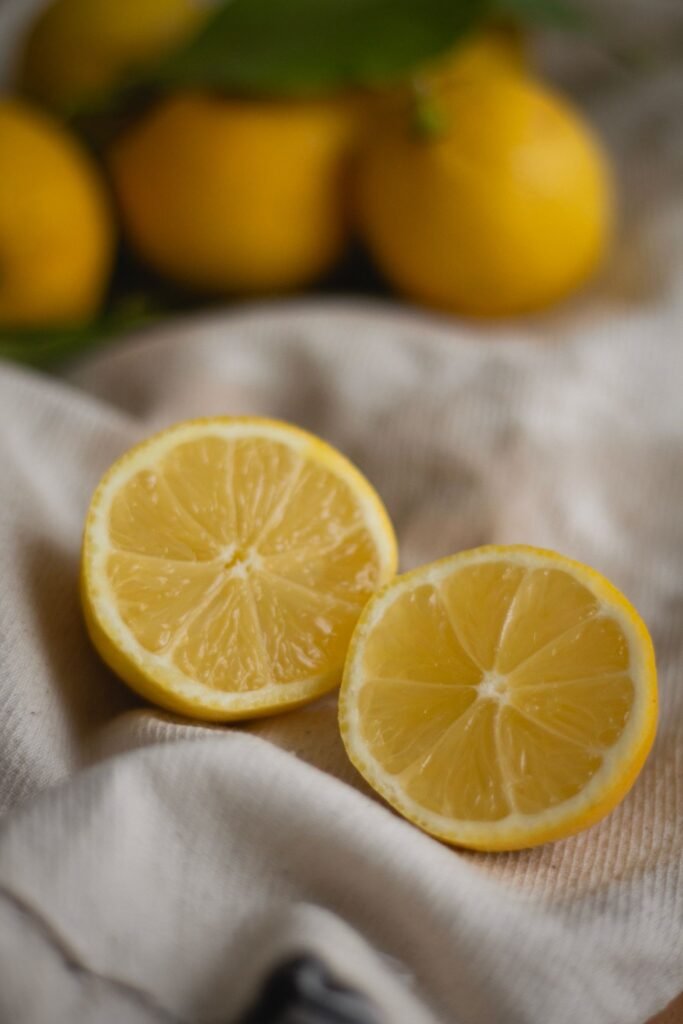
Lemon is the friendliest vinegar substitute of all. The citric acid in the juice dissolves limescale the same way vinegar does, but it smells wonderful and rinses away cleanly. This is the method to try first if you have fresh lemons in the fruit bowl.
Cut one large lemon in half and squeeze the juice into the empty kettle. Drop the squeezed halves in too, because the peel holds extra acid and helps the solution reach the walls. Fill the kettle about halfway with water, or enough to cover the limescale line.
Bring the water to a full boil, then switch the kettle off and let it sit for 30 to 40 minutes. The hot acid needs contact time to chew through the crust. You will often see flakes of loosened scale drifting in the water when you pour it out.
Empty the kettle, wipe the inside with a soft sponge, and rinse well. Boil a full kettle of fresh water once and discard it to clear any lemon taste. Your kitchen will smell like lemonade instead of a chip shop, which is a fine bonus. If you enjoy putting citrus to work elsewhere, you may also like this guide to remove tea stains from mugs with lemon and salt.
2. Citric Acid Powder
Citric acid powder is the sour part of the lemon, sold as small crystals in the baking aisle of most UK supermarkets. It costs a couple of pounds for a tub that lasts months, has no smell at all, and many cleaning experts now rate it above vinegar for descaling. This is the closest match to vinegar in pure cleaning power.
Fill the kettle halfway with water and stir in one to two tablespoons of citric acid powder. Bring it to the boil, then switch off and leave the solution to stand for 15 to 20 minutes. Do not leave it for hours, because long acid soaks are unnecessary and harder on seals.
Pour the solution away and rinse the kettle two or three times with fresh water. The scale usually slides off with no scrubbing. For heavy build up, run the treatment a second time rather than doubling the powder.
Citric acid is food safe and rinses away fast, which is why it has become the quiet favourite of cafes and caretakers. It is also kinder to rubber seals than vinegar, so it suits modern electric kettles with lots of plastic and silicone parts.
3. Bicarbonate of Soda Soak
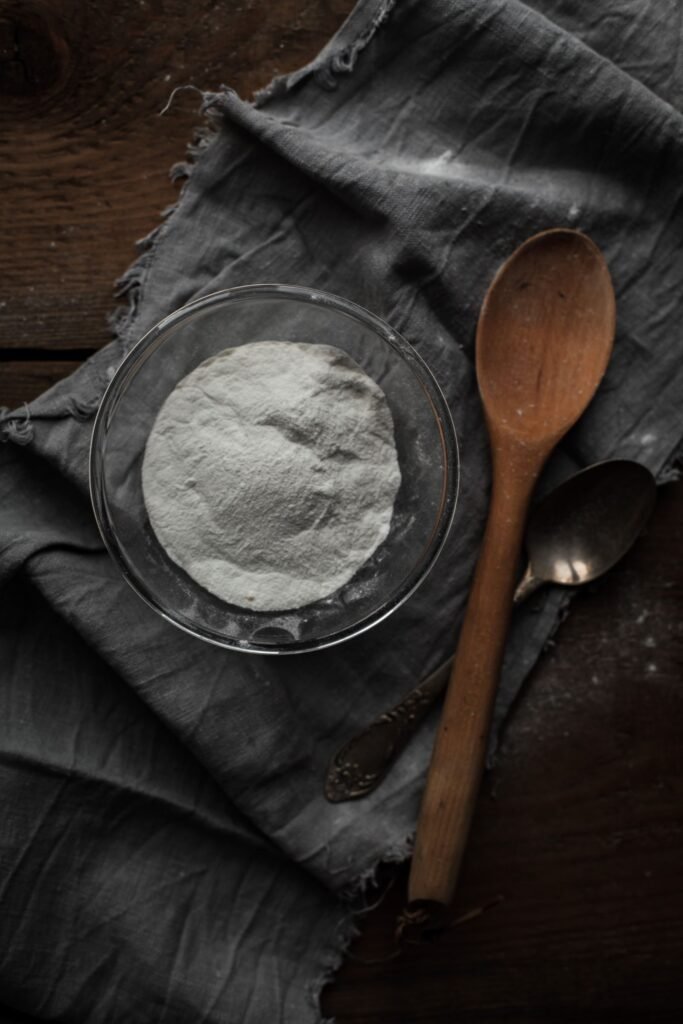
Bicarbonate of soda, the same orange box many of us keep for baking, is a gentle all rounder for light limescale and general kettle freshening. It is mildly alkaline rather than acidic, so it works by loosening deposits and lifting stains rather than dissolving them outright. Choose this method for kettles that are more dull and stained than heavily crusted.
Add one tablespoon of bicarbonate of soda to a kettle filled about three quarters with water. Bring it to the boil and let it bubble for a minute, watching that it does not foam over. Switch off and leave the solution to sit for 20 to 30 minutes.
Empty the kettle and wipe the inside with a soft sponge or cloth. The mild abrasive action of the dissolved crystals helps lift the film that acids leave behind. Rinse several times, then boil fresh water once and discard it to clear any powdery residue.
Bicarbonate of soda is a true cleaning workhorse. The same box that freshens your kettle can also clean a burnt saucepan overnight, so it earns its cupboard space many times over.
4. Bicarbonate of Soda Paste for Tough Crusts
When the limescale has built up into a thick crust, a soak alone may not shift it. A bicarbonate of soda paste gives you targeted scrubbing power for the worst spots without scratching the metal.
Mix one tablespoon of bicarbonate of soda with just enough water to form a thick paste, about the texture of toothpaste. With the kettle cool and unplugged, spread the paste over the crusted areas with a soft cloth or an old toothbrush. The toothbrush is perfect for reaching around the spout and the rim of the base.
Leave the paste on for 10 to 15 minutes, then scrub gently in small circles. Rinse thoroughly, then boil a full kettle of fresh water and discard it. Repeat the paste once more on any patches that survive the first attempt.
Never use wire wool or harsh scouring pads for this job. Scratches in the metal give new limescale fresh places to grip, so the problem comes back faster. A soft approach with a second application beats one aggressive scrub every time.
5. Cola as a Last Resort
This one sounds like an internet myth, but dark cola does contain phosphoric acid, which genuinely dissolves limescale. Treat it as the emergency option for the day the cupboard is bare and the kettle looks dreadful.
Pour enough cola into the kettle to cover the scale, usually about two cups. Bring it to a gentle boil, then switch off and let it stand for 30 minutes. Pour it out and scrub the inside with a soft sponge.
The catch is the sugar. Cola leaves a sticky residue that needs serious rinsing, and any sugar left behind turns tacky and can attract mould. Rinse the kettle at least three times, then boil fresh water twice and discard both. It works, but the lemon and citric acid methods above are cleaner, cheaper and far less fuss.
The Rinse Step Everyone Skips
Every method above ends with the same crucial step, and it is the one people skip most often. Rinse the kettle two or three times with cold water, then fill it with fresh water, boil it, and pour that water away. Do this at least once, twice if you used cola or a strong citric acid dose.
This rinse boil clears the last traces of cleaning solution so your next cuppa tastes like tea, not like your cleaning cupboard. It also washes away the loosened mineral flakes that the soak released but the pour did not carry out. Make it a habit and you will never wonder why your tea tastes odd after a descale again.
How to Stop Limescale Building Up Again
Cleaning the kettle feels good, but preventing the build up is better. A few small habits keep the scale thin enough that a quick descale every month or two handles it.
First, empty the kettle after your last cup of the day. Water left sitting overnight deposits minerals as it cools and as it is reheated. Only boil as much water as you need. Less water per boil means less mineral load on the element, and it saves electricity too.
Second, set a descale rhythm that matches your water. In hard water areas like London, Kent or East Anglia, a light descale every four to six weeks keeps the kettle fast and the tea bright. In softer water areas, every two to three months is plenty.
Third, consider a simple jug filter if your water is very hard. Filtered water still contains some minerals, but noticeably less, so scale builds up far more slowly. It is a small daily effort that pays off in fewer descaling sessions and better tasting tea.
Mistakes That Make Kettle Cleaning Harder
The most common mistake is reaching for bleach or bathroom descaler. These are far too harsh for something that holds your drinking water, and they can damage seals and leave residues you do not want anywhere near a boiling appliance. Kitchen acids are plenty strong enough for limescale.
The second mistake is scrubbing with anything abrasive. Steel wool and harsh scouring pads scratch stainless steel and coated bases, and those micro scratches give limescale new footholds. Always use a soft sponge or cloth.
The third mistake is boiling the kettle dry or leaving acid solutions in for hours. A forgotten citric acid soak left overnight is overkill and risks dulling finishes. Set a timer for 15 to 30 minutes depending on the method, then rinse.
Finally, never submerge an electric kettle in water. It sounds obvious, but people do it when cleaning the outside. Water in the base ruins the electrics beyond repair. Wipe the outside with a damp cloth instead.
Frequently Asked Questions
How often should I descale my kettle?
In hard water areas, descale every four to six weeks. In soft water areas, every two to three months is enough. If you notice white flakes in your cup or the kettle takes longer to boil, it is overdue regardless of the calendar.
Is limescale in a kettle harmful to drink?
No. Limescale is calcium carbonate, a naturally occurring mineral. In the small amounts found in a kettle it is harmless. The reasons to remove it are taste, efficiency and appliance lifespan, not health.
Can I use bottled lemon juice instead of fresh lemons?
Yes. Bottled lemon juice works well, though fresh lemons are slightly stronger and the peel adds extra cleaning contact. Use three to four tablespoons of bottled juice in a half full kettle and follow the same boil and rest routine.
Will citric acid damage my kettle?
Used in small amounts with short contact times, food grade citric acid is gentle on stainless steel, glass and most modern electric kettles. Avoid leaving it in overnight, skip metal scrubbers, and always rinse well afterwards.
Why does my kettle still smell after descaling?
A lingering smell usually means the rinse step was skipped or rushed. Rinse the kettle three times with cold water, then boil fresh water and discard it. Repeat the fresh boil once more if any trace of odour remains.
Your Kettle Deserves Better Than Vinegar Fumes
Learning how to clean a kettle without vinegar comes down to one simple idea. Limescale dissolves in acid, and vinegar is far from the only acid in your kitchen. Lemon juice handles everyday build up and smells wonderful, citric acid powder matches vinegar for power with no odour at all, and bicarbonate of soda covers light staining and tough crusts with a little patience.
Pick the method that suits what you have to hand, never skip the rinse boil, and build a light descaling rhythm that matches your local water. Your kettle will boil faster, your tea will taste brighter, and your kitchen will never smell like a chip shop again. Keep the key takeaways in mind. Gentle acids beat harsh chemicals, contact time beats scrubbing, and prevention beats cure every time.

1 Comment
Pingback: How to Remove Rust from Garden Tools