
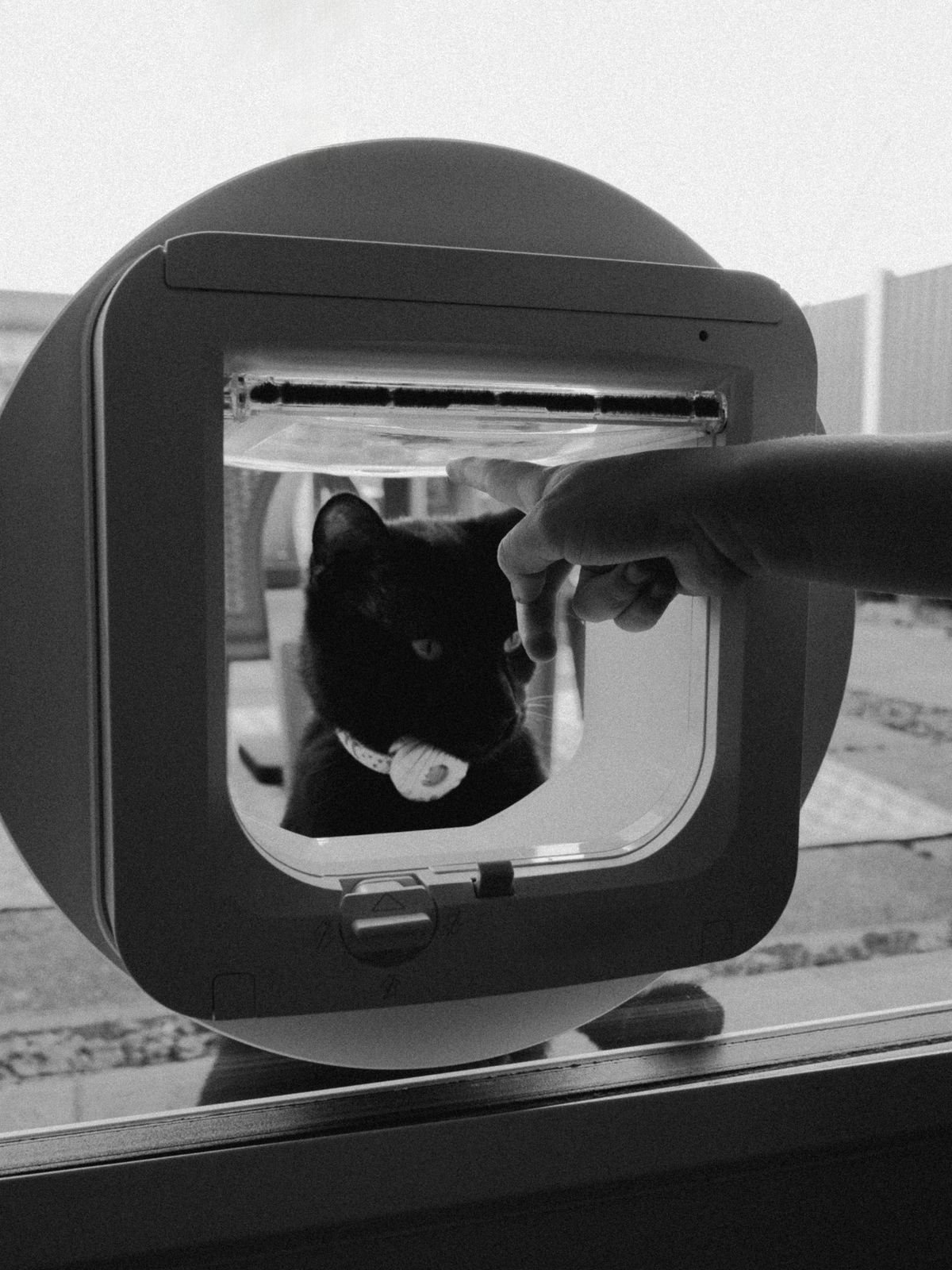
You notice it on the first cold evening of autumn. You walk past the back door and feel a thin ribbon of cold air curling around your ankles. The heating is on, the radiators are warm, yet one corner of the kitchen feels like October outside. The culprit is almost always the same: the cat flap. Learning how to stop a cat flap letting in draughts is one of the cheapest wins in home comfort, and most fixes take less than an hour.
A standard cat flap is essentially a hole cut through your door with a thin plastic cover over it. It was designed for pet freedom, not insulation. The good news is that you do not need to brick it up or buy a new door. Seven simple fixes, starting free, can cut the chill dramatically while keeping your cat happily coming and going.
Why a Cat Flap Lets In So Much Cold Air
To fix the problem properly it helps to understand it. A cat flap leaks in four ways. First, the flap itself is thin and light, so a gust of wind can lift it and blow straight through. Second, the magnetic strip that is meant to hold it shut weakens with age, so the flap hangs slightly open. Third, the frame rarely sits perfectly flush against the door, leaving hairline gaps around the edges. Fourth, if the flap is fitted in a wall or a thick door, the tunnel between the two sides acts like a little wind corridor.
Any one of these alone is a minor leak. Together they can feel like leaving a small window cracked open all winter. The Energy Saving Trust has long listed draught proofing as one of the cheapest ways to cut heating bills, and the cat flap is one of the worst offenders in the average home.
Find the Leak Before You Spend a Penny
Do not buy anything until you know exactly where the cold is entering. On a breezy day, close all the windows and feel around the cat flap with the back of your hand. The skin there is sensitive and will find draughts your palm misses. Move slowly around the flap edges, then around the frame where it meets the door.
For a more precise test, light an incense stick and hold it near the flap. Wherever the smoke wavers or gets sucked toward the door, you have a leak. Note each spot: the flap seal, the frame joint, or the tunnel. Your fix list writes itself from what you find.
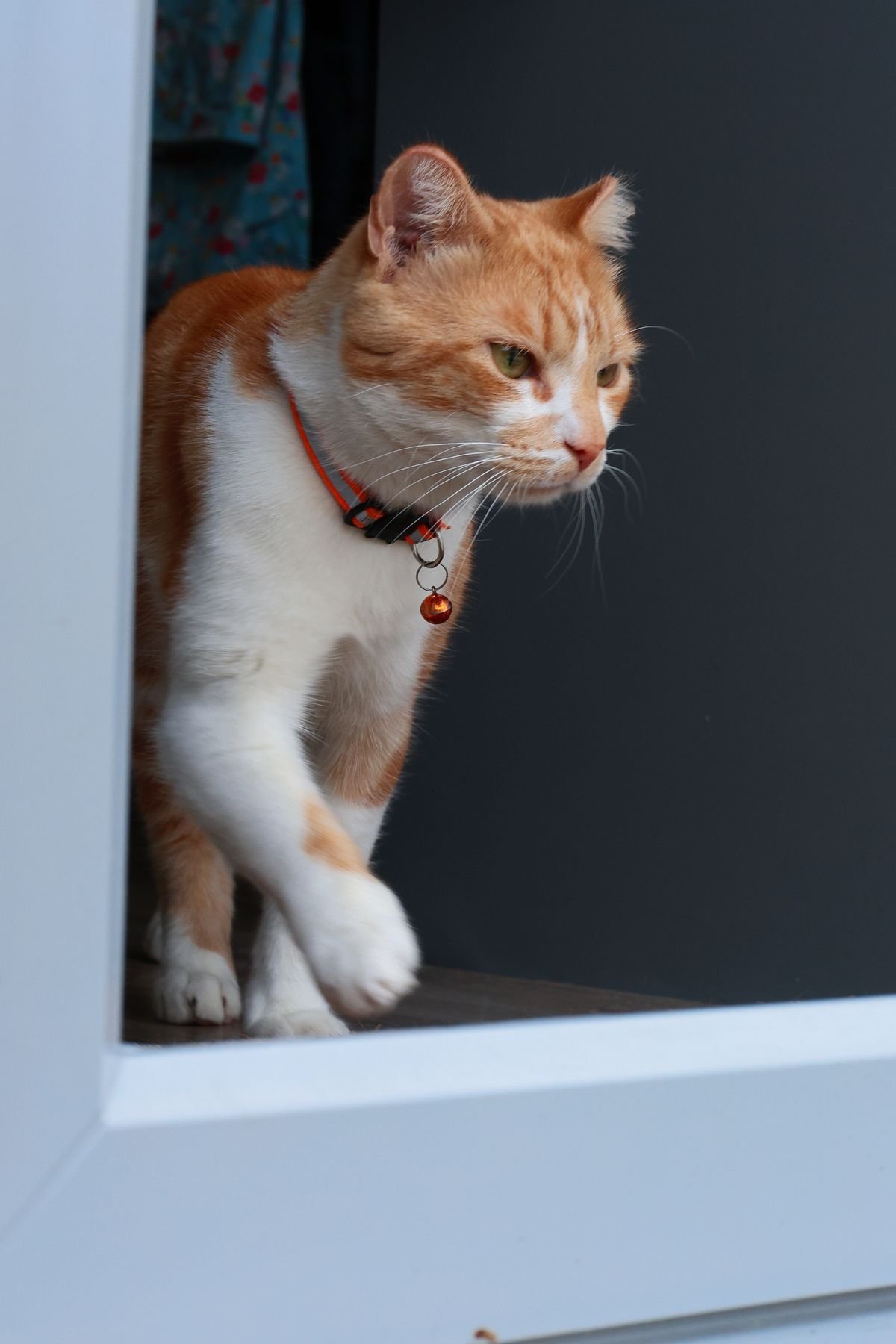
7 Ways to Stop a Cat Flap Letting in Draughts
Work through these in order. Most homes are transformed by the first three, and each step costs little or nothing.
Fix 1: Service the Flap You Already Have
Before spending anything, give the existing flap a proper service. Wipe the flap and frame with warm soapy water, because a year of grime stops the magnetic strip from seating properly. Tighten every screw on the frame, since loose screws let the whole unit sit crooked. Check the rubber or magnetic seal along the flap edge. If it is cracked, flattened, or missing chunks, that alone explains your draught.
Many manufacturers sell replacement flaps and seal strips for a few pounds, which is far cheaper than a whole new unit. Look up your model number on the frame and order the matching part. Ten minutes with a screwdriver can make an old flap close like new.
Fix 2: Fit a Brush Draught Excluder Around the Flap
A brush draught excluder is a slim strip of dense bristles that lets the flap move freely while blocking the air that slips around its edges. They are sold specifically for pet doors in DIY shops and online for about £5 to £12. Measure the inside of your cat flap frame, cut the strip to length, and fix it with the screws or adhesive backing provided.
Position the bristles so they just kiss the flap without stopping it from swinging. Too tight and your cat will struggle to push through; too loose and the cold air keeps coming. Test it by watching your cat use the flap a few times after fitting. This single upgrade makes the biggest difference for the money on most standard flaps.
Fix 3: Strengthen the Magnetic Seal
The little magnet that holds the flap shut is what stops it flapping in the wind, and these lose their pull over time. If your flap has a removable magnetic strip, replace it. If the magnet is built into the frame, you can add a thin self adhesive magnetic strip to the bottom edge of the flap so it snaps shut more firmly. A pack of magnetic strips costs a few pounds from a craft or DIY shop.
Make sure the added magnet is strong enough to hold the flap closed against a breeze but weak enough that your cat can still push through comfortably. If you have a nervous or elderly cat, test gently and watch their reaction. A flap that slams or needs a shove will put some cats off using it entirely.
Fix 4: Seal the Gaps Between the Frame and the Door
Your incense test may have shown air slipping between the cat flap frame and the door itself, not through the flap at all. This is common where the hole was cut slightly too large. Run a thin bead of clear silicone sealant around the outside of the frame where it meets the door, or press foam weatherstrip tape into the gap.
Work on a dry day so the sealant cures properly, and keep the bead neat and thin. You are sealing air leaks, not gluing the flap shut. Check from both sides of the door, because gaps often appear on the outside face where weather has worked the frame loose.
Fix 5: Use the Lock or a Cover Overnight
Most of your heat loss happens at night, when the temperature drops and nobody needs the flap. Almost every cat flap has a locking slider: set it to locked or in only once your cat is in for the evening. For extra insulation, clip a cover over the flap overnight. Some manufacturers sell insulated covers, or you can make a simple padded board that presses against the flap, in the style of the classic DIY cat flap insulator.
This is also the best free option for renters, since it involves no screws and no permanent changes. Just remember to unblock the flap first thing in the morning. A cat that finds its door mysteriously sealed may start looking for other ways out, including the curtains.
Fix 6: Upgrade to a Twin Flap Draught Rated Cat Flap
If your flap is old, warped, or was never a good fit, replacement is the honest answer. Modern draught rated cat flaps use two flaps with an air pocket between them, much like double glazing, plus brush seals and strong magnetic closure. Microchip models add selective entry so neighbourhood cats cannot wander in, which is a welcome bonus.
Expect to pay £20 to £60 for a good draught rated model, and check that the stated cut out size matches your door. Fitting is a straightforward DIY job if you are replacing like for like, since the hole is already there. For a first installation in a uPVC or composite door, consider a professional fitter, as a badly cut hole creates exactly the frame gaps you are trying to eliminate.
Fix 7: Draught Proof the Rest of the Door While You Are There
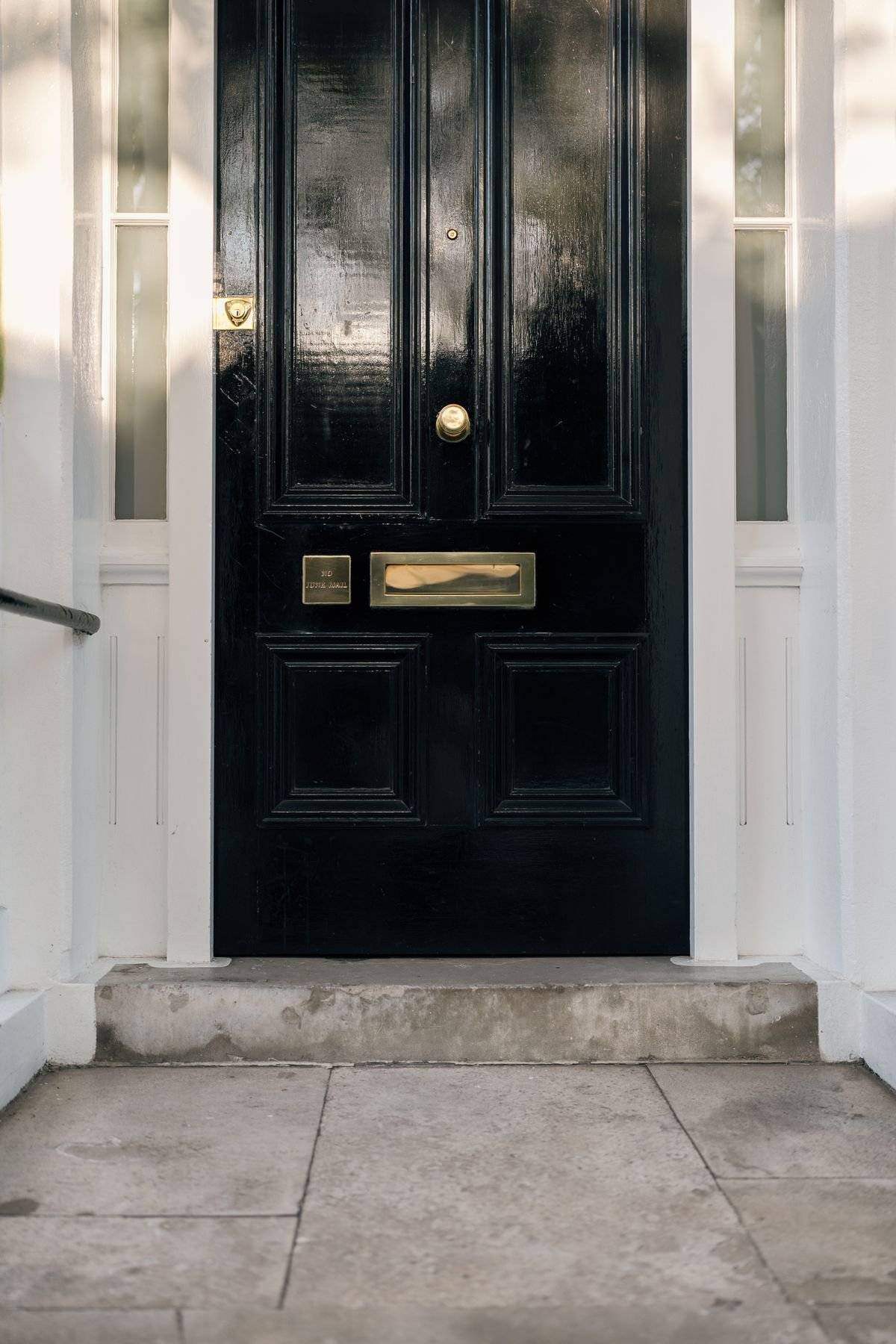
A sealed cat flap still loses its battle if the door around it leaks. Check the letterbox, the keyhole, and the gap under the door. A brush strip under the door costs about £7 and fits with a few screws, while a keyhole cover costs very little. While you are at it, check how the door closes. A door that drifts open on its own wastes as much heat as a leaky flap, and our guide on how to fix a door that will not latch walks through that repair step by step.
What Not to Do
A few tempting shortcuts cause more harm than good. Do not tape the flap shut for the winter unless you are prepared to untape it every time your cat needs out. Trapped cats get stressed and destructive, and you will forget it is taped at least once.
Do not wedge the flap with something so stiff that the cat cannot push through. Cats that get stuck or frightened by a flap may refuse to use it for weeks. And do not seal the house so tightly in your enthusiasm that moisture has nowhere to go. A home still needs background ventilation, especially in winter. Our guide on how to stop condensation on windows overnight explains how to balance draught proofing with healthy airflow.
Keep Your Cat Happy With the Changes
Every change you make should be tested from your cat’s point of view. After fitting a brush strip or a stronger magnet, watch your cat use the flap several times. Look for hesitation, pawing at the flap without pushing through, or waiting by the door to be let out instead. If you see any of that, ease the tension off slightly.
Never lock the flap while your cat is still outside, especially as the nights draw in. Set a routine: cats in, flap locked, cover on. A predictable routine keeps everyone calm. If a frustrated cat starts taking it out on the furniture, our guide on how to stop a cat from scratching the couch will help you redirect that energy before it becomes a habit.
The Warm Home Payoff
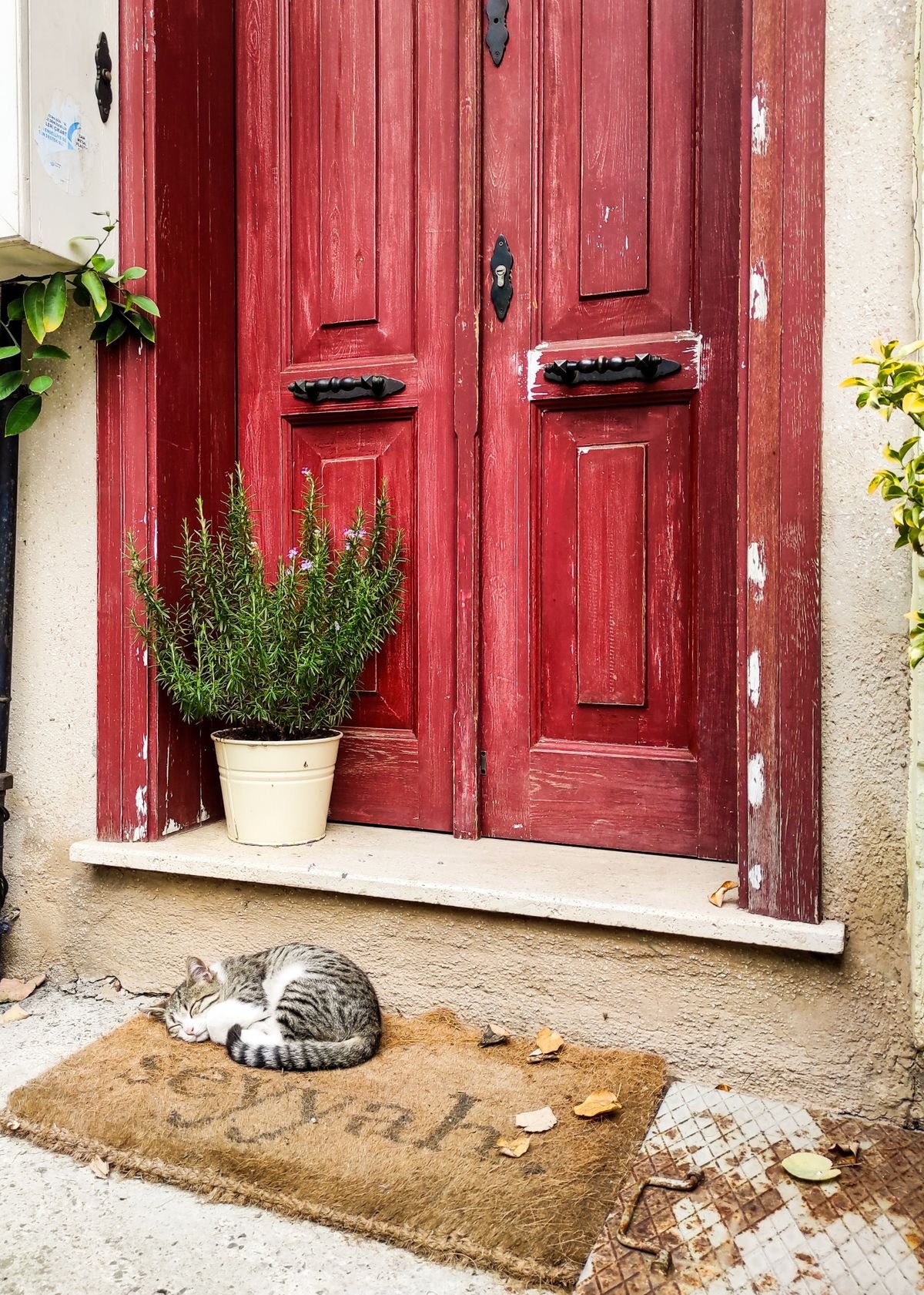
Stopping a cat flap letting in draughts is one of those jobs that pays you back every single day. Start free by servicing the flap and using the overnight lock. Add a brush draught excluder and seal the frame gaps for under £15. If the unit is past saving, a twin flap draught rated replacement finishes the job for £20 to £60.
The result is a kitchen or hallway that stays warm, a heating system that works less hard, and a cat that still enjoys full freedom. Do the incense test this weekend, work through the fixes in order, and enjoy the first winter where the cat flap is no longer the coldest spot in the house.
Key takeaways:
- Find the exact leak first with the back of your hand or an incense stick, so you fix the right thing.
- Service the existing flap, fit a brush draught excluder, and strengthen the magnetic seal for the biggest gains at the lowest cost.
- Lock the flap and cover it overnight, when most heat escapes and the cat does not need it.
- Seal the frame gaps and draught proof the rest of the door, including the letterbox and the gap underneath.
- Test every change with your cat watching, and keep background ventilation so moisture never builds up.
Frequently Asked Questions
How much heat does a cat flap actually lose?
There is no single figure, because it depends on the flap size, the fit, and how exposed your door is to wind. Owners consistently report that a worn single flap on a windy door feels like leaving a small window ajar, which is why servicing the seal and adding a brush strip makes such a noticeable difference.
Will a draught excluder stop my cat using the flap?
Not if it is fitted correctly. The bristles should just touch the flap without resisting its swing. After fitting, watch your cat use it a few times. If a timid or elderly cat hesitates, trim the bristles slightly or choose a softer strip.
Can I just lock the cat flap all winter?
Only if your cat becomes an indoor cat for the winter and is happy with that arrangement. Locking an outdoor cat out, or trapping an indoor cat’s routine, causes stress and behaviour problems. Use the overnight lock while the cat sleeps indoors, and reopen it in the morning.
Is it cheaper to repair the flap or buy a new draught proof one?
Repair first. A replacement flap or seal strip costs a few pounds, and a brush excluder is under £15. Only upgrade to a twin flap draught rated model if the frame is warped, the hole was cut badly, or the unit is very old. The upgrade costs £20 to £60.
Will sealing draughts make condensation worse?
It can, if you seal every gap and never ventilate. Draught proofing and ventilation are partners, not opposites. Keep trickle vents open, ventilate rooms briefly each day, and read our guide on how to stop condensation on windows overnight to keep the balance right through winter.

2 Comments
Pingback: Keep Ants Out of Cat Food Bowl: 8 Safe Ways
Pingback: Eyes Water in Cold Weather? 9 UK Fixes