
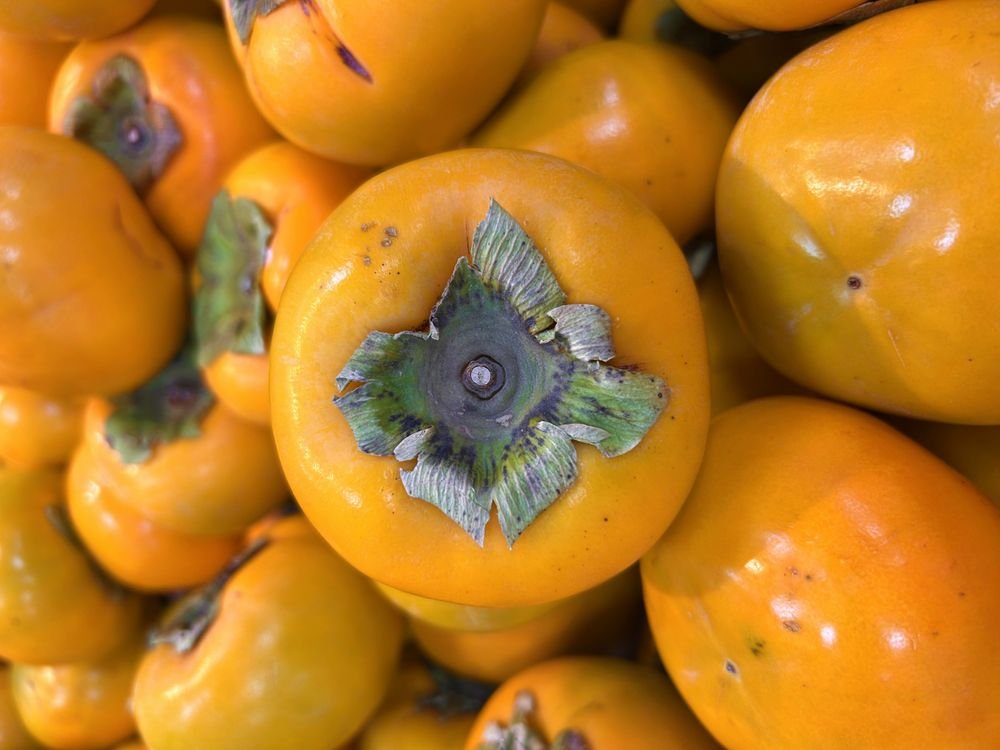
If you have ever bought persimmons that looked perfect at the market and taken a hopeful bite at home, you know the shock. A hard Hachiya persimmon tastes dry, chalky and mouth puckering in a way no other fruit can match. The good news is that firm persimmons are far from a lost cause. Learning how to ripen persimmons quickly turns that rock hard fruit into soft, honey sweet flesh in days instead of weeks. This guide covers the fastest proven methods, how to tell exactly when a persimmon is ready, and the common mistakes that ruin good fruit.
First, Know Which Persimmon You Have
Not all persimmons behave the same, and the right method depends on the type in your fruit bowl. There are two main kinds, and mixing them up is the most common reason people suffer through a mouthful of tannins.
Fuyu persimmons
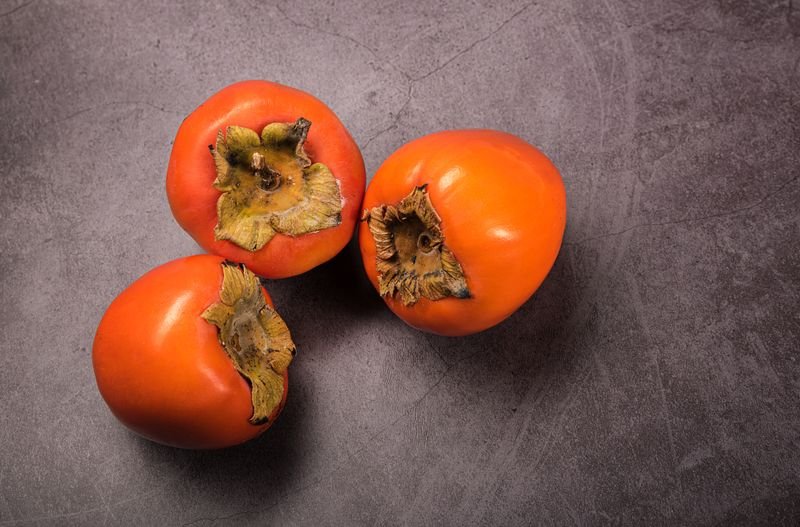
Fuyu persimmons are squat and shaped a little like tomatoes. They are the sweet, crisp type and can be eaten firm, straight off the tree. If your persimmon looks like a flattened orange tomato and crunches pleasantly like an apple, it is a Fuyu, and there is no urgent need to soften it. This is the classic type sold at greengrocers across Japan, where the kaki is a beloved autumn fruit.
Hachiya persimmons
Hachiya persimmons are taller with a pointed, acorn like shape. This is the astringent type, and it must be fully soft before eating. A firm Hachiya is packed with tannins that leave the mouth feeling dry and numb. Patience is mandatory here, but the tricks below will shorten the wait considerably. In Japan, Hachiya style fruit is often turned into hoshigaki, the traditional dried persimmons hung under the eaves in autumn.
How to Tell If a Persimmon Is Ripe
Before trying any speed method, learn the signs of ripeness so you can stop at exactly the right moment.
A ripe persimmon has deep orange skin that may look almost glowing. It gives gently when pressed with light pressure near the base, and it carries a faint sweet aroma around the leafy cap. A ripe Hachiya feels like a water balloon about to burst, so soft that the skin looks slightly translucent. An unripe persimmon, by contrast, feels firm with no give, and its colour sits closer to pale orange.
Remember the key difference between the types. A Fuyu can be enjoyed firm or soft. A Hachiya is only safe and delicious when it is jelly soft all the way through. If in doubt, wait one more day.
How to Ripen Persimmons Quickly: 5 Proven Methods
Persimmons respond to ethylene, a natural plant gas that several fruits release as they ripen. Every fast method below works by concentrating that gas around the fruit, adding gentle warmth, or breaking down the tannin structures directly. They are ranked from the most reliable to the most situational.
Method 1: The paper bag trick with a banana or apple
This is the gold standard and the method recommended by growers and university extensions alike.
- Place your firm persimmons in a clean paper bag in a single layer.
- Add one ripe banana or apple to the bag. These fruits release strong amounts of ethylene.
- Fold the top of the bag closed and leave it on the kitchen counter at normal room temperature.
- Check the fruit once a day. Depending on how firm they were, they will soften in two to four days.
Keep the bag loosely folded rather than sealed airtight, so a little air moves through and no moisture builds up. Swap the banana for a fresh one if it turns black before the persimmons are ready.
Method 2: Give them a warm, still spot in the kitchen
Persimmons ripen fastest between roughly 20 and 25 degrees Celsius. Find a warm corner of the kitchen, such as the top of the refrigerator or a shelf near but not on a heat source, and lay the fruit in a single layer.
Warmth alone takes longer than the paper bag method, usually five to seven days, but it is completely hands off. Keep the fruit out of direct harsh sunlight, which can heat one side too fast and cause uneven softening.
Method 3: The freezer shortcut
If you need edible persimmons tomorrow, the freezer is your answer. Wash the firm fruit, dry it well, and freeze it whole for a full 24 hours. Then thaw it completely at room temperature.
Freezing breaks down the cell walls and neutralises much of the astringency, leaving soft, scoopable flesh. The flavour is not quite as deep as a naturally ripened fruit, but the result is excellent for smoothies, baking and sauces. Thawed persimmons are delicate and watery, so eat them soon after thawing and do not refreeze.
Method 4: Bury the fruit in dry uncooked rice
This old technique comes from Japanese and Chinese households and is backed by university extension research. Fill a container with dry uncooked rice, nestle the firm persimmons inside so they are fully covered, and leave the container at room temperature for three to five days.
The rice traps the ethylene the fruit releases and keeps the surrounding air slightly warm. The fruit emerges noticeably softer and far less astringent. Sieve the rice afterwards and keep it for cooking, since it is perfectly fine to use.
Method 5: The alcohol drop trick
Place a few drops of a strong spirit such as shochu, rum or brandy onto the leafy crown of each firm persimmon. Set the fruit in a container, cover it loosely with a lid or cloth, and keep it at room temperature.
The alcohol vapour speeds the breakdown of tannins, and many people report ready fruit within two to three days. Use only a few drops per fruit, since you want ripening, not pickling. Check daily and remove each persimmon as soon as it turns soft.
What Slows Ripening Down or Ruins the Fruit
Fast methods only work if you avoid the mistakes that fight against them.
Do not put unripe persimmons in the fridge. Cold temperatures slow or completely stall ripening, so fruit can sit in the crisper for weeks without ever softening. Refrigeration is only for fruit that is already ripe.
Do not seal persimmons in plastic bags. Trapped moisture invites mould, and one mouldy fruit can spoil the whole batch overnight. Paper bags and loose covers breathe, which is exactly what you want.
Do not stack the fruit. Ripe persimmons bruise easily, and a bruise turns to a brown mushy spot within a day. A single layer on the counter protects every piece.
Do not ignore ripe fruit either. Once a Hachiya reaches jelly softness it must be eaten within a day or two, or it will ferment and develop an off, fizzy taste.
How to Store Persimmons Once They Are Ripe
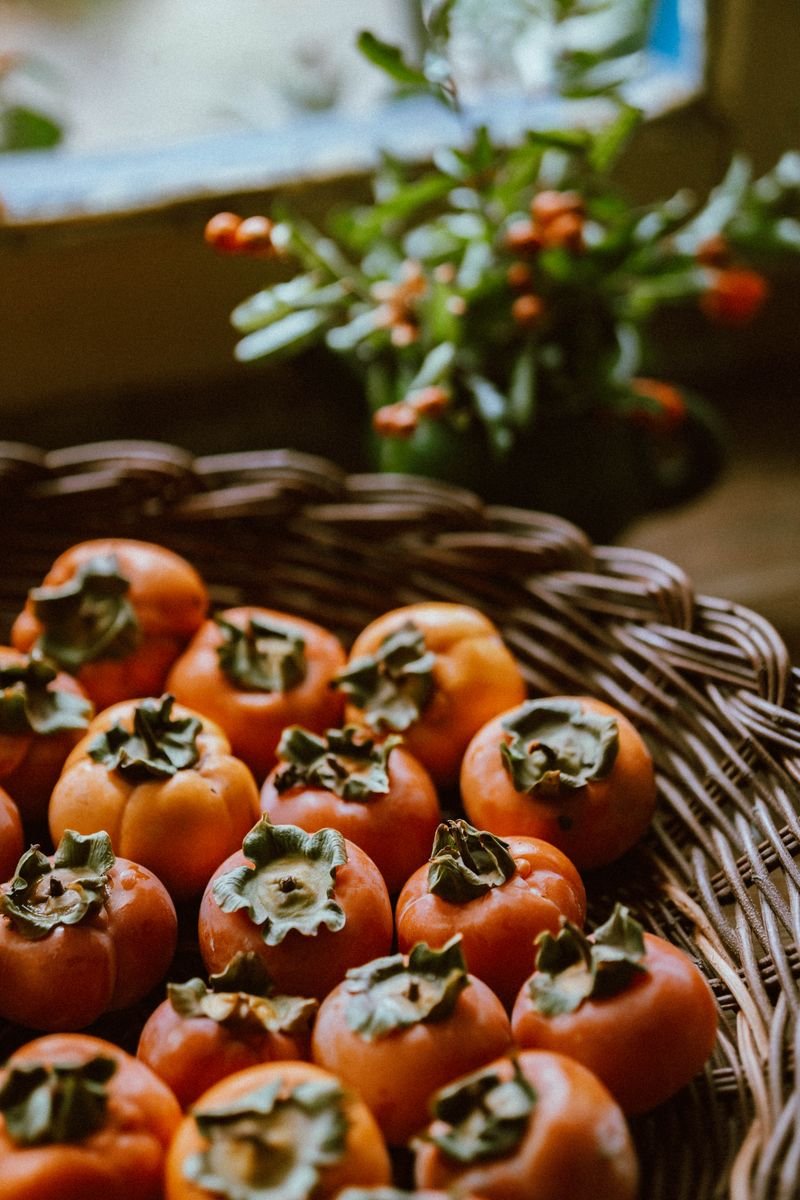
Ripe persimmons are fragile, so treat them gently. Keep them in the fridge crisper in a single layer and plan to eat them within two to three days. Set them stem side down so the delicate skin does not press against anything.
For longer storage, scoop the ripe pulp into ice cube trays or small containers and freeze it. Frozen persimmon pulp keeps for several months and blends beautifully into smoothies, sorbets and baking batters all winter long.
Enjoying Your Perfectly Ripe Persimmons
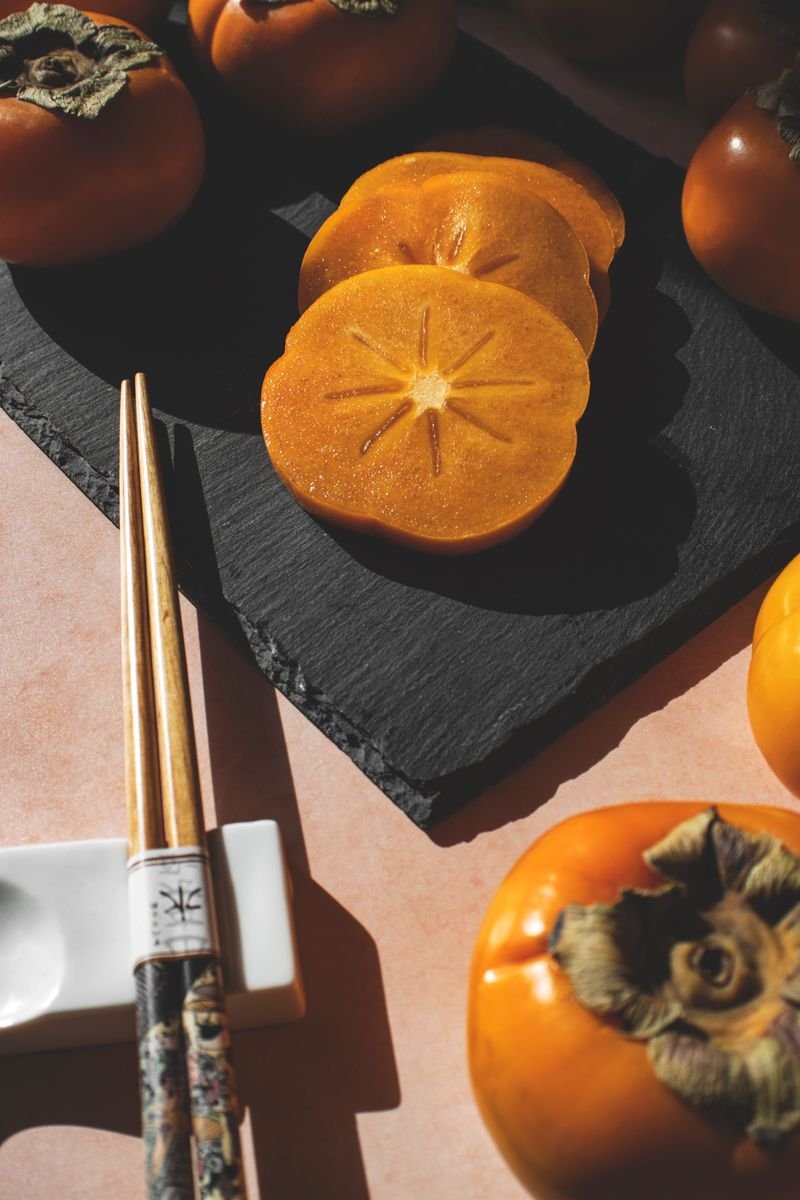
Now comes the reward. Slice a firm Fuyu into wedges and eat it like an apple, or fan the slices over salads and cheese boards where their honeyed crunch shines. For a fully ripe Hachiya, chill it for an hour, slice off the top and scoop out the custard like flesh with a spoon. A sprinkle of cinnamon or a squeeze of lemon brightens it wonderfully.
Ripe persimmon pulp also bakes brilliantly. It adds moisture and natural sweetness to muffins, quick breads and pancakes. If you love turning seasonal fruit into smooth puree for baking, our guide on how to make pumpkin puree without a blender follows the same simple, equipment free approach and pairs beautifully with autumn baking projects.
Final Takeaways
Mastering how to ripen persimmons quickly comes down to knowing your fruit and giving ethylene a chance to work. Identify whether you have a crisp Fuyu or an astringent Hachiya, since only the Hachiya demands full softness. The paper bag with a banana remains the fastest reliable method, the freezer shortcut rescues fruit needed urgently, and the rice and alcohol tricks offer excellent traditional alternatives.
Keep unripe fruit warm, never refrigerate it early, and check daily so each persimmon is eaten at peak softness. Follow these steps and those rock hard autumn fruits will turn into one of the sweetest treats of the season.
Frequently Asked Questions
Can I ripen persimmons in the fridge?
No. Cold temperatures slow or stop the ripening process, so unripe persimmons can sit in the fridge for weeks without softening. Keep firm fruit at room temperature and only refrigerate persimmons once they are fully ripe.
How long do persimmons take to ripen on their own?
Left alone on the counter, a firm Hachiya typically needs seven to ten days, and very hard fruit can take up to two weeks. The paper bag method usually cuts that to two to four days.
Can you eat a persimmon that is not fully ripe?
Fuyu persimmons are fine to eat while firm and crisp. Hachiya persimmons are not, since their tannins cause an intensely dry, chalky feeling in the mouth. Always wait until a Hachiya is jelly soft.
Why do unripe persimmons make my mouth feel dry?
Unripe astringent persimmons contain high levels of tannins, natural compounds that bind to proteins in saliva. This creates the famous dry, fuzzy sensation. Ripening breaks the tannins down, which is why fully ripe fruit tastes sweet and smooth.
Can I use the microwave or oven to ripen persimmons faster?
This is not recommended. Strong heat cooks the fruit instead of ripening it and ruins the texture and flavour. Gentle room warmth plus ethylene from a banana or apple is faster in practice and gives far better results.
