

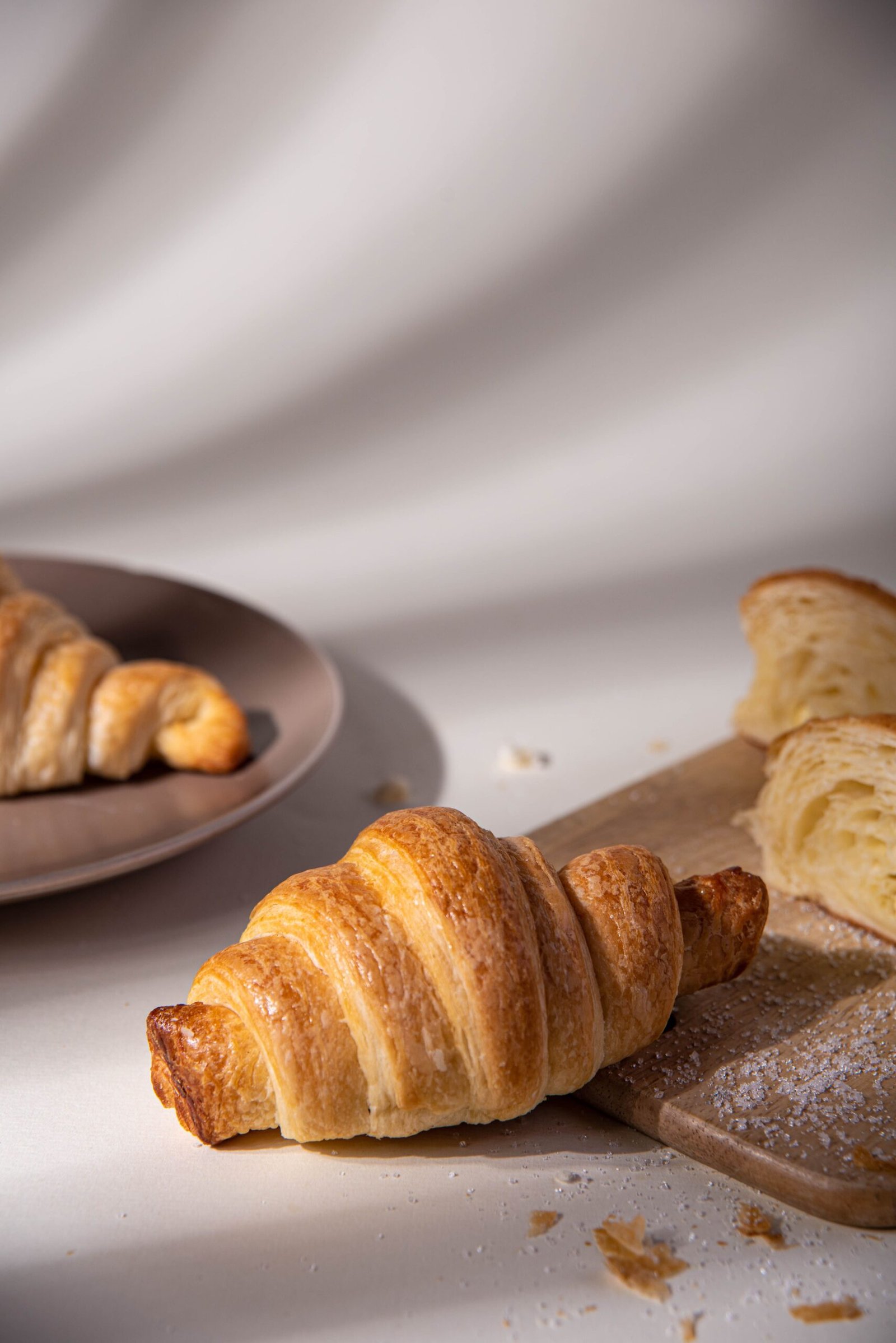
There is nothing quite like biting into a warm croissant. The outside shatters into crisp, buttery layers while the inside stays soft and airy. The problem is that this perfect texture lasts only a short time. Leave a croissant on the counter for a day and it turns soft, chewy and dull.
Learning how to keep croissants fresh and flaky is easier than most people think. A few simple storage habits will protect that crisp shell and tender crumb for days, and even a tired croissant can be brought back to life with the right reheating trick. This guide covers room temperature storage, freezing, reheating and the mistakes to avoid, so every croissant you buy or bake tastes its best.
Why Croissants Go Stale So Fast
A croissant is built from dozens of thin layers of dough separated by butter. That delicate structure is what makes it flaky, but it is also what makes it fragile. As soon as a croissant cools after baking, two things start happening. Moisture moves from the soft interior toward the crisp exterior, and the starch in the flour begins to firm up. The result is a pastry that loses its crunch and turns leathery.
Air is the other enemy. Every minute a croissant sits unwrapped, dry air pulls moisture from the surface while humid air softens the crust. That is why storage method matters more for croissants than for most other baked goods. A soft dinner roll can survive a day in a bag without much change, but a croissant will show the damage within hours.
The good news is that staleness is not the same as spoilage. A croissant that has lost its crisp can still be safe and delicious once revived. The tips below show how to slow the process in the first place and how to rescue croissants that have already softened.
How to Keep Croissants Fresh and Flaky at Room Temperature
For short storage of one to two days, room temperature is the best place for croissants. The key is to protect them from moving air without trapping too much moisture against the crust.
1. Store Them in a Paper Bag
A simple paper bag is the classic bakery solution. Paper allows just enough air to circulate so the crust stays crisp, while slowing the moisture loss that causes staleness. Fold the top of the bag over tightly and keep it in a cool, dry spot away from sunlight and the stove. Your croissants will stay pleasant for about two days this way.
This is the method most French bakeries rely on for the croissants they sell each morning. It costs nothing and it works because it matches what the pastry needs. A little airflow, a little protection, and no trapped steam.
2. Use a Bread Box
A bread box works on the same principle as the paper bag. It shields pastries from moving air while letting a little humidity escape, which keeps crusts from turning soggy. Place the croissants inside without stacking them, since the delicate layers crush easily. Close the lid and leave the box at room temperature.
If you buy croissants often, a bread box is worth the counter space. It keeps a steadier environment than a bag and protects the pastry from bumps and curious hands.
3. Cool Croissants Fully Before Storing
This rule matters for every storage method. Let fresh or reheated croissants cool completely before you bag them. Warm pastry releases steam, and that steam turns into condensation inside the bag. Condensation is the fastest way to turn a crisp croissant soft and gummy.
Give croissants at least 30 minutes on a wire rack after baking or reheating. The rack lets air reach the bottom so the base does not go soggy while it cools.
The same idea works for other baked goods too. If you enjoy soft tray bakes, our guide on how to keep flapjacks soft after baking uses similar storage logic to protect texture.
Should You Refrigerate Croissants
Refrigeration feels like the safe choice, but it is actually one of the worst places for a plain croissant. Cold temperatures speed up the process that makes bread go stale. The starch firms up faster in the fridge than at room temperature, so a refrigerated croissant turns tough and dry in a single day.
There is one exception. If your croissant has a perishable filling such as fresh cream, custard or meat, food safety comes first and the fridge is required. Wrap the pastry tightly, use it within two days, and always warm it in the oven before serving to recover some of the texture.
For plain butter croissants, almond croissants and other unfilled varieties, the counter or the freezer will always beat the refrigerator.
How to Freeze Croissants for Longer Storage
Freezing is the best answer when you want croissants to last beyond a couple of days. Done right, frozen croissants keep their flavor for up to two months, and they reheat beautifully.
4. Wrap Each Croissant Individually
Cool the croissants fully, then wrap each one on its own in plastic wrap or foil, pressing out as much air as you can. Individual wrapping stops freezer burn, prevents the croissants from sticking together, and lets you take out exactly as many as you need.
Skipping the wrap and tossing croissants loose into a bag is the most common freezing mistake. Loose croissants dry out fast and pick up odors from everything else in the freezer.
5. Use a Freezer Bag and Remove the Air
Place the wrapped croissants in a freezer bag and squeeze out the remaining air before sealing. Less air in the bag means less frost and less drying on the pastry surface. For extra protection, you can double wrap with foil first and then the bag.
6. Label With the Date and Thaw Properly
Label the bag with the date so you know how long the croissants have been stored. Aim to use them within two months for the best flavor, though they stay safe longer.
To thaw, move the croissants from the freezer to the counter and let them sit at room temperature for about an hour. Do not unwrap them while they thaw, since the wrapper protects them from condensation as they warm up. Once thawed, refresh them in the oven using the reheating method below for the best result.
How to Reheat Croissants and Restore the Crisp
Reheating is where day old croissants get a second life. The oven is the only tool that truly works. A microwave will warm a croissant but it also turns the layers rubbery, so skip it.
7. Always Use the Oven, Never the Microwave
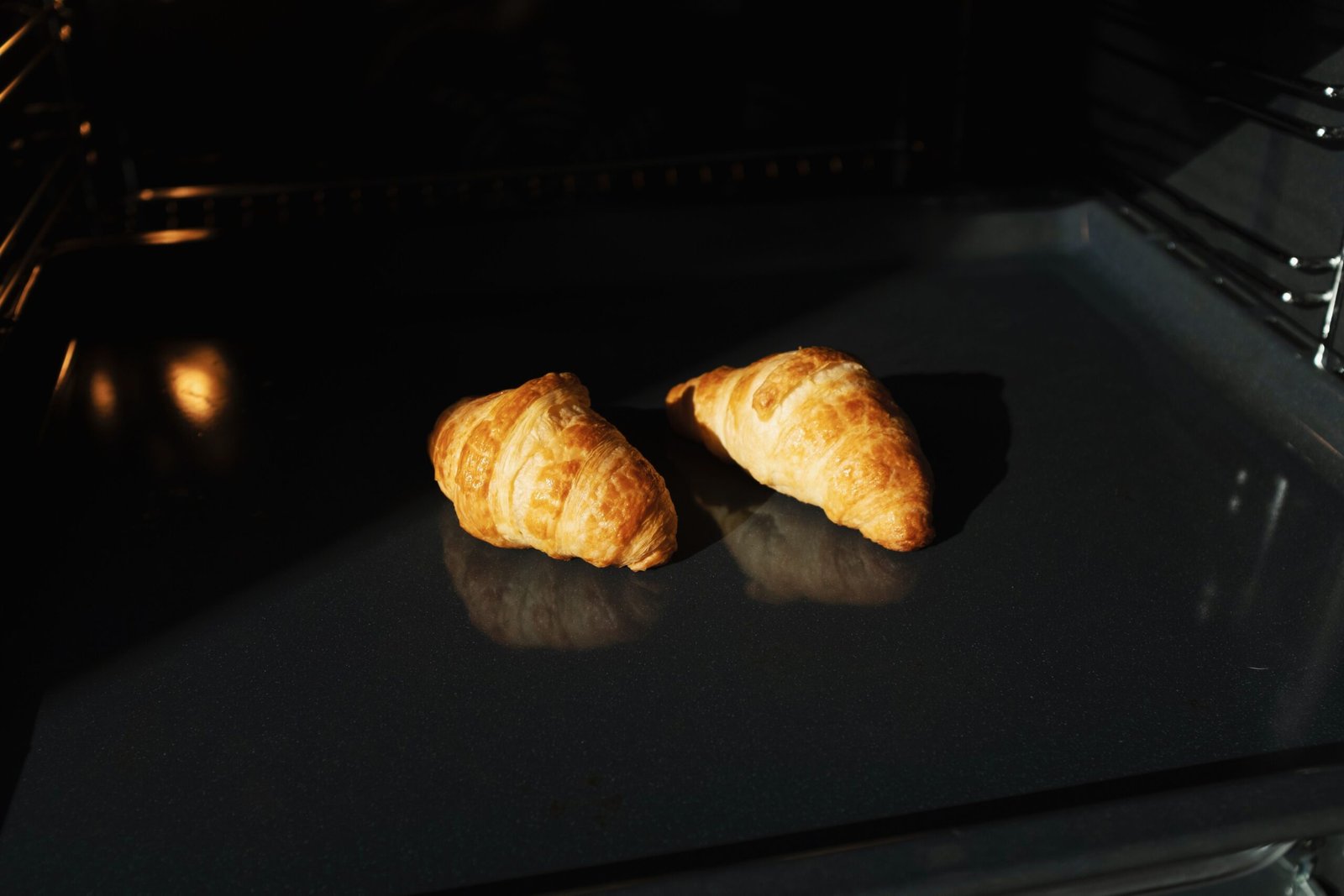
Preheat your oven to 350°F. Place the croissants directly on the rack or on a baking sheet and warm them for 5 to 8 minutes. The dry heat drives off the moisture that softened the crust and recrisps the outer layers while warming the buttery center. Let them rest for a minute before eating.
For a frozen croissant, add a few extra minutes and there is no need to thaw first. The result is remarkably close to fresh baked.
8. Mist With Water for Extra Revival
For a bakery style trick, lightly mist the croissant with water before it goes in the oven. The water turns to steam and helps the interior soften while the dry heat firms the crust again. This works especially well on croissants that have gone quite stale.
You can also split a very stale croissant, toast the halves cut side down in a dry skillet for a minute, and serve them warm with jam. It is a different texture but a delicious rescue.
9. Do Not Stack or Crush Stored Croissants
Croissants are fragile. Stacking them crushes the airy layers and no amount of reheating will bring back the height. Store them in a single layer whether they are in a bag, a bread box or the freezer. Handle them gently and your croissants will keep their shape as well as their flavor.
Mistakes That Ruin Croissant Freshness
Most croissants go stale because of a few avoidable habits. Watch out for these common errors.
- Storing croissants in plastic bags at room temperature. Plastic traps moisture against the crust and turns it soft within hours. Paper is better for short storage.
- Putting warm croissants straight into a bag. Trapped steam makes the crust gummy. Always cool first.
- Refrigerating plain croissants. The cold speeds staling and ruins the texture. Use the fridge only for filled croissants that need it for safety.
- Freezing without wrapping. Unwrapped croissants pick up freezer burn and stale odors. Wrap each one individually.
- Using the microwave to reheat. It warms fast but destroys the flaky layers. The oven takes a few minutes longer and tastes far better.
How Long Do Croissants Stay Fresh
With the right method, here is what to expect. At room temperature in a paper bag or bread box, croissants stay pleasant for one to two days. Wrapped and frozen, they keep well for up to two months. Refrigerated croissants lose quality within a day, which is why the fridge is best avoided for plain pastry.

Freshness matters for more than pastry. Our guide on how to keep cut apples from browning covers another side of keeping food at its best.
Signs that a croissant has gone too far include a sour or off smell, visible mold, or a texture that stays hard even after reheating. Stale is fine. A stale croissant can be revived in the oven. Spoiled is not. When in doubt, throw it out.
Keep Every Croissant Crisp to the Last Bite
Now you know exactly how to keep croissants fresh and flaky. Store them in a paper bag or bread box for a day or two, freeze them properly for longer storage, skip the refrigerator, and always reheat in the oven. These small habits protect the crisp layers and soft center that make a croissant special.
The takeaway is simple. Air and cold are the enemies of flaky pastry. Control them with the right wrap and the right temperature, and every croissant can taste close to fresh baked, even days later. Your next batch of croissants deserves nothing less.
Frequently Asked Questions
Can you freeze croissants?
Yes. Wrap each croissant individually in plastic wrap or foil, place them in a freezer bag with the air pressed out, and freeze for up to two months. Reheat from frozen in a 350°F oven.
How do you keep croissants crispy overnight?
Store them in a paper bag at room temperature, folded shut, in a cool dry place. In the morning, warm them in a 350°F oven for 3 to 5 minutes to restore the crisp crust.
Why do croissants go stale so quickly?
Croissants are made of thin buttery layers with a large surface area. Moisture migrates from the interior to the crust and the starch firms up, which softens the crunch fast. Proper storage slows both processes.
Is it better to store croissants in plastic or paper?
Paper is better for short room temperature storage because it lets the crust breathe and stay crisp. Plastic traps moisture and makes the crust soft. For the freezer, airtight plastic wrap or foil is the right choice.
How do you revive a stale croissant?
Warm it in a 350°F oven for 5 to 8 minutes. For extra help, mist it lightly with water first. The heat recrisps the crust while the steam softens the inside.

1 Comment
Pingback: Keep Waffles Crispy After a Big Batch