
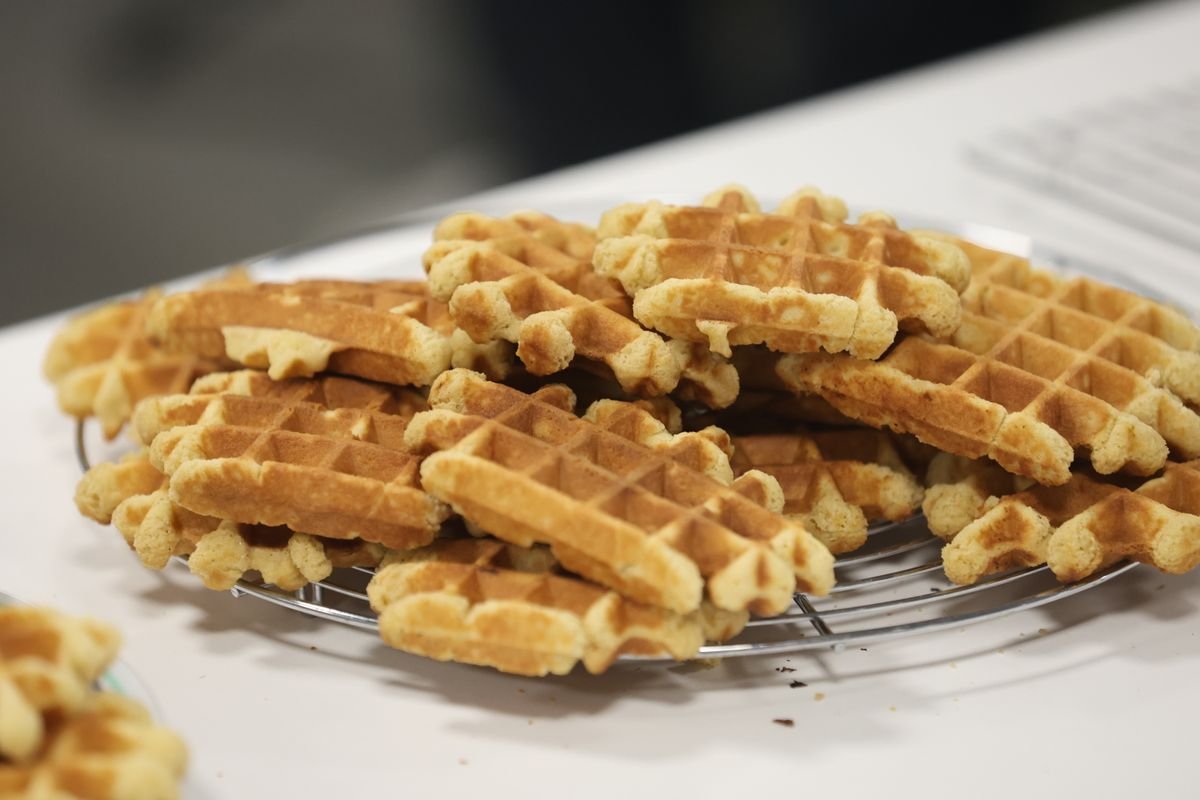
It is Saturday morning and the first waffles are perfect. The edges crackle, the centers stay light, and everyone reaches for a second helping before the next batch is even ready. Then the trouble starts. The waffles that wait on a plate turn limp. The ones stacked in a warm pile steam themselves soft. By the time the last batch leaves the iron, the first batch tastes like a different breakfast altogether. If you want to know how to keep waffles crispy after making a big batch, the answer is not a secret ingredient. It is a simple change in how you hold, serve, and store them, and it starts the moment each waffle leaves the iron.
This guide gives you a clear plan for a big batch. You will learn why steam is the real enemy, how a wire rack and a low oven protect crisp edges, how to run a smooth batch workflow when you cook for a crowd, and how to freeze and reheat leftovers so they come back crisp instead of soggy. The method works for Belgian waffles, classic waffles, and most frozen style batters, and it needs no special equipment beyond a rack and a baking sheet.
Why Waffles Go Soft While They Wait
A fresh waffle is crisp because its surface is dry and its structure is set. Steam ruins that balance fast. Each hot waffle keeps releasing moisture as it cools. Stack waffles on a plate and that steam gets trapped between layers. The tops soften, the bottoms turn damp, and the crisp ridges collapse into a chewy texture.
Covering a plate with foil makes the problem worse when the foil seals tightly. Heat stays in, but moisture stays in too. The waffles sit in their own steam. A towel over a tall stack does the same thing on a smaller scale. It feels warm and cozy, but it holds damp air right against the surface you want to keep dry.
The fix follows one simple idea. Let air move around every waffle while you hold it warm. Airflow carries steam away. Gentle heat keeps the surface dry without cooking the waffle further. Once you build your setup around airflow and gentle heat, crisp waffles stop being a matter of luck.
How to Keep Waffles Crispy After Making a Big Batch: The Oven and Rack Method
The most reliable method is also the simplest. Heat your oven to its lowest dependable setting, usually around 200 degrees Fahrenheit. Place a wire rack over a baking sheet. As each waffle finishes, set it on the rack in a single layer. Leave space between waffles so air can move on all sides.
Do not cover the waffles tightly. If you want a light cover, tent foil loosely above the rack so steam can escape at the sides. A tight cover traps the very moisture you are trying to remove. An open rack in a low oven keeps waffles warm and crisp for about 30 minutes, which is enough time to finish most big batches.
Check the oven temperature before you start cooking. Many ovens run hotter than the dial suggests, and a setting of 250 degrees or more will keep cooking the waffles and dry them out. If your oven has no setting below 200 degrees, use the warm setting if it has one, or heat the oven and then switch it off, leaving the door slightly open while the waffles rest inside on the rack.
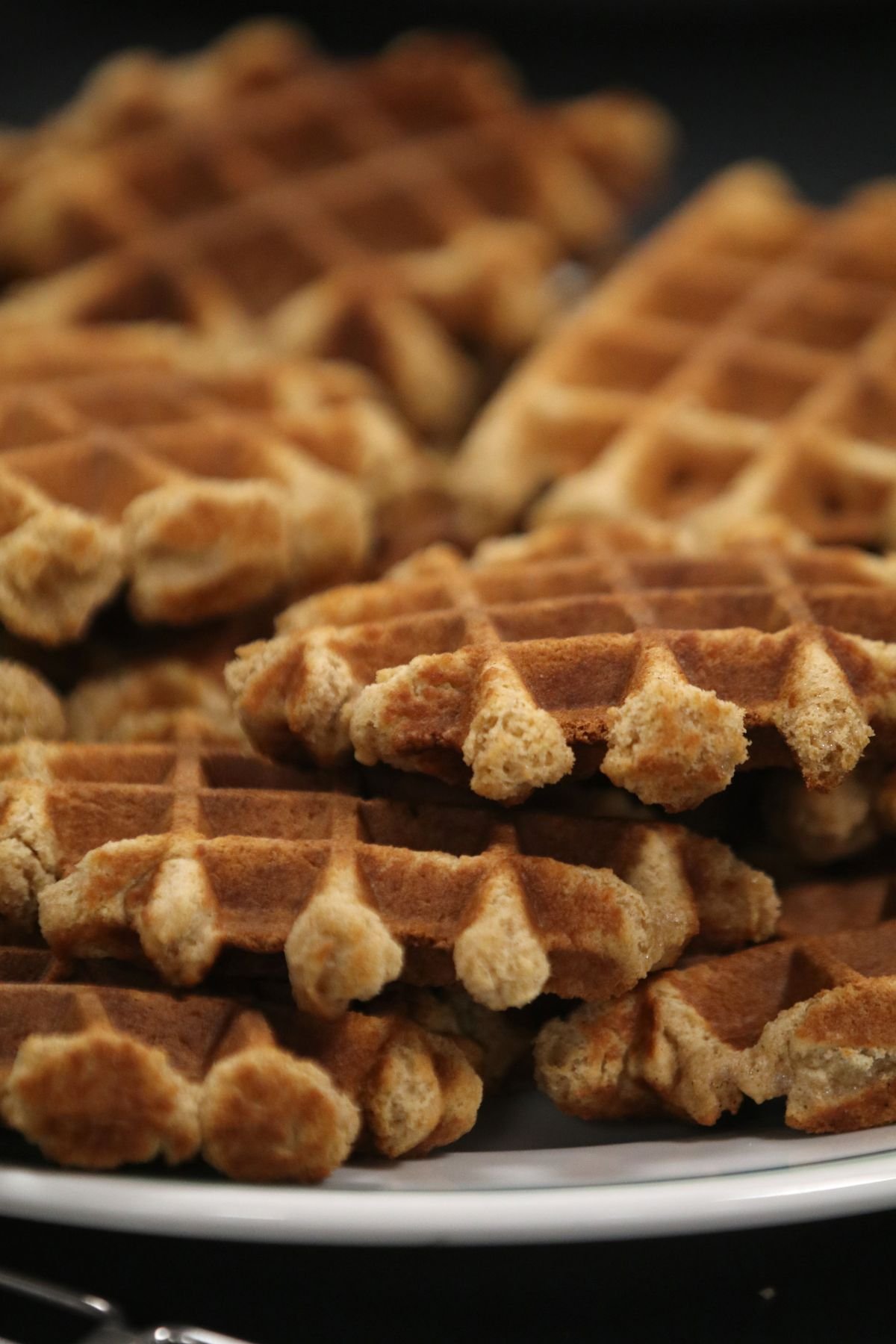
Set Up Your Batch Workflow Before the First Waffle
A big batch goes wrong when the cook is also the server, the batter mixer, and the cleanup crew at the same time. Decide the flow before you heat the iron. Clear a landing spot next to the iron for the rack and baking sheet. Keep tongs or a fork nearby so you can lift each waffle straight onto the rack without stacking it on a plate first.
Mix the full batch of batter before cooking starts, and keep it in a jug or a large measuring cup with a spout. Pouring from a jug is faster and neater than spooning batter, and it keeps the iron hot because the lid stays closed for shorter gaps between waffles. If your recipe makes more batter than one bowl can hold comfortably, mix it in two bowls so the second bowl stays cool and fresh.
Warm the plates and the syrup while the first waffles cook. Cold plates pull heat from hot waffles fast. A stack of plates warmed in the oven for a few minutes makes a real difference at a brunch table. Set out toppings in small bowls so guests can serve themselves without crowding the cooking area or letting waffles sit while everyone waits.
A Simple Timeline for a Crowd of Eight
Start by heating the oven and the iron at the same time. While they heat, set the table, warm the syrup in a small pan on low heat, and put butter and toppings within reach. Cook the first waffles and move them straight to the rack. When about half the batch is done, call everyone to the table and let people take waffles from the rack in turns while you finish the rest.
This rolling service keeps waffles moving. Nobody waits for a full mountain of waffles, and no waffle sits long enough to go soft. If you prefer to serve everyone at once, cook the whole batch onto racks, then bring the racks to the table on baking sheets and let guests take what they want. The rack method works at the table too, as long as waffles stay in a single layer.
Five Mistakes That Turn Crisp Waffles Soggy
Most soggy waffles come from habits that feel helpful. Watch for these five, and your big batch will stay crisp with far less effort.
First, stacking hot waffles. A stack traps steam between layers and flattens the ridges. Always use a single layer on a rack, even when counter space feels tight. A second rack on a second baking sheet is worth the space.
Second, sealing waffles under foil or a lid. A tight cover holds steam in. If you must cover them, tent the cover loosely and leave gaps at the edges so moisture can escape.
Third, holding waffles too long. The rack and oven method holds quality for about 30 minutes. After an hour, even well held waffles lose their edge. Plan your batch size so cooking and serving overlap, rather than cooking everything an hour early.
Fourth, reheating in the microwave. A microwave pumps moisture back into the crumb and softens the crust in seconds. It is fine for a quick warm up when crispness does not matter, but it is the worst choice when crispness is the goal. Use a toaster or a hot oven instead.
Fifth, using a wet topping too early. Syrup, fruit, and whipped cream are wonderful, but they soften waffles on contact. Add toppings at the table, right before eating, and keep the serving plate dry. A waffle that meets syrup only when it is about to be eaten stays crisp far longer.
Cooking Tips That Help Crispness From the Start
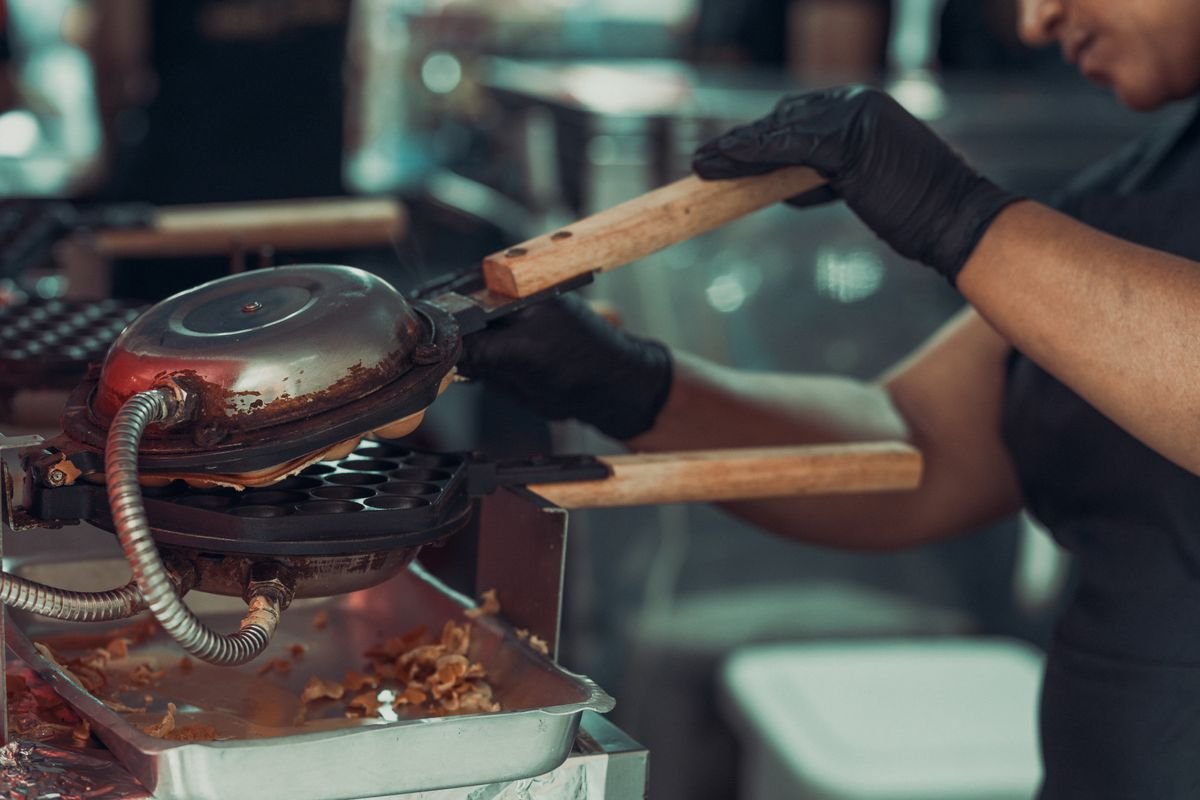
Holding methods matter, but crispness starts in the batter and the iron. A fully preheated iron sets the outside fast and gives you defined ridges. Wait until the steam slows before you open the iron. Opening too early tears the surface and leaves a pale, soft waffle that will never crisp up properly, no matter how well you hold it.
Do not overfill the iron. Batter that spills over the edges steams instead of crisps, and it glues the lid shut. A measured scoop or a jug with markings helps you repeat the same amount for every waffle. Consistency matters in a big batch because every waffle then cooks in the same time and holds the same texture.
Let each waffle cook a little longer than you think it needs. Pale waffles feel soft because their surface never fully dried. A deep golden color usually means the outside has set and the steam has mostly escaped. If your waffles look done but feel limp, give the next one 30 to 60 seconds more and compare the result.
Fat in the batter helps crispness too. Recipes that use melted butter or oil tend to crisp better than very lean batters, because fat helps the surface brown and release cleanly. You do not need to change a trusted recipe, but if your waffles always come out soft, try a recipe with a little more fat and a slightly longer cook time before you blame your holding method.
Serving a Big Batch Without Losing the Crunch
Serve waffles the way a good cafe does. Bring them out in small waves instead of one giant pile. A wave of four to six waffles disappears fast, and the next wave arrives hot and crisp. Guests eat better waffles, and you stay in control of the pace instead of racing a cooling pile.
Keep syrup warm in a jug and butter soft at room temperature. Cold syrup chills a hot waffle on contact, and hard butter tears the surface when it is spread. Small details like these protect the texture you worked to create. If you serve fruit, keep it in a separate bowl so its juice never pools under the waffles.
For a party, set up a waffle station. Put the rack of waffles at one end, toppings in the middle, and plates at the far end. Guests move along the line and build their own plates. The line keeps waffles in a single layer until the last moment, and it turns serving into part of the fun instead of a bottleneck at the stove.
If you are cooking outdoors or in a kitchen with limited oven space, a toaster oven on a low setting can hold a smaller batch on its own rack. A warming tray works too, but only if waffles sit on a rack above it rather than directly on the hot surface. Direct contact with a hot tray steams the underside and softens it, even when the top stays crisp.
What About Frozen Waffles and Leftovers
The same airflow idea applies to leftovers. Cool leftover waffles completely on a wire rack before you store them. Sealing warm waffles in a bag or a container traps steam and leaves you with damp, limp leftovers that no reheating method can fully rescue.
For the fridge, store cooled waffles in a single layer in an airtight container, with parchment between layers if you must stack them. Eat refrigerated waffles within three days for the best texture. For the freezer, freeze waffles in a single layer on a baking sheet until solid, then move them into a freezer bag with parchment between each one. They keep well for two to three months.
Reheat frozen waffles straight from the freezer. A toaster is the easiest option for one or two waffles, and it brings back real crispness in a few minutes. For a larger number, use a hot oven at about 350 degrees Fahrenheit on a wire rack over a baking sheet for 8 to 12 minutes. Avoid the microwave unless speed matters more than texture.
If you plan to freeze a big batch on purpose, slightly undercook the waffles by a few seconds. They will finish crisping when you reheat them, and they are less likely to dry out. Label the bag with the date so older waffles get used first, and let guests know that a quick toast is all a frozen waffle needs.
A Practical Checklist for Your Next Big Batch
Use this checklist the next time you cook for a crowd, and crisp waffles will become your normal result instead of a lucky one.
- Heat the oven to about 200 degrees Fahrenheit and set a wire rack over a baking sheet before cooking starts.
- Preheat the iron fully and wait for steam to slow before opening it.
- Move each waffle straight to the rack in a single layer, with space around it.
- Do not stack hot waffles and do not seal them tightly under foil.
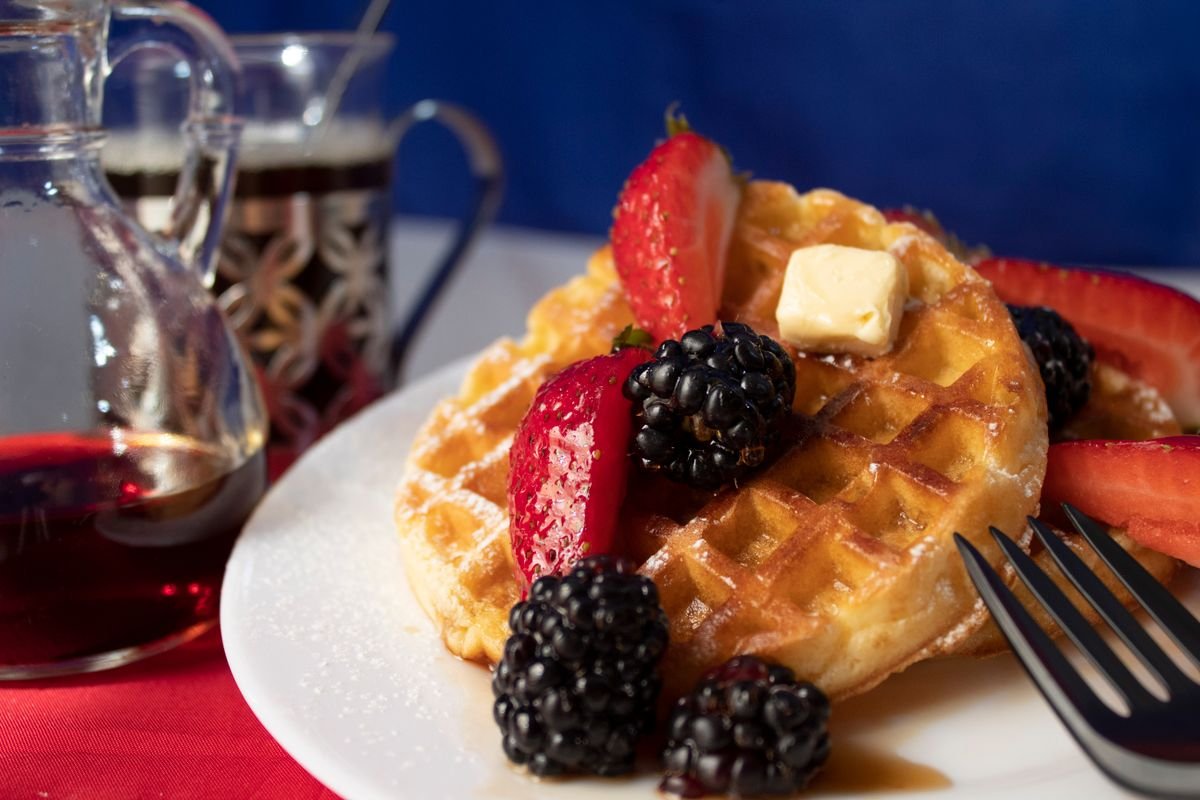
- Serve in small waves and add syrup and toppings at the table.
- Cool leftovers on a rack before storing, and reheat in a toaster or a hot oven.
That is the whole system. Airflow, gentle heat, single layers, and toppings at the last moment. It takes no extra cooking skill and no new gadget beyond a rack you may already own. The difference it makes is easy to taste at the first bite of the last waffle, which should be just as crisp as the first.
Conclusion: Crisp First Waffle, Crisp Last Waffle
Learning how to keep waffles crispy after making a big batch changes a busy brunch from a race against sogginess into a relaxed meal. The story is simple. Steam softens waffles, airflow protects them, and a low oven with a wire rack gives every waffle the same fair chance to stay crisp while the rest of the batch cooks.
Set up your rack before you start, cook each waffle fully, hold them in a single layer, and serve in waves with toppings added last. Freeze leftovers properly and reheat them in a toaster or a hot oven. Do those few things well, and your last waffle will crunch just like your first. For more breakfast ideas that hold up when you cook ahead, see our guide to keeping croissants fresh and flaky, our tips for keeping flapjacks soft after baking, and our guide to keeping bread fresh for longer.
Frequently Asked Questions
How long can waffles stay crisp in a low oven?
About 30 minutes is ideal. Waffles held on a rack in an oven set to about 200 degrees Fahrenheit stay warm and crisp in that window. After an hour, they start to dry out and lose their best texture, so plan to serve within half an hour when you can.
Can I keep waffles crisp without an oven?
Yes, for a short hold. Place waffles in a single layer on a wire rack at room temperature and serve within 10 to 15 minutes. A toaster oven on a low setting also works well for a smaller batch. Avoid stacking them on a plate or sealing them under a cover, since trapped steam softens them fast.
Why do my waffles go soggy even when I use a rack?
The most common reasons are an oven set too high, a tight foil cover, or waffles that were undercooked. Check that the oven stays near 200 degrees Fahrenheit, leave the cover loose or off, and cook each waffle until it is deep golden and the steam has slowed.
Is it better to freeze waffles or refrigerate them?
Freezing is better for storage beyond a day or two. Frozen waffles reheat crisply in a toaster or a hot oven. Refrigerated waffles are fine for up to three days, but they soften faster and need careful reheating to regain any crispness.
Should I put syrup on waffles before serving a crowd?
No. Add syrup at the table, right before eating. Syrup softens the surface on contact, so waffles that sit in syrup lose their crisp edges quickly. Keep syrup warm in a jug and let each person pour their own.
