
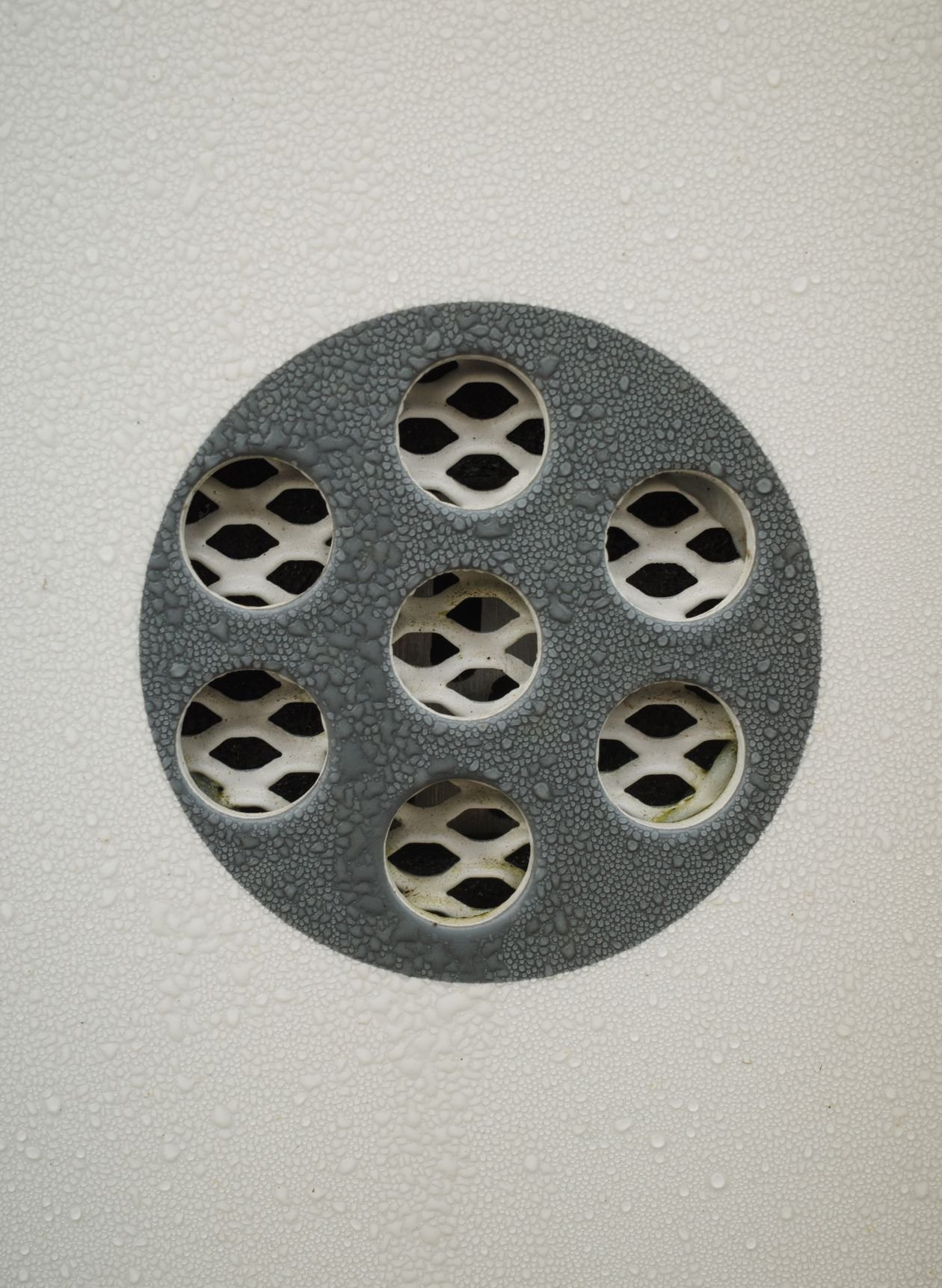
You step into the shower expecting warm water and a fresh start to the day, and instead a stale, sour smell rises from the drain. It is unpleasant, it is embarrassing when guests visit, and it makes you wonder whether something serious is wrong under the floor. The good news is that most shower drain smells come from simple, fixable causes, and you can often find the cause and clear it in less time than it takes to drink a cup of coffee.
This guide walks you through how to stop a shower drain from smelling, starting with what the smell itself is telling you. You will learn how to check the drain trap, clear the slimy buildup that collects around hair and soap, use a baking soda and vinegar flush the right way, and know when a deeper problem needs a plumber. You do not need special skills, and for most fixes you need only gloves, a drain cover tool or screwdriver, hot water, and a little patience.
The key idea is simple. A shower drain smell is a symptom, not a mystery. Once you match the type of smell to its likely cause, the fix becomes obvious. Work through the steps in order, from the easiest check to the deeper clean, and you will solve most smells without calling anyone. If a smell points to a sewer or vent problem, this guide will help you spot that early too, so you can get the right help before the problem grows.
What the smell is telling you
Before you pour anything down the drain, take a moment to notice the smell itself. Different causes create different smells, and that clue can save you time and guesswork. A musty, damp smell often points to biofilm, the slippery layer of soap scum, body oil, dead skin, and bacteria that builds up inside the drain and on the drain cover. A rotten egg smell often points to bacteria in the drain or to a dry trap that is letting sewer gas drift up. A strong sewage smell that fills the whole bathroom, especially when other fixtures are used, often points to a vent or sewer line problem.
Also notice when the smell appears. Does it show up only when the shower has not been used for a few days? That pattern fits a dry trap. Does it get worse after a long hot shower? That pattern fits biofilm, because warm water loosens the buildup and releases its odor. Does it appear when you flush a toilet or run a washing machine nearby? That pattern fits a vent issue, because pressure changes in the pipes can pull water out of traps or push gas back into the room.
Take a quick look at the drain itself. Lift the drain cover if you can do so easily and look inside with a flashlight. Hair, soap residue, and a dark slimy coating are all visible signs of buildup. If the drain is slow as well as smelly, buildup is even more likely. If the drain looks clean and water flows freely but the smell remains, the trap or the vent deserves a closer look. This short diagnosis step turns a vague problem into a clear next action.
- A musty or damp smell usually means biofilm and soap buildup inside the drain.
- A rotten egg smell often means bacteria in the drain or a trap that has dried out.
- A strong sewage smell across the bathroom often means a vent or sewer line problem.
- A smell that appears after days without use often means a dry trap.
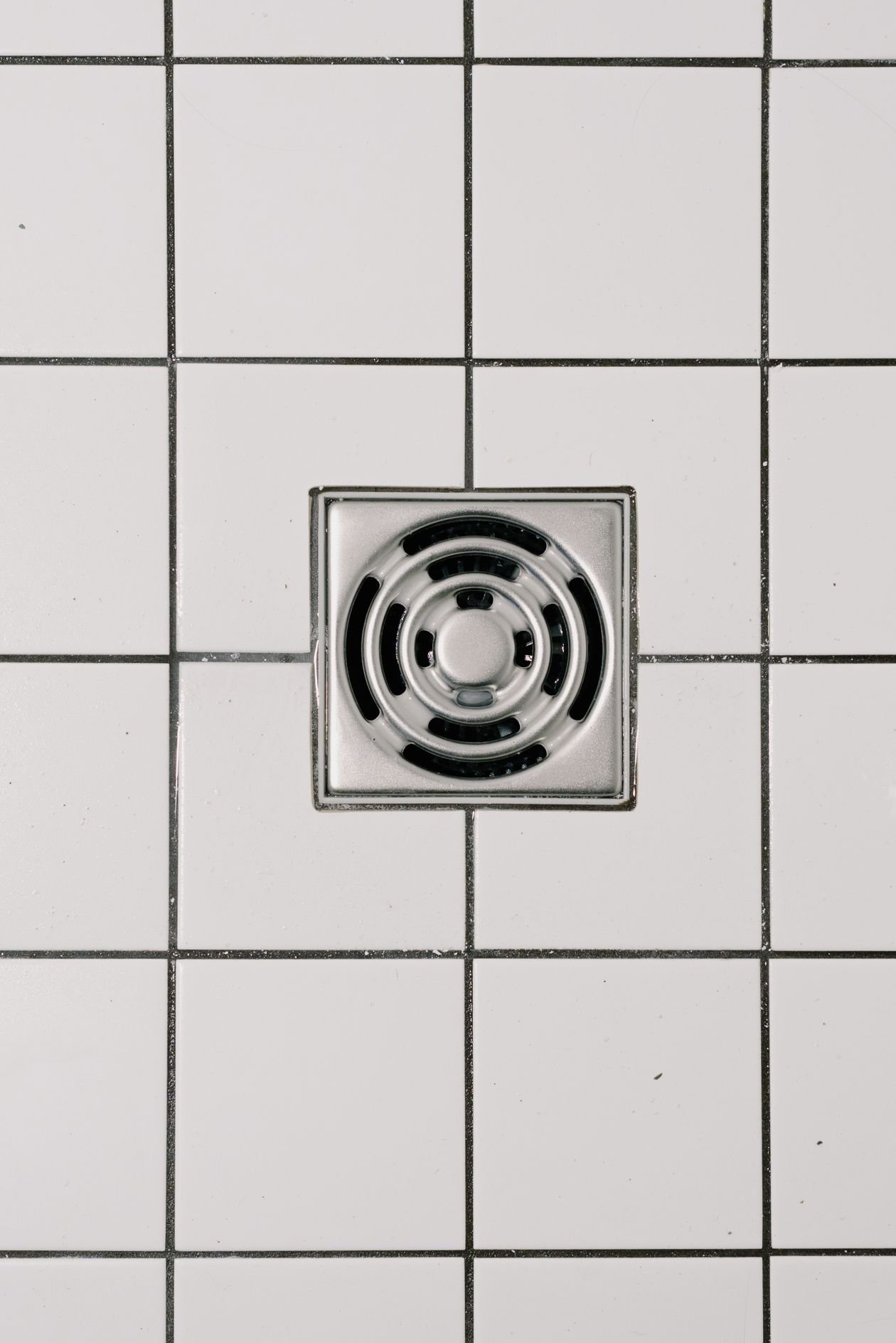
Fix a dry P trap in 60 seconds
Every shower drain has a P trap, a curved section of pipe under the drain that holds a small amount of water at all times. That water acts as a seal. It blocks sewer gas from rising from the pipes into your bathroom. When a shower is not used for a while, the water in the trap can evaporate, the seal breaks, and gas drifts up through the drain. This is one of the most common causes of a sudden shower drain smell in a guest bathroom, a vacation home, or a shower that is rarely used.
The fix is delightfully simple. Run the shower for about 60 seconds and let water flow straight down the drain. That refills the trap and restores the seal. In many cases the smell fades within minutes and does not return. If you have a shower you rarely use, make a habit of running it for a short time once a week, just to keep the trap full. A small amount of mineral oil poured into the drain after refilling the trap can slow evaporation in a very rarely used shower, but plain water is enough for most homes.
If the trap dries out again quickly, even with regular use, something else may be pulling the water out. A blocked vent can create suction that siphons water from traps when nearby fixtures drain. A leaking trap can also lose water slowly. In those cases, refilling the trap will help for a short time, but the smell will keep coming back. Note that pattern and move to the vent section later in this guide, because a recurring dry trap is a useful clue, not just bad luck.
Clear biofilm and hair buildup
Biofilm is the most common cause of an everyday shower drain smell. Every shower leaves behind soap, shampoo, conditioner, body oil, and tiny amounts of skin. Hair catches in the drain and gives all of that material something to cling to. Over weeks and months, the mixture forms a slippery, smelly layer inside the drain pipe and around the drain cover. You may not see most of it, but you will certainly smell it, especially when warm water hits it.
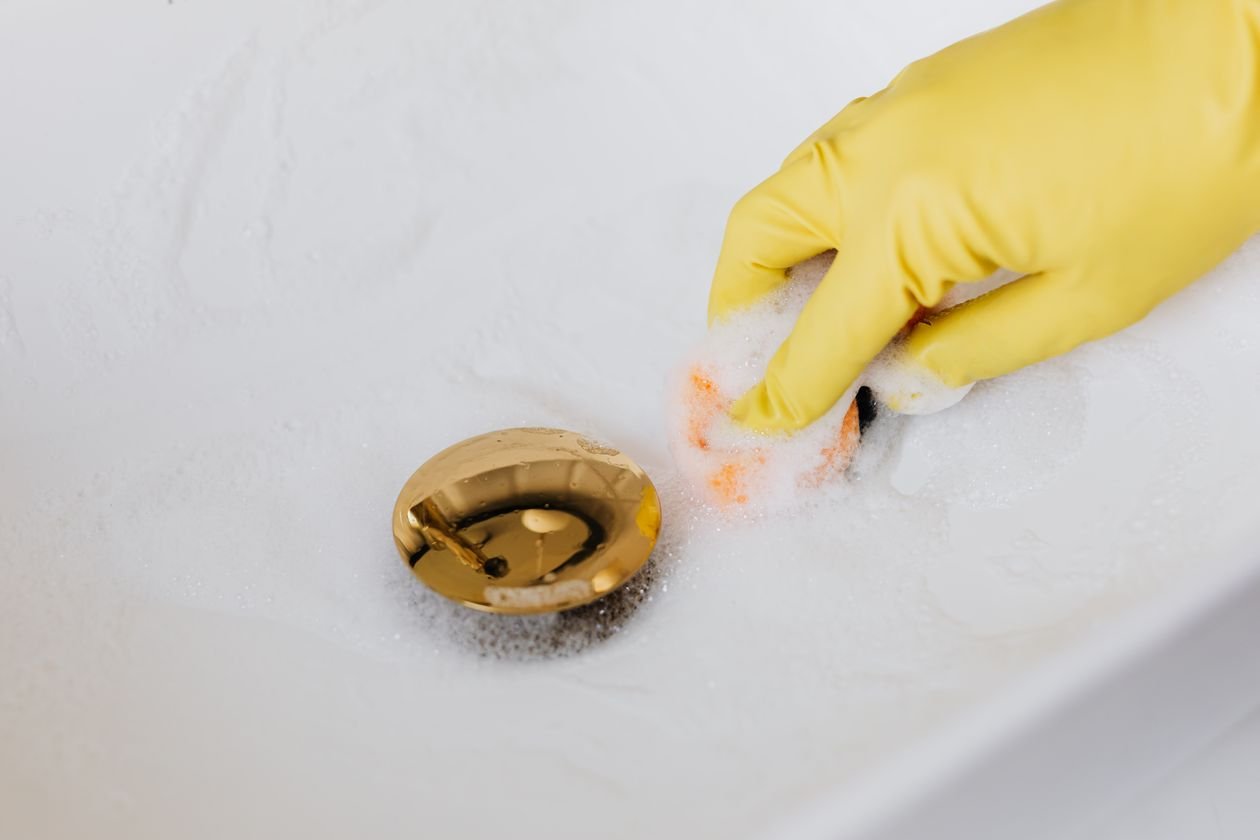
Start with a manual clean, because it removes the source rather than just masking the smell. Put on rubber gloves, remove the drain cover, and pull out any visible hair and debris. A plastic drain cleaning tool, a long zip strip sold for drains, or even a bent wire can reach a little way into the pipe and pull out clumps that you cannot see from above. Dispose of the debris in the trash, not back down the drain, and wipe the drain cover and the visible rim of the drain with hot soapy water.
Next, scrub what you can reach. An old toothbrush is ideal for cleaning around the drain opening and under the cover, where slime collects in grooves and screw holes. Rinse with hot water as you scrub, so loosened material washes away instead of settling back down. If you want a fuller method for clearing a slow or clogged shower drain, read this guide on how to unclog a shower drain without chemicals, which covers gentle clearing methods that work well alongside a smell fix.
After a manual clean, run hot water for a couple of minutes and smell again. In many bathrooms this one step makes a dramatic difference. If the drain still smells, the buildup likely extends further down the pipe than you can reach by hand, and a flush or an enzyme cleaner, covered below, will help reach it. Do not be discouraged if the first clean does not remove every trace at once. Biofilm builds up over time, and a thorough clean plus a short routine will keep it under control.
Baking soda and vinegar flush done right
A baking soda and vinegar flush is popular because it is cheap, simple, and uses items most homes already have. It works best as a freshening and light cleaning step after you have removed hair and visible debris. It is not a miracle cure for a deep clog, and it will not dissolve a large hair blockage on its own. Used correctly, however, it can loosen light buildup, freshen the pipe, and leave the drain smelling noticeably cleaner.
Here is the method that works best. Pour about half a cup of baking soda down the drain, trying to get it past the cover and into the pipe rather than leaving it sitting on top. Follow it with one cup of white vinegar, poured slowly so the fizzing action reaches down into the pipe. Cover the drain loosely with a cloth or the drain cover itself and let the mixture sit for 15 to 30 minutes. The fizz helps loosen light residue on the pipe walls. After the waiting time, flush with a kettle or a large pot of hot, not boiling, water to rinse everything away.
There are two important limits to respect. First, never mix bleach with vinegar or ammonia, and never pour bleach into a drain right after a vinegar flush. Mixing bleach with vinegar or ammonia creates toxic fumes that can seriously harm your lungs and eyes. If you have used bleach in the bathroom recently, rinse thoroughly and ventilate the room before using vinegar. Second, do not expect this flush to fix a smell caused by a dry trap, a broken vent, or a sewer problem. If the smell returns within a day or two after a flush, the cause lies deeper, and the next sections will help you narrow it down.
Enzyme cleaner for deeper buildup
When a manual clean and a baking soda flush improve the smell but do not fully remove it, an enzyme drain cleaner is a sensible next step. Enzyme cleaners use natural bacteria and enzymes that break down organic material such as soap scum, body oil, hair residue, and food particles over several hours. Unlike harsh chemical drain openers, they do not damage pipes when used as directed, and they are a good choice for homes with older plumbing or septic systems, though you should still check the product label for your system type.
Use an enzyme cleaner in the evening if you can, so it has hours to work without being washed away by shower use. Pour the recommended amount down the drain, following the label exactly, and avoid running water down that drain for several hours or overnight. The enzymes need contact time to break down the buildup coating the pipe. You may notice the smell improve gradually rather than instantly, and a second treatment a few days later is normal for a drain that has not been cleaned in a long time.
Choose a product made for drains, not a general purpose cleaner, and avoid combining it with bleach, vinegar, or a chemical drain opener in the same treatment. Harsh chemicals can kill the helpful bacteria in an enzyme cleaner and undo its work. If an enzyme treatment plus a manual clean still leaves a strong smell, especially a sewage smell, stop repeating chemical treatments and look at the vent and sewer signs below. At that point the problem is unlikely to be surface buildup alone.
When the vent or sewer line is the problem
Some shower drain smells point beyond the drain itself to the vent or sewer system. Plumbing vents are pipes that run up through the roof and let air into the drainage system while letting sewer gas escape safely outside. When a vent is blocked by leaves, a bird nest, ice in cold weather, or debris, pressure in the pipes becomes unbalanced. That can pull water out of traps, cause gurgling sounds, and let sewer gas enter the bathroom through the shower drain.
Watch for warning signs that suggest a vent or sewer issue rather than simple buildup. These include a sewage smell that does not improve after cleaning, gurgling sounds from the shower drain when a toilet flushes or another fixture drains, slow drainage across several fixtures at the same time, and a smell that appears in more than one bathroom. Wet spots on floors or walls near plumbing, or a damp patch in the yard near a sewer line, are also serious signs. If you notice gurgling across fixtures, a similar gentle approach can help you understand a nearby sink problem, and this guide on how to unclog a bathroom sink without a plunger explains safe first steps for a sink, but a multi fixture sewer issue itself needs a professional.
Do not climb onto the roof to clear a vent yourself unless you are confident and safe doing so, and never ignore a persistent sewage smell. Call a plumber promptly if a sewage smell persists after cleaning, if you hear gurgling across fixtures, or if you see wet spots near plumbing. A plumber can inspect the vent, check for a cracked pipe or a sewer line blockage, and use a camera inspection if needed. Catching a sewer problem early can prevent water damage and a much larger repair bill, and it protects your home from exposure to sewer gas.
A routine that keeps drains fresh
Fixing a smelly shower drain feels great, but keeping it fresh is even better. A short routine prevents biofilm from building up again and keeps the trap sealed, so you do not have to repeat a deep clean every few weeks. The routine below takes only a few minutes and fits easily into normal bathroom cleaning.
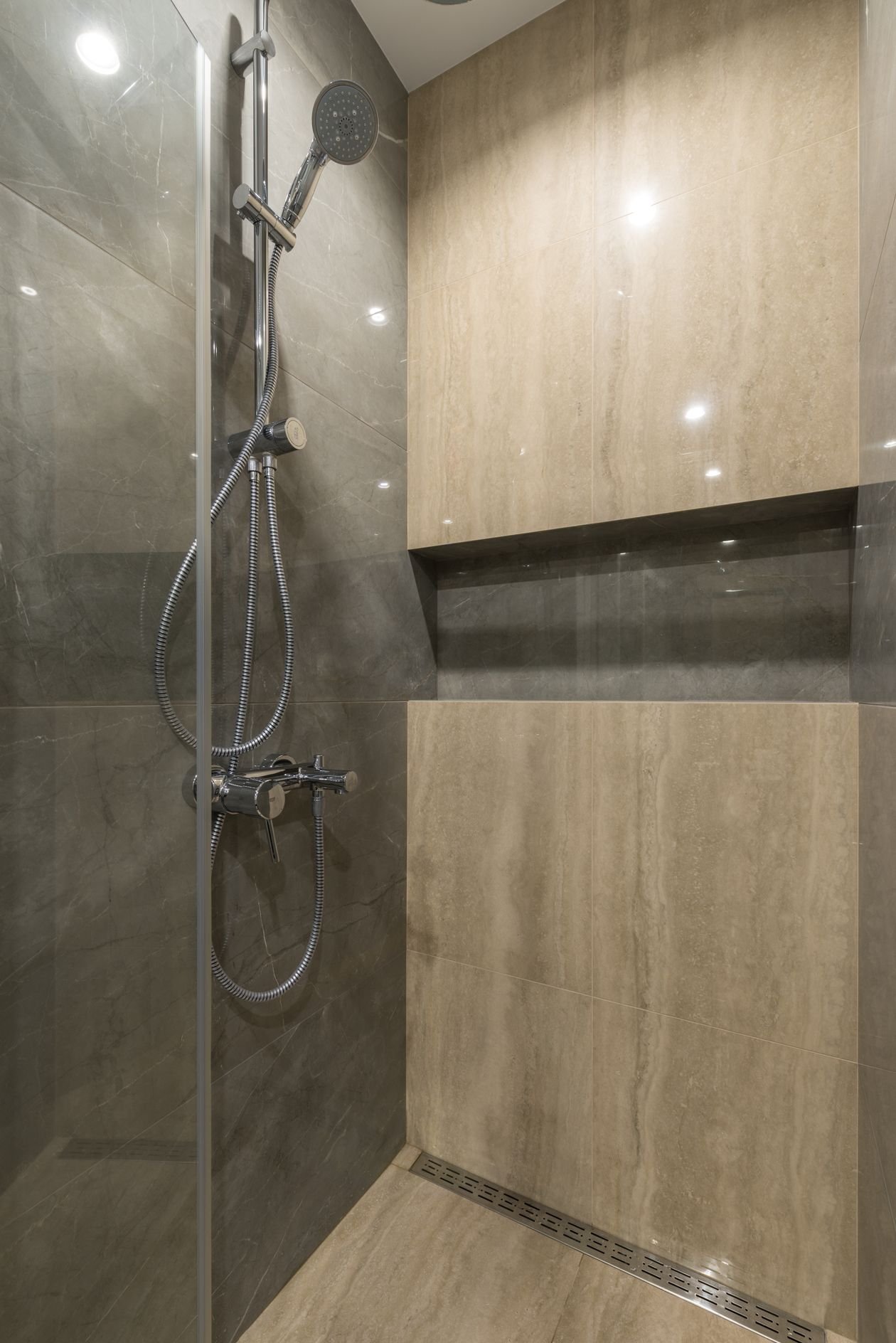
Once a week, remove hair from the drain cover and wipe the cover and the drain rim with hot soapy water. Hair is the anchor for most buildup, so removing it regularly makes the biggest difference. Once a month, do a deeper freshening step. After a normal shower, pour a baking soda and vinegar flush down the drain, wait, and rinse with hot water, or use an enzyme cleaner overnight if your drain tends to smell. For showers that are rarely used, run the water weekly for a short time to keep the trap full.
Small habits help too. Rinse the shower floor after using heavy conditioner or hair treatments, because those products leave residue that feeds biofilm. Avoid pouring grease, coffee grounds, or thick lotions down the shower drain, and use a drain strainer if your shower does not already have one. A strainer catches hair before it enters the pipe and is far easier to clean than the pipe itself. Empty and rinse the strainer weekly, and you will notice both better drainage and a fresher bathroom.
- Weekly: remove hair, wipe the drain cover, and run rarely used showers briefly.
- Monthly: flush with baking soda and vinegar or use an enzyme cleaner overnight.
- Every few months: remove the drain cover fully and scrub around the drain opening.
- Anytime: call a plumber for a sewage smell that persists, gurgling, or wet spots.
Frequently asked questions
Why does my shower drain smell even when it looks clean?
The smell often comes from biofilm coating the inside of the pipe below the drain cover, where you cannot see it. A manual clean plus a flush or enzyme treatment usually reaches that hidden buildup and removes the odor.
How do I know if the smell is a dry P trap?
A dry trap is likely if the shower has not been used for several days and the smell fades quickly after you run water for about a minute. Running rarely used showers weekly keeps the trap full and the seal intact.
Is it safe to use baking soda and vinegar in my shower drain?
Yes, when used on their own and rinsed with hot water, they are a gentle freshening method for most drains. Never mix bleach with vinegar or ammonia, and do not combine vinegar with a chemical drain opener.
How often should I clean my shower drain to prevent smells?
Remove hair weekly, wipe the drain cover during normal cleaning, and do a deeper flush or enzyme treatment once a month. This short routine prevents most buildup before it starts to smell.
When should I call a plumber about a shower drain smell?
Call a plumber if a sewage smell persists after cleaning, if you hear gurgling across fixtures, if several drains are slow at once, or if you see wet spots near plumbing. These signs can point to a vent or sewer problem that needs professional inspection.
Conclusion: how to stop a shower drain from smelling for good
Learning how to stop a shower drain from smelling starts with listening to the smell itself. A musty smell usually means biofilm and hair buildup that you can clear by hand and freshen with a simple flush. A rotten egg smell after days without use often means a dry P trap that refills in 60 seconds. A strong sewage smell that persists, especially with gurgling across fixtures or wet spots, means it is time to call a plumber rather than keep trying home fixes.
The most effective approach is to work in order. Check the trap first, clean out hair and visible buildup, freshen the pipe, and use an enzyme cleaner for deeper residue. Then keep the result with a short weekly and monthly routine. Hair removal, a clean drain cover, a full trap, and a monthly flush take only a few minutes, but they prevent the slow buildup that causes most shower drain smells.
With those steps, your shower can go back to being the fresh, pleasant space it should be. Start with the easiest check today, and you may find the smell is gone before you ever need to think about calling a plumber.
