
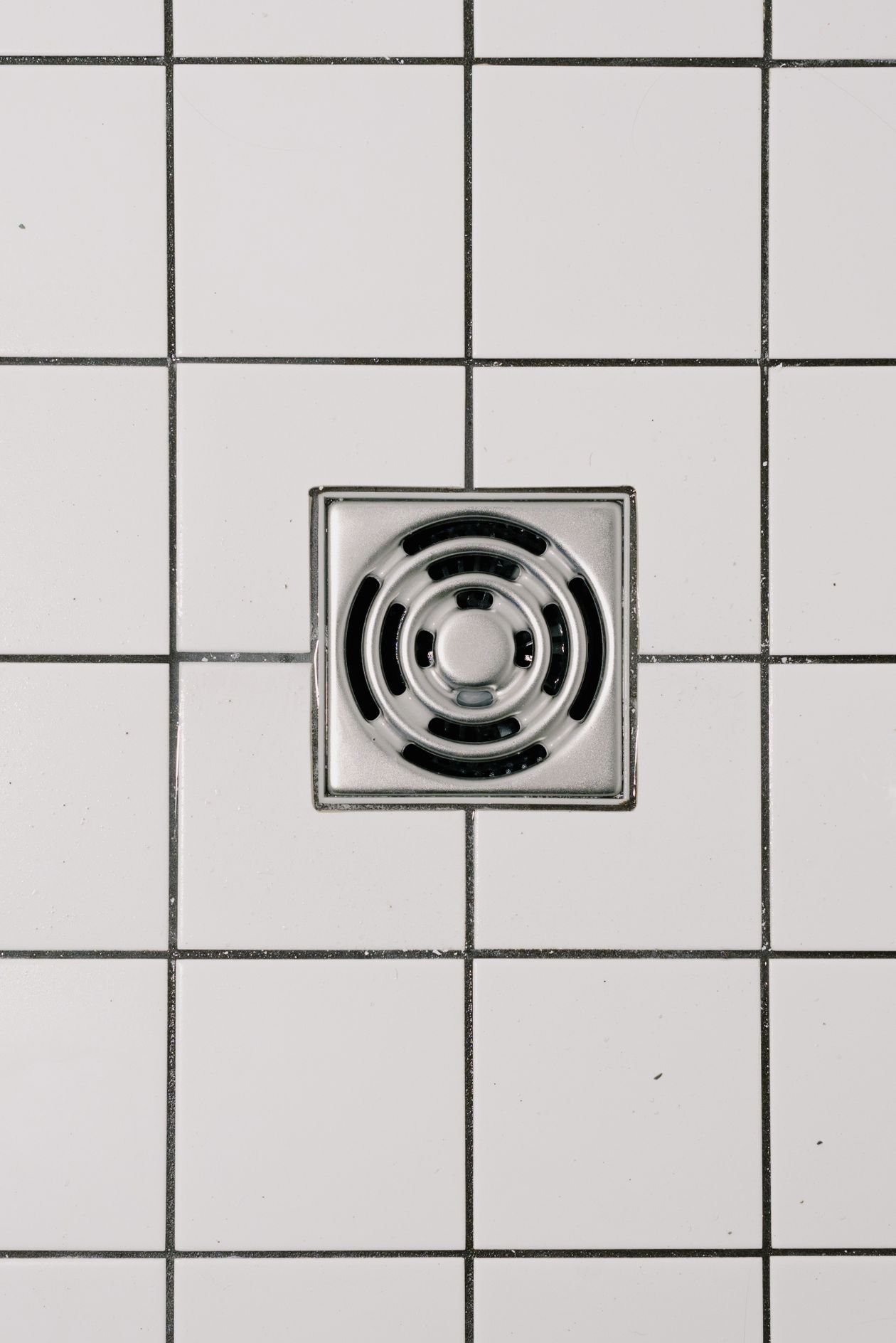
Standing ankle deep in shower water is one of the most annoying ways to start the day. You turn on the shower expecting a quick rinse, and instead you end up sloshing around in a puddle that keeps getting deeper. The good news is that you can learn how to unclog a shower drain without chemicals in just a few minutes, using things you probably already have at home.
Chemical drain cleaners promise a fast fix, but they can damage your pipes, irritate your skin and lungs, and harm the environment. Most shower clogs are simply hair, soap scum and body oil packed together near the drain opening, and that kind of clog responds very well to simple physical methods. This guide walks you through seven proven ways to clear your shower drain safely, plus how to keep it from clogging again.
Why Shower Drains Clog So Easily
Every shower sends a steady stream of hair, skin flakes, shampoo, conditioner and soap down the drain. Hair wraps around the drain cover and the crossbars inside the pipe. Soap scum coats that hair like glue. Over a few weeks, this sticky web builds up until water can barely squeeze past it.
Long hair makes the problem worse, and so do thick conditioners and body washes that leave a waxy residue. Older homes with narrow pipes clog faster too. The clog almost always sits within the first few inches of the drain, which is exactly why the methods below work so well. You do not need to reach deep into your plumbing for most slow shower drains.
What to Do Before You Start
Before you try any of the methods below, take a minute to set yourself up for success. Pull on a pair of rubber gloves, because pulling hair out of a drain is unpleasant with bare hands. Remove the drain cover if it lifts off easily. Many shower drain covers are held in place by a single screw, so keep a screwdriver handy.
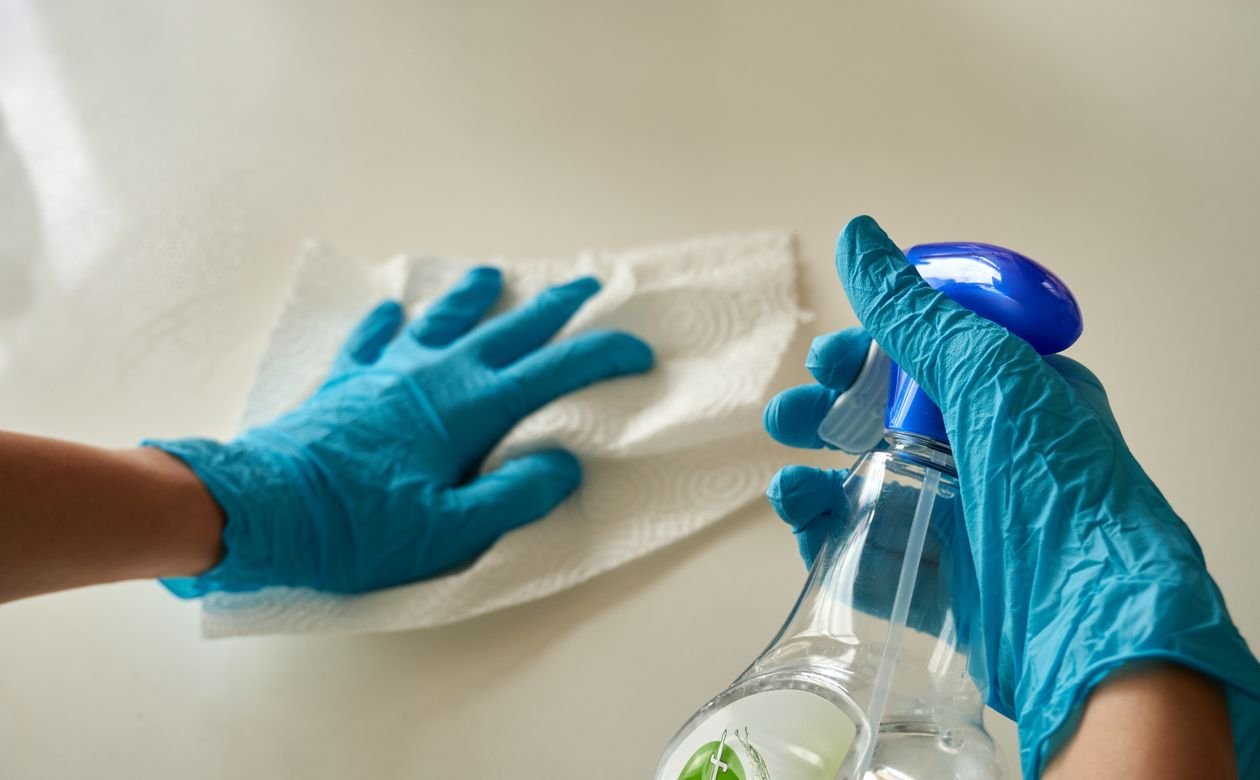
Scoop out any standing water with an old cup so you can see what you are working with. Lay an old towel on the shower floor for anything gross you pull out. It also helps to wipe the area around the drain with a paper towel first so you can see the clog clearly. A quick wipe and a good look tells you whether you are dealing with surface hair or a deeper blockage.
How to Unclog a Shower Drain Without Chemicals Using 7 Simple Methods
Start with method one and work your way down the list. Most shower clogs clear within the first three methods, so there is no need to try everything every time. Each method below is completely free of harsh chemicals and safe for all common pipe materials when done correctly.
1. Clear the Hair by Hand
This is the least glamorous step and also the most effective one. With your gloves on, reach into the drain opening and pull out any hair and gunk you can grab. Twist your fingers gently to wind loose hair around them, the way you might wind spaghetti around a fork.
An old toothbrush or a bent wire coat hanger can help you reach a little deeper and hook out clumps that your fingers miss. Be gentle and do not push anything down forcefully. The goal is to pull the clog up and out, not pack it tighter. In most homes, this one step alone restores full drainage, because the visible hairball near the surface was doing most of the blocking.
2. Flush With Very Hot Water
Once the visible hair is out, pour a full kettle of hot water down the drain in a slow steady stream. Hot water melts body oils and softens soap scum, letting the remaining residue wash away. Use water that is hot from the tap or just below boiling.
A quick safety note: do not pour fully boiling water down the drain if your home has PVC plastic pipes, because extreme heat can soften the plastic. If you are unsure what your pipes are made of, use the hottest water from your tap instead of a kettle. Either way, follow the hot water with a few minutes of running shower water to flush everything through. This simple flush fixes mild slowdowns all by itself.
3. Use Baking Soda and Vinegar
The classic baking soda and vinegar combo is popular for a reason. It is gentle, cheap and surprisingly effective on soap scum buildup. Start by pouring about half a cup of baking soda directly into the drain. Then pour half a cup of white vinegar on top of it. You will hear fizzing right away, which is the mixture reacting with the gunk on the pipe walls.
Cover the drain with a washcloth or a small plate for 15 to 30 minutes to keep the fizzing action working downward instead of escaping upward. Then flush with hot water from the tap for a few minutes. The mild acid in the vinegar dissolves mineral deposits and soap film, while the fizzing action loosens what the hot water can then carry away.
Vinegar is one of the most useful natural cleaners in the house. We have a whole guide on how to clean a microwave with lemon and vinegar if you want to put that bottle to work beyond the bathroom.
4. Try a Drain Snake or Hair Grabber
A plastic drain snake, sometimes sold as a hair grabber, costs just a few dollars at any hardware store and reaches clogs that your fingers cannot. Slide the thin barbed strip down the drain, twist it slightly, and pull it back up. You will be amazed, and possibly horrified, by what comes out.
Push the tool down slowly rather than forcing it. Once you feel resistance, wiggle it gently to snag the clog, then pull straight up. Repeat two or three times until the strip comes back clean. Rinse the tool in hot soapy water when you are done. For households with long hair, keeping one of these under the bathroom sink is one of the smartest few dollar investments you can make.
5. Plunge the Drain
Yes, a plunger works on shower drains too. Use a small cup plunger, the classic kind with the rubber cup, rather than a tall flange plunger meant for toilets. Add enough water to the shower floor to cover the bottom of the plunger cup, then press the cup firmly over the drain so it seals.
Pump the handle up and down with short firm strokes for about 20 seconds. The suction and pressure shift the clog back and forth until it breaks apart or moves down the pipe. Lift the plunger away and run the shower to see if the water drains normally. If the first round does not fully clear it, try once more. Two rounds of plunging clears most stubborn mid level clogs.
If your bathroom sink is also draining slowly, a plunger handles that too. Our walkthrough on how to unclog a bathroom sink without a plunger covers even more gentle methods for the sink side of the bathroom.
6. Pour a Salt and Hot Water Mix
Table salt is mildly abrasive and works as a gentle scouring agent inside the pipe. Pour half a cup of salt into the drain, then follow it with a kettle of hot but not boiling water. Let the mixture sit for 15 minutes, then flush with hot tap water for a few minutes.
The salt crystals help scrub away the greasy film that soap and body wash leave behind. This method works best as a follow up after you have removed the main hair clog with one of the methods above. On its own, salt will not dissolve a big hairball, but it is excellent for finishing the job and leaving the pipe walls clean and smooth.
7. Remove and Clean the Drain Cover
Sometimes the problem is not inside the pipe at all. Hair and soap scum build up on the underside of the drain cover itself, narrowing every opening. Unscrew or lift off the cover and scrub it thoroughly with an old toothbrush, dish soap and hot water.
While the cover is off, look down into the drain with a flashlight. You will often spot a ring of gunk clinging to the first inch of the pipe wall. Wipe that away with a cloth wrapped around the toothbrush. Replace the cover, run the shower, and watch the water disappear the way it should. This two minute task fixes drains that seem mysteriously slow even though the pipe itself is clear.
What to Do If the Drain Is Still Slow
If you have worked through all seven methods and the water still drains slowly, do not reach for a chemical cleaner in frustration. First, check whether other drains in the house are slow too. If the sink and tub are both draining poorly, the problem may be further down the main line, and no amount of surface work will fix it.
Try repeating the baking soda and vinegar treatment and letting it sit overnight before flushing with hot water in the morning. An overnight soak gives the mixture much more time to soften mineral buildup. You can also try the drain snake a second time, going a little deeper than before.
Enzyme based drain cleaners are a decent chemical free option for stubborn cases. They use natural bacteria to eat away organic buildup over several hours. They work slowly, so use them overnight, and they are safe for septic systems too. They cost a bit more than baking soda, but they are the gentlest commercial option available.
How to Keep Your Shower Drain Clear
Prevention is far easier than unclogging. A stainless steel mesh drain cover costs a few dollars and catches nearly all hair before it enters the pipe. Empty it into the trash after every few showers. It takes ten seconds and prevents most clogs entirely.
Once a week, pour a kettle of hot water down the drain as part of your regular cleaning routine. This melts away the fresh layer of soap and oil before it hardens. Once a month, do the baking soda and vinegar treatment as maintenance even when the drain seems fine. Think of it as a reset for your pipes.
Small habit changes help too. Brush your hair before showering to catch loose strands. Rinse conditioner out thoroughly rather than letting thick residue sit in the drain area. If someone in the household sheds a lot of hair, the mesh cover alone will change your life. A few dollars of prevention saves you from standing in a puddle every morning.
When to Call a Plumber
Most shower clogs are simple home fixes, but some situations call for a professional. Call a plumber if multiple drains in the house are slow at the same time, which points to a blockage in the main sewer line. Call one if you notice sewage smells, gurgling sounds from other drains, or water backing up into the tub when the toilet flushes.
Also call a plumber if you have tried everything above over a couple of days and the drain is still completely blocked. A professional has motorized snakes and cameras that can find and clear deep blockages safely. A typical drain clearing visit costs between 100 and 200 dollars in most US markets, which is far cheaper than the water damage a chronically overflowing shower can cause.
Never try to open the drain pipe yourself or pour one chemical after another hoping something works. Mixing drain chemicals can create dangerous fumes, and aggressive chemicals can eat through older pipes. Knowing when to stop and call for help is part of doing the job right.
Conclusion
Learning how to unclog a shower drain without chemicals is simpler than most people expect. The vast majority of shower clogs are just hair and soap scum sitting near the surface, and they give way to gloves, hot water, baking soda and vinegar, a simple drain snake, or a plunger.
The key takeaways are straightforward. Start with the easiest methods first and work down the list. Never mix approaches that involve different substances at the same time. Use hot but not boiling water if you have plastic pipes. And once the drain is flowing freely, keep it that way with a cheap mesh hair catcher and a weekly hot water flush.
A slow shower drain is annoying, but it is one of the most satisfying home fixes there is. Ten minutes of effort, no harsh chemicals, and your shower drains like new. That is a win worth repeating every month.
Frequently Asked Questions
Will baking soda and vinegar really unclog a shower drain?
Yes, for mild to moderate clogs caused by soap scum and light hair buildup. The fizzing reaction loosens grime on the pipe walls, and a hot water flush washes it away. It works best after you have manually removed the surface hair first. For severe or deep clogs, use a drain snake as well.
Is it safe to pour boiling water down a shower drain?
It is safe for metal pipes, but you should avoid fully boiling water with PVC plastic pipes because extreme heat can soften the plastic over time. When in doubt, use the hottest water from your tap instead of a kettle. That is hot enough to melt soap residue without any risk to the pipes.
How often should I clean my shower drain to prevent clogs?
A quick weekly hot water flush and a monthly baking soda and vinegar treatment will keep most drains clear. If someone in the household has long hair, also empty a mesh drain cover after every few showers. These small habits take minutes and prevent nearly all clogs.
Can I use a plunger on a shower drain?
Absolutely. A standard cup plunger seals well over most shower drains. Add enough water to cover the plunger cup, pump firmly for about 20 seconds, and then test with running water. It is one of the most effective chemical free methods for clogs sitting just below the drain opening.
What should I do if none of the home methods work?
First, check whether other drains in the house are also slow, which would point to a deeper main line issue. If only the shower is affected, try an enzyme based drain cleaner overnight. If the drain stays blocked after a couple of days of effort, call a plumber rather than resorting to harsh chemicals.
