
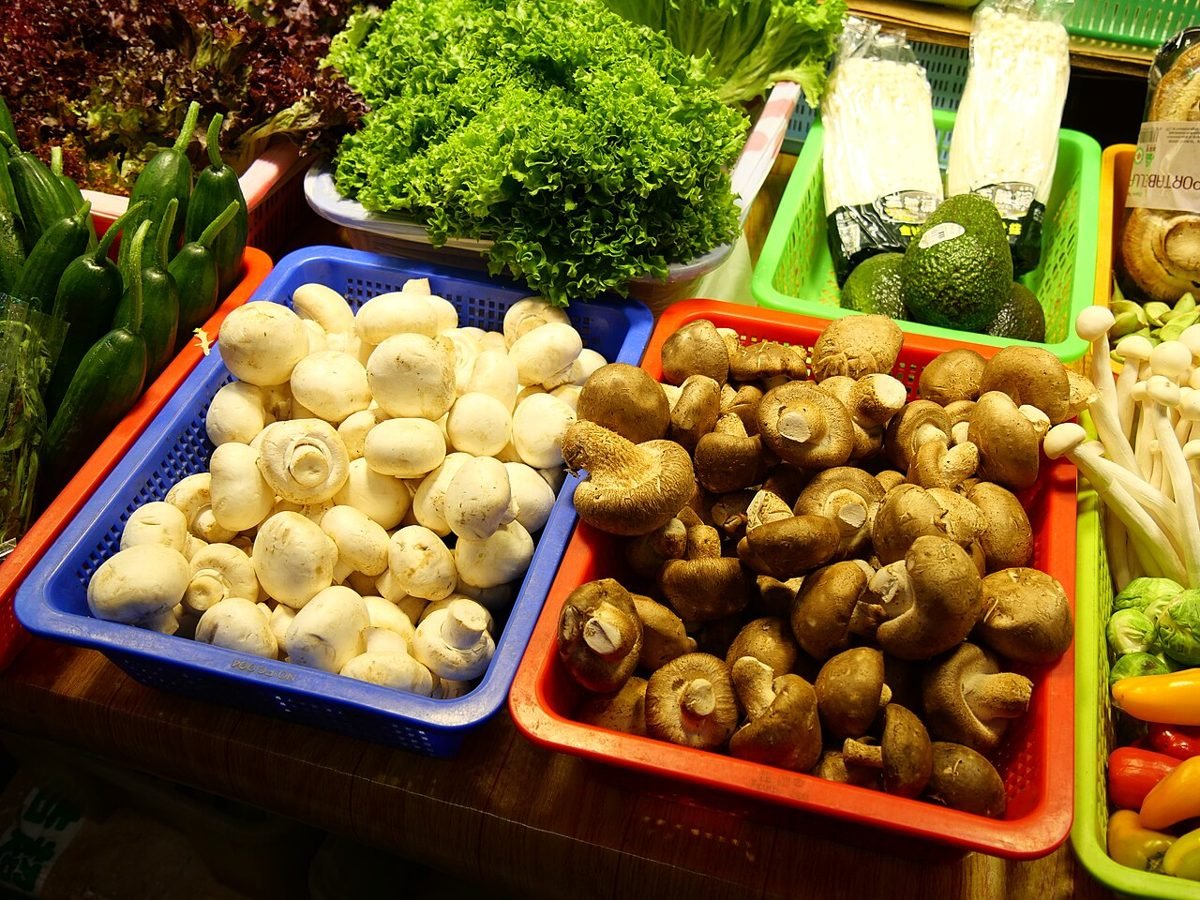
Last Tuesday I opened the fridge to make pasta and found the mushrooms I had bought on Saturday turned into a sad, wet pile. The punnet was sealed in plastic, the caps were dark and slippery, and the whole lot smelled faintly sour. I threw them away, and with them the money and the dinner plan. If that scene sounds familiar, you are not doing anything unusual. Most people store mushrooms the way they store every other vegetable, and mushrooms punish that habit faster than almost anything else in the fridge.
If you want to know how to keep mushrooms fresh longer in fridge without slime, the short answer is to keep them dry, cool, and able to breathe. A paper bag on a main fridge shelf, unwashed until you cook, will keep most fresh mushrooms firm for a week or more. Plastic bags and sealed containers trap the moisture mushrooms release, and that trapped moisture is exactly what turns them slimy. This guide explains why mushrooms go slimy so fast, the storage method that works best, how to handle sliced and cooked mushrooms, and how to tell when a mushroom is still safe to eat.
Think of this as a small story with a clear ending. A cook buys a punnet of mushrooms with good intentions, stores them badly for three days, and loses them. The same cook, with one paper bag and a different fridge shelf, keeps the next punnet firm for nine days and uses every last one. The difference is not a gadget or a special product. It is moisture control, and once you understand it, you will never lose another punnet to slime.
Why Mushrooms Turn Slimy So Fast
Mushrooms are more than 90 percent water, and they have no protective skin like an apple or a potato. Their surface is porous, so they absorb water easily and release it easily too. After harvest they keep breathing, which means they keep giving off moisture and warmth. In an open, airy spot that moisture drifts away. In a sealed plastic bag it has nowhere to go, so it condenses on the caps and in the corners of the bag. Bacteria love that warm, wet film, and within a day or two it becomes the slippery coating we call slime.
Temperature makes the problem worse. A fridge slows bacterial growth, but it does not stop it, and the crisper drawer is often the most humid part of the fridge. That humidity is great for leafy greens, which wilt when they dry out, but it is terrible for mushrooms, which spoil when they stay wet. Storing mushrooms in the crisper, still in their plastic wrap, combines the two worst conditions at once: high humidity and no airflow. The result is predictable, and it is why so many people believe mushrooms only last two days. They do last longer, but only when they are stored dry.
Washing makes things worse as well. Rinsing mushrooms before storage pushes water into their gills and pores, where it lingers. Even careful patting dry leaves moisture behind. That is why every reliable storage guide gives the same advice: do not wash mushrooms until you are ready to cook them. A quick brush or a wipe with a dry cloth removes loose dirt without adding water, and it is all the cleaning fresh mushrooms need before storage.
How to Keep Mushrooms Fresh Longer in Fridge Without Slime
Start with good mushrooms. Choose caps that feel firm and dry, with no dark spots, no wet patches, and no sour smell. A punnet that already smells off at the shop will not improve in your fridge, no matter how well you store it. If some mushrooms in a punnet are already soft, use those first and store only the firm ones for later in the week. One spoiling mushroom can speed up its neighbours, so sorting at the start is worth the minute it takes.
Move the firm mushrooms into a brown paper bag as soon as you get home. Fold the top over loosely, without sealing it tight. The paper absorbs surface moisture while still letting air move, which is the balance mushrooms need. Place the bag on a main shelf of the fridge, not in the crisper drawer, at a steady cold temperature. If you do not have a paper bag, wrap the mushrooms loosely in a dry paper towel and place them in a bowl, again on a main shelf. The towel plays the same role as the bag, absorbing moisture without sealing it in.
Check the bag every couple of days. If the paper towel feels damp, replace it with a dry one. If a mushroom has turned soft or dark, take it out so it does not affect the rest. Whole button mushrooms, cremini, and portobello caps stored this way usually stay firm for seven to ten days. Sliced mushrooms have more exposed surface, so they spoil faster, and you should plan to use them within three to five days. That difference matters when you are planning meals, so keep whole mushrooms whole until you need them, and slice only what you will cook that day.
What to Do With Different Types of Mushrooms
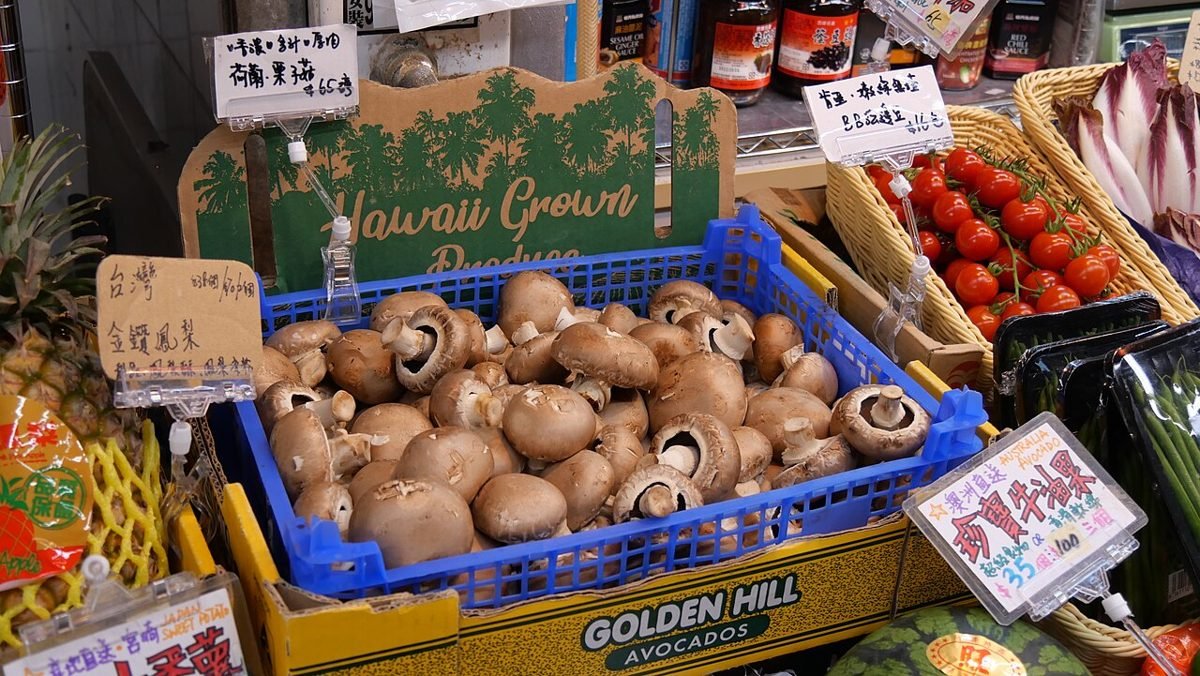
Not every mushroom behaves the same, but the dry and airy rule holds for all of them. Button mushrooms and cremini mushrooms are the most forgiving, and the paper bag method suits them perfectly. Portobello caps are larger and flatter, so lay them in a single layer in the bag if you can, rather than stacking them in a deep pile where the lower ones get crushed and damp. Shiitake mushrooms have a slightly tougher texture and often keep a day or two longer than button mushrooms, but they still suffer in sealed plastic.
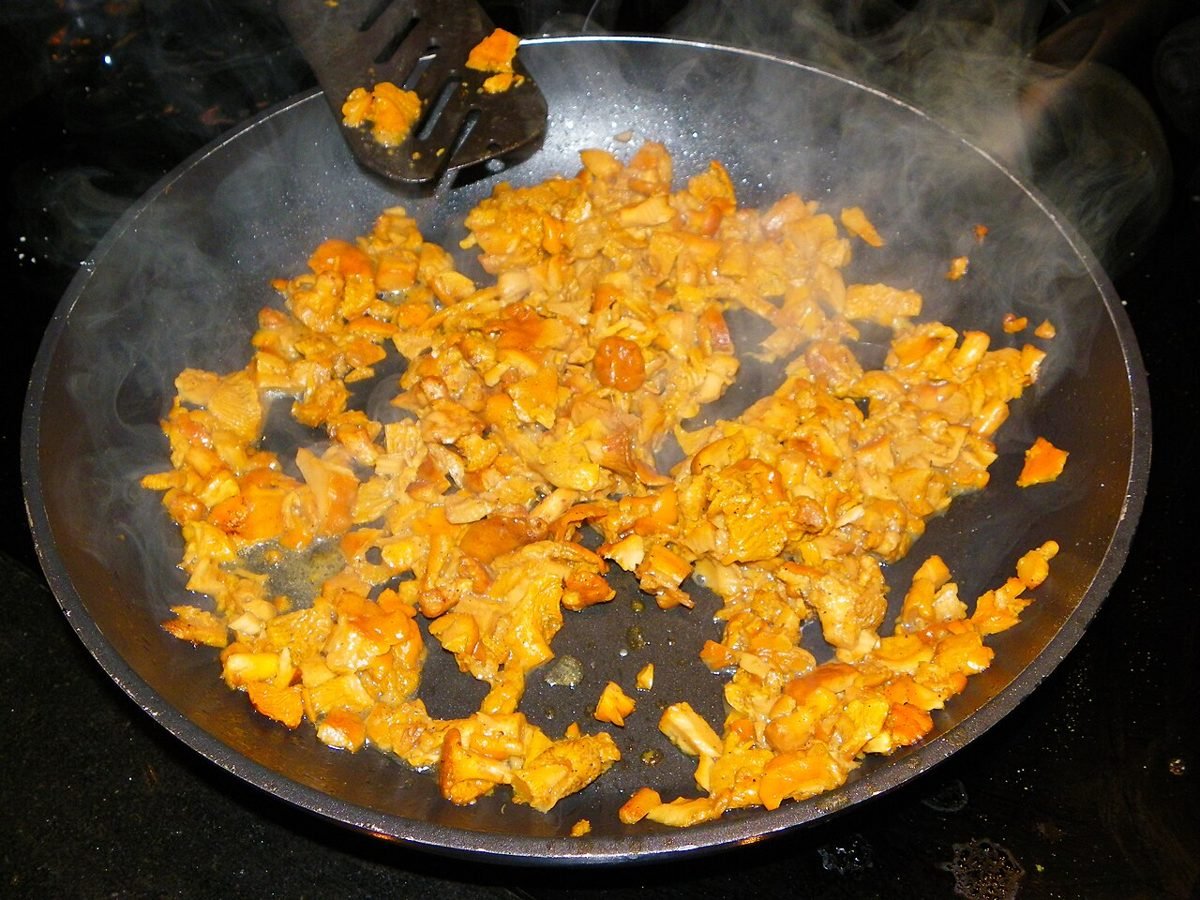
Delicate varieties need a little more care. Oyster mushrooms and enoki mushrooms bruise easily and dry out faster, so use them within a few days even with good storage. Keep them in a paper bag as well, but check them sooner, and do not pile heavy items on top of the bag. Wild mushrooms such as chanterelles should be brushed clean, stored in a paper bag, and used quickly, ideally within three or four days, because their flavour fades as they age even when they still look fine. For all types, the same warning applies: if a mushroom feels slimy, smells sour, or shows mould, throw it away rather than trying to rescue it by washing.
Dried mushrooms are a different case entirely, and they are worth keeping in mind as a backup. A packet of dried porcini or shiitake mushrooms lasts for months in a sealed jar in a cool cupboard, and a short soak in warm water brings them back for soups, sauces, and risottos. They will not replace fresh mushrooms in a salad or a stir fry, but they mean you always have mushrooms on hand even when the fresh punnet has run out. Think of dried mushrooms as insurance, not as a substitute for good fresh storage.
Mistakes That Cause Slime Even in the Fridge
The most common mistake is leaving mushrooms in the plastic punnet they came in. Many punnets are wrapped in cling film, which seals moisture in completely. Even punnets with small air holes often trap more moisture than they release once they are stacked under other shopping in the fridge. Transferring mushrooms to a paper bag takes less than a minute and is the single change that makes the biggest difference.
The second mistake is storing mushrooms near strong smelling foods. Mushrooms absorb odours easily because their surface is so porous. A bag of mushrooms stored next to cut onion or garlic can pick up those smells, and while that does not make them unsafe, it can ruin a delicate dish. Keep the mushroom bag on its own shelf area, away from onions, garlic, and other strongly scented foods, and do not store mushrooms in a container that previously held something pungent unless it has been washed and dried thoroughly.
The third mistake is washing mushrooms too early or soaking them. A quick rinse just before cooking is fine, especially if you dry them straight away in a salad spinner or with a clean towel. A long soak is not. Soaked mushrooms absorb water, cook unevenly, and brown poorly in the pan because the extra water has to steam off before they can sear. If you remember one rule for washing, make it this: wash late, wash briefly, and dry well.
How to Store Sliced and Cooked Mushrooms
Sliced mushrooms are convenient, but they are a compromise. Once you cut a mushroom you expose far more surface to air and bacteria, and the cut faces release moisture faster than whole caps do. If you have sliced more than you need, layer the slices between dry paper towels in a container with a loosely placed lid, not a tightly sealed one, and use them within three days. Do not store sliced mushrooms in a sealed plastic bag, where they will go slimy even faster than whole ones would.
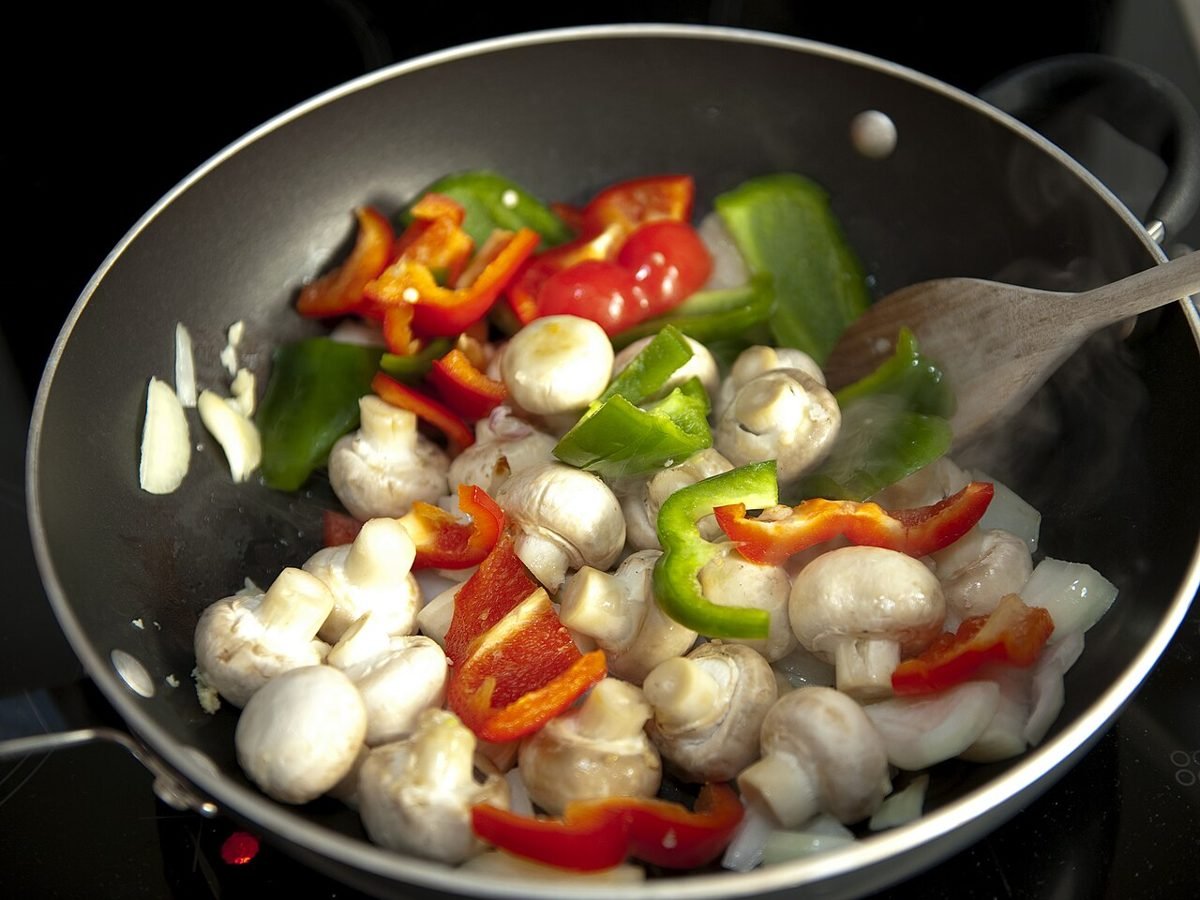
Cooked mushrooms are much easier to store. Once mushrooms have been sauteed, roasted, or cooked into a sauce, they can go into a sealed container in the fridge for three to five days, because cooking has driven off much of their water and killed surface bacteria. Let them cool to room temperature first, but do not leave them out for more than two hours. Cooked mushrooms also freeze well, which makes them a smart way to save a punnet that you cannot use in time. Cook first, cool, then freeze in small portions that you can drop straight into a future sauce or soup.
Freezing raw mushrooms is less successful. Raw mushrooms contain so much water that ice crystals damage their structure, and when they thaw they turn soft and watery. If you must freeze raw mushrooms, slice them, spread them on a tray to freeze individually, then bag them, and use them only in cooked dishes where texture matters less. For most home cooks, cooking before freezing gives a far better result and wastes less of the flavour you bought the mushrooms for.
How to Tell If Mushrooms Are Still Good
Use your senses, in this order: look, touch, and smell. Fresh mushrooms feel firm and dry, with caps that are smooth or only slightly wrinkled from natural drying. A mushroom that has shrivelled a little but still feels firm and smells earthy is usually fine to cook, especially in a soup or sauce where texture is less important. A mushroom that feels slimy, sticky, or wet to the touch has started to spoil and should be discarded, even if it still looks pale.
Dark spots alone do not always mean a mushroom is bad. Button mushrooms darken naturally with age, and a few brown patches on an otherwise firm cap are harmless. What matters is the combination: dark colour plus softness plus a sour or ammonia like smell means the mushroom has gone. Mould is a clear sign to discard as well, not just to trim. Mould on a soft, porous food like a mushroom can spread invisibly through the flesh, so cutting off the visible patch does not make the rest safe.
When in doubt, cook a small test batch rather than risking a whole dish, and trust your nose. A fresh mushroom smells earthy and mild. A spoiling mushroom smells sour, sharp, or like ammonia. That smell test is more reliable than any date on a packet, because storage conditions matter far more than the printed date. A punnet stored in a paper bag on a main shelf can outlast its date by days, while a punnet sealed in plastic in a warm fridge can spoil before its date arrives.
Using Mushrooms Before They Spoil
The best storage method still has a limit, so plan to use mushrooms while they are at their best. A simple weekly routine helps: buy mushrooms at the start of the week, store them in a paper bag, and plan two mushroom meals in the following days, one early and one later. A mushroom pasta or a stir fry early in the week uses the most delicate mushrooms, while a soup or a sauce later in the week can use mushrooms that have softened slightly but are still fresh.
If you reach day six or seven and still have mushrooms left, cook them rather than hoping for another few days. A batch of sauteed mushrooms with garlic and herbs keeps in the fridge for several more days and can top toast, fill an omelette, or enrich a pasta sauce. You can also blitz cooked mushrooms into a soup base and freeze it. Cooking at the right moment turns a potential waste into a head start on another meal, which is exactly what good kitchen storage should do.
For more kitchen storage guides, see how to keep bread fresh for longer, how to keep bananas fresh longer, and how to keep potatoes from sprouting.
Conclusion
Keeping mushrooms fresh longer in the fridge without slime comes down to three habits: keep them dry, keep them breathing, and keep them whole until you cook. A paper bag on a main fridge shelf does all three at once, and it costs almost nothing. Skip the sealed plastic, skip the crisper drawer, and do not wash mushrooms until cooking time. Check the bag every couple of days, use sliced mushrooms quickly, and cook any leftovers before they turn. With those habits, a punnet of mushrooms stops being a race against slime and becomes an ingredient you can rely on all week.
Frequently Asked Questions
How long do fresh mushrooms last in the fridge? Whole mushrooms in a paper bag on a main fridge shelf usually last seven to ten days. Sliced mushrooms last three to five days, and cooked mushrooms last three to five days in a sealed container.
Should mushrooms be stored in the crisper drawer? No, the crisper is usually too humid for mushrooms. A main fridge shelf with a paper bag gives better airflow and less trapped moisture, which keeps mushrooms firm for longer.
Can I wash mushrooms before storing them? It is best not to. Washing adds water that speeds up slime and spoilage. Brush off dirt instead, and wash mushrooms briefly just before cooking, then dry them well.
Are mushrooms safe to eat if they have dark spots? Small dark patches on a firm mushroom with a mild earthy smell are usually harmless ageing. Discard mushrooms that feel slimy, smell sour, or show mould.
Can I freeze mushrooms to keep them longer? Cooked mushrooms freeze well for months. Raw mushrooms freeze poorly and turn soft when thawed, so cook them first if you want to freeze a surplus.
