
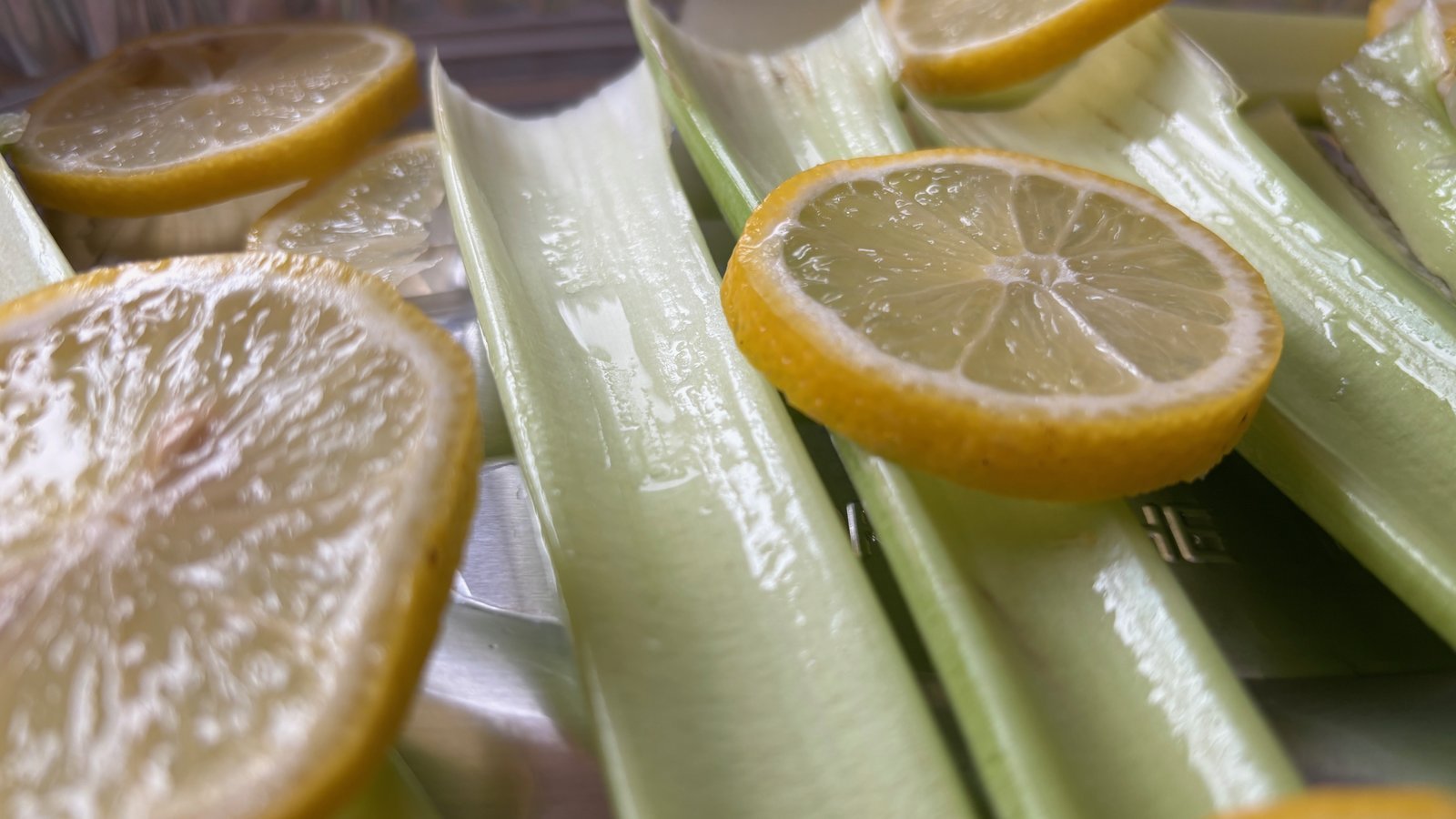
You buy a fresh bunch of celery for one recipe, use three stalks, and put the rest in the fridge with good intentions. By Thursday the stalks have gone soft, bendy, and sad, and most of the bunch ends up in the trash. If that sounds familiar, learning how to keep celery crisp in the fridge longer will save you money, cut food waste, and make weeknight cooking much easier.
Celery goes limp for a simple reason. The stalks are mostly water, and once they are cut from the plant they keep losing moisture to the dry air inside your fridge. The good news is that you can slow that moisture loss a lot with the right wrap, the right container, and a few small habits. This guide compares the methods that actually work, gives you realistic storage times for each one, and shows you how to rescue celery that has already gone soft.
Why Celery Goes Limp in the Fridge
Celery stays crisp because its cells are full of water pressing outward, a state plant scientists call turgor pressure. Think of each stalk like a water balloon. When water leaves the cells, the pressure drops and the stalk bends instead of snapping.
Your fridge speeds up that water loss. Cold air inside a refrigerator is dry, and an open bunch sitting on a shelf loses moisture every hour. Plastic bags from the store can make things worse in a different way. A sealed bag traps moisture on the surface, which encourages slime and rot, while still letting the stalks dry out unevenly.
Temperature matters too. Celery keeps best just above freezing, in a cold and humid spot. That is why the crisper drawer exists. It holds humidity higher than the main shelves, which suits celery, leafy greens, and other vegetables that wilt fast. Keep your fridge at or below 40 degrees Fahrenheit, and store celery away from fruit that gives off a lot of ripening gas, such as apples and bananas, since that gas can speed up aging.
How to Keep Celery Crisp in the Fridge Longer With Foil
The foil wrap method is the simplest way to keep a whole bunch crisp, and it is the method most home cooks stick with once they try it. Remove the celery from its store packaging, pull off any bruised or slimy outer stalks, and pat the bunch dry with a clean towel. Lay a sheet of aluminum foil on the counter, place the bunch on top, and wrap it snugly but not airtight. Leave the ends slightly open so a little air can move.
Foil works because it slows moisture loss while still letting gases escape. A sealed plastic bag traps gas and surface moisture, which leads to rot. Foil breathes just enough to avoid that problem while keeping the stalks protected from dry fridge air. Slide the wrapped bunch into the crisper drawer and leave it alone until you need it.
Expect a whole bunch wrapped in foil to stay crisp for about two weeks, and often longer if the bunch was fresh when you bought it. Check it once a week, remove any stalk that has gone soft or slimy, and rewrap the rest in fresh foil if the first sheet has torn or gone damp. This method needs almost no maintenance, which is why it suits busy households.
One mistake people make is wrapping wet celery. If you wash the bunch before wrapping, dry it thoroughly first. Surface water trapped against the stalks encourages mold, and mold spreads fast from one stalk to the rest of the bunch.
The Water Jar Method for Cut Celery Sticks
If you like celery ready to grab for snacks, lunch boxes, or dipping, the water jar method is your best friend. Trim the stalks, cut them into sticks, and stand them upright in a jar or tall container filled with cold water. Cover the jar loosely or pop a lid on top, and place it in the fridge.
Standing the sticks in water replaces the moisture they lose from their cut ends, so they stay crunchy and bright. Change the water every day or two so it stays clear and fresh. If the water turns cloudy or starts to smell, rinse the sticks, wash the jar, and refill it. With regular water changes, cut sticks stay crisp for about four to seven days.
This method also makes healthy snacking easier. When a jar of ready cut sticks is sitting at eye level in the fridge, you are far more likely to reach for celery with hummus or peanut butter than for a bag of chips. Keep the jar near the front of a shelf so it is the first thing you see when you open the door.

The Airtight Container Method
Another reliable option is an airtight container lined with a dry paper towel. Lay the cut sticks in a single layer if you can, place a dry paper towel on top to catch extra surface moisture, seal the lid, and refrigerate. The towel is the secret. Without it, condensation pools on the sticks and speeds up slime. With it, the sticks stay dry on the surface and moist inside.
Check the towel after a day or two. If it feels damp, swap it for a fresh one. That one small step can add several days to the life of your celery. Cut sticks stored this way usually last about three to five days, which is plenty if you plan to use them within the week.
For whole bunches, a large ventilated container also works. Place the bunch inside with the lid slightly open so air can move, and store it in the crisper drawer. This gives you a similar result to foil, with the added benefit that the container protects the stalks from being crushed by other food.
How to Choose Fresh Celery at the Store
Storage starts at the store, because no method can rescue a bunch that was already old when you bought it. Pick a bunch that feels heavy for its size, with stalks that snap cleanly when you bend one gently. The leaves should look bright green and fresh, not wilted or dark. Avoid bunches with brown spots, slimy patches, or a sour smell.
Check the base of the bunch. A firm, pale base with no soft spots is a good sign. If the outer stalks look dry or cracked, peel those away at home and keep the inner stalks, which are usually in better shape. Buying a smaller bunch more often beats buying a huge bunch that goes bad before you finish it.

How to Revive Limp Celery in Minutes
Do not throw limp celery away without trying a revival first. In many cases the stalks are only dehydrated, not spoiled, and they will crisp up again with a soak. Trim a small slice off the base of each stalk, which opens the cut end so water can enter, and stand the stalks upright in a container of ice cold water. Place the container in the fridge for one to two hours.
Most stalks will firm up noticeably in that time. If they are still slightly bendy, leave them for a few more hours. Once they snap again, dry them and store them using one of the methods above. This trick works best for celery that is limp but still smells fresh and shows no slime or dark spots.
Throw celery away if it feels slimy, smells sour, or has dark soft patches that do not rinse off. Those are signs of spoilage, and no amount of soaking makes spoiled celery safe to eat. When in doubt, trust your nose. Fresh celery smells clean and green, while spoiled celery smells sharp and unpleasant.
Common Mistakes That Make Celery Go Soft Faster
Storing celery next to ripening fruit is one of the most common mistakes. Apples, pears, bananas, and avocados release a natural ripening gas that speeds up aging in nearby produce. Keep celery in its own drawer or on a separate shelf, away from those fruits.
Leaving celery in its original tight plastic wrap is another mistake. That wrap traps moisture and gas in exactly the wrong balance, so the stalks go slimy on the outside while drying out inside. Take the bunch out of the store wrap as soon as you get home.
Washing the whole bunch before storage also causes trouble. Water left on the surface feeds mold, especially in the tight spaces between stalks. Wash only the stalks you are about to use, and keep the rest dry until you need them.
Finally, do not store celery in the fridge door. The door is the warmest part of the fridge, and its temperature swings every time you open it. The crisper drawer or a cold middle shelf gives celery the steady cold it needs.
How Long Does Celery Last in the Fridge
Storage times vary with freshness at purchase and fridge conditions, but these ranges are realistic for most home kitchens. A whole bunch wrapped in foil lasts about two weeks, and sometimes up to three weeks if it was very fresh. A whole bunch in a ventilated container lasts about one to two weeks. Cut sticks in water last about four to seven days with regular water changes. Cut sticks in an airtight container with a paper towel last about three to five days.
Use these ranges as a guide, not a promise. Check your celery before eating it, and rely on snap, smell, and appearance rather than the calendar alone. A stalk that still snaps and smells fresh is fine, even if it has been in the fridge for a while.
What to Do With Celery Before It Goes Bad
If you can see that you will not finish a bunch in time, cook with it before it turns. Celery adds flavor to soups, stews, stocks, and stir fries, and cooked celery does not need to be crisp. Chop the remaining stalks and freeze them in a bag for soup stock. Frozen celery loses its crunch, but it keeps its flavor beautifully in cooked dishes.
Celery leaves are also worth saving. They taste like a mild form of parsley and work well chopped into salads, grain bowls, and soups. Do not throw them away just because a recipe only calls for stalks.
Another smart move is to prep celery the day you buy it. Cut half the bunch into sticks for snacking and store them in water, and wrap the other half in foil for cooking later in the week. That way nothing sits forgotten in the back of the crisper drawer.
A Simple Weekly Celery Routine
Here is a routine that takes five minutes and keeps celery crisp all week. On shopping day, unwrap the bunch, remove damaged stalks, and wrap the rest in foil for the crisper drawer. If you want snacks ready, cut a few stalks into sticks and stand them in a water jar at the front of the fridge.
Midweek, check the foil wrapped bunch, remove any soft stalks, and change the water in the snack jar. On cooking day, pull what you need from the foil bundle and leave the rest wrapped. That is it. No special equipment, no extra shopping, and far less celery in the trash.
The story behind this guide is a familiar one. A bunch bought for soup on Sunday was limp by Thursday, and the cook nearly threw it away. A soak in ice water brought it back, and a switch to foil storage meant the next bunch lasted two full weeks. Small changes in storage make a big difference, and celery is one of the easiest vegetables to keep crisp once you know how.
Conclusion
Learning how to keep celery crisp in the fridge longer comes down to three ideas. Keep moisture inside the stalks, keep surface water off them, and keep them cold and steady in the crisper drawer. Foil works best for whole bunches, water works best for ready cut sticks, and a paper towel lined container is a solid backup for both.
Buy fresh, store dry, check weekly, and revive limp stalks with an ice water soak before you give up on them. Follow those habits and your celery will stay snappy from shopping day to the last stalk.
Frequently Asked Questions
Should I wash celery before storing it in the fridge?
No. Wash only the stalks you are about to use. Washing the whole bunch leaves surface water that encourages mold, so keep stored celery dry and rinse it just before eating or cooking.
Does wrapping celery in foil really work better than a plastic bag?
Yes, for whole bunches. Foil slows moisture loss while letting gases escape, while a sealed plastic bag traps gas and surface moisture, which leads to slime and faster spoilage.
How long do celery sticks last in water in the fridge?
Cut celery sticks in a water jar usually stay crisp for four to seven days if you change the water every day or two and keep the jar refrigerated.
Can I freeze celery to keep it longer?
Yes, for cooking. Chop the stalks and freeze them in a bag for soups and stocks. Frozen celery loses its crunch, so it is not suitable for raw snacking after thawing.
Is limp celery safe to eat after soaking it in ice water?
Yes, if it still smells fresh and shows no slime or dark soft spots. Soaking revives dehydrated stalks, but spoiled celery with a sour smell or slimy texture should be thrown away.
For more kitchen storage guides, see how to store fresh ginger root longer, how to keep bananas fresh longer, and how to keep potatoes from sprouting.
