
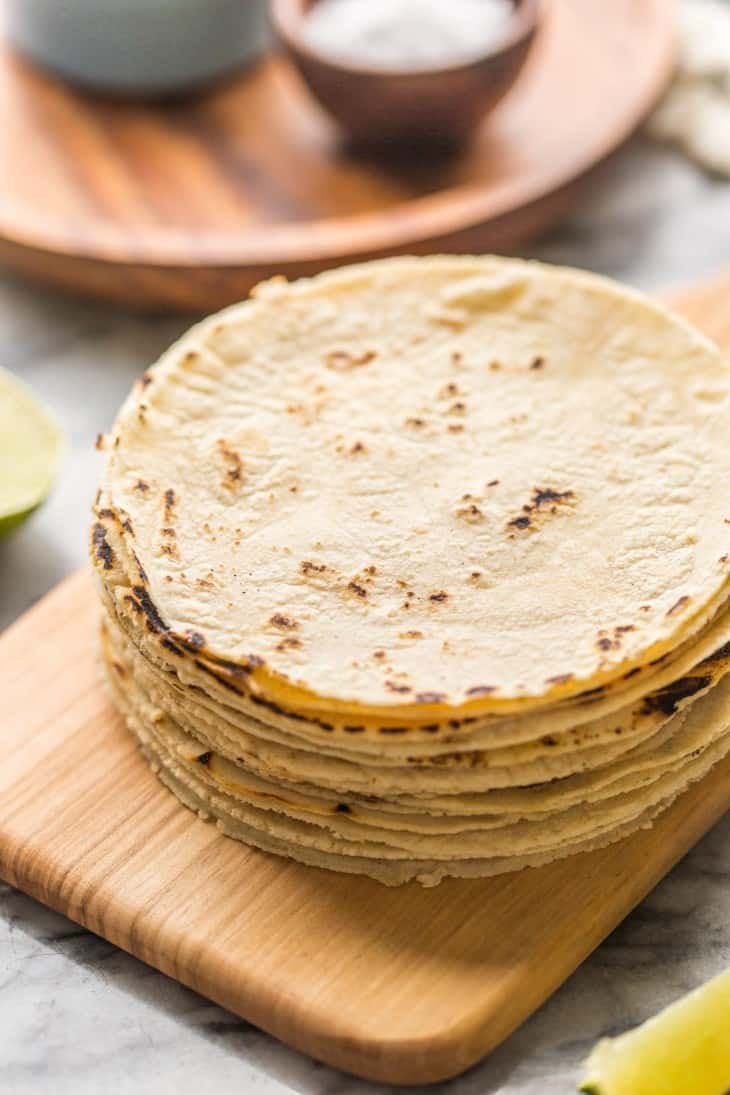
Elena opened a pack of corn tortillas on a Tuesday night, made tacos for her family, and sealed the rest of the pack with a clip. By Friday the tortillas felt like cardboard. They cracked when she folded them, tore at the edges, and turned a taco night into a salvage job. She had done nothing unusual. She had simply stored them the way most of us do, in the fridge, in their opened bag, and hoped for the best.
If you want to know how to keep tortillas soft after opening without drying out, the answer is not complicated, but it is specific. Tortillas dry out because they lose moisture to the air and because cold storage changes their starch. Both problems are fixable. With the right wrap, the right spot in your kitchen, and a few minutes of care when you reheat them, an opened pack can stay soft and foldable for days, and even a stiff tortilla can often be brought back.
This guide covers corn and flour tortillas separately, because they behave differently. It explains why tortillas go stiff, the storage method that works best for each type, how long each method lasts, what to do with leftovers that have already dried out, and the mistakes that ruin a pack fastest. By the end you will have a simple routine you can use every time you open a pack.
Why Tortillas Go Stiff After Opening
A tortilla is mostly starch and water. When it is fresh and warm, the starch holds water in a soft, flexible network. As soon as the tortilla cools and sits in air, two things happen. Moisture escapes from the surface, and the starch molecules slowly rearrange themselves into a firmer, more ordered structure. Food scientists call this second process retrogradation, but you only need to know the result: the tortilla firms up, loses its bend, and eventually cracks.
Refrigeration makes both problems worse, which surprises many people. Cold speeds up starch retrogradation, so a tortilla stored in the fridge can go stiff faster than one kept at room temperature, even though the fridge slows mold. That does not mean the fridge is always wrong. It means the fridge is a trade off. You gain shelf life and lose softness, unless you wrap the tortillas well and reheat them properly before serving.
Air is the other enemy. Every time you open the bag, take a few tortillas, and leave the bag loosely closed, dry kitchen air moves in and pulls moisture out, starting at the edges. Edges dry first, which is why a tortilla often cracks at the rim while the center still feels soft. A tight seal matters more than any fancy container, because a container full of air is barely better than an open bag.
The Best Way to Store Opened Tortillas
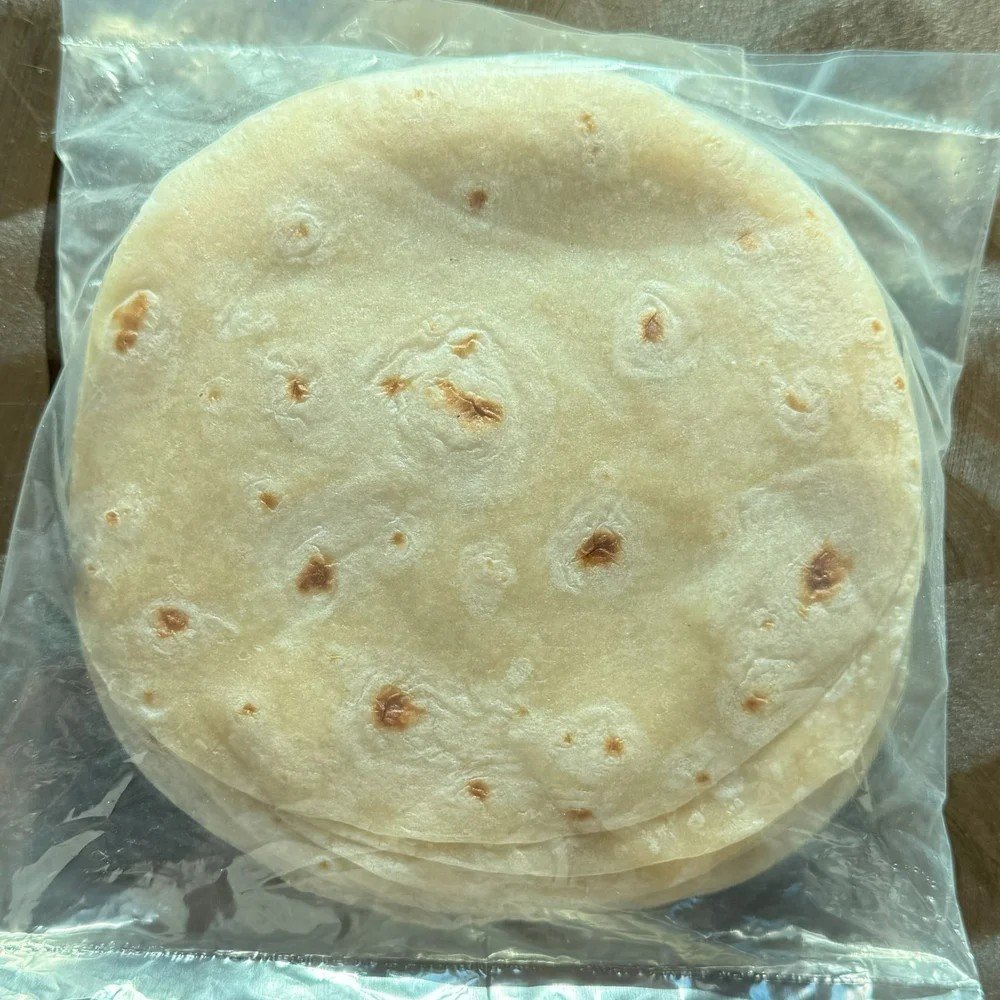
For most homes, the best everyday method is simple. Keep the tortillas in their original bag if it reseals, press out as much air as you can, and seal it tightly with a clip or a twist tie. Then put the bag inside a second zip top bag, again pressing out the air. The double layer slows moisture loss far better than a single loose bag, and it costs nothing extra.
Store the sealed bag in a cool, dry pantry spot away from the stove, the oven, and direct sunlight. Kitchen heat cycles, warm by day and cool by night, push moisture in and out of the bag and encourage condensation, which can lead to mold spots. A steady pantry shelf is better than a warm spot on top of the fridge.
If your tortillas came in a bag that does not reseal, transfer them to a zip top bag or an airtight container the day you open them. Lay them flat and do not fold the stack. A folded stack cracks along the fold line when you later try to flatten it. If the container is much larger than the stack, fill the extra space with a clean, dry kitchen towel so the tortillas are not swimming in air.
Use the tortillas within the time on the pack as a guide, but trust your senses more. Fresh corn tortillas kept this way usually stay good for about five to seven days at room temperature. Flour tortillas, which contain more fat, often last a little longer, around seven to ten days, but they can pick up a stale taste sooner. Discard any tortilla with mold, a sour smell, or a slimy feel, even if the date on the pack has not passed.
Corn Tortillas Need Different Care Than Flour Tortillas
Corn tortillas dry out faster than flour tortillas. They have less fat and less gluten to hold moisture, so they stiffen quickly and crack more easily. They also benefit most from reheating, because a brief warming relaxes the starch and restores flexibility for a short window. If you buy corn tortillas often, treat the pantry method as short term storage and the freezer as your longer term plan.
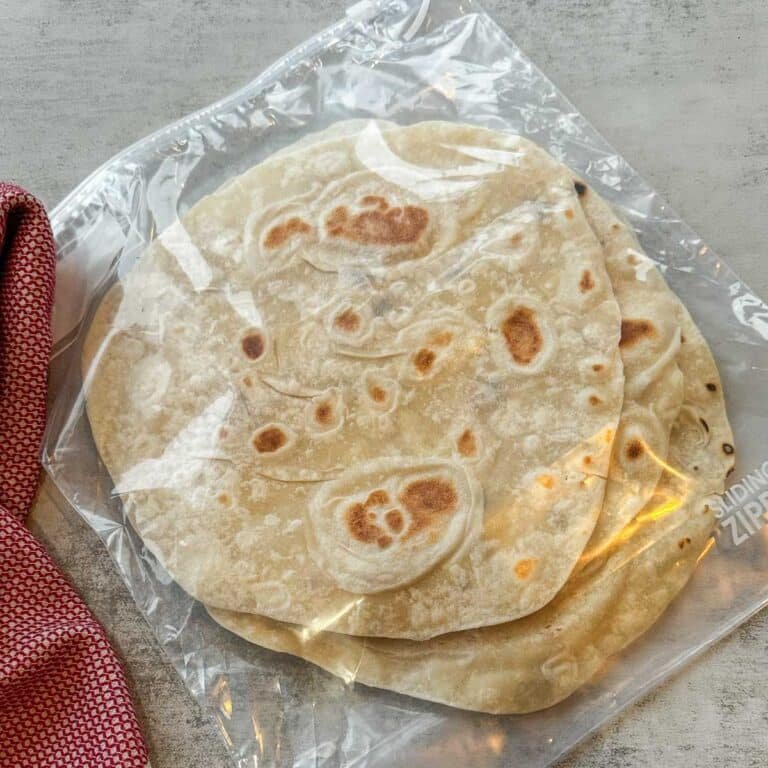
Flour tortillas are more forgiving. Their gluten network and higher fat content keep them pliable longer, and they usually survive a few extra days in the pantry. They are also more likely to go stale in flavor rather than crack in texture, so taste matters as much as bend when you judge them. A flour tortilla that still bends but smells stale is past its best, even if it looks fine.
One rule applies to both types: never store tortillas in the bag they came in once that bag has a tear or a broken seal. A torn bag is an open bag. Transfer the tortillas the same day, or they will dry out overnight. This single habit saves more tortillas than any container you can buy.
When the Fridge Helps and When It Hurts
Use the fridge when you will not finish the pack within a week, or when your kitchen is warm and humid. The cold slows mold and keeps the tortillas safe longer, often up to three weeks for flour tortillas and about two weeks for corn tortillas. But expect fridge stored tortillas to feel stiffer when you take them out. That stiffness is mostly reversible with proper reheating, which this guide covers below.
To fridge store well, wrap the tortillas tightly first. Keep them in their sealed bag, press out the air, and put that bag inside a second bag. Keep them flat in the main body of the fridge, not in the door, where temperature swings are largest. Do not store them near strong smelling foods without a sealed bag, because tortillas pick up odors easily.
Do not keep moving tortillas between fridge and pantry. Each move creates condensation inside the bag, and damp spots invite mold while the rest of the tortilla dries out. Pick one spot and leave them there until you use them. If you take the whole bag out for taco night, return the unused tortillas to the same spot right away.
Freezing Tortillas the Right Way
Freezing is the best option for a pack you will not finish soon. Frozen tortillas keep their quality for about three months, far longer than fridge storage, and they thaw quickly. The trick is to freeze them so they do not stick together and so you can take out only what you need.
Place a small square of parchment paper or wax paper between every two or three tortillas, then stack them and slide the whole stack into a freezer bag. Press out the air, seal, and label the bag with the date. The paper separators mean you can peel off two tortillas for lunch without thawing the whole stack, and you avoid the tearing that happens when frozen tortillas fuse together.
To use frozen tortillas, thaw them in the fridge overnight or on the counter for about 30 minutes, still sealed in the bag so condensation forms on the bag, not on the tortillas. Then reheat them as described below. Do not microwave a frozen stack straight from the freezer in its bag, because the outer tortillas will overheat while the center stays cold and stiff.
If you freeze tortillas often, consider dividing a large pack into smaller freezer bags of six or eight at a time. Smaller bags thaw faster, reduce waste, and keep the rest of the pack frozen and fresh while you use one portion.
How to Revive Stiff Tortillas Before Serving
Most stiff tortillas are not ruined. They just need moisture and gentle heat. The quickest revival is the damp towel microwave method. Stack up to four tortillas, cover them with a lightly damp paper towel, and microwave for 15 to 20 seconds. Check them, flip the stack if needed, and give them another 10 seconds at most. Overheating makes them rubbery, so stop as soon as they bend easily.
For a better result with a little more time, use a dry skillet. Heat a skillet over medium heat, place one tortilla in it for about 20 to 30 seconds per side, and keep it covered with a clean kitchen towel once it comes out. The dry heat relaxes the starch without adding sogginess, and the towel traps steam so the tortilla stays soft while you warm the rest. This is the method Elena now uses every taco night, and her Friday tortillas fold as well as her Tuesday ones did.
For a large batch, wrap a stack of tortillas in foil and warm them in a 300 degree Fahrenheit oven for about 10 minutes. Check after eight minutes. The foil holds in steam and warms the stack evenly, which is ideal when you are feeding a crowd. Keep the foil wrapped stack in a towel lined basket or a tortilla warmer until serving, because tortillas begin to stiffen again within minutes in open air.
One warning: do not try to revive a tortilla that has mold, a sour smell, or a slimy surface. Revival is for dry tortillas, not spoiled ones. When in doubt, throw it out. A fresh pack costs far less than a ruined meal.
Keeping Tortillas Soft During a Meal
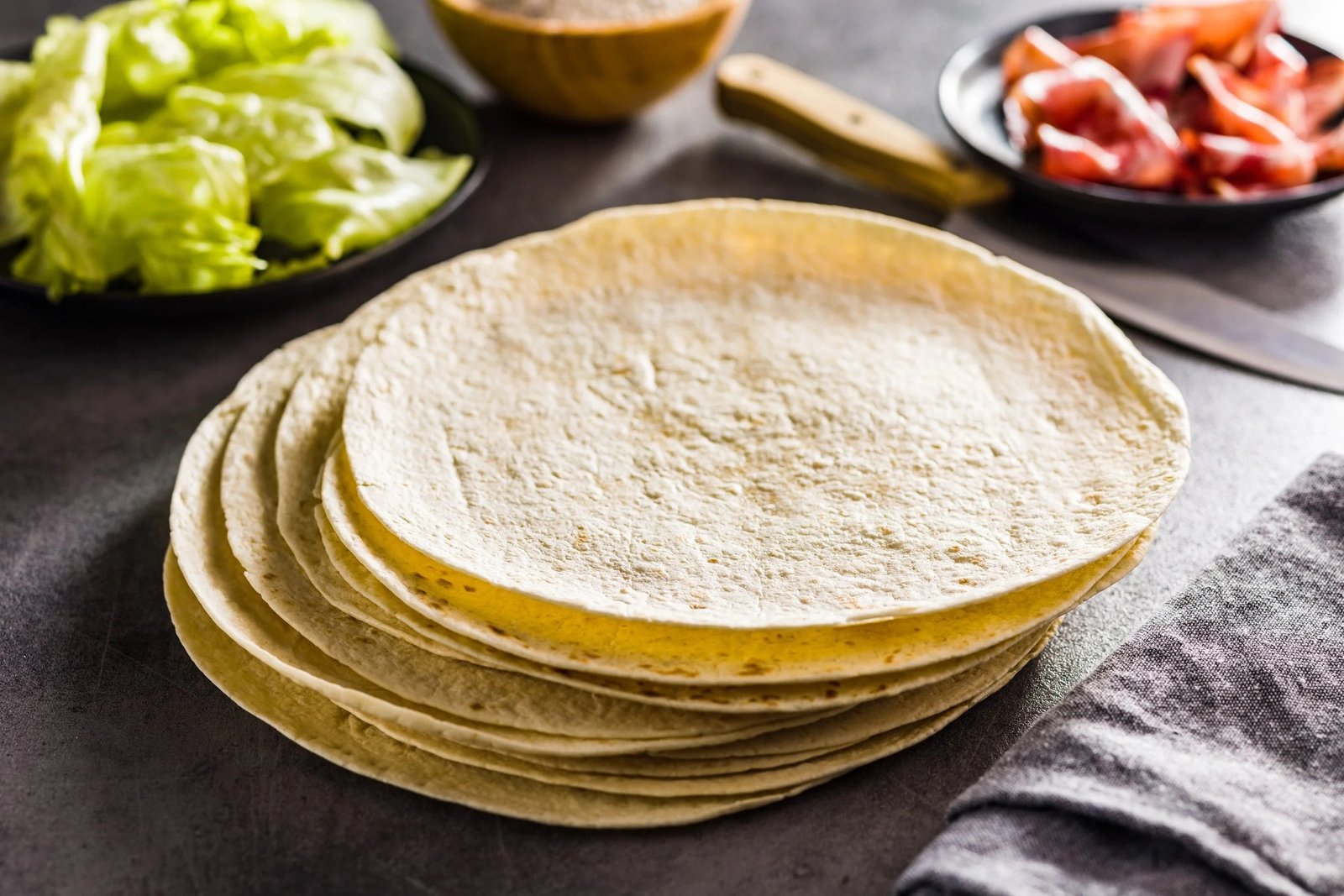
Even perfectly stored tortillas dry out fast on the table. The fix is to keep them covered until the moment they are used. A tortilla warmer, a clean kitchen towel folded over a plate, or a lidded basket all work. Warm tortillas in small batches of four or five rather than warming the whole pack at once, so the last tortilla served is as soft as the first.
If you are setting up a taco bar, place a damp, not wet, towel over the stack between servings and replace it if it dries out. A towel that is too wet makes tortillas soggy, while a dry towel does almost nothing. Lightly damp is the sweet spot, and it is worth checking halfway through the meal.
For packed lunches, wrap filled tortillas tightly in foil or beeswax wrap rather than leaving them in an open container. A tight wrap keeps moisture in and prevents the tortilla from drying against the air in a lunch bag. Eat filled wraps within a few hours, and keep them cool if the filling contains meat, cheese, or other perishable foods.
Common Storage Mistakes That Dry Tortillas Out
The most common mistake is leaving the bag open on the counter after cooking. Even an hour of open air can dry the top tortillas noticeably, and overnight exposure can ruin the top half of the stack. Seal the bag before you sit down to eat, not after you have cleared the table.
The second mistake is storing tortillas on top of warm appliances or near a sunny window. Heat speeds moisture loss and encourages mold in the same bag, an unhappy combination. A pantry shelf away from heat sources is always safer.
The third mistake is refrigerating tortillas in a loose bag and then serving them cold. Cold, loosely wrapped tortillas are at their stiffest, and serving them that way makes even a good pack seem bad. Always reheat fridge stored tortillas before judging them. Many packs that look ruined in the fridge fold perfectly after 20 seconds in a skillet.
The fourth mistake is stacking warm tortillas in a sealed bag right after cooking homemade tortillas. Trapped steam makes them soggy, and then they dry unevenly. Let homemade tortillas cool for a few minutes on a towel, then stack and seal them once they are warm, not hot.
Finally, do not buy more than you will use. Tortillas are inexpensive, and a smaller pack used within a week beats a bulk pack that spends a month in the fridge. If you find yourself throwing tortillas away often, switch to a smaller pack size or freeze half the pack on the day you open it.
Homemade Tortillas: A Shorter Clock
Homemade tortillas have no preservatives, so their clock runs faster. At room temperature in a sealed bag, they stay at their best for about two to three days. In the fridge, they last about a week. In the freezer, with paper separators, they keep well for about two months.
The same storage rules apply, with one extra step. Cool homemade tortillas on a clean towel for about 10 minutes before stacking them, so surface steam escapes. Then stack, seal, and store them the same way as store bought tortillas. Reheat them in a dry skillet for the best texture, since homemade tortillas respond beautifully to direct heat.
If you make tortillas in a large batch, freeze most of the batch the same day. A tortilla frozen on the day it is made tastes far better after thawing than one that spent a week in the fridge first. Label the bags so you use the oldest batch first.
How Long Do Opened Tortillas Last
As a quick reference, opened corn tortillas last about five to seven days in the pantry, about two weeks in the fridge, and about three months in the freezer. Opened flour tortillas last about seven to ten days in the pantry, about three weeks in the fridge, and about three months in the freezer. Homemade tortillas last about two to three days in the pantry, about a week in the fridge, and about two months in the freezer.
These are guides, not guarantees. Temperature, humidity, how tightly the bag is sealed, and how often the bag is opened all shift the numbers. Your eyes, nose, and hands are the final judges. A tortilla that bends, smells fresh, and has no spots is good, whatever the calendar says. A tortilla with mold or a sour smell is done, even if it is within the guide range.
Keeping tortillas soft also connects to other kitchen storage habits. The same sealed bag and cool pantry approach that keeps bread fresh for longer works for tortillas, and if you cook with fresh produce often, our guide to keeping mushrooms fresh longer in the fridge without slime uses the same moisture control idea in a different form.
Frequently Asked Questions
Should tortillas be stored in the fridge or the pantry?
Use the pantry for a pack you will finish within a week, and the fridge for longer storage. The pantry keeps tortillas softer, while the fridge keeps them safe longer. Either way, seal the bag tightly and reheat before serving.
Why do my tortillas crack when I fold them?
Cracking usually means the tortillas have lost moisture or were served cold. Warm them in a dry skillet or under a damp towel in the microwave for a few seconds, and they should fold again. Corn tortillas crack more easily than flour tortillas, so warm them one at a time for the best result.
Can I freeze tortillas in their original bag?
You can, but it works better if you add paper separators and transfer the stack to a freezer bag with the air pressed out. Separators let you take out a few tortillas at a time without thawing the whole pack or tearing frozen tortillas apart.
How can I tell if a tortilla has gone bad?
Look for mold spots, a sour or off smell, a slimy feel, or a stale taste that reheating does not fix. Dryness alone does not mean a tortilla is bad, but mold or a sour smell means it should be discarded.
Do flour and corn tortillas need different storage?
The method is the same, but the timing differs. Corn tortillas dry out faster and benefit most from freezing, while flour tortillas stay pliable longer in the pantry. Both need a tight seal, a cool spot, and reheating before serving.
Conclusion
Keeping tortillas soft after opening comes down to three habits. Seal the bag tightly every time, store the pack in a cool and steady spot, and reheat before serving. Use the pantry for short term storage, the fridge when you need more time, and the freezer for packs you will not finish soon. Add paper separators before freezing, warm tortillas in small batches, and keep them covered on the table.
Elena now freezes half of every large pack on the day she opens it, seals the rest in a double bag, and warms tortillas in a dry skillet while dinner finishes. Her Friday tacos fold cleanly, her tortillas last the week, and she has stopped throwing packs away. Try the same routine with your next pack. It takes about a minute, and it turns a common kitchen frustration into a problem you no longer think about.
