
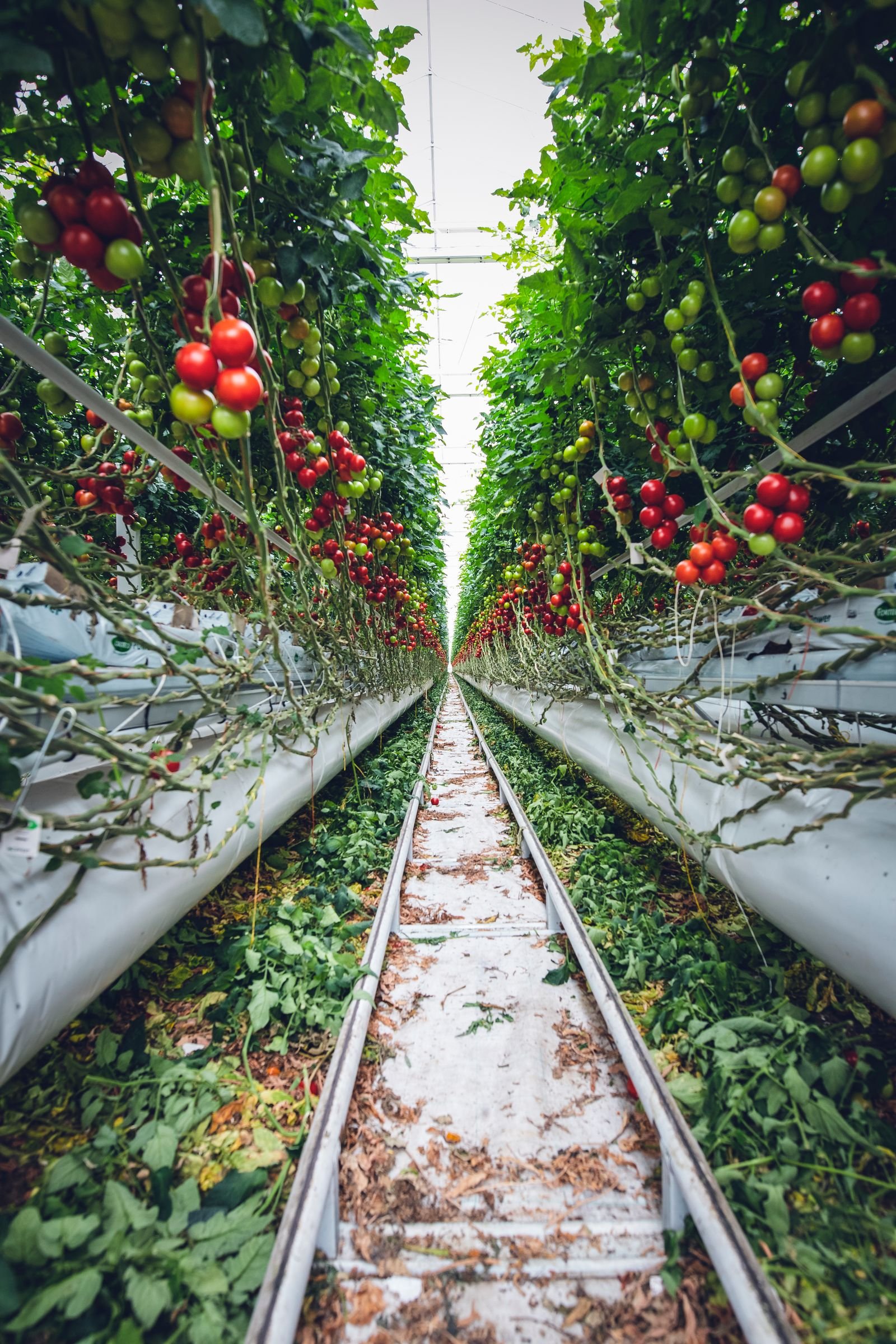
It was a hot afternoon in late July when I walked out to check on my tomato plants. The morning had started well, with the plants standing tall and the leaves spread wide to catch the sun. By mid afternoon, the picture had changed. The top leaves had rolled inward along the edges, like tiny green scrolls, and a few of the lower leaves looked limp and tired. My first thought was that the plants were dying. My second thought was that I had done something wrong. If you have ever asked yourself, why are my tomato plant leaves curling up, this guide has the answer. Curling leaves are one of the most common tomato problems in home gardens, and the good news is that most cases are easy to fix once you know what to look for. You will learn how to read the curl pattern, find the real cause, and take the exact steps that help your plants recover and keep producing fruit.
Why Are My Tomato Plant Leaves Curling Up
Tomato leaves curl as a response to stress. When a plant feels threatened by heat, dry soil, or a sudden change in its routine, it rolls its leaves inward to reduce the surface that loses water to the air. Think of it as the plant pulling its shoulders in to protect itself. In most gardens, this is a short term reaction, not a sign that the plant is doomed. The most common cause is a harmless condition called physiological leaf roll, which shows up on older leaves first and rarely hurts the harvest. Other causes need more attention, including pests, plant viruses, and spray drift from weed killers used nearby. The trick is to look closely before you act, because the shape of the curl tells you a lot about what is happening underground and in the air around your plants.
Before you reach for a spray bottle or a bag of fertilizer, take ten quiet minutes to study your plants. Check which leaves are curling, whether the curl points up or down, and whether the plant shows other symptoms such as yellow patches, spots, or stunted new growth. A plant that is still growing, flowering, and setting fruit is almost always dealing with a simple stress problem. A plant that has stopped growing, with twisted new leaves and yellow mottled patterns, may be fighting something more serious. This guide walks through each possibility in order, from the most common and most fixable to the rare problems that call for tougher decisions.
Read the Curl Pattern Before You Do Anything
Learning to read what leaves tell you is a skill that helps with every plant you grow, from tomatoes in the garden to the houseplants on your windowsill. If your indoor plants send mixed signals too, this guide to why a snake plant leans to one side shows how posture and leaf shape point to the cause. With tomatoes, the curl pattern is your first and best clue. Match what you see to one of the three patterns below and you will narrow the cause in minutes.
Leaves Rolling Upward Along the Edges
This is the pattern most gardeners see. The edges of the leaflets roll upward and inward, toward the center vein, forming a tube or a scroll. It usually starts on the older, lower leaves and moves up the plant slowly. The leaves stay green, the plant keeps growing, and fruit continues to set and ripen normally. This is classic physiological leaf roll. It often appears after a hot spell, after heavy pruning, or when watering has been uneven. Some tomato varieties are simply more prone to it than others, especially large indeterminate types that grow tall all season. Upward rolling on its own is rarely a reason to worry, and it rarely needs treatment beyond steadier watering and a little shade during the hottest part of the day.
Leaves Curling Downward or Cupping Like a Spoon
When leaves curl downward, cup under, or look thick and leathery, the problem usually sits at the roots. Overwatering is a leading cause, because soggy soil starves roots of oxygen and the plant responds by curling its leaves down. Too much nitrogen fertilizer can cause the same look, often with very dark green, lush growth that seems healthy at first glance. Herbicide drift can also push leaves downward, but those leaves usually twist and distort at the same time, which sets that problem apart. Start by checking the soil with your finger. Push it two inches into the ground near the base of the plant. If the soil feels wet and heavy, hold off on watering and let the top layer dry out. If it feels dry and dusty, the plant is thirsty and needs a deep drink.
Leaves Twisting With Yellow Patches or Stunted Growth
This pattern is the one to take seriously. New leaves come out small, twisted, or narrow, and yellow patches or a mosaic pattern spread across the leaf surface. Growth slows or stops, flowers drop without setting fruit, and the whole plant looks stunted next to its neighbors. These are the classic signs of a plant virus or a heavy pest attack. Aphids and whiteflies can spread viruses as they feed, and broad mites are so tiny that you will never see them without a magnifier, yet they can twist new growth badly. If you see this pattern, skip the general fixes and go straight to the pest and virus sections below. Fast action matters here, because viruses spread from plant to plant and a sick plant can put the whole bed at risk.
The Most Common Causes and How to Fix Each One
Most curled tomato leaves trace back to one of six everyday causes. Work through them in order, starting with the easiest checks. In many gardens, fixing the first two on this list solves the problem within a week.
Heat and Intense Sun
Tomatoes love warmth, but there is a limit. When daytime temperatures climb above 85 degrees Fahrenheit, plants start to struggle, and when the air passes 90 degrees Fahrenheit, leaf curl becomes very common. The plant rolls its leaves to cut down on water loss, the same way you might squint in bright light. Fruit set also suffers in extreme heat, with flowers dropping before they can turn into tomatoes. The fix is simple shade and steady moisture. Drape shade cloth over the plants during the hottest hours, or rig a light sheet on stakes to break the afternoon sun. Water deeply in the early morning so the roots are full before the heat arrives. A thick layer of mulch, three to four inches of straw or shredded leaves, keeps the soil cooler by several degrees and slows evaporation through the day. In most cases, leaves relax again once temperatures drop back into the 70s and low 80s.
Inconsistent Watering
Tomatoes are fussy about water. They want soil that stays evenly moist, never swinging between bone dry and soaking wet. A long dry spell followed by a heavy watering is one of the fastest ways to trigger leaf roll. The roots take up a sudden rush of water, the plant cannot use it all at once, and the leaves curl in response. Aim for about one to two inches of water per week, delivered in deep soakings two to three times a week rather than a light sprinkle every day. Water at the base of the plant, not over the leaves, and water early in the day so the foliage dries quickly. A soaker hose or a drip line makes this much easier and keeps the routine steady even when life gets busy. Mulch helps here too, holding moisture in the soil between waterings and smoothing out the wet and dry swings that stress the roots.
Too Much Nitrogen Fertilizer
It feels natural to feed a struggling plant, but too much nitrogen often makes leaf curl worse. Heavy feeding pushes the plant to grow masses of soft green leaves, and those leaves roll and cup as they outgrow what the roots can support. The plant looks dark green and vigorous, which fools many gardeners into feeding it even more. If you have fertilized heavily in the last few weeks, or if you used fresh manure or a high nitrogen lawn fertilizer near the bed, this is a likely cause. Stop feeding right away. Water deeply once to help flush extra salts from the root zone, then wait and watch. Use a balanced fertilizer only when the plant truly needs it, and always follow the label rate. Less is more with tomatoes, and a plant fed lightly will out produce an overfed one over the full season.
Pruning Too Hard or Too Fast
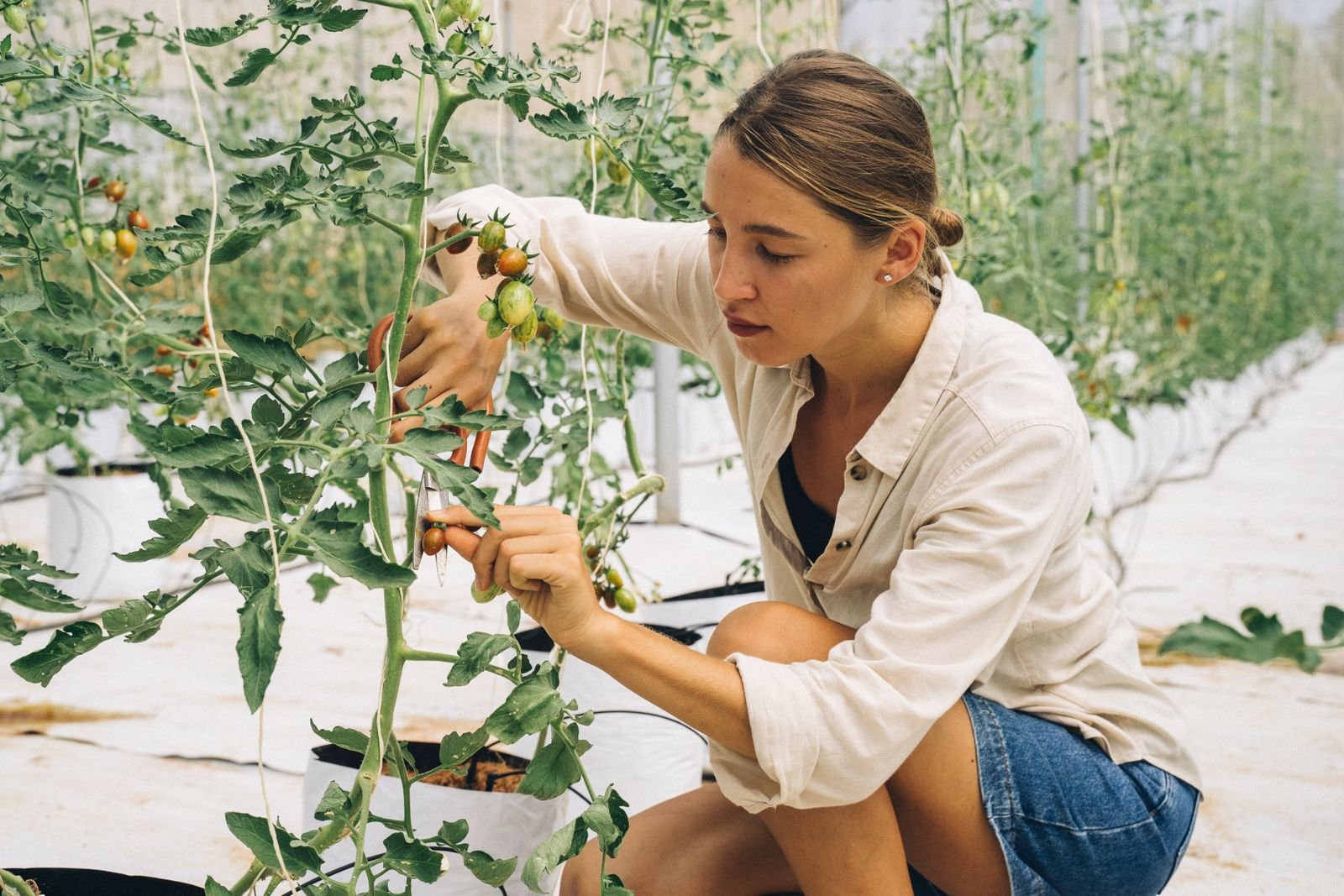
Pruning helps tomato plants by improving airflow and sending energy to the fruit, but removing too much foliage at once shocks the plant. A good rule is to never take more than one third of the leaves in a single session. When a plant loses a large share of its leaves on a hot day, the remaining leaves curl to protect themselves from the sudden extra sun and water loss. Prune a little at a time, in the morning, so the plant has the full day to adjust. Focus on suckers, the small shoots that grow in the joint between the main stem and a leaf branch, and on lower leaves that touch the soil. Leave enough healthy foliage to shade the fruit, because sun scorched tomatoes are a common side effect of over pruning. Clean, sharp pruners make smooth cuts that heal fast, and wiping the blades between plants stops disease from moving down the row.
Transplant Shock
Young tomato plants often curl their leaves in the first week after moving outdoors. The move from a sheltered windowsill or greenhouse to open sun and wind is a big change, and the plant needs time to adjust. Leaves may roll, wilt in the afternoon, and then recover by evening. This is normal if the plant perks up again overnight. Harden plants off before transplanting by setting them outside for a few hours a day over a full week, building up to a whole day in the sun. Plant on a cloudy day or in the late afternoon, water the hole well before you set the plant in, and give the new transplant a light shade cover for the first two or three days. Within a week, new growth should look flat and healthy, which tells you the plant has settled in.
Wind and Physical Stress
Strong wind dries leaves fast and can batter a tomato plant all day long. Plants in open, exposed spots often show curled leaves on the windward side first, with the sheltered side looking normal. The fix is support and shelter. Tie plants to sturdy stakes or cages early in the season, before the stems get tall and heavy. A simple windbreak made from garden fabric on posts, or a row of tall companion plants such as sunflowers, can cut the wind enough to make a real difference. After a storm, check the ties and straighten any leaning stems gently. Plants usually recover from wind stress within a few days once they are supported and watered well.
Pests That Make Tomato Leaves Curl
Several common pests feed on tomato leaves and cause curling as they go. Aphids cluster on the undersides of young leaves and on tender shoot tips, sucking sap and leaving the leaves twisted and sticky with honeydew. Whiteflies rise in a small white cloud when you brush the plant, and their feeding causes yellowing and curling on new growth. Broad mites are invisible to the naked eye, but their damage is easy to spot: new leaves come out twisted, stiff, and bronzed. Spider mites thrive in hot, dry weather and leave fine webbing plus tiny pale speckles on the leaves.
Start by looking under the leaves with a magnifier, because that is where most of these pests hide. A strong blast of water from the hose knocks aphids and spider mites off the plant and is often enough for a light attack. For heavier problems, insecticidal soap sprayed on the undersides of the leaves works well and is gentle on helpful insects when used in the evening. Neem oil is another solid option for a mixed pest problem. Avoid broad spectrum insecticides, which kill ladybugs and lacewings, the natural hunters that keep aphid numbers down. Yellowing leaves are a warning sign worth learning to read on every plant you keep, and the same close look that catches tomato pests also helps indoors, as explained in this guide to houseplant leaves turning yellow. Check your plants every few days through the season, because catching pests early is always easier than fighting a full outbreak.
Tomato Viruses and Herbicide Drift Are the Red Flags
Two problems stand apart from everyday stress, and both need quick, firm action. The first is virus. Tomato yellow leaf curl virus, spread by whiteflies, makes new leaves small, yellow at the edges, and curled upward into cups, while the plant stops growing and sets little or no fruit. Curly top virus, spread by leafhoppers, stunts the whole plant and twists the leaves upward with purple veins. There is no cure for a plant virus. Once a plant is infected, it stays infected. The right move is to pull the plant out, bag it, and put it in the trash, never in the compost pile, so the virus cannot spread to healthy neighbors. Then control the insects that carry it: use reflective mulch to confuse whiteflies, hang yellow sticky traps near the bed, and cover young plants with fine insect netting early in the season.
The second red flag is herbicide drift. Weed killers meant for lawns can travel on the wind, sometimes from a surprising distance, and tomato plants are very sensitive to them. The signs are hard to miss: leaves twist into strange narrow shapes, stems bend and curl, and new growth looks fern like and distorted. The damage often appears overnight after a neighbor sprays on a breezy day, or after compost made with treated grass clippings goes onto the bed. There is no spray that reverses it. Lightly affected plants may outgrow the damage over several weeks if you water well and remove the worst leaves, but badly twisted plants rarely recover and are best removed. To prevent a repeat, talk with neighbors before they spray, keep a buffer of tall plants between your garden and nearby lawns, and never use grass clippings from a treated lawn as mulch or compost.
A Simple 7 Day Recovery Plan
If you have worked through the causes above and you are still wondering why are my tomato plant leaves curling up, this short plan helps the plant bounce back. It works for heat, watering, and pruning stress, which cover most cases of curled leaves.
- Day 1: Check the soil with your finger and look under the leaves for pests. Write down what you find so you can compare later in the week.
- Day 2: Give the plants a deep watering at the base and spread mulch three to four inches thick around each plant, keeping it a few inches away from the stem.
- Day 3: Add shade cloth or a light cover for the hottest afternoon hours, and stake or tie any leaning stems.
- Day 4: Inspect the new growth. If pests are present, spray the undersides of the leaves with insecticidal soap in the evening.
- Day 5: Feed only if the plant truly needs it. A light dose of balanced fertilizer is enough, and skip feeding entirely if you suspect nitrogen overload.
- Day 6: Prune lightly if needed, removing only suckers and leaves that touch the soil. Leave the rest of the foliage alone.
- Day 7: Compare the plant with your notes from day one. New growth should look flat and healthy, even if the older curled leaves stay rolled. That is your sign that the recovery is working.
Be patient with the older leaves. Leaves that have already curled often stay curled, even after the cause is fixed. What matters is the new growth. Fresh leaves that open flat and green tell you the plant is happy again, and that is the real measure of success.
How to Prevent Leaf Curl Next Season
A little planning in spring saves a lot of worry in summer. Choose varieties known for disease resistance and heat tolerance, especially if your garden has had virus problems before. Give each plant room to breathe, with spacing of two to three feet between plants so air moves freely and leaves dry fast after rain. Prepare the soil with plenty of compost before planting, which holds moisture evenly and feeds the soil life that keeps roots healthy. Set up stakes, cages, and drip lines at planting time, not after the plants are already tall and stressed. Mulch the day you plant, and keep the mulch topped up through the season.
Keep your tools in good shape as well, because clean cuts heal faster and carry less disease from plant to plant. Wipe pruners with rubbing alcohol between plants, and store them dry. If your tools have seen better days, this guide to remove rust from garden tools walks through bringing them back to life before the season starts. Finally, keep a simple garden notebook. A few lines each week about watering, weather, and what the leaves look like will make next year easier, because you will see patterns that are invisible when you rely on memory alone.
When to Pull a Plant and Start Over
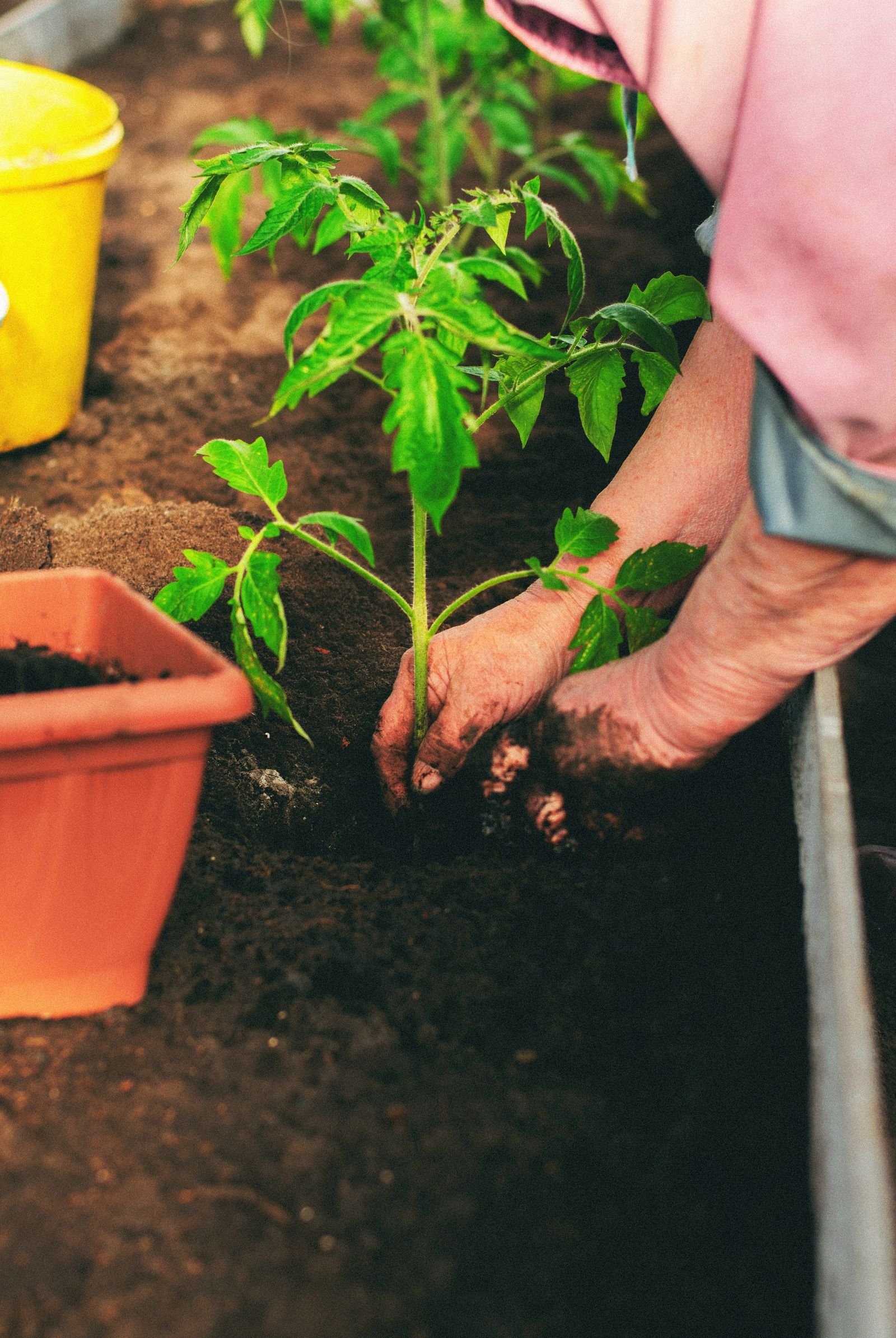
Sometimes the kindest choice is to remove a plant. Pull it out if a virus is confirmed, if herbicide damage has twisted most of the new growth, or if the plant has not improved two weeks after you fixed the watering, shade, and feeding. A sick plant left in the bed can spread virus to healthy neighbors through insects, and it takes up water, space, and sunlight that a healthy replacement could use. Bag the plant and throw it in the trash. Clean your hands and tools before touching other plants. Then plant a fresh seedling in a different spot, or fill the gap with a fast growing crop such as bush beans. Letting go of one plant often saves the rest of the bed, and a new seedling planted in midsummer can still give you a solid harvest before the first frost.
Frequently Asked Questions
Will curled tomato leaves straighten out again?
Sometimes. Leaves that curled from a short hot spell or a missed watering often relax once conditions improve. Leaves that have been rolled for weeks usually stay rolled, but that is fine as long as the new growth opens flat and green. Judge the plant by its newest leaves, not its oldest ones.
Should I remove curled leaves from my tomato plants?
Leave healthy curled leaves in place, because they still make food for the plant through photosynthesis. Remove leaves only if they are yellow, spotted, dried out, or clearly diseased. When you do prune, take a few at a time and always use clean, sharp pruners.
Does leaf curl mean my tomatoes will not produce fruit?
Usually not. Mild physiological leaf roll rarely affects the harvest at all, and most plants with curled leaves still produce a good crop. The exception is virus infection, which can cut yields sharply. If fruit is still setting and ripening, your harvest is safe.
How often should I water tomato plants in hot weather?
Water deeply two to three times a week, aiming for one to two inches of water in total. Water at the base in the early morning and keep mulch on the soil to hold moisture. If the top two inches of soil feel dry, it is time to water again. Avoid daily light sprinkles, which keep roots shallow and make curl worse.
Can herbicide drift curl tomato leaves even from far away?
Yes. Weed killers can drift on the wind from a neighbor yard or a nearby field, and tomatoes are among the most sensitive garden plants to these sprays. Twisted, narrow, fern like new growth that appears overnight is the classic sign. Prevention is the only real defense, so talk with neighbors before they spray and keep a buffer of tall plants around the garden.
Final Takeaways
So, why are my tomato plant leaves curling up? In most gardens, the answer is simple stress: a hot afternoon, a missed watering, a heavy pruning session, or a little too much fertilizer. Read the curl pattern first, fix the easy causes one at a time, and watch the new growth for signs of recovery. Keep the red flags in mind, because pests, virus, and herbicide drift need fast action and sometimes mean removing a plant to protect the rest of the bed. With steady water, good mulch, light shade on the hottest days, and a quick check under the leaves every few days, your tomato plants will reward you with flat green growth and a full harvest. The curl is your plant talking to you, and once you learn to listen, you will know exactly what to do next.
