
You slice an avocado at lunch, scoop out half for your sandwich, and wrap the rest for later. By dinner, that bright green half has turned an unappetizing shade of brown. It still smells fine, and the texture seems okay, but it looks like something you should throw away. If this sounds familiar, you are not alone. Almost every avocado lover has lost half a fruit to browning, and most of us have tried at least one trick that promised to stop it.
The good news is that learning how to keep avocados fresh after cutting is mostly a matter of blocking air. Browning is a chemical reaction, not a sign that the fruit has gone bad overnight, and a few simple habits can keep a cut half green for two or three days. Some methods work far better than others, and one popular trick does almost nothing at all. This guide walks through five methods that actually work, explains the science in plain language, and ends with a clear verdict so you know exactly which method to use for lunch tomorrow, for a party dip, or for a freezer stash.
Why Cut Avocado Turns Brown So Fast
An avocado starts to brown the moment its flesh meets air. Inside the flesh sits an enzyme called polyphenol oxidase. When oxygen reaches that enzyme, it sets off a chain reaction that creates brown pigments called melanins. The same reaction turns a sliced apple brown, and it works fast in avocado because the flesh is soft, rich in fat, and full of the compounds the enzyme acts on.
Heat and time speed the process up. A cut half left on the counter at room temperature can start to darken within 20 to 30 minutes. In the fridge, cold slows the enzyme down, but it does not stop it. That is why every good storage method does one of two things. It either blocks oxygen from reaching the surface, or it changes the chemistry at the surface so the enzyme cannot do its work. Lemon juice does the second job. Plastic wrap and oil do the first. The best method does both at once.
It also helps to know what browning is not. A brown layer on a cut avocado is not mold, and it is not proof that bacteria have taken over. In most cases the flesh underneath is still perfectly good, and you can simply scrape the brown layer away. That said, browning is a useful warning sign. Once the surface has been exposed to air and warmth for hours, the quality drops fast, and the fruit will not taste as fresh even if it is still safe. So the goal is not only to keep it safe, it is to keep it green, creamy, and appetizing until you are ready to eat it.
Check Ripeness Before You Cut and Store
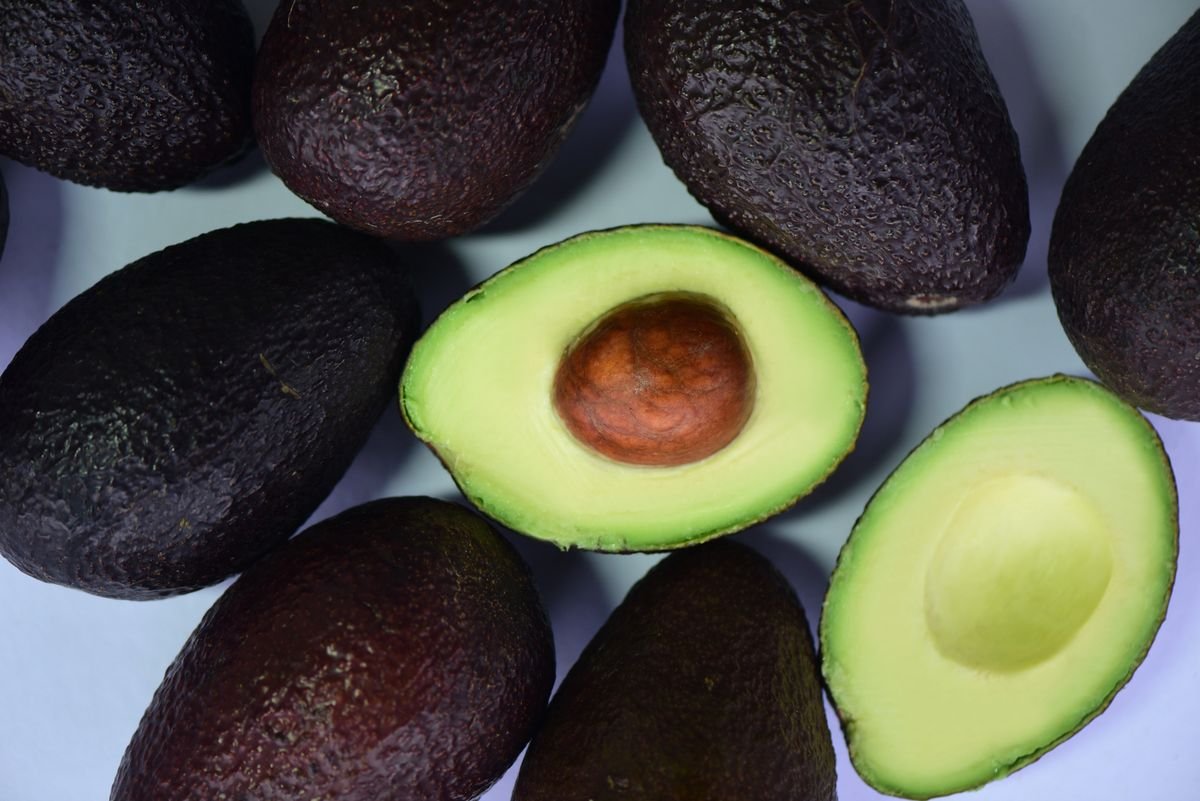
Storage works best when you start with an avocado at the right stage. A ripe Hass avocado yields to gentle pressure from your palm, and the small stem cap lifts away easily to reveal green underneath. If the flesh under the stem is brown, the fruit is already past its best, and no storage trick will rescue it.
If your avocado is still hard, do not cut it yet. Leave it on the counter until it softens, usually in two to four days. To speed things up, put it in a paper bag with a banana or an apple. The fruit gives off ethylene gas, a natural ripening signal, and the bag traps it close to the avocado. Once it is ripe, move it to the fridge if you are not ready to cut it. Cold storage can hold a ripe whole avocado for three to five more days. The same ethylene trick explains why bananas ripen so fast on the counter, and our guide on how to keep bananas fresh longer covers the full routine for the fruit bowl.
Only cut an avocado when you plan to use at least half of it right away. The less time the cut surface spends exposed to air, the better every method below will work. Have your lemon, wrap, or container ready before you make the cut, not after. Those first few minutes matter more than most people realize.
How to Keep Avocados Fresh After Cutting: 5 Methods That Work
These five methods are ranked from most reliable to most situational. Method one is the one to use when you want the best result with the least fuss. Method five is for when you bought too many avocados at once and need a longer term answer.
Method 1: Lemon or Lime Juice Plus Plastic Wrap
Brush or squeeze fresh lemon or lime juice over the entire cut surface, then press plastic wrap directly onto the flesh so no air sits between the wrap and the avocado. Place the half cut side down in a small airtight container and refrigerate. This is the most reliable method in home kitchens, and it is the one food writers and test kitchens return to again and again.
It works because it attacks browning from two directions at once. The acid in citrus juice lowers the pH at the surface, and polyphenol oxidase works poorly in acidic conditions. The wrap then blocks the oxygen the enzyme needs. Together, they keep a cut half bright green for two to three days, and often the flesh still looks good on day three.
A few details make the difference. Use fresh juice, not bottled, because bottled juice is weaker and can taste flat. Coat the whole surface, including the edges near the skin, because any bare patch will brown first. Press the wrap onto the flesh with your fingers and smooth out air bubbles. If the wrap only covers the top of the container, air still circulates underneath, and the method fails. Expect a faint citrus note in the flavor, which suits salads, sandwiches, and toast, but may not suit a sweet smoothie. If you dislike the taste, use method two instead.
Method 2: A Thin Coat of Olive Oil
Brush a thin layer of olive oil over the cut surface, then wrap the half tightly in plastic wrap and refrigerate. The oil forms a barrier that keeps oxygen away from the flesh, much like the wrap itself. This method keeps a cut half looking good for one to two days, and it adds no sour flavor, which makes it a good choice when you plan to use the avocado in a mild dish.
The weakness is coverage. Oil slides off a smooth surface, so thin spots can appear, and any gap will brown. Apply it with a pastry brush or your fingertip, and check that the whole surface shines before you wrap it. Use a neutral oil if you dislike the taste of olive oil, but avoid strong oils that will overpower the avocado. This method is simple and cheap, and it is the best pick when you have no citrus in the house.
Method 3: Airtight Container With a Slice of Onion
Place the avocado half in a small airtight container with a thick slice of red or yellow onion, seal the lid, and refrigerate. The onion releases sulfur compounds into the sealed container, and those compounds slow the browning reaction. This old kitchen trick works surprisingly well, keeping a half green for two to three days in many home tests.
The trade off is flavor. The avocado can pick up a faint onion taste, so this method suits guacamole, salsa, and savory dishes far better than toast or a smoothie. Use a container that fits the avocado closely, because a large container holds more air and weakens the effect. If you try this method, keep the onion slice on the opposite side of the container rather than pressed against the flesh, so the avocado does not absorb too much onion flavor. Cold, sealed storage matters for more than avocados. Crisp vegetables lose water fast in the fridge, and our guide on how to keep celery fresh in the fridge longer uses the same airtight thinking.
Method 4: Keep the Pit In and Wrap Tightly
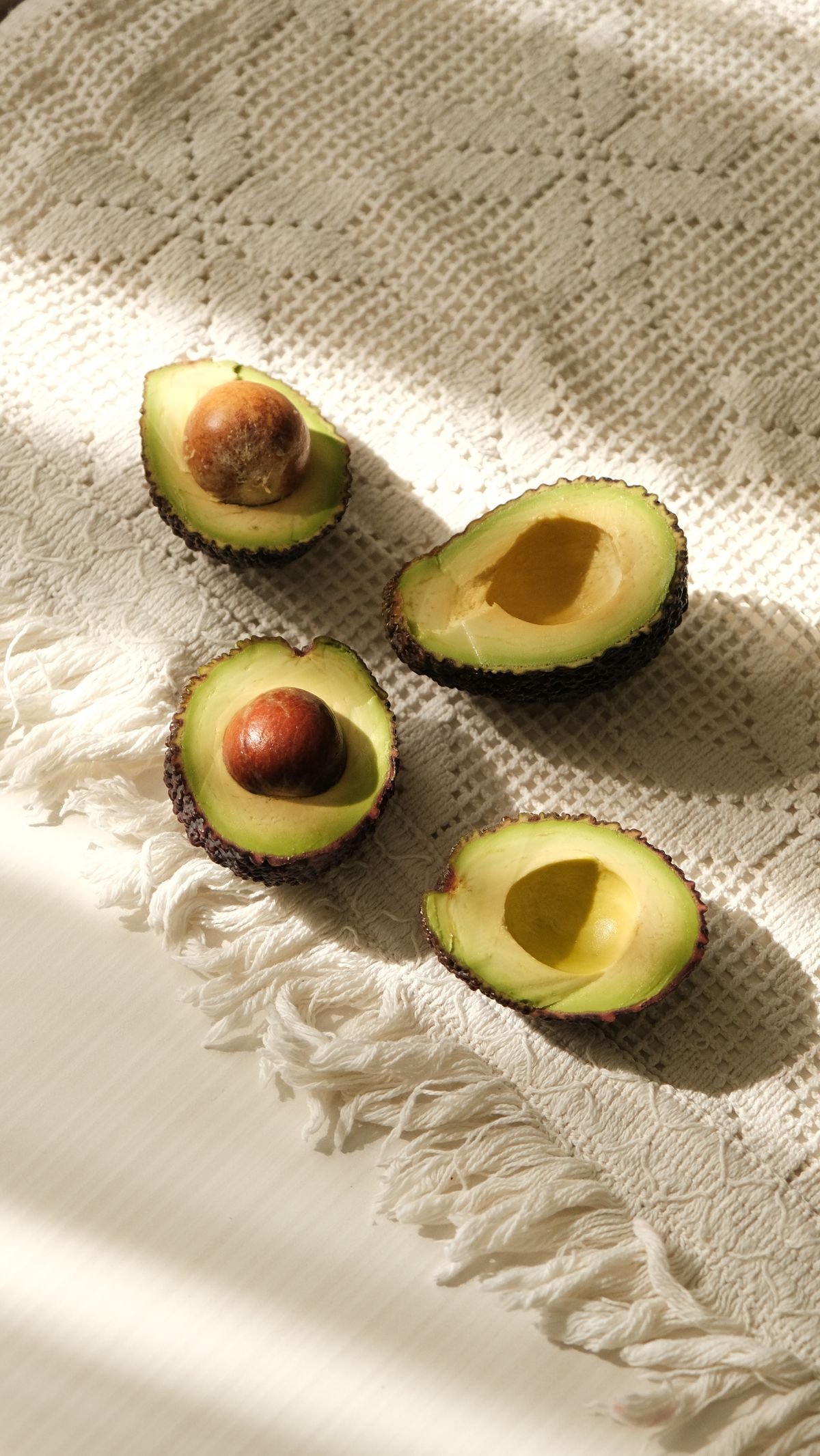
Store the half that still holds the pit, brush it with a little lemon juice if you have it, and press plastic wrap directly onto the flesh. The pit itself does very little, as the next section explains, but the half with the pit has less exposed surface than the empty half, and that smaller surface is easier to protect. Kept this way, the half with the pit usually stays green for one to two days.
Use this method when you have already eaten the pit free half and want to save the other one for tomorrow. It is convenient and it works, but only because of the wrap and the smaller surface, not because of the pit. Do not rely on the pit alone with no wrap and no acid. That version of the trick is the one that fails every time.
Method 5: Freeze Cut Avocado for Later Use
Freezing is the only method that stops browning for weeks instead of days, but it changes the texture. Frozen avocado turns soft when it thaws, so it suits smoothies, dressings, dips, and baking far better than sliced avocado on toast. If you often buy avocados on sale and cannot use them all, freezing is the smart move.
To freeze halves, brush the flesh with lemon juice, wrap each half tightly in plastic wrap, and place the wrapped halves in a freezer bag. Press out as much air as you can before sealing the bag, label it with the date, and lay it flat in the freezer. Halves keep well for three to six months.
To freeze avocado as a puree, scoop the flesh into a bowl, mash it with one tablespoon of lemon or lime juice per avocado, and pack it into a freezer bag or a container that is safe for the freezer. Leave a little room at the top because the puree expands as it freezes. Press the puree flat so it thaws quickly later. Thaw frozen avocado in the fridge overnight, never on the counter, and use it within a day of thawing. Do not refreeze it once it has thawed.
The Pit Myth: Does Leaving the Pit In Stop Browning?
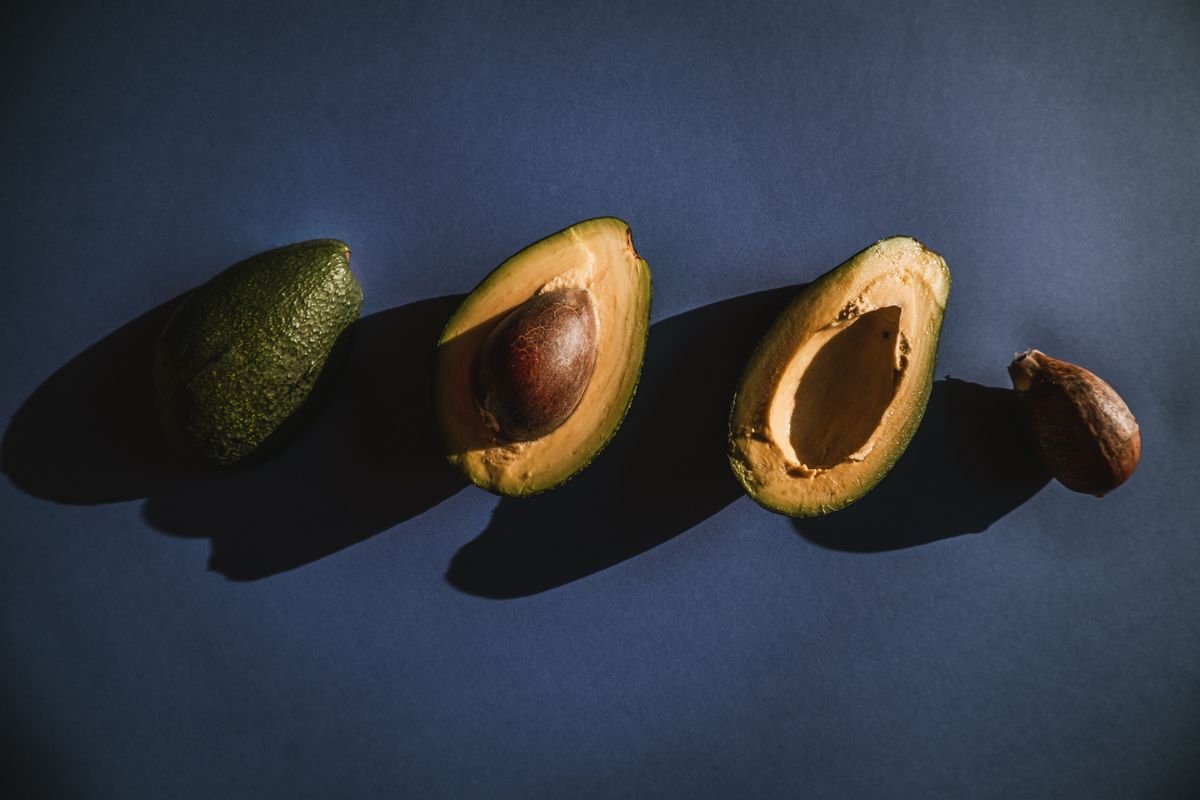
The idea that the pit stops browning is one of the most repeated tips in home cooking, and it is mostly wrong. The pit does protect the small patch of flesh directly underneath it, because that patch never touches air. The rest of the surface browns just as fast as it would without the pit. The pit has no chemical power, and it releases nothing that slows the enzyme. It is simply a physical cover for one small spot.
Food scientists have tested this many times, and the result is always the same. A half stored with the pit but no wrap browns across the whole exposed surface. A half stored with wrap and lemon juice stays green whether the pit is in or out. The pit is not harmful, so leave it in if you like, but treat it as a bonus, not a method. The wrap and the acid do the real work.
How to Store Guacamole So It Stays Green
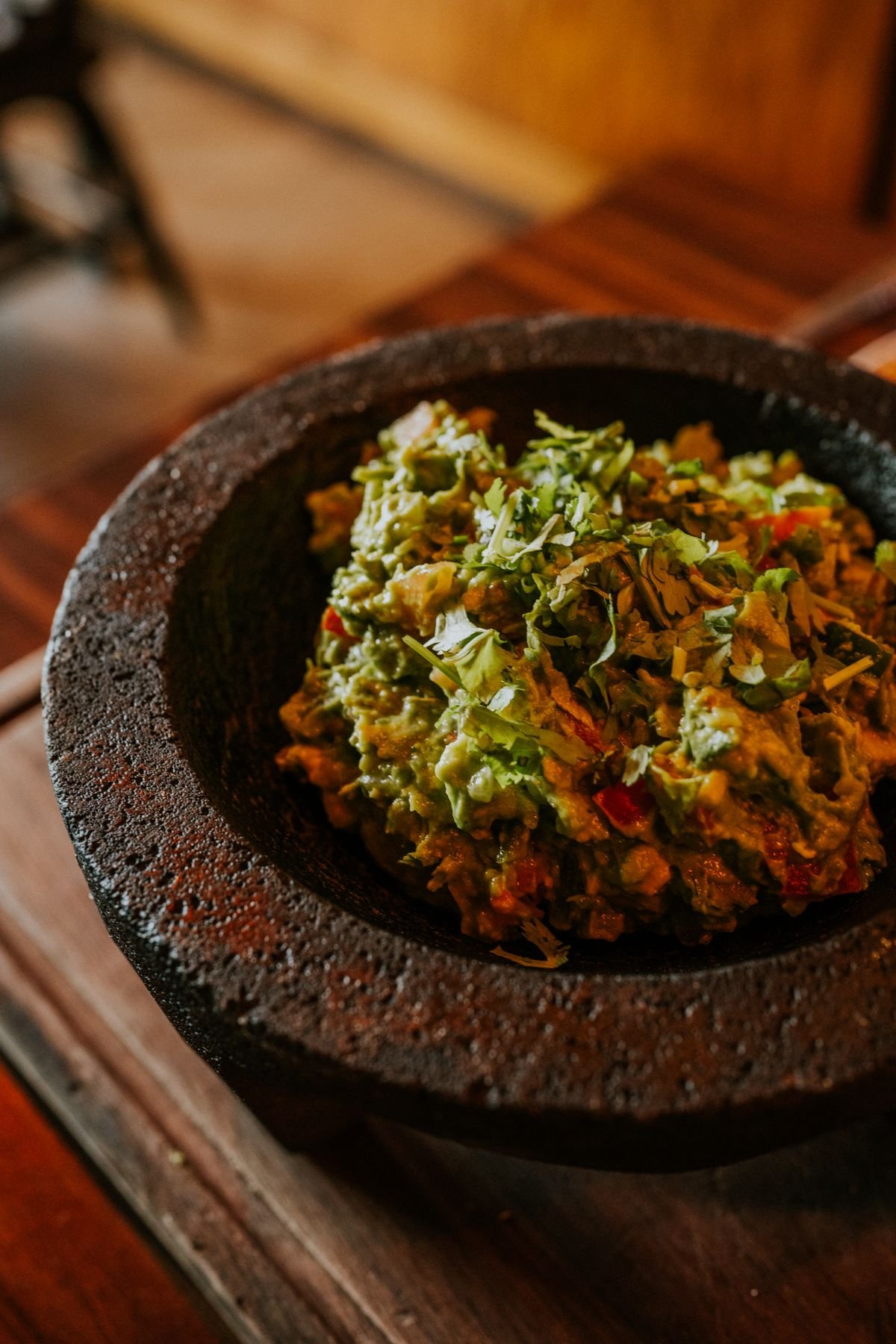
Guacamole browns even faster than a cut half because mashing exposes far more surface to air. The fix uses the same ideas, scaled up. Stir in lime juice as you mash, then smooth the top flat and pour a thin layer of water or lime juice over the surface. Press plastic wrap directly onto the surface, pushing out air bubbles, and seal the container. The water layer sounds odd, but it works as a barrier, and you simply pour it off and stir before serving. Kept this way, guacamole can stay green for one to two days in the fridge.
For a party, make the guacamole as close to serving time as you can, and keep the bowl covered until guests arrive. If you need to make it the night before, press the wrap onto the surface and add a thin layer of sour cream on top as an extra seal. The sour cream mixes in easily when you stir before serving. Avoid leaving guacamole at room temperature for more than two hours, and for more than one hour on a hot day above 90 degrees Fahrenheit, because warm conditions let bacteria grow quickly.
The Water Trick You Should Skip
You may have seen a viral tip that says to store a cut avocado in a bowl of water in the fridge. It looks clever, because water does block oxygen, and the avocado can stay green for a while. The Food and Drug Administration in the United States has warned against this method, and the warning is worth taking seriously.
The problem is bacteria. Avocado skin can carry Listeria and Salmonella, and soaking the fruit in water can move those bacteria from the skin into the flesh and into the water itself. Cold water does not kill them. The FDA guidance is clear: do not store cut avocado or whole avocado in water. The lemon and wrap method gives you the same green result without the risk, so there is no good reason to use water.
If you have used the water trick before, do not worry, but switch methods now. Wash the skin of a whole avocado under running water and dry it before you cut, because the knife can drag bacteria from the skin into the flesh. This one habit protects every method in this guide.
How Long Does Cut Avocado Last in the Fridge?
A cut avocado half stored well in the fridge lasts two to three days before the quality drops noticeably. A half stored poorly, with no wrap and no acid, can look tired within a day. Guacamole lasts one to two days. Frozen avocado puree or halves keep for three to six months. These are quality guidelines, not hard safety deadlines. The USDA FoodKeeper app gives similar guidance for refrigerated cut fruit, and the key point is the same: cold slows spoilage, but it does not stop it.
Trust your senses before you eat stored avocado. Throw it away if it smells sour or off, if the flesh feels slimy, if you see mold, or if it has sat in the fridge for more than three days and looks dark all the way through. A thin brown layer that you can scrape away is fine, and the green flesh underneath is safe to eat. But if the whole half is brown, soft, and smells wrong, do not try to save it. One avocado is never worth a stomach bug. The same use your senses rule applies across the kitchen. Root vegetables fail in a different way, and our guide on how to keep potatoes from sprouting explains how to spot the signs there.
What to Do With Avocado That Has Already Browned
Do not throw a browned half away without checking it first. Scrape off the thin brown layer with a spoon and look at the flesh underneath. If it is bright green and smells fresh, it is fine to eat. Use it in a dish where color matters less, such as a smoothie, a salad dressing, a pasta sauce, or chocolate mousse. The flavor is usually unchanged, even when the color is not perfect.
Browned avocado also makes a quick face mask, if you enjoy that kind of thing, but in the kitchen its best second life is blended. A smoothie hides the color completely, and the healthy fats still do their job. The lesson is simple: brown does not always mean bad, and a quick scrape test saves more avocados than any storage trick.
Quick Recap: The Best Method for Every Situation
- Lunch tomorrow: lemon juice plus plastic wrap pressed onto the flesh, stored cut side down in a small container.
- No citrus in the house: olive oil plus wrap, and use the avocado within one to two days.
- Guacamole for a party: lime juice, plastic wrap pressed onto the surface, and a thin water layer poured off before serving.
- Too many ripe avocados at once: freeze halves or puree with lemon juice, and use within three to six months.
- Always skip: storing cut avocado in water, and relying on the pit alone.
Conclusion
Learning how to keep avocados fresh after cutting comes down to one idea: keep air away from the flesh, and give the surface a little acid for extra protection. Lemon juice plus plastic wrap is the best all round method for a half you plan to eat in the next two or three days. Olive oil is the best backup when you have no citrus. Freezing is the answer when you need weeks instead of days. The pit helps only the tiny patch it covers, and water storage is a risk you do not need to take.
Try the lemon and wrap method the next time you cut an avocado for lunch. Put the second half away before you sit down to eat, and check it at dinner. When it is still bright green, you will know the habit is worth keeping. That one small change can save you money, cut food waste, and make sure the second half tastes as good as the first.
Frequently Asked Questions
How long does cut avocado last in the fridge?
A cut half stored with lemon juice and plastic wrap lasts two to three days in the fridge. Without wrap or acid, it can brown within a day, so always cover the cut surface before refrigerating.
Does leaving the pit in stop browning?
No, not in any useful way. The pit only protects the small patch of flesh it touches. The rest of the surface browns just as fast. Plastic wrap and lemon juice do the real work, with or without the pit.
Can you freeze avocado after cutting it?
Yes. Brush halves with lemon juice, wrap them tightly, and freeze them in a sealed bag for three to six months. Or mash the flesh with lemon juice and freeze it as a puree. Thaw in the fridge and use it for smoothies, dips, and dressings.
Is brown avocado safe to eat?
Usually yes. Browning is caused by oxygen and an enzyme, not by spoilage. Scrape off the brown layer and check the flesh underneath. If it smells fresh and looks green, it is safe. Throw it away if it smells sour, feels slimy, or shows mold.
Why does avocado turn brown so fast?
An enzyme called polyphenol oxidase reacts with oxygen as soon as the flesh is exposed to air, creating brown pigments. Acid slows the enzyme down, and wrap blocks the oxygen, which is why those two steps work so well together.
