
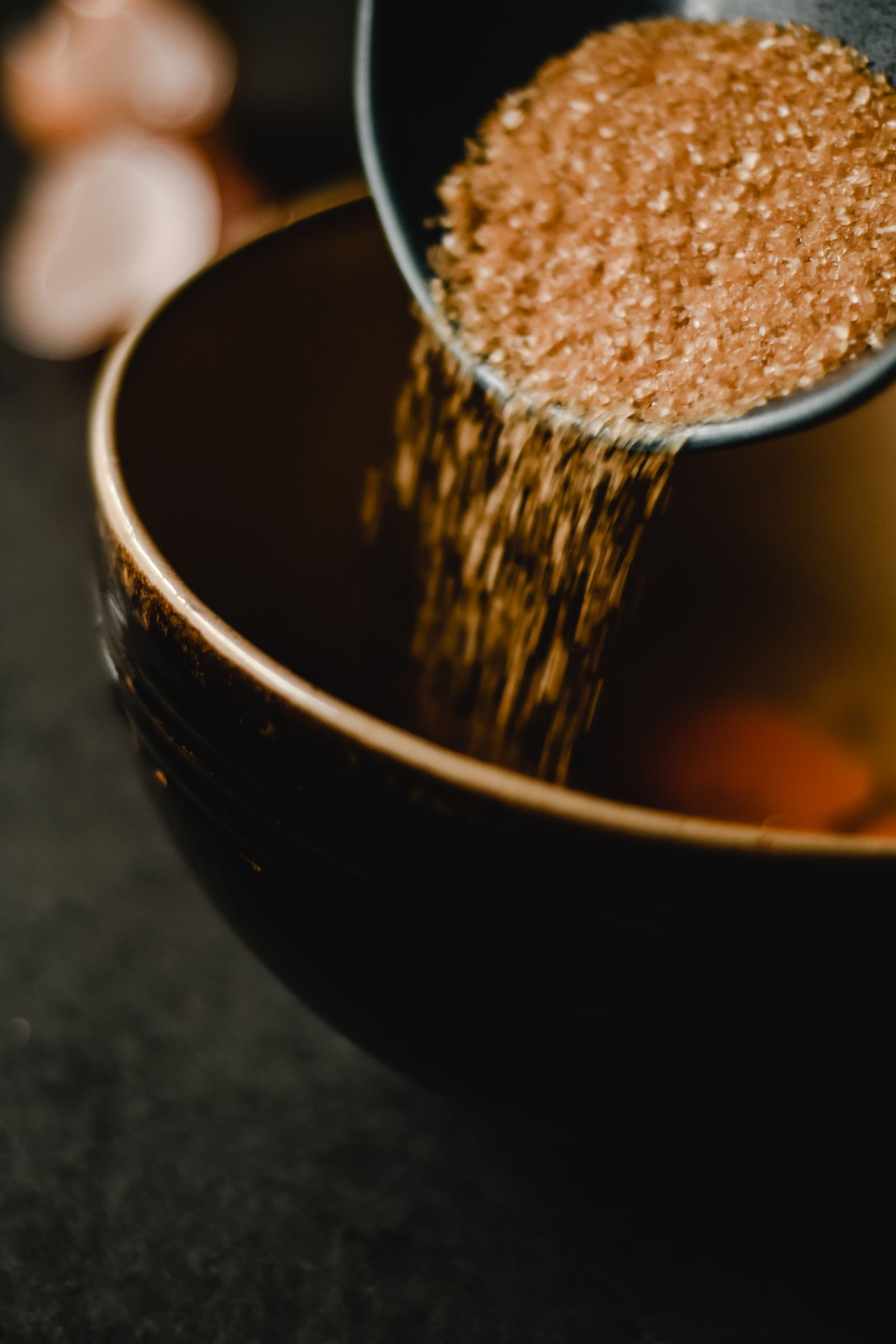
You open the cupboard to bake, reach for the brown sugar, and find a solid brick where soft sandy sugar should be. The bag feels like a stone. You tap it on the worktop, you squeeze it, and nothing gives. It is one of the most annoying moments in a home kitchen, and it happens to almost every baker sooner or later.
Learning how to keep brown sugar soft after opening is a small skill that saves real money and real frustration. Brown sugar is not expensive, but throwing away half a bag every few months adds up, and a rock hard lump can ruin a baking session you had planned for the evening. The good news is that the fix is simple, cheap, and takes about two minutes once you know the rules.
This guide explains why brown sugar hardens, the storage methods that actually keep it soft for months, and the quick rescues that bring a hardened bag back to life. You will also find a simple method picker so you can choose the approach that fits how often you bake, and a replacement schedule for the moisture helpers that keep working quietly in the background.
Why Brown Sugar Turns Hard in the First Place
Brown sugar is white sugar with molasses mixed back in. That molasses coating is what gives brown sugar its soft texture, its damp feel, and its rich caramel flavour. The coating holds moisture, and as long as that moisture stays in place the sugar stays soft and easy to scoop.
The problem starts the moment you open the bag. Air reaches the molasses layer and the moisture begins to evaporate. As the sugar dries out, the crystals pull closer together and lock into a dense mass. The original paper bag or thin plastic bag makes things worse, because neither seals tightly enough to keep air out for weeks or months.
Heat and dry air speed the whole process up. A bag stored near the oven, on a sunny shelf, or in a dry centrally heated kitchen can harden within a couple of weeks. A bag stored in a cool cupboard in an airtight container can stay soft for a year or more. The difference is entirely about air, moisture, and temperature, which means it is entirely under your control.
How to Keep Brown Sugar Soft After Opening Starts With Airtight Storage
The single most important step is also the simplest. Transfer the sugar from its original bag into a clean, dry, airtight container as soon as you open it. A glass jar with a rubber gasket lid is ideal, because you can see how much sugar is left and glass does not absorb smells. A sturdy plastic pantry container with a locking lid works just as well.
Press out as much air as you can before you seal the lid. If you prefer to keep the sugar in its original bag, squeeze the air out, fold the top over tightly, clip it shut, and place the whole bag inside a second airtight container or a zip top bag. The double layer gives the sugar far better protection than the bag alone.
Store the container in a cool, dark cupboard or pantry shelf, away from the oven, the hob, and any sunny windowsill. Brown sugar likes a steady temperature. Big swings between warm and cool make moisture move in and out of the sugar, which speeds up hardening. A cupboard that stays around normal room temperature all year is perfect. The same airtight habit that helps you keep bananas fresh for longer works here too, because most fresh food suffers when air gets to it unchecked.
If your kitchen is very dry, especially in winter when the heating is on, an airtight container alone may not be enough. That is when a moisture helper earns its place. The helpers below each add a small, steady source of moisture that keeps the sugar soft without making it wet.
Use a Terracotta Brown Sugar Saver
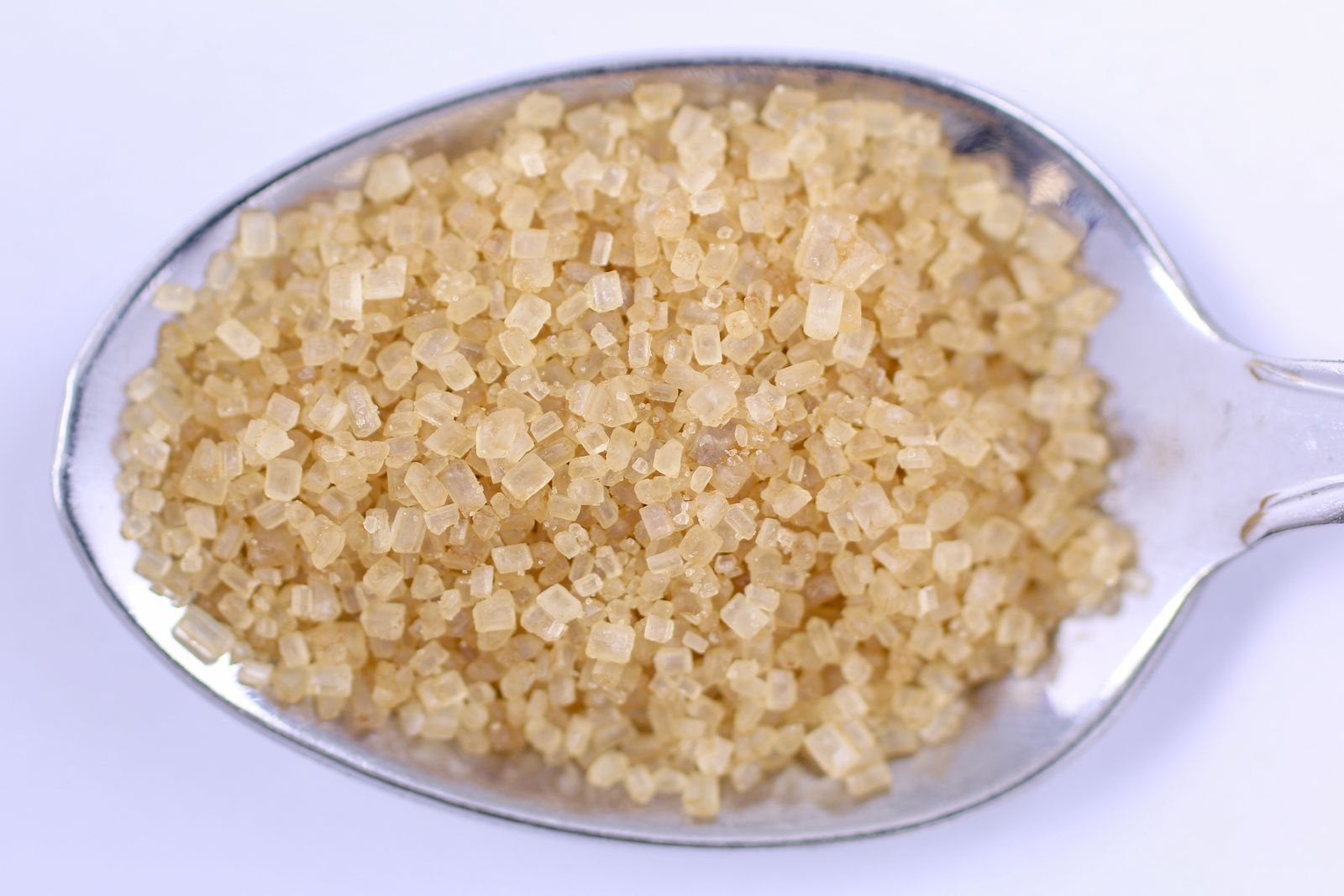
A terracotta brown sugar saver is a small piece of unglazed clay, often shaped like a disc or a little bear. It is the most reliable moisture helper you can buy, and it costs about £3 to £5 in most UK kitchen shops and online. One saver lasts for years, which makes it the cheapest option over time.
Soak the terracotta piece in clean water for 15 to 20 minutes, then pat it dry with a tea towel. Place it inside the airtight container with the sugar and seal the lid. The porous clay slowly releases moisture into the air inside the container, and the sugar absorbs just enough to stay soft. It will not make the sugar wet or sticky, because the release is slow and gentle.
Re soak the saver every few weeks, or whenever you notice the sugar starting to firm up. A good habit is to soak it on the first of every month, so you never have to think about it. If you bake rarely and the sugar sits for months, check the saver each time you open the container and re soak it when it feels completely dry.
Terracotta savers also work in reverse. If your sugar has gone slightly damp and clumpy, you can dry the saver fully in a low oven, let it cool, and place it in the container to absorb extra moisture. This two way ability is why many bakers consider the terracotta disc the gold standard for brown sugar storage.
The Bread Slice Method for a Quick Home Fix
If you do not own a terracotta saver, a slice of bread does the same job with something you already have in the kitchen. Place one slice of soft white bread on top of the sugar inside the airtight container, seal the lid, and check the sugar after a day. The sugar pulls moisture from the bread and softens, usually within 24 hours.
Use fresh bread, not stale bread, because stale bread has little moisture left to give. A thick slice from a soft loaf works best. Remove the bread once the sugar feels soft again, and never leave bread in the container for more than a few days. Bread left too long can grow mould, and mould in a sugar container means the whole batch has to go.
The bread method is a rescue more than a long term plan. It works well when you need soft sugar for a bake tomorrow, but it needs replacing often and it takes up space in the container. For everyday storage, a terracotta saver or a marshmallow is less fuss.
Marshmallows and Fruit Peel as Moisture Helpers
One or two large marshmallows placed in the container work in the same way as bread. Marshmallows hold moisture and release it slowly, and they last longer than bread before they need replacing. Check them every week or two, and replace them when they turn hard and dry themselves. Like bread, remove them after a few days if the sugar is soft enough, because marshmallows can also go stale and crumbly.
A wedge of apple peel or orange peel is another old fashioned helper. Place a small piece of peel on top of the sugar, seal the container, and check after a day. Fruit peel adds moisture and a very faint fresh smell, but it must come out within two or three days. Peel left longer can grow mould, so this method suits a quick rescue rather than months of storage.
Whichever helper you choose, the rule is the same. The helper goes in only when the sugar needs moisture, and it comes out once the sugar is soft. A helper left in forever becomes part of the problem instead of the solution.
Freezing Brown Sugar for Long Term Storage
If you buy brown sugar in bulk, or you bake only a few times a year, the freezer is your best friend. Freezing stops moisture loss almost completely, and frozen brown sugar keeps its quality for a year or longer.
Place the sugar in a freezer safe airtight container or a heavy duty freezer bag. Press out the extra air, seal it tightly, and label the container with the date. If you use a bag, flatten it before sealing so it stacks neatly and thaws quickly later.
When you need the sugar, take out only what you plan to use and let it come to room temperature in a sealed container. Do not leave the main bag open on the worktop while it thaws, because condensation can form on the cold sugar and make it clump. Once thawed, the sugar is soft and ready to use straight away.
The fridge, by contrast, is a poor choice for brown sugar. Fridges are cold but also very dry, so sugar stored in the fridge can still harden. The freezer works because the sugar is sealed and the cold stops moisture movement, while the fridge dries things out. Keep brown sugar out of the fridge and in the freezer or the cupboard instead.
How to Soften Brown Sugar That Is Already Hard
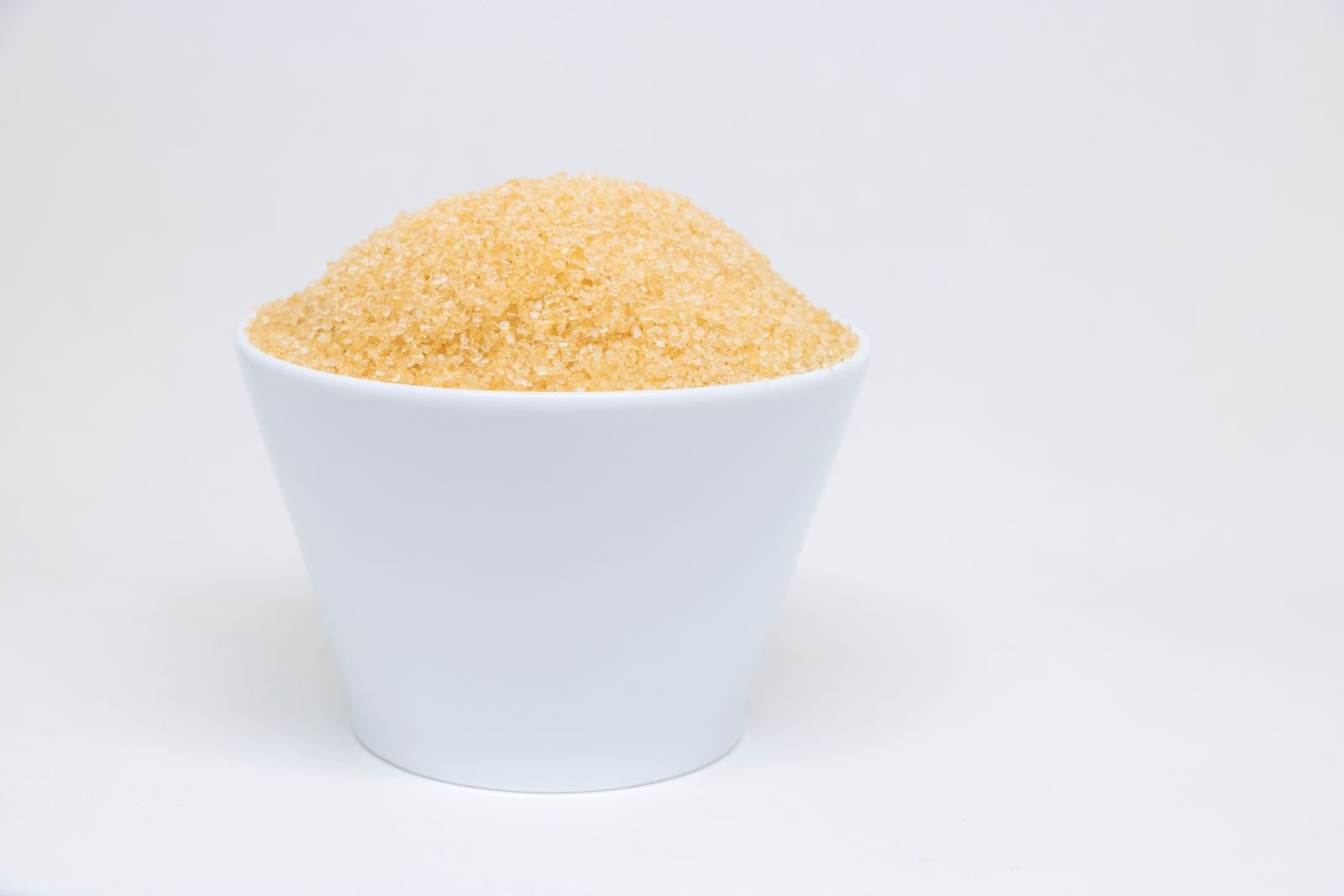
Sometimes the sugar has already turned into a brick before you learn the storage rules. Do not throw it away. Hard brown sugar is still perfectly good sugar, and several quick methods bring it back.
The fastest rescue is the microwave. Place the hardened sugar in a microwave safe bowl and break off any chunks that yield to gentle pressure. Drape a damp paper towel over the top, then heat the bowl on low power in 20 to 30 second bursts. Check and break up the sugar with a fork between bursts until it returns to a sandy texture. Use the sugar soon after, because it can harden again as it cools.
The oven method suits a larger rock hard lump. Spread the sugar in a shallow baking dish, lay a sheet of foil over the top, and place it in a low oven at about 120 degrees Celsius. Check and stir every five minutes until the clumps loosen. As soon as the sugar softens, remove the dish and let it cool at room temperature, then transfer the sugar to an airtight container.
The slowest method is also the gentlest. Place the hardened sugar in an airtight container with a slice of bread or a soaked terracotta saver, seal the lid, and leave it overnight. By morning the sugar should be soft enough to scoop. This method takes patience, but it needs no heat and no attention, so it is ideal if you are not in a rush.
Never add water directly to the bag or jar. Puddles of water create sticky syrup pockets and encourage mould, while the rest of the sugar stays hard. Moisture must arrive slowly, through air or through a helper, not as liquid poured on top.
Pick the Right Method for Your Kitchen
The best storage method depends on how often you bake and how much sugar you buy. Match your habits to the method below and you will rarely face a hard bag again.
If you bake every week, an airtight container in a cool cupboard is usually enough on its own. You use the sugar before it has time to dry out, and the container keeps the air away between bakes. Add a terracotta saver if your kitchen is dry in winter.
If you bake once or twice a month, use an airtight container plus a terracotta saver, and re soak the saver monthly. This combination holds softness for months with almost no effort, and it costs only a few pounds to set up.
If you bake only at Christmas or for special occasions, buy smaller bags and freeze the sugar between bakes. A 500 gram bag from a UK supermarket costs little, and freezing means you can keep it for a year without thinking about it. Take out what you need, thaw it sealed, and put the rest straight back.
If your sugar has already hardened and you need it tonight, use the microwave rescue with a damp paper towel. If you have until tomorrow, use the bread and container overnight method. Either way, move the rescued sugar into an airtight container straight away, so you do not have to rescue it twice.
How Long Brown Sugar Lasts and When to Throw It Away
Brown sugar stored properly keeps its best quality for 18 to 24 months after opening. It does not really expire in the way fresh food does, because sugar is a natural preservative and bacteria cannot easily grow in it. Old brown sugar that has been kept dry and sealed is usually safe to use long after the date on the bag, as long as it smells normal and looks normal.
Throw the sugar away if you see mould, if it smells musty or sour, or if it has picked up a strange smell from something stored nearby. Sugar absorbs odours easily, so a bag stored next to strong spices or cleaning products can take on flavours you do not want in a cake. Keep sugar away from anything with a strong smell.
Also discard sugar that has been in contact with wet spoons or damp hands, because that moisture can start mould growth inside the container. Always use a dry spoon, and wash and dry your hands before you scoop. Good storage habits travel well across the kitchen, and the same thinking behind keeping potatoes from sprouting applies here, since cool, dark, dry storage protects most pantry food.
Mistakes That Make Brown Sugar Harden Faster
The most common mistake is leaving the sugar in its original bag with the top folded over. The bag looks closed, but it is not airtight, and air slips in around the fold every day. Transfer the sugar on the day you open it, not when you notice it hardening.
Storing the sugar near heat is another frequent error. A shelf above the oven or next to the kettle feels convenient, but the warmth drives moisture out of the sugar. Move the container to a cool cupboard, even if it is a few steps further away.
Using a container with a loose or cracked lid is just as bad as no container at all. Check the seal by closing the empty container and squeezing it gently. If air hisses out around the lid, the seal has failed and the container needs replacing. Glass jars with rubber gaskets hold their seal well, while cheap plastic tubs can warp over time.
Finally, buying huge bags to save money often backfires. A large bag that sits open for a year is more likely to harden than a small bag you finish in two months. Buy the size you will use within a few months, and keep the rest sealed in the freezer if you do buy in bulk.
Frequently Asked Questions
How do I keep brown sugar soft after opening?
Transfer it to a clean, dry, airtight container straight away and store it in a cool, dark cupboard. Add a soaked terracotta saver if your kitchen is dry, and re soak the saver every few weeks.
How do you soften hard brown sugar quickly?
Place it in a microwave safe bowl, cover it with a damp paper towel, and heat it in 20 to 30 second bursts, breaking it up with a fork between bursts. Use it soon after, and store the rest airtight.
Should brown sugar go in the fridge?
No. Fridges are cold but very dry, so brown sugar can still harden in the fridge. Store it in a cool cupboard, or freeze it in a sealed bag for long term storage.
How long does brown sugar last once opened?
Stored in an airtight container, brown sugar keeps its best quality for 18 to 24 months. It stays safe to use longer than that if it smells normal, looks normal, and shows no mould.
Can you freeze brown sugar?
Yes, freezing is one of the best ways to store brown sugar for months. Seal it in a freezer safe container or bag, press out the air, and thaw only what you need in a sealed container at room temperature.
Keep Your Brown Sugar Soft and Your Baking Stress Free
Learning how to keep brown sugar soft after opening comes down to three habits. Seal it airtight on the day you open it, store it somewhere cool and dark, and add a moisture helper when your kitchen runs dry. Those three habits cost almost nothing, and they end the rock hard bag problem for good.
If your sugar has already hardened, rescue it tonight with the microwave method or the overnight bread method, then store it properly from now on. The same little and often habit that helps you keep bread fresh for longer works for brown sugar too, because both foods suffer when air and dry heat get to them. Start with the container, add a terracotta saver for a few pounds, and your next bake will start with soft sugar instead of a hammer and a brick.
