

You step out of the shower, glance at the drain, and your stomach drops. A thick clump of hair sits there, and it looks like far more than you saw last week. If that moment sounds familiar, you are not alone, and you are probably not going bald. Learning how to stop hair shedding in the shower starts with one reassuring fact. The shower rarely causes the shedding. It only makes normal shedding easy to see.
A 34 year old teacher in Austin, Texas, told me she had started dreading her morning shower. Every wash left a dark ring of hair around the drain, and she was sure something was wrong. She cut back to washing twice a week, switched shampoos three times, and still saw the same clump. Then a dermatologist explained what was really happening. Her hair was shedding at a normal rate. The shower was simply collecting several days of loose hairs at once and showing them to her in one place. Once she changed how she washed and handled her hair, the drain looked calmer within a month, and so did she.
This guide explains why shower shedding looks so dramatic, which small changes cut it down fast, and how to tell the difference between normal shedding and a problem worth a doctor visit. Most people need no special products and no expensive treatment. They need a gentler routine and a little patience.
Why Your Shower Makes Shedding Look Worse
Healthy adults shed 50 to 100 hairs every day. That number surprises most people, because on a normal day those hairs fall one or two at a time. They land on a pillow, a collar, or a car seat, and you never notice them. In the shower, the story changes. Water and shampoo loosen every hair that already let go of its root over the past two or three days, and they all come out together.
Wet hair also clumps. Fifty loose hairs spread across a bathroom floor look like almost nothing. The same fifty hairs soaked and stuck together in a drain look like a small animal. Your eyes are not lying to you exactly. They are just seeing three days of normal shedding in one wet pile.
Hair grows in a cycle, and shedding is part of that cycle. Each strand grows for several years, rests for a few months, and then lets go so a new strand can take its place. Doctors call the resting and shedding stage telogen. At any moment, about 10 percent of the hairs on your head are in this stage. Washing simply gives those resting hairs their exit.
That said, the shower can add real breakage on top of normal shedding. Very hot water strips the natural oils that protect each strand. Rough scrubbing with fingernails can scratch the scalp and snap hairs at the root. Yanking a brush through soaking wet hair breaks strands that would have survived a gentler touch. So the goal is not to stop shedding completely. That is impossible, and trying will only frustrate you. The goal is to stop adding breakage to normal shedding, and to make the hairs you do lose less visible and less stressful.

How to Stop Hair Shedding in the Shower
The nine fixes below work as a set, and you do not need to buy anything fancy to start. Begin with water temperature and gentle handling, because those two changes alone cut most of the extra breakage people see in the drain. Add the rest one at a time over two or three weeks so you can tell what helps most.
1. Turn the Water Down
Hot water feels wonderful on tired muscles, but it is rough on hair. It lifts the outer layer of each strand and strips away the oils that keep hair flexible. Dry, stiff hair snaps more easily, and a dry scalp gets itchy and flaky, which leads to more scratching and more loose hairs. Wash with lukewarm water instead, close to body temperature. If the water fogs the mirror in seconds, it is too hot. Finish with a cool rinse for 20 to 30 seconds. The cool water helps the outer layer of the hair lie flat again, which makes strands smoother, shinier, and less likely to tangle and snap when you step out.
2. Detangle Before You Step In
Dry hair is far stronger than wet hair. A strand can stretch by almost a third when it is soaked, and it breaks much more easily in that stretched state. So do your detangling before the water ever touches your head. Use a wide tooth comb or your fingers on dry hair, start at the ends, and work your way up to the roots in short, patient strokes. You will pull out the loose hairs that were ready to shed anyway, which means fewer of them end up in the drain, and you will meet far fewer tangles once your hair is wet. If you have curly or coily hair, detangle while your hair is damp with conditioner in it instead, and use only your fingers or a wide tooth comb.
3. Shampoo Your Scalp, Not Your Lengths
Shampoo exists to clean your scalp, where oil and sweat collect. Your lengths rarely need direct shampoo at all. They get clean enough as the lather runs down during rinsing. Squeeze out a quarter size amount of a gentle, sulfate free shampoo, work it into a light lather in your hands first, and apply it to your scalp only. Piling all of your hair on top of your head and scrubbing the whole mass together creates tangles and friction, and that friction snaps strands. Keep your hair hanging down and let the shampoo do its work where it belongs.
4. Massage With Your Fingertips, Never Your Nails
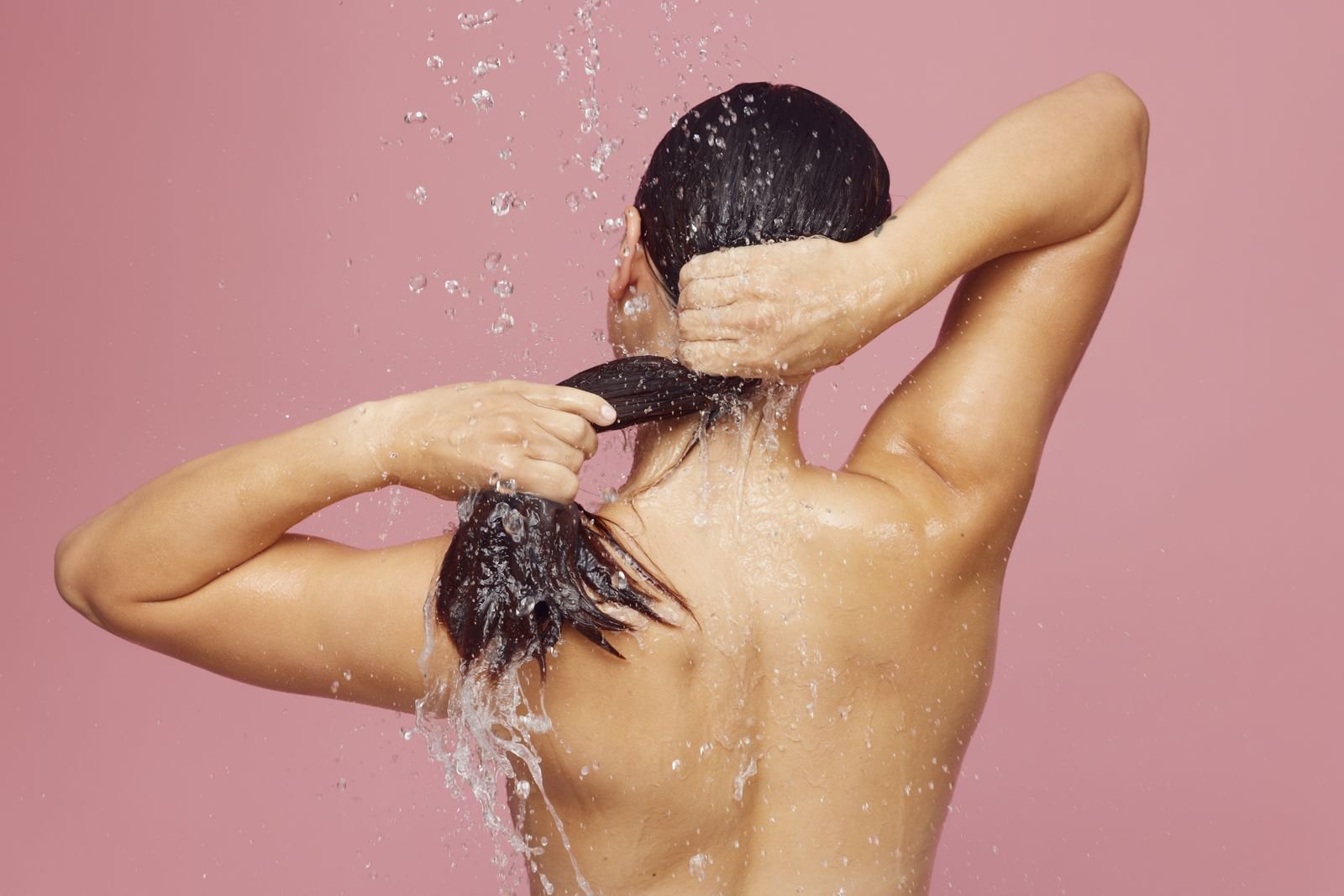
Your scalp will thank you for a soft touch. Use the pads of your fingertips to massage the shampoo in with slow, small circles for about a minute. This lifts oil and buildup without scratching the skin. Nails can leave tiny scrapes on the scalp, and those scrapes invite irritation, flaking, and extra shedding. A gentle massage has a second benefit. It boosts blood flow to the scalp, which helps deliver nutrients to the follicles that grow your hair. Think of it as a one minute scalp massage, not a scrubbing session.
5. Condition the Mid Lengths and Ends Only
Conditioner is a detangler and a protector, not a scalp treatment. Apply it from the mid lengths to the ends, where hair is oldest and driest, and keep it off your scalp. Conditioner on the scalp can leave a coating that traps oil and buildup around the follicles, which can make shedding look worse over time. Leave it in for two to three minutes while you finish the rest of your shower, then rinse it out fully. Hair that still feels slippery after rinsing still has conditioner sitting on it, and that residue can weigh hair down and attract more buildup.
6. Rinse With Cool Water for 30 Seconds
This is the easiest fix on the list, and many people skip it because it sounds uncomfortable. You do not need an ice cold blast. Just turn the dial down for the final rinse until the water feels cool on your skin. About 30 seconds is enough. Cool water helps the outer layer of each strand close up, which locks in moisture, adds shine, and makes hair less likely to catch and snap on a brush or towel later. If a full cool rinse feels like too much on a cold morning, at least finish the rinse on your hair, not your whole body.
7. Ditch the Towel Turban and Rough Rubbing
What you do in the first two minutes after the shower matters as much as the wash itself. Wet hair is at its weakest, and a heavy bath towel twisted into a tight turban pulls on the roots and snaps strands at the hairline. Rubbing your head hard with a towel is worse, because it tangles wet hair into knots that you then have to rip through. Instead, squeeze the water out gently with your hands, then wrap your hair in a soft microfiber towel or an old cotton T shirt. Press and pat, never rub. Let the fabric soak up the water for a few minutes while you get dressed, then let your hair air dry at least halfway before you pick up any brush or heat tool.
8. Comb Wet Hair With a Wide Tooth Comb Only
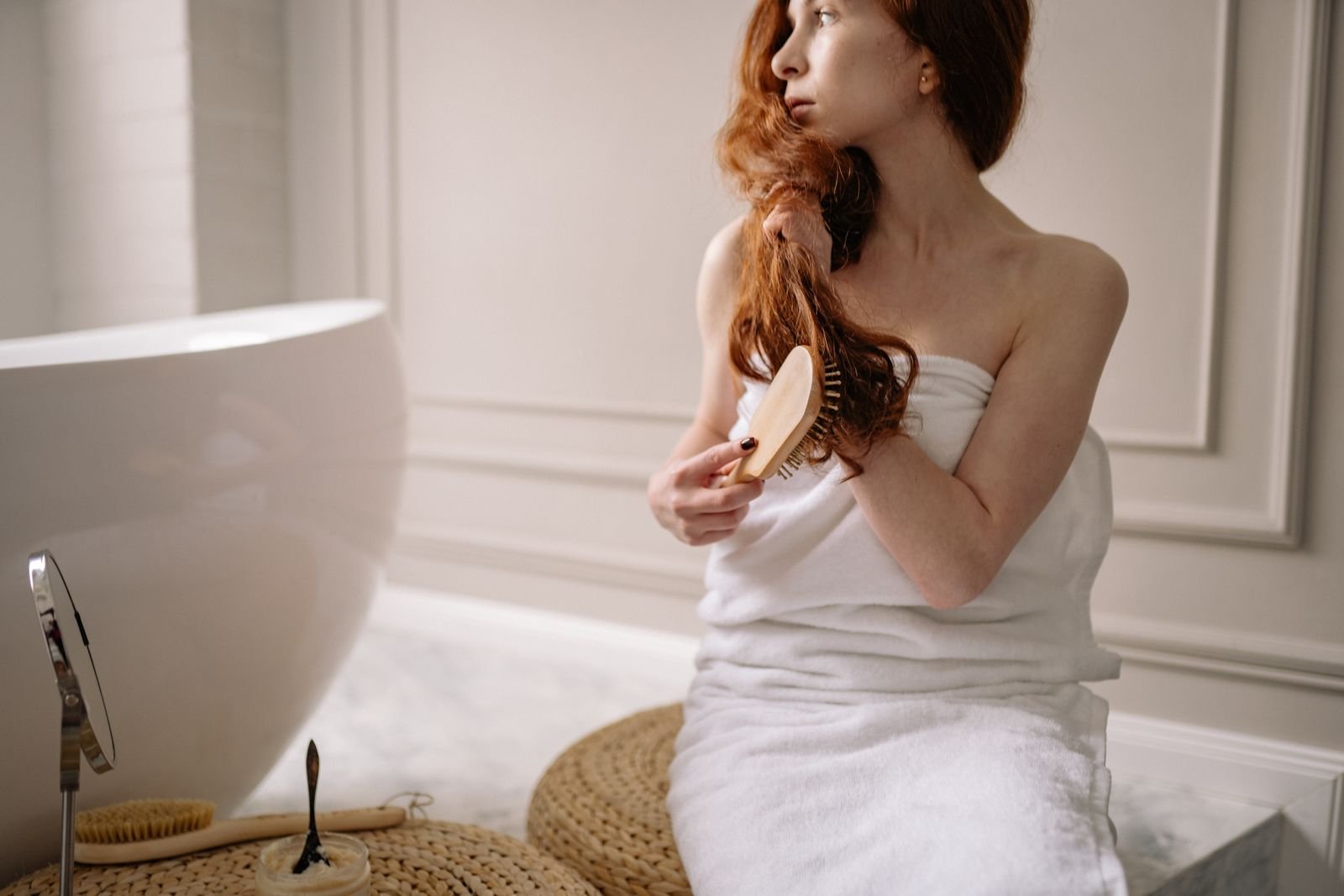
A fine tooth comb or a paddle brush on soaking wet hair is one of the fastest ways to create breakage that looks like shedding. Wet strands stretch and snap under a tight comb, and each snap leaves a short broken hair in your brush that you count as a lost hair. Wait until your hair is at least halfway dry, then detangle with a wide tooth comb, starting at the ends and working up. If you must comb while your hair is still wet, do it only while conditioner is in it, and be slow and patient. A brush full of short broken pieces is a sign of breakage, not shedding, and switching tools fixes it.
9. Clarify Product Buildup Once Every Two to Three Weeks
Styling creams, dry shampoo, hard water minerals, and heavy conditioners all leave residue on the scalp over time. That buildup can clog the tiny openings where hairs grow, irritate the scalp, and make hair look thinner than it is. A clarifying shampoo used once every two to three weeks strips that residue away. Use it the same gentle way as your regular shampoo, scalp only, fingertips only, and follow it with conditioner on the lengths. If your scalp feels tight or squeaky after clarifying, you used it too often or left it on too long. Once every few weeks is plenty for most people, and once a month is enough if you use few styling products.
Food, Stress, and Sleep: The Inside Factors
Your shower routine handles the outside of the problem. What you eat, how stressed you feel, and how well you sleep handle the inside, and the inside matters more than most people expect. Hair is made almost entirely of protein, so a diet short on protein gives your body little to build hair with. Eggs, chicken, fish, beans, lentils, and Greek yogurt are easy, affordable sources. Iron matters too, because low iron is one of the most common reasons for extra shedding in women. Spinach, lentils, red meat, and fortified cereals help, and pairing them with foods rich in vitamin C, like bell peppers or oranges, helps your body absorb the iron. Zinc and vitamin D also play a role, and a simple blood test can tell you if you are low on any of them.
Stress is the sneakiest trigger of all. A major stressful event, an illness, a surgery, or a crash diet can push a large number of hairs into the resting stage at once. The shedding usually shows up two to three months later, which is why people often blame their shampoo for hair that started shedding because of a stressful summer. The fix is not instant, because hair grows slowly, but steady sleep, regular movement, and real downtime help your body reset. Poor sleep makes stress worse, and stress makes sleep worse, so breaking that loop helps your hair too. Our guide on how to sleep better without melatonin covers simple evening habits that calm that loop without any supplements.
Stress rarely stops at your hair. It can show up as a twitching eyelid, a tight jaw, or restless nights, and those small signals are worth noticing early. If your eyelid has started jumping at your desk, our guide on how to stop eye twitching fast explains the same stress and sleep connection from a different angle. Treat the stress, and both problems usually ease together.
When to See a Doctor
Most shower shedding is normal, and the routine above is enough. But some patterns deserve a professional opinion, and it is better to ask early than to worry for a year. Book a visit with your doctor or a dermatologist if any of these sound familiar.
- You lose noticeably more than about 150 hairs a day for over a month, and the drain, the brush, and the pillow all tell the same story.
- You see patchy loss, bald spots, or a part that keeps getting wider.
- Shedding comes with itching, pain, redness, scaling, or sores on the scalp.
- Your hair started shedding suddenly after an illness, a new medication, or major weight loss.
- Your hairline is receding, or the hair at your temples and crown is getting visibly thinner.
A doctor will usually start with a blood test. Iron, ferritin, vitamin D, vitamin B12, zinc, and thyroid levels are the usual checks, because a gap in any of them can push shedding higher. They may also ask about medications, recent illnesses, and family history. Most causes of extra shedding are treatable once they are found, and the sooner you know the cause, the sooner the shedding slows down.
A Simple Shower Routine That Protects Your Hair
Put the whole routine together and it takes no longer than your current shower. The order matters, because each step protects your hair for the next one.
- Detangle dry hair with a wide tooth comb, ends first, before you step in.
- Wet your hair with lukewarm water, never hot.
- Apply a quarter size amount of gentle shampoo to your scalp only and massage with your fingertips for about a minute.
- Rinse fully, then apply conditioner to the mid lengths and ends. Leave it in for two to three minutes.
- Rinse with cool water for 30 seconds.
- Squeeze water out gently, wrap hair in a microfiber towel or cotton T shirt, and pat dry. Do not rub and do not twist a tight turban.
- Let hair air dry at least halfway, then detangle with a wide tooth comb, ends first.
Follow this routine for four to six weeks before you judge it. Hair grows slowly, and the strands you see in the drain today started their shedding phase weeks ago. Most people notice less breakage within two weeks, and visibly calmer shedding within six to eight weeks. Keep a quick note on your phone each Sunday, a simple count of how full the drain looks, so you can see the change instead of guessing.
Final Thoughts
Learning how to stop hair shedding in the shower is mostly about learning what the shower is showing you. Some of what you see is normal shedding that would have happened anyway. The rest is breakage you can prevent with cooler water, gentler hands, and the right tools. You do not need a cabinet full of new products. You need a kinder routine and a little patience while your hair catches up.
Start tonight. Turn the water down a notch, detangle before you step in, and put the paddle brush away until your hair is half dry. Give it six weeks, keep your notes, and see a doctor if the shedding stays heavy or comes with pain, itching, or patchy loss. Your hair is not trying to leave you. It is asking for a gentler wash.
Frequently Asked Questions
Is it normal to lose hair in the shower every day?
Yes. Healthy adults shed 50 to 100 hairs a day, and the shower collects several days of loose hairs at once, so daily shower shedding is normal. Worry only if the amount jumps suddenly and stays high for over a month.
How many hairs in the shower drain is too many?
There is no exact number, because hair thickness and wash frequency change the count. As a rough guide, more than about 150 hairs a day for over a month, along with visible thinning or patchy loss, is worth a doctor visit.
Does hot water cause hair loss?
Hot water does not cause true hair loss from the root, but it strips natural oils, dries out strands, and makes hair more likely to snap. That breakage adds to what you see in the drain, so lukewarm water with a cool final rinse is the safer choice.
Should I brush my hair before or after a shower?
Before, while your hair is dry and strong, and again after it is at least halfway dry. Never drag a fine tooth comb or paddle brush through soaking wet hair, because wet strands stretch and snap easily.
How long does it take for shedding to slow down?
Most people see less breakage within two weeks of a gentler routine, and visibly calmer shedding within six to eight weeks. Hair grows slowly, so give any change at least a month before you judge it, and see a doctor if nothing improves after two to three months.

1 Comment
Pingback: Stop Static in Hair Without Spray: 9 Fixes