
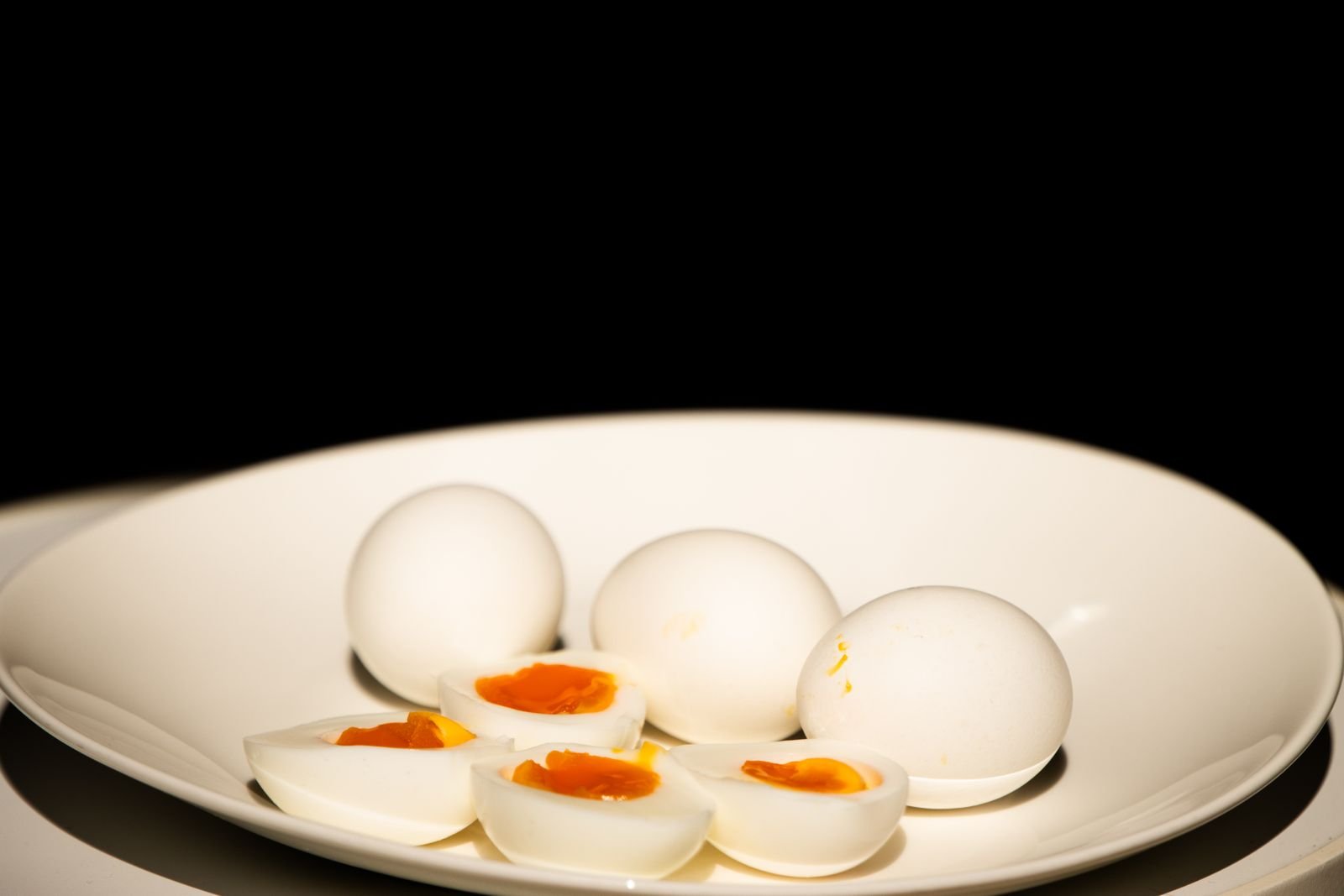
You boil a batch of eggs on a Sunday evening, ready for quick breakfasts and packed lunches all week. By Wednesday you open the fridge, stare at the last two eggs and wonder whether they are still safe to eat. That moment of doubt is exactly why this question matters, and the answer for readers in the UK is shorter than most people expect. How long do boiled eggs last in the fridge? In the UK the official answer is up to two days, which is far less than the week that American websites keep repeating. This guide explains why the UK figure is different, how to store boiled eggs so they reach day two in good shape, and the clear signs that tell you when to throw one away.
The Short Answer: Two Days, Not a Week
Food Standards Scotland, the food safety regulator for Scotland, gives the clearest UK figure available. It says a hard boiled egg can be kept for up to two days in the fridge, with or without the shell. The Food Standards Agency gives the same broad advice for cooked food in general: cool it quickly, refrigerate it, and eat it within two days.
That is a surprise if you have ever read American advice. Sources in the United States, including the US Department of Agriculture guidance quoted by Healthline, say hard boiled eggs keep for about a week in the fridge. Both figures come from official sources, so which one should you follow in a British kitchen? The UK figure. It is the one written for the eggs sold in British shops, the fridges in British homes and the rules that British food safety bodies enforce.
The practical takeaway is simple. Boil only as many eggs as you will eat in the next two days. A batch of six on a Sunday covers Monday and Tuesday. A batch of twelve is a plan to throw food away.
Why Boiling Shortens the Life of an Egg
A raw egg is a tough little package. In the UK, eggs carry a best before date that is typically 28 days from laying, and most eggs sold here come from hens vaccinated against salmonella under the British Lion scheme. Left in the fridge, a raw egg in its shell stays good for weeks.
Boiling changes that completely. A raw egg is protected by the cuticle, a thin natural coating that seals the tiny pores in the shell and keeps bacteria and air out. Boiling washes that coating away. Once the cuticle is gone, the shell is no longer a good seal, moisture escapes, fridge smells creep in and bacteria find an easier way through.
That is why a boiled egg spoils faster than a raw one, even though cooking kills the bacteria that were present at the time. The heat resets the clock, but it also removes the egg’s own defence. From that moment on, the egg is a cooked food with a short life, and it needs the same care as any other leftover.
What the Shell Does and Does Not Do
Keeping the shell on does help a little. It slows drying and shields the white from strong smells in the fridge, which is why unpeeled eggs usually taste better on day two. But the shell does not extend the safe storage time. Food Standards Scotland gives the same two day limit for peeled and unpeeled eggs, and American sources agree that the shell makes no difference to the safety limit. Peel an egg when you are ready to eat it, not the moment it comes out of the pan.
The Two Hour Rule That Matters Most
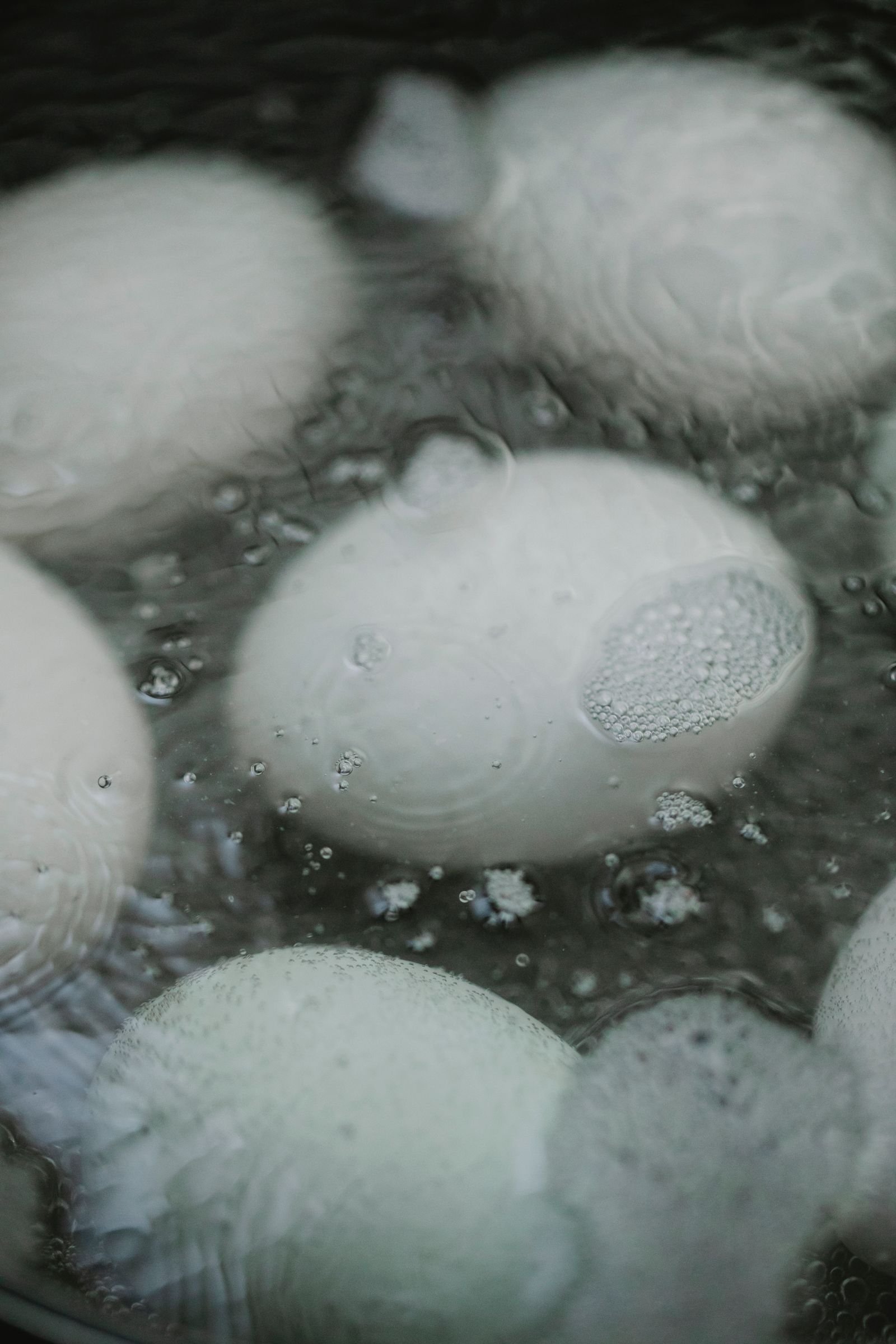
The storage clock does not start when the egg goes into the fridge. It starts when the egg comes out of the boiling water. Cooked food should be cooled and refrigerated within two hours, and the Food Standards Agency is clear that food left out for longer than that should not be eaten. Bacteria multiply fastest between about 8 and 63 degrees C, so an egg sitting on the worktop all afternoon is in the danger zone for hours.
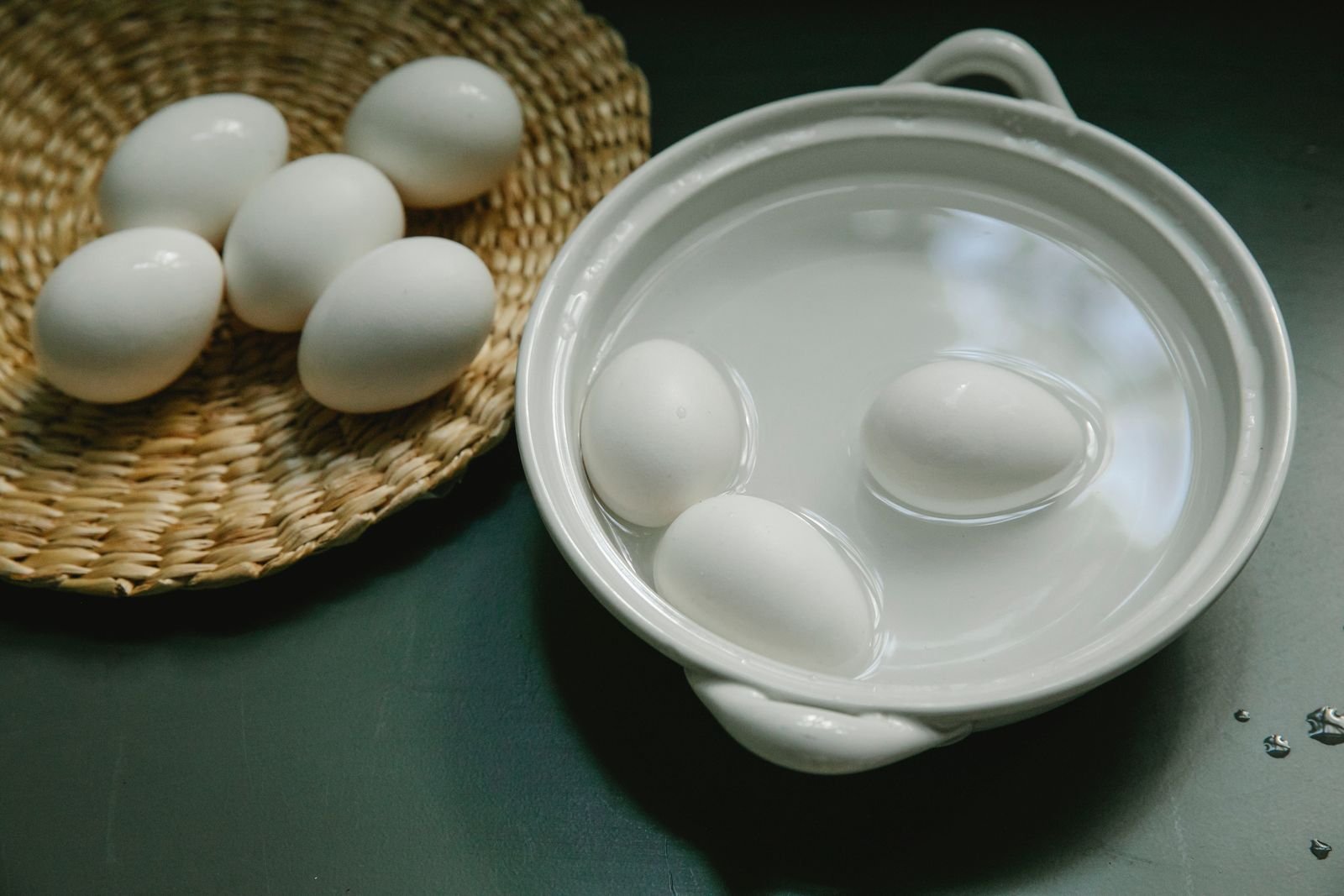
Cool your eggs fast. Tip them into a bowl of cold water with a few ice cubes, or hold them under cold running water for ten minutes. This stops the cooking, makes peeling easier and gets the eggs down to a safe temperature quickly. Dry the shells with a clean tea towel before they go into the fridge, because a damp shell in a closed box is an invitation to mould.
Check your fridge temperature too. UK advice is 5 degrees C or below, and a cheap fridge thermometer will tell you the truth in a way that the dial on the front never does. Keep the eggs on a middle shelf towards the back, where the temperature is steadiest, and never in the door, where every opening lets warm air in.
How to Store Boiled Eggs the Right Way
Good storage is not complicated, but it does need a small routine. Follow these steps and your eggs will still taste fresh on day two.
- Cool the eggs in cold water as soon as they are cooked, then dry them.
- Put them in a clean, covered container or back in the egg box, with the lid closed.
- Write the date on the box or on a piece of masking tape so you know when day two ends.
- Keep the container on a middle shelf, away from raw meat and strong smelling food.
- Eat the oldest eggs first and never mix a fresh batch in with an older one.
Peeled eggs need a little extra care. Keep them in a sealed container, and if you like, cover them with cold water and change the water each day. They will still need eating within two days, but the water stops them drying out and turning rubbery. Unpeeled eggs are simpler: leave the shells on, keep them dry and keep them covered.
The same sealed container habit that keeps other fridge food fresh applies here. If you store cut onions in the fridge, you already know how fast a strong smell travels, and our guide to storing cut onions without the smell spreading uses exactly the same trick of a tight lid and a labelled box.
Peeled or Unpeeled: Does the Shell Change Anything?
Short version: no, not for safety. Both peeled and unpeeled boiled eggs get the same two day limit under UK guidance. The shell matters for quality, not for the safety clock.
A peeled egg dries out faster and picks up fridge smells within hours. If you peel a batch in advance for packed lunches, keep them in a sealed box with a splash of cold water and eat them the next day. An unpeeled egg holds its texture better and stays fresher tasting, so peel just before eating whenever you can.
One more habit helps. Crack the shell gently on a hard surface and peel under cold running water. It is quicker, it leaves less shell stuck to the white, and it means you are not handling a warm egg with dry hands for longer than needed.
How to Tell If a Boiled Egg Has Gone Off
Your senses are the best test you have, and a boiled egg gives clear warnings when it has turned. Trust them.
Smell first. A fresh boiled egg has a faint, mild smell. A bad one smells strongly of sulphur, the classic rotten egg smell, and you will notice it the moment you crack the shell. If the smell makes you pull back, bin the egg.
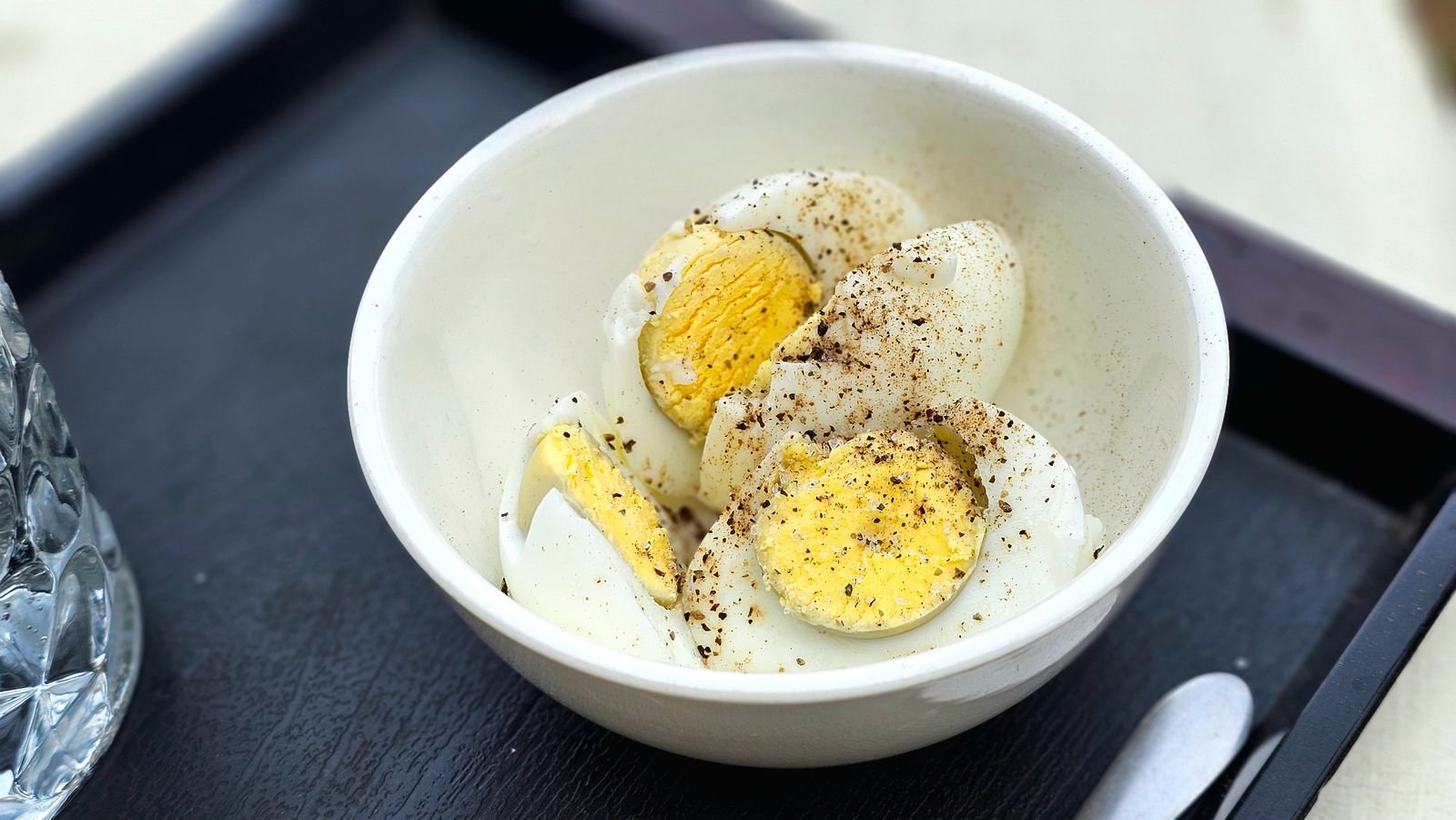
Look next. A slimy or sticky white, a yolk that looks chalky or dried out, dark spots on the shell, or a cracked shell with dried white leaking out all mean the egg is past its best. A grey green ring around the yolk is different: that is a sign of overcooking, not spoilage, and the egg is still safe to eat even if it looks less appetising.
Taste last, and only if the smell and look are fine. If the first bite tastes sour, soapy or simply wrong, spit it out and throw the rest away. A single egg costs pennies. A day of food poisoning costs far more, and the old rule still holds: when in doubt, throw it out.
The same sniff test logic works across the fridge. Mushrooms, for example, go slimy when they turn, and our guide to keeping mushrooms fresh in the fridge without slime shows how a dry box and a quick daily check stop waste before it starts.
What to Do With Boiled Eggs on Day Two
Day two is your deadline, not your bin day, and a boiled egg is one of the most useful leftovers in the kitchen. Use them while they are still good and you will never need to throw one away.
Slice them onto buttered toast with a pinch of salt, chop them into a potato salad, mash them with mayonnaise for a sandwich filling, or halve them over a bowl of ramen. An egg mayo sandwich made the night before is a classic packed lunch, and it travels well if it stays cool in a lunchbox with an ice pack.
If you fancy a hot breakfast instead, a fried egg is a fine change of pace, and if yours keep sticking to the pan, our guide to why fried eggs stick to the pan explains the temperature and oil mistakes that cause it.
Common Mistakes That Waste Good Eggs
Most boiled eggs end up in the bin because of habits that are easy to fix. Here are the ones to watch.
- Boiling a dozen eggs for the week. Two days of eggs is the most you can use safely, so boil six at most.
- Leaving eggs on the worktop to cool for hours. Get them into cold water straight away and into the fridge within two hours.
- Storing peeled eggs uncovered. An open bowl in the fridge dries an egg out overnight and fills it with the smell of everything nearby.
- Freezing whole boiled eggs. The whites turn rubbery and weep when they thaw, and the texture never recovers.
- Trusting the shell to tell you the egg is fine. A perfect looking shell can hide a bad egg, so always crack it open and check the smell.
- Mixing old and new batches in one box. The oldest egg sets the date for the whole box, and you lose track of what is safe.
Frequently Asked Questions
Can I eat a boiled egg after three days in the fridge?
Under UK guidance, no. Food Standards Scotland says a hard boiled egg keeps for up to two days in the fridge. After that the risk of harmful bacteria grows, even if the egg still looks and smells fine.
Do boiled eggs last longer peeled or unpeeled?
Neither lasts longer. The two day limit applies with or without the shell. Unpeeled eggs keep their texture and flavour better, so leave the shell on until you are ready to eat.
Can I leave boiled eggs out overnight?
No. Cooked eggs should be refrigerated within two hours of cooking. An egg left out overnight has spent six to eight hours in the temperature range where bacteria multiply fastest, so throw it away.
Can you freeze boiled eggs?
Whole boiled eggs freeze badly. The whites turn rubbery and watery when thawed. If you must freeze eggs, freeze raw beaten eggs in a sealed container instead, and use boiled eggs fresh within two days.
Why does my boiled egg have a grey ring around the yolk?
The grey green ring is a harmless reaction between iron in the yolk and sulphur in the white, caused by overcooking or cooling too slowly. It is safe to eat. Cook the eggs for a shorter time and cool them quickly in cold water to avoid it.
The Takeaway
How long do boiled eggs last in the fridge? In the UK, two days, and that short answer is the one to trust. Ignore the week long figure from American websites, because it is written for different eggs and different guidance. Boil a small batch, cool it fast, keep it in a covered container on a middle shelf, and use it within two days. Check the smell, look and taste before you eat, and throw an egg away the moment it fails any of those tests. A little planning at the cooker saves you from standing in front of an open fridge on a Wednesday, wondering whether lunch is safe.
