
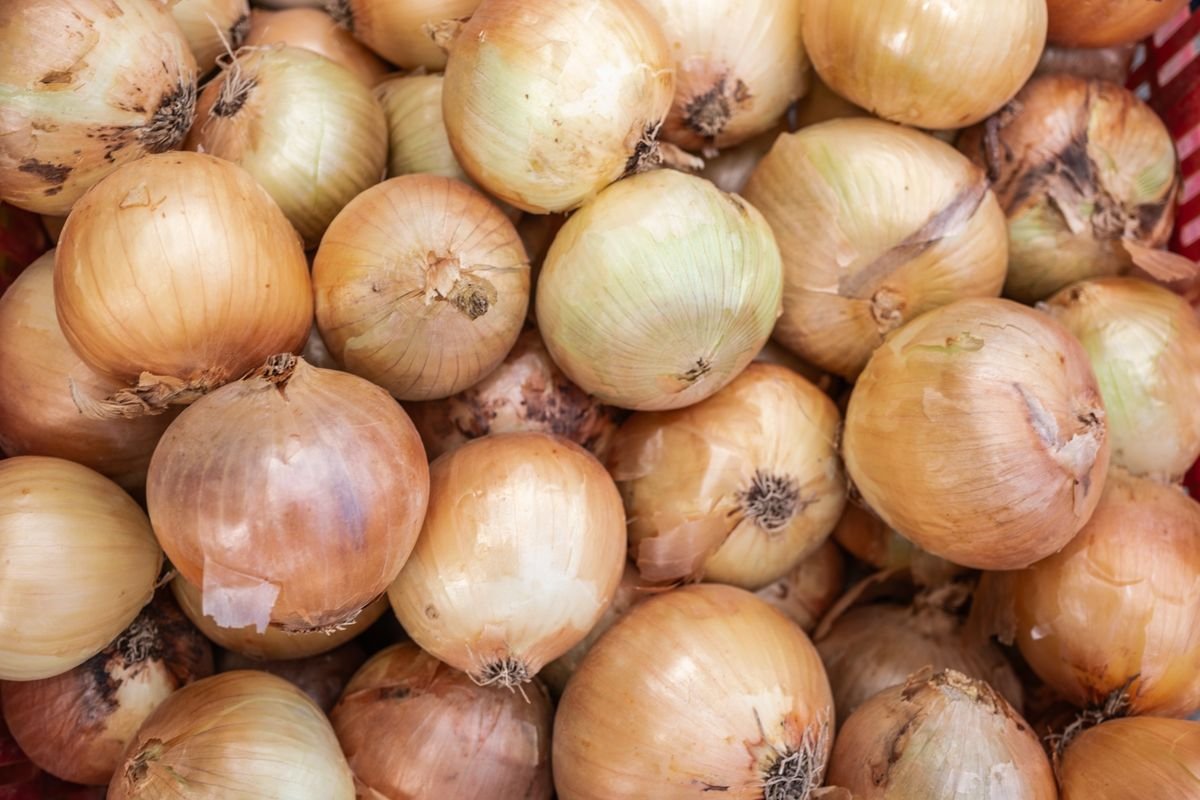
On Sunday evening you chop a big pile of onions for the week ahead. You feel organized. You slide the leftover half onion into the fridge, close the door, and forget about it. On Monday morning you open the fridge for butter for toast, and the butter smells like onion. The milk tastes faintly of onion in your coffee. The whole fridge smells like a diner at closing time, and you wonder why a simple leftover caused so much trouble.
This guide answers the exact question of how to store cut onions in fridge without smell. You will learn why cut onions are so powerful, which storage method truly holds the smell in, where to place the container, how long each cut form lasts, and when to throw onions away or freeze them instead. By the end you will have a simple system you can repeat every week without waking up to an onion scented fridge.
Why Cut Onions Take Over Your Fridge
A whole onion keeps its flavor compounds locked inside intact cells. Once you cut it, you break those cells open. That break releases sulfur compounds, the same family of compounds that make your eyes water when you chop. Those compounds are volatile, which means they easily escape into the air around them.
Your fridge is a small, cold, closed box. Air moves slowly inside it, and smells have nowhere to go. A cut onion left uncovered will keep releasing those compounds hour after hour. The smell builds up, and it settles on every surface and every nearby food.
Why Butter, Milk, and Other Foods Absorb Onion Smell
Some foods are especially good at picking up odors. Butter, cream, milk, cheese, bread, rice, and uncovered leftovers are porous or rich in fat. Fat absorbs odor molecules very easily, and porous foods act like sponges for smells in the air. That is why butter can taste like onion even when it never touched the onion.
Once butter or milk has absorbed onion smell, you cannot easily wash it out. You can mask it in a strongly flavored dish, but for toast, coffee, or a simple sauce, the flavor will still show up. Prevention is far easier than repair, and prevention starts with a truly sealed container.
The Mistake Most People Make
Most people wrap a half onion loosely in plastic wrap, or they drop diced onion into an open bowl covered with foil. Both methods slow the smell for a few hours, but neither seals it in. Plastic wrap stretches and leaves small gaps. Foil tears at the edges and does not hug the cut surface. Air leaks out, and the smell follows it.
Another common mistake is storing onions in the fridge door or near the front. Warm spots and frequent opening let odor escape more often. A better method and a better spot together solve most of the problem.
The Sunday Prep Story That Goes Wrong
Picture a home cook named Maya. She preps on Sunday for a busy week. She dices two onions for tacos, slices one for sandwiches, and saves half a red onion for a salad on Tuesday. She wraps each portion in plastic wrap, stacks them on a fridge shelf, and feels ready for the week.
By Monday morning, her butter smells like onion. By Tuesday, her sliced onions look dry at the edges, and her diced onions have lost their crisp bite. By Wednesday, she is not sure whether the last portion is still good. She throws it away, and she wonders whether prepping ahead is even worth it.
Maya does not need to stop prepping. She needs a system that seals, places, and tracks her onions. The system below is built for exactly that weekly routine, and it uses tools you probably already own.
The Method That Works Best: The Airtight Glass Jar
For cut onions, an airtight glass jar is the most reliable option. Glass does not absorb odors, it does not stain, and it does not transfer flavor from one batch to the next. A jar with a tight fitting lid and a rubber or silicone seal creates a real barrier. When the lid clicks shut, the sulfur compounds stay inside the jar instead of drifting through the fridge.
Glass also lets you see what is inside without opening it. You can check how much onion is left, whether the edges look dry, and whether moisture has collected, all without releasing a puff of onion air into the fridge. That simple visibility helps you use onions on time and waste less food.
How to Store Cut Onions in Fridge Without Smell: The Glass Jar Method
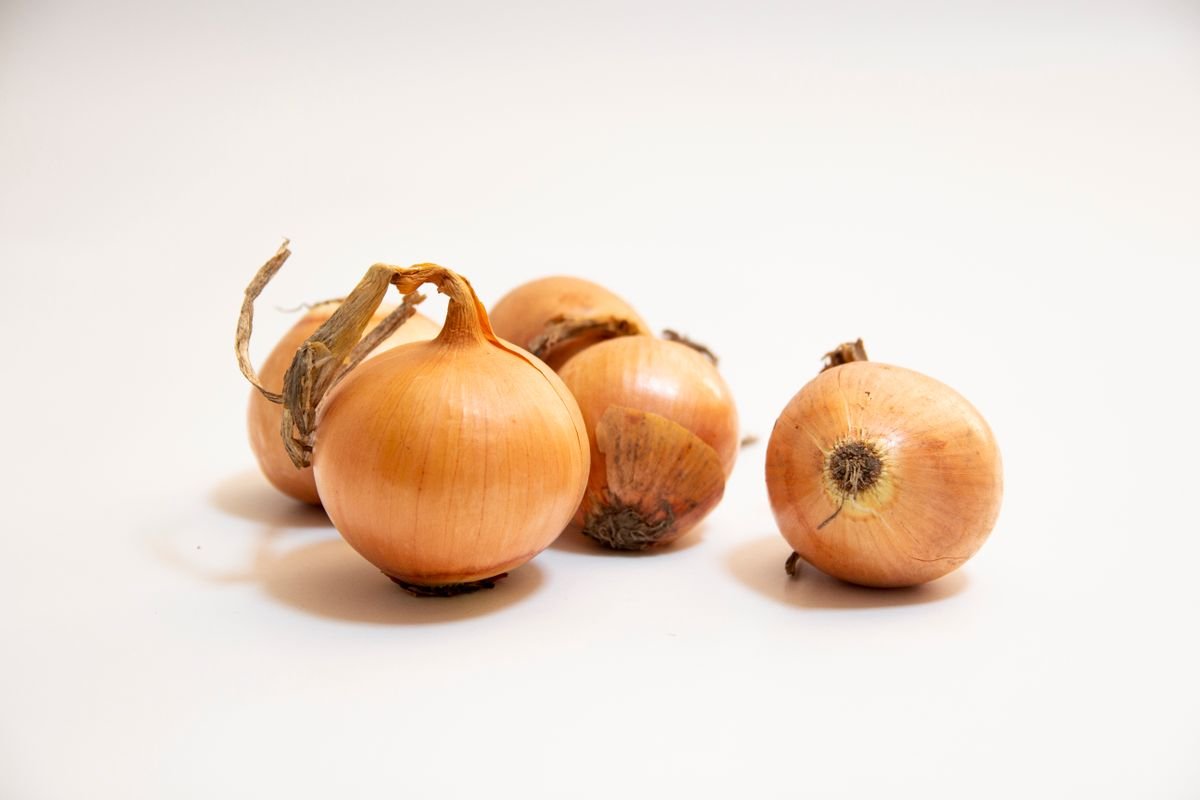
Start with a clean, dry jar that is just big enough for the onion. A jar that is too large leaves extra air inside, and extra air means more room for odor to build. A small mason jar, a jam jar with a screw lid, or a glass container with a locking lid all work well.
Place the cut onion inside with the cut side facing down if you are storing a half onion. For diced or sliced onion, pour it in gently and press it down lightly to remove large air pockets. Do not crush it. You want it compact, not mashed.
Wipe the rim of the jar clean before you close it. A tiny bit of onion juice on the rim can break the seal and let smell escape. Close the lid firmly until it feels snug. If your jar has a locking clip, make sure both sides click into place. Label the jar with the date using tape or a marker so you know when you cut it.
Why Glass Beats Plastic for Onion Storage
Plastic containers are convenient, but many of them absorb odors over time. Even after washing, a plastic container that held onions can still smell faintly of onion. That lingering smell can then transfer to the next food you store in it. Glass washes clean and stays neutral.
Plastic lids also warp slightly with heat and use, which weakens the seal. A glass jar with a metal or sturdy plastic lid tends to keep a tighter seal for longer. If you only have plastic containers, choose one with a silicone gasket and a locking lid, and reserve it for onions so the smell does not migrate to other foods.
A Tested Comparison: Jar vs Wrap vs Bag vs Water
Many guides recommend one method without explaining how the others compare. Here is a practical comparison based on smell control, freshness, and ease of use. Use it to choose the right method for the onion you have and the container you own.
- Glass jar: Best smell control. Keeps diced, sliced, and halved onions fresh and crisp. Easy to see, easy to label, reusable for years, and it does not pick up odors itself.
- Plastic wrap: Fair smell control for a few hours. Good as a short term cover for a half onion, but edges lift and air leaks. Best only when you will use the onion within a day.
- Resealable bag: Good smell control if you press out almost all air before sealing. Better for diced onion than for a half onion, because the flat shape stacks well. Double bagging helps if the first bag still lets smell through.
- Water storage: Poor smell control on its own, and it changes texture. Soaking diced onion in water can soften it and dull its flavor. It can help a sliced onion stay crisp for a salad if you change the water daily, but it does not solve the smell problem unless the container itself is sealed.
The clear winner for smell control is the sealed glass jar. The resealable bag is a strong second place, especially for diced onion you plan to cook. Plastic wrap alone is a backup, not a solution, and water alone should not be your main plan.
Wrap and Bag Backups When You Have No Jar
If you have no clean jar available, you can still reduce smell a lot with careful wrapping. For a half onion, press plastic wrap tightly against the cut surface first, with no air bubbles trapped against the flesh. Then wrap the whole half a second time, and place it inside a resealable bag. Press out the air, seal the bag, and store it flat.
For diced or sliced onion without a jar, use a resealable bag and press it flat before sealing. Lay the bag on a shelf rather than hanging it in the door, so it stays cold and still. If you notice smell even after bagging, place the sealed bag inside a second bag. That extra layer is a simple and effective backup.
For extra protection, you can also place the wrapped onion inside a larger sealed container. Think of it as two barriers instead of one. The inner wrap holds the onion, and the outer container catches any smell that escapes the first layer. This double barrier method works well when you are storing onions near butter, milk, or cheese.
Where to Put Onions in the Fridge
Placement matters almost as much as the container. The coldest and most stable part of most fridges is the back of a middle or lower shelf, away from the door. Temperatures there stay closer to 40 degrees Fahrenheit or below, and the door does not swing open and closed on that spot every few minutes.
Keep cut onions away from foods that absorb odor. Do not store them next to butter, cream cheese, milk, open bread, cooked rice, or uncovered leftovers. If you can, give onions their own small zone, such as a back corner of a shelf or a crisper drawer that you use only for strong smelling produce. A little distance makes a big difference.
Avoid the fridge door for cut onions. The door is the warmest part of the fridge, and its temperature swings every time you open it. Warm swings speed up spoilage and let more odor escape when the seal is disturbed. The door is fine for condiments, but not for cut onions you want to keep fresh and contained.
How Long Cut Onions Last by Cut Form
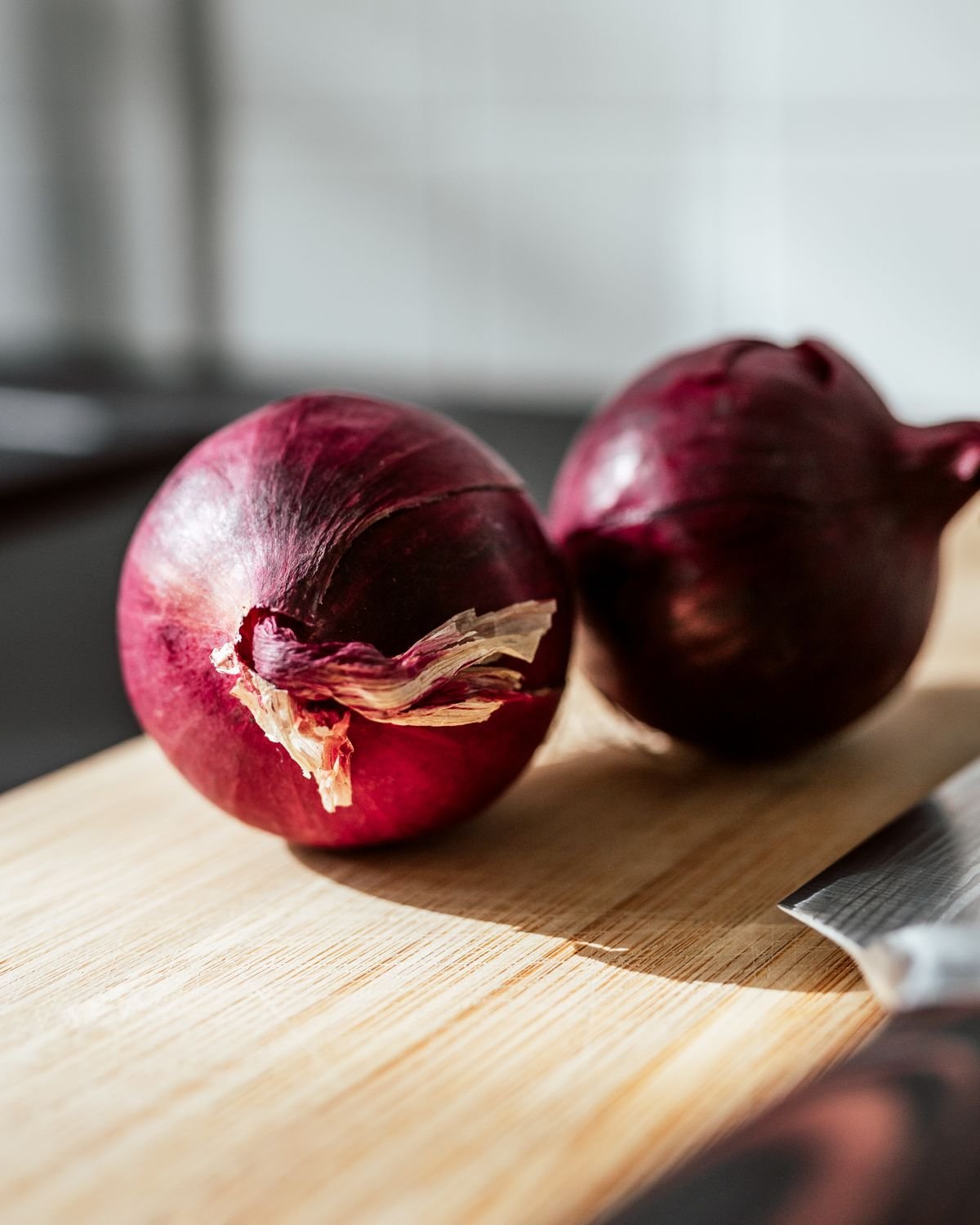
Cut form changes shelf life because it changes how much surface is exposed to air. A half onion has one exposed face. Diced onion has hundreds of small exposed faces. More surface means faster drying, faster flavor loss, and faster spoilage. Use this guide as a practical starting point, and always check smell and appearance before you cook.
- Halved onion, cut side protected in a sealed jar: 7 to 10 days in the fridge at or below 40 degrees Fahrenheit.
- Sliced onion in a sealed jar or bag: 5 to 7 days. Slices dry at the edges first, so check the outer rings before use.
- Diced onion in a sealed jar or bag: 3 to 5 days for best flavor and texture. Diced onion loses crispness fastest, so use it for cooking rather than raw salads after day 3.
- Chopped green onion tops or scallions: 3 to 5 days when dry and sealed. Moisture speeds up slime, so keep them as dry as possible.
These times assume a truly sealed container and steady cold storage. If the container was opened often, left on the counter for a long time, or stored in a warm spot, use a shorter window. When in doubt, trust your nose and your eyes over the calendar.
When to Toss Cut Onions
Throw cut onions away if they smell sour, sharp in an unpleasant way beyond normal onion pungency, or like something fermented. Normal cut onion smells strong, but spoiled onion smells off, sour, or musty. If the smell makes you pull back, do not cook with it.
Look for slime on the surface, dark spots that spread, mold, or a soft and mushy texture that was not there when you cut it. A little drying at the cut edge can be trimmed away from a half onion, but widespread softness or discoloration means the whole portion should go. Do not taste test a portion that looks or smells spoiled to decide.
Also toss onions that have sat above 40 degrees Fahrenheit for more than 2 hours, such as onions left on the counter all afternoon. Cold storage slows bacteria, but it does not reverse time at room temperature. When food safety is uncertain, throwing a small amount of onion away is far cheaper than risking a spoiled meal.
When to Freeze Instead of Refrigerating
Freezing is the better choice if you will not use the onion within the fridge windows above. Diced onion freezes especially well for cooking. Spread diced onion in a single layer on a tray, freeze it until firm, then transfer it to a freezer safe bag with the air pressed out. Label it with the date and the amount.
Frozen diced onion keeps good cooking quality for 3 to 6 months. It will lose its raw crunch, so use frozen onion for soups, sauces, stir fries, curries, and sautés, not for fresh salads or sandwiches. You can cook it straight from frozen in most recipes, which saves thawing time on busy nights.
Halved onions do not freeze as neatly as diced onions, because their texture changes more after thawing. If you have a half onion you cannot use in time, dice it first, then freeze it using the method above. That small extra step turns a likely waste into a ready to cook ingredient.
What Not to Do With Cut Onions
Do not store cut onions next to uncovered butter or milk, even for a few hours. Odor transfer can start quickly, especially with soft butter. Do not store cut onions in an open bowl, even if you plan to use them later the same day. An open bowl perfumes the whole fridge.
Do not store cut onions at room temperature overnight to save fridge space. Room temperature speeds up spoilage and bacterial growth, and it does nothing to contain smell. Do not reuse a plastic bag that held raw onion for other foods without washing it, and do not assume that a single layer of foil is airtight. Foil is useful for covering a dish, but it is not a reliable odor seal for a cut onion.
Do not soak diced onion in water for days and call it stored. Water can keep slices crisp for a short time, but standing water becomes cloudy, the onion loses flavor, and the container still needs a sealed lid to stop smell. If you use water for crispness, change it daily, keep the container sealed, and use the onion within 2 days.
A Simple System That Holds All Week
Here is a weekly system you can follow without extra shopping. On prep day, dice or slice only what you will cook in the next 3 to 5 days, and keep the rest of the onion whole until you need it. Whole onions last much longer than cut onions, so cutting less at once is the easiest way to reduce waste.
Store each cut portion in its own labeled glass jar, with the cut side down for halves. Place the jars at the back of a middle shelf, away from butter and milk. Use the oldest jar first, and check the label before you open a new one. This small habit prevents the forgotten jar at the back that causes most fridge smell problems.
Keep a small backup plan for busy weeks. If you know you will not cook for several days, freeze the diced portion on prep day instead of refrigerating it. You will still save prep time, but you will not race a short fridge clock. For other produce, the same sealed jar logic helps too, as shown in this guide to keeping herbs fresh in the fridge keeping fresh herbs fresh in the fridge. Similar storage habits also help with potatoes keeping potatoes from sprouting and with fruit that ripens fast keeping bananas fresh longer.
The result is a fridge that smells like a fridge, not like an onion. Butter stays sweet, milk stays clean, and your prepped onions stay crisp and ready. That is the real payoff of a good storage system: less waste, better flavor, and no Monday morning surprise when you open the door. That is how to store cut onions in fridge without smell, week after week.
Frequently Asked Questions
Will a cut onion make my whole fridge smell?
Yes, if it is uncovered or loosely wrapped. Sulfur compounds escape easily and settle on fat rich and porous foods. A sealed glass jar or a well sealed double bagged portion stops most of that transfer.
Is it safe to eat cut onion after a week in the fridge?
A halved onion in a sealed jar can last 7 to 10 days if it looks, feels, and smells fresh. Diced onion is best within 3 to 5 days. Toss any portion that is slimy, moldy, sour smelling, or mushy, even if it is still within that window.
Should I store cut onions in water?
Water can keep sliced onion crisp for a day or two for salads, but it is not a good main storage method. It dulls flavor, softens texture, and does not block smell unless the container is sealed. For most uses, a dry sealed jar is better.
Can I store cut onions next to butter if they are sealed?
A truly sealed glass jar makes it much safer, but it is still wise to keep some distance. Store onions at the back of a shelf and keep butter in a covered butter dish or a separate zone, so even a small leak does not flavor your butter.
What is the best container for cut onions?
A small airtight glass jar with a tight fitting lid is best. It blocks smell, does not absorb odors, lets you see the contents, and washes clean. A locking glass container or a double bagged resealable bag is a good backup if you have no jar.
