
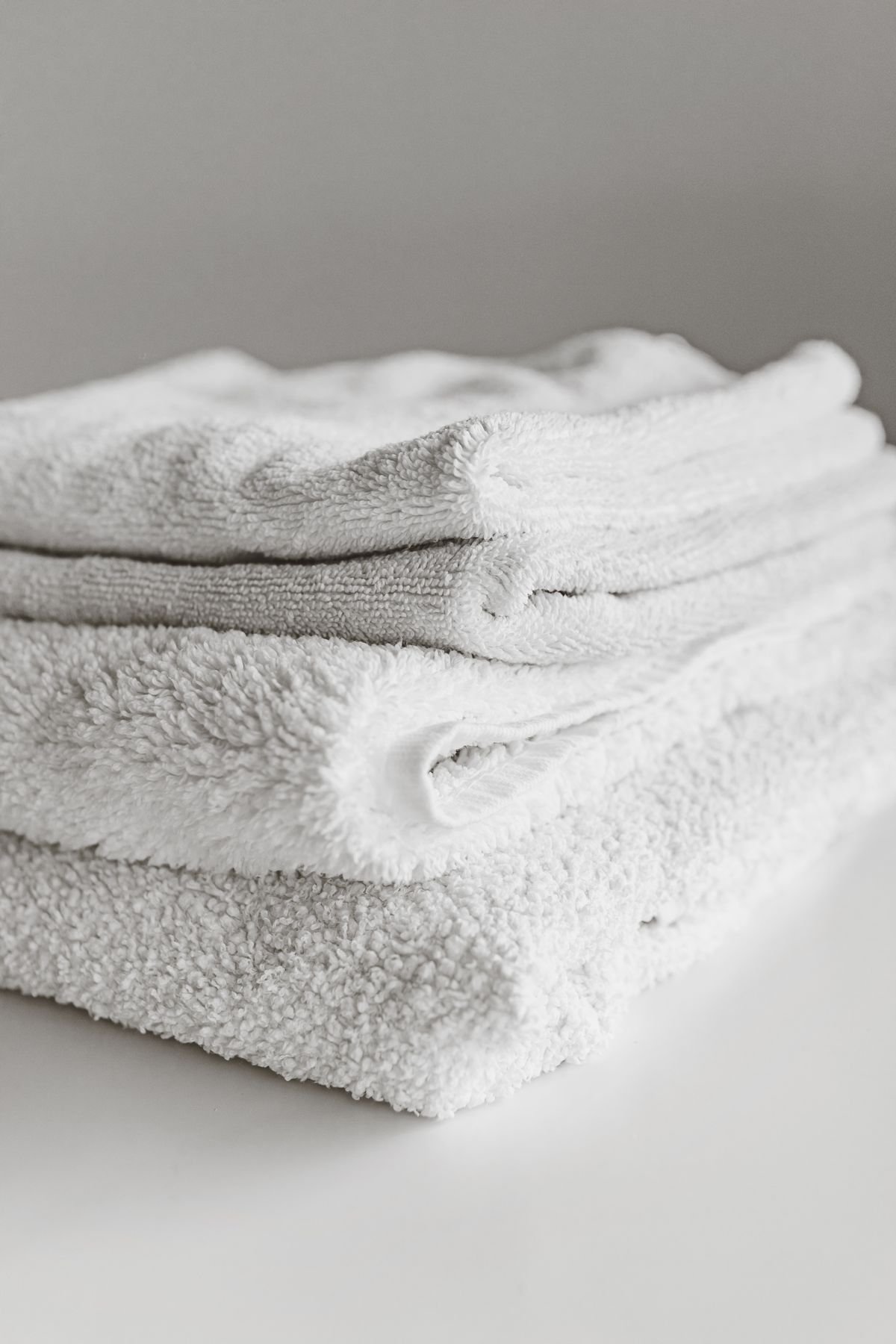
You pull a towel out of the dryer, press it to your face after a hot shower, and instead of clean cotton you get a damp basement smell. The towel looks clean. It just came out of the wash. Yet it smells worse than the laundry basket it came from. If that moment feels familiar, you are not doing anything strange. Millions of households deal with the same problem, and the fix is simpler than most people think. This guide explains how to stop towels smelling musty after washing for good, starting with a two wash reset you can do tonight and ending with a short routine that keeps the smell from ever coming back.
The story behind most musty towels is not dirt. It is a thin layer of living buildup that ordinary washing never fully removes. Cold and warm cycles, extra detergent, and fabric softener all feed that buildup instead of clearing it. Once you understand what is really living in the fibers, the fix becomes obvious. You do not need a new detergent or an expensive product. You need hot water, two pantry staples, and a change in how you dry and store your towels.
Why Towels Turn Musty in the First Place
A towel is built to hold water. Its tiny loops trap moisture deep inside the fabric, and that moisture is exactly what bacteria and mildew need to grow. Every time you shower, the towel picks up dead skin, body oil, and soap residue. If it stays damp for hours, microbes settle in and start to form a sticky layer called biofilm. Biofilm clings to the fibers and protects the bacteria inside it, which is why a normal wash often leaves the smell untouched. The towel comes out looking clean while the smell makers are still alive inside the loops.
The biofilm living in the fibers
The main culprit behind the sour damp laundry smell is a bacterium called Moraxella osloensis, which laundry scientists have identified as the source of that classic wet towel odor. It thrives in damp cotton and produces compounds that bond to the fibers themselves, not just the surface. That is why sniffing a dry towel can seem fine, while the same towel smells terrible the moment it gets wet again. Water wakes the biofilm up. A quick wash in warm water with detergent does not reach deep enough or hot enough to break it down, so the smell returns within a day or two of use.
Too much detergent does more harm than good
Most people use far more detergent than their towels need. The extra soap does not rinse out fully. It leaves a waxy residue inside the fibers, and that residue traps moisture, skin cells, and bacteria. Over time the buildup grows thicker with every wash, and the towel becomes less absorbent and more smelly at the same time. If your towels feel stiff or slightly greasy even after washing, detergent buildup is almost certainly part of the problem. Using less detergent is one of the fastest ways to improve both the smell and the softness of your towels. Our guide on how to keep towels soft after washing covers the detergent side of this in more detail.
Your washing machine may be the real culprit
Front load washers are wonderful at saving water, but their rubber door seals trap moisture and grow mildew. If the seal smells, every load that passes through it picks up some of that odor. Top load machines can grow the same problem around the agitator and under the lid. A towel washed in a smelly machine comes out smelling worse than it went in, no matter how good your detergent is. If you notice a sour smell in the drum itself, clean the machine before you blame the towels. We explain the signs and the fix in our guide on why does my washing machine smell like rotten eggs.
Damp towels never get a chance to dry
The hours between uses matter as much as the wash itself. A towel bunched up on a hook or left in a heap on the bathroom floor stays damp in the middle for hours. In a warm, steamy bathroom that damp center becomes a perfect home for mildew. Towels need airflow on both sides to dry fully between showers. A towel bar beats a hook every time, and a small bathroom with no window or fan makes the problem worse. If your towel still feels cool and damp the next morning, it never dried, and the smell is already building.
How to Stop Towels Smelling Musty After Washing: The Two Wash Reset
This is the method that fixes most musty towels in one evening. It uses two separate hot washes, and the order matters. Do not mix the vinegar and the baking soda in one cycle. Together they neutralize each other into salty water and cancel the effect you want. Run them one after the other, with no detergent in either cycle, and dry the towels fully the moment the second wash ends.
Step 1: Hot wash with white vinegar and no detergent
Put the musty towels in the washer on their own. Set the machine to the hottest wash your towels allow, ideally 130 degrees Fahrenheit or above. Cotton towels handle high heat well, so check the care label and use the hottest safe setting. Add one cup of plain white distilled vinegar straight into the drum or into the fabric softener dispenser. Use no detergent at all in this cycle. The vinegar is acidic, so it dissolves detergent residue and mineral buildup trapped in the fibers, and it disrupts the bacterial cell membranes that protect the biofilm. Let the full cycle run.
Step 2: Hot wash with baking soda and no detergent
As soon as the vinegar cycle finishes, run a second hot cycle. This time add half a cup of baking soda directly to the drum. Still skip the detergent. Baking soda is alkaline, so it neutralizes the acidic odor compounds left behind by the bacteria and gently scrubs residue out of the fibers. Two back to back hot cycles, vinegar first and baking soda second, handle the large majority of musty towel cases. If your machine has a soak option, a 30 minute soak at the start of the baking soda cycle gives stubborn towels extra help.
Step 3: Dry fully and immediately
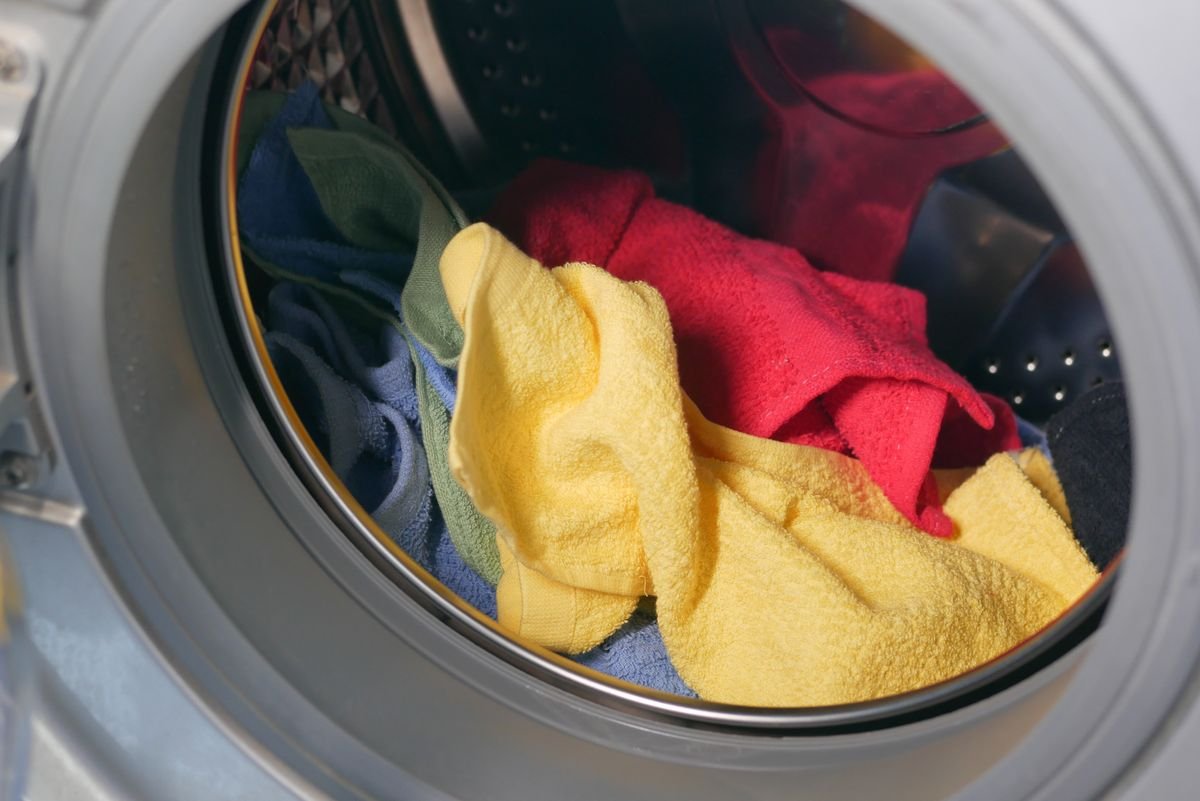
The reset fails if the towels sit damp after the second wash. Move them to the dryer the moment the cycle ends. Do not leave them in the washer for an hour while you do something else. Mildew can start to reestablish itself in as little as 30 minutes in a warm, damp drum. Dry on high heat until the towels are completely dry, not just mostly dry. Any lingering dampness restarts the whole cycle. If you line dry, choose direct sun when you can. Sunlight has a natural germicidal effect, and a good breeze finishes the job that heat starts. When the towels come out, sniff them while they are still warm. They should smell like nothing at all, which is exactly what clean cotton smells like.
Stronger Fixes for Stubborn Smells
Some towels have been musty for months, and the two wash reset may only improve them. If the smell survives the reset, move up to a stronger method rather than repeating the same two washes again and again.
The borax boost
Borax is a laundry booster that softens hard water and helps detergent work better. For a stubborn towel, add half a cup of borax to a hot wash along with your normal amount of detergent. Borax raises the pH of the wash water, which makes it harder for odor causing bacteria to survive. It works well in homes with hard water, where mineral deposits make detergent less effective. Check the care label first, and keep borax away from young children and pets, as with any laundry product.
Oxygen bleach soak for white and light towels
Oxygen bleach, also sold as sodium percarbonate, releases hydrogen peroxide in hot water and breaks down the organic matter that bacteria feed on. Fill a tub or a large bucket with hot water, dissolve one scoop of oxygen bleach per gallon, and soak the towels for four to six hours. Then wash them normally with hot water and dry fully. This method is safe for most colors, unlike chlorine bleach, which can damage fibers and should only be used on plain white cotton towels. Never mix oxygen bleach with vinegar in the same soak.
The strip wash for very old towels
A strip wash is the heavy duty option for towels that have years of buildup. Fill a bathtub with hot water and add half a cup of washing soda, half a cup of borax, and half a cup of powdered detergent. Submerge the towels and soak for four to six hours, stirring now and then. You will often see the water turn cloudy or brown as years of residue release from the fibers. After soaking, wash the towels in the machine with hot water and no extra detergent, then dry fully. Only strip wash towels that are truly at the end of their freshness, because the process is hard on fibers and should not become a regular habit.
The Seven Day Routine That Keeps the Smell From Coming Back
Fixing the smell once is easy. Keeping it away takes a short routine, and the routine is mostly about drying and dosing rather than buying anything new. Follow these habits for a week and they become automatic.
First, hang every towel fully spread out on a bar after each use so air reaches both sides. A bunched towel dries from the outside in, and the middle stays damp for hours. Second, wash towels every three to four uses, not once a week, because skin cells and oil build up fast in damp cotton. Third, use half the detergent you think you need, and skip fabric softener entirely. Softener coats fibers with a waxy layer that traps moisture and kills absorbency. Fourth, leave the washer door open between loads so the drum and the seal can dry. Fifth, run a hot empty wash with two cups of vinegar once a month to keep the machine itself clean. Sixth, rotate your towels so each one gets a full day to dry between uses. A set of three or four towels per person is enough for a good rotation.
Storage matters too. Fold dry towels loosely and keep them in a linen closet or on an open shelf with airflow, never packed tight in a damp bathroom cabinet. A closet that smells musty will pass that smell to everything inside it, so if your storage space has its own odor problem, read our guide on how to get rid of musty smell in closet before you blame the towels again.
Different towel types need different care
Not every towel responds to the same treatment. Thick cotton bath towels hold the most water and need the hottest wash and the longest dry. Thin microfiber towels dry fast but trap body oil, so they benefit most from the vinegar wash and from skipping softener completely. Bamboo towels are soft and absorbent but delicate, so use warm water rather than the hottest setting and avoid oxygen bleach soaks. Turkish towels are thin and dry quickly, which makes them naturally resistant to musty smells, but they still need full drying between uses. Match the method to the material, and check the care label before you use the hottest setting on any towel you care about.
When to Clean the Washing Machine Instead of the Towels
If every towel smells musty no matter what you do, the machine is the problem. Run an empty hot cycle with two cups of white vinegar, then a second empty hot cycle with half a cup of baking soda. Wipe the rubber seal with a cloth dipped in vinegar water, and pull out the detergent drawer to clean the mold that grows behind it. Leave the door open after every load from now on. For front load machines, wipe the seal dry after the last load of the day. A clean machine is the foundation of fresh towels, and a monthly cleaning cycle takes less than five minutes of actual effort.
When It Is Time to Replace a Towel
Even the best routine cannot save every towel. Replace a towel when the smell survives a strip wash and a full reset, when the fibers feel thin or rough no matter how you wash them, or when you can see black spots of mildew that do not wash out. A towel that no longer absorbs water is finished as a bath towel, though it can still work as a cleaning rag. Most good cotton towels last two to three years with regular use. If yours are older than that and the smell keeps returning, new towels plus the routine in this guide will cost less than the endless rewashing.
Conclusion: Fresh Towels Are a Routine, Not a Product
Learning how to stop towels smelling musty after washing comes down to three ideas. First, the smell is living buildup inside the fibers, not dirt on the surface, so a normal wash cannot fix it. Second, the two wash reset, one hot vinegar cycle followed by one hot baking soda cycle, strips that buildup away in a single evening. Third, the smell only stays away if the towels dry fully between uses, the detergent dose stays small, and the machine stays clean. Do the reset tonight, hang your towels spread out on a bar, and use half the detergent next time. Your towels will smell like nothing at all, and that is exactly how fresh towels should smell.
Frequently Asked Questions
Why do my towels smell musty right after washing?
The smell comes from biofilm, a sticky layer of bacteria that lives deep in the towel fibers. Normal warm washes do not get hot enough to break it down, and extra detergent leaves residue that feeds it. A hot vinegar wash followed by a hot baking soda wash removes the buildup that a normal cycle leaves behind.
Can I use vinegar and baking soda in the same wash?
No. Mixed together in one cycle they neutralize each other into salty water and lose their cleaning power. Always run them as two separate hot cycles, vinegar first and baking soda second, with no detergent in either one.
What water temperature removes musty smell from towels?
Use the hottest wash your towels allow, ideally 130 degrees Fahrenheit or above. Heat is what kills the odor causing bacteria and helps the vinegar and baking soda reach deep into the fibers. Check the care label first, especially for bamboo or delicate towels.
How often should I wash bath towels to stop them smelling?
Wash bath towels every three to four uses. Hang them fully spread on a bar between uses so they dry completely. A towel that stays damp for a day will start to smell even if it was clean when you hung it up.
Does fabric softener make towels smell musty?
Yes, over time. Fabric softener coats cotton fibers with a waxy layer that traps moisture and reduces absorbency. That trapped moisture feeds the bacteria that cause musty smells. Skip softener on towels entirely and use wool dryer balls instead if you want extra softness.

1 Comment
Pingback: Stop Feet Sweating in Work Boots: 9 Fixes