
Emma noticed them on a quiet Tuesday evening. She had just watered her monstera, settled on the couch with a cup of tea, and looked up to see a tiny dark fly drifting past her face. Then another. By the next morning, a small cloud of them hovered over the soil of three different pots, and every time she walked past the plant shelf, one or two rose into the air. If you are searching for how to get rid of gnats in houseplants without chemicals, you probably know exactly how annoying this feels. The plants look healthy, the flies look harmless, and yet they are everywhere, landing on your screen, your food, and your patience.
Emma did what many plant owners do first. She bought a spray, misted the leaves, and hoped the problem would end. It did not. The adults vanished for a day, then returned, because the real problem was never on the leaves. It was in the soil, where tiny larvae were feeding quietly out of sight. Once Emma changed her approach and treated the soil, the adults, and the conditions that invited them in, the gnats faded within a few weeks and stayed away. This guide follows that same approach, with no harsh chemicals, no complicated equipment, and no need to throw your plants away.
The story matters because fungus gnats are a symptom, not a mystery. They show up when soil stays wet, when pots drain poorly, and when dead leaves and damp mix give larvae food and shelter. Fix those conditions, break the life cycle at every stage, and the flies run out of places to breed. That is the whole plan in one sentence, and the rest of this article turns it into a simple routine you can actually follow.
How to Get Rid of Gnats in Houseplants Without Chemicals
Start with a quick check before you change anything. Look closely at the soil surface and at the drainage holes. If the top of the mix feels wet, if water sits in the saucer, or if you see tiny white threads or larvae when you lift the pot, you have found the breeding ground. Count how many pots are affected, because gnats move easily from one pot to a neighbour. Treating only the worst pot while leaving a damp neighbour untreated is one of the most common reasons people say the method failed, when really the gnats simply moved house.
Next, separate the problem into three parts. Adults fly and lay eggs. Larvae live in the top few inches of soil and feed on fungi and fine roots. Eggs need moisture to survive. A plan that only kills adults will fail, because new adults keep hatching. A plan that only dries the soil may help, but it can stress thirsty plants if you go too far. The strongest chemical free plan does all three jobs at once, gently, over about four weeks.
Why Gnats Love Your Houseplants
Fungus gnats are small dark flies, often no bigger than a fruit fly, and they are drawn to damp organic mix. A pot that is watered often, a pot with no drainage hole, or a pot filled with dense peat heavy mix can stay wet at the surface for days. That wet surface is perfect for eggs. The larvae then feed in the top layer of soil, where fungi grow on decaying matter. In a healthy plant with strong roots, a few larvae do little harm. In a small seedling, a stressed plant, or a pot that never dries, larvae can damage fine roots and slow growth.
They also love still air and crowded shelves. Plants packed tightly together dry slowly, and a saucer full of standing water keeps the bottom of the pot wet long after watering day. Add a layer of fallen leaves on the surface, and you have food, moisture, and shelter in one small space. None of this means you are a bad plant owner. It usually means your watering routine is a little too generous, or your pots need better drainage, both of which are easy to fix.
Step One: Let the Soil Dry the Right Way
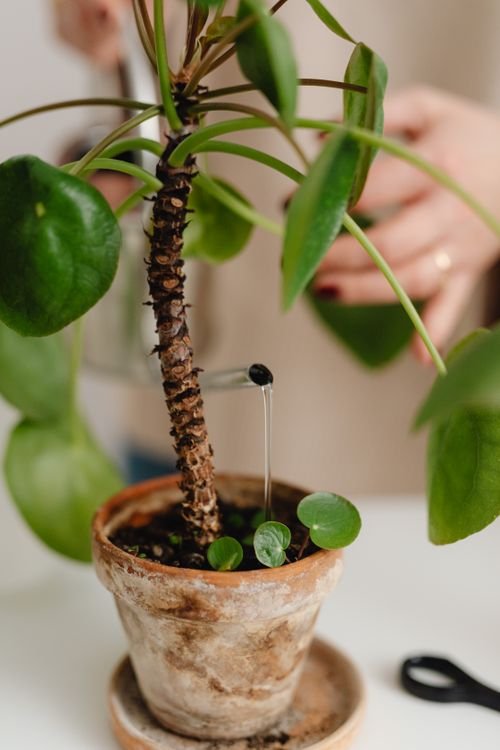
Drying the soil is the single most powerful chemical free step, and it is also the step people most often get wrong. The goal is not to punish the plant. The goal is to let the top one to two inches of mix dry fully before you water again. Push a finger into the mix. If it feels damp at that depth, wait. If it feels dry, water thoroughly until water runs from the drainage hole, then empty the saucer completely. Never leave a pot sitting in water.
For plants that like steady moisture, such as ferns and peace lilies, use a lighter touch. Let the surface dry, but do not let the whole root ball go bone dry. Bottom watering can help here. Set the pot in a tray of water for ten to twenty minutes, let the mix soak up moisture from below, then drain it well. The surface stays drier, which makes it far less inviting for egg laying, while the roots still get a good drink.
Check your pots at the same time. A pot with no drainage hole is a gnat hotel, because water has nowhere to go. Either drill a hole if the pot allows it, or use it as a decorative cover with a plain nursery pot inside, and always tip out excess water after watering. If a plant is in a pot that is far too large, the mix will stay wet for too long. Moving it to a snugger pot with fresh, free draining mix can solve the problem faster than any trap.
Step Two: Trap the Adults So They Stop Laying Eggs
While the soil dries, catch the adults. Yellow sticky traps are simple, cheap, and chemical free in the sense that they use colour and glue, not spray. Place one trap just above the soil surface in each affected pot, with the sticky side facing the plant. Adults are drawn to the yellow colour, land, and cannot lay more eggs. Replace traps when they fill up, and keep them in place for at least four weeks, because new adults keep emerging from the soil during that time.
Traps alone will not end an infestation, but they do two useful jobs. They reduce egg laying right away, and they show you whether your numbers are falling. If you catch fewer flies each week, your plan is working. If the trap fills just as fast in week three as in week one, something is still too wet, and that is your cue to check drainage, pot size, and watering again, rather than to reach for a stronger product.
Step Three: Treat the Soil Where Larvae Live
Now treat the larvae, because they are the engine of the whole problem. The most widely recommended biological treatment is Bti, a naturally occurring soil bacterium sold as mosquito bits or dunks for garden use. Soak the product in water as directed on the label, then water your plants with that liquid. Bti targets fly larvae and is considered safe for people, pets, and plants when used as directed. Repeat every seven to ten days for three rounds, so you catch larvae that hatch after the first treatment.
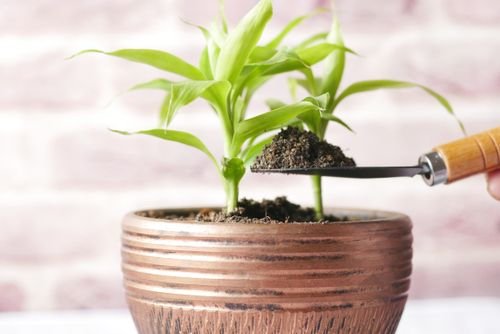
Two other soil helpers are worth knowing. Beneficial nematodes are microscopic worms that hunt larvae in the mix. They arrive in a powder you mix with water, and they work best in moist, but not soggy, soil at normal room temperature. They are invisible, harmless to people and pets, and useful for a larger collection or a stubborn pot. A thin top dressing can help too. A half inch layer of coarse sand, fine gravel, or horticultural grit on the surface creates a dry barrier that adults dislike crossing to lay eggs. It also helps the surface dry faster between waterings.
Some growers add ground cinnamon to the surface, because it can discourage the fungi that larvae feed on. It will not solve a bad infestation on its own, but as part of a drying and trapping plan it does no harm. Neem cake mixed into fresh mix at repotting time works in a similar way, by making the top layer less friendly to fungi. Think of these as supporting players. Drying, trapping, and Bti do the heavy lifting.
Step Four: Repot Only When It Helps
Repotting is tempting when you first see gnats, but it is not always needed. If the mix is old, dense, sour smelling, or stays wet for more than a week, fresh mix will help a lot. Shake off as much old mix as you can without tearing healthy roots, trim away any black mushy roots, wash the pot with warm soapy water, and replant in a free draining mix with perlite or bark mixed through. Water lightly after repotting, then return to the dry surface routine.
If the plant is otherwise healthy and the mix drains well, you can skip repotting and let drying and Bti do the work. Repotting stresses a plant, and a stressed plant recovers more slowly. Use repotting for pots that are clearly waterlogged, for seedlings with damaged roots, or for plants where the mix has broken down into a dense soggy mass. In those cases, fresh mix is not a panic move. It is the fix.
A Simple Four Week Plan You Can Follow
Week one is about drying and trapping. Let the top of the mix dry, empty every saucer, and place sticky traps in affected pots. Remove fallen leaves from the surface. Water only when the top one to two inches feel dry, and water from below for moisture loving plants.
Week two adds the soil treatment. Water with Bti liquid as directed, keep the traps in place, and check your traps. You should see adults, but fewer new ones each day. If a pot still feels wet after several days, check its drainage and consider a smaller pot or fresher mix.
Week three is the repeat round. Apply Bti again, replace full traps, and keep the surface dry. This is the week many people give up, because a few flies remain. Stay with it. Those flies are often the last generation hatching from eggs laid before you started, and without fresh eggs they cannot rebuild.
Week four is about proof and prevention. Apply a third Bti round if you still see flies, then move to maintenance. Keep traps in place for another week or two as a monitor. When a trap stays nearly clean for two full weeks, you can remove it. If flies return, you will catch the problem early, while it is still small.
Mistakes That Keep Gnats Coming Back
The most common mistake is watering on a calendar instead of by feel. A plant in a bright warm room may dry in three days. The same plant in a cool dim corner may take ten days. Always check the soil first. The second mistake is treating only one pot. Gnats fly, so check every pot on the same shelf, even ones that look clean, and trap them all during the treatment period.
The third mistake is stopping too soon. The gnat life cycle takes about four weeks from egg to adult in warm indoor conditions, so a plan that lasts only a few days will miss the next hatch. The fourth mistake is overwatering after repotting. Fresh mix holds water well, so water lightly at first and let the surface dry before the next drink. Finally, avoid misting the soil surface to raise humidity. Misting keeps the top layer wet, which is exactly what gnats want, and it does little for most houseplants compared with grouping plants together or using a pebble tray under the pot, not in the pot.
When to Worry, and When to Relax
For most houseplants, a small number of gnats is an annoyance, not an emergency. Mature plants with strong roots can tolerate a light larval population while you work through the plan. Worry more if you see seedlings wilting, young cuttings failing, or a plant losing leaves while the soil stays wet. In those cases, check the roots, improve drainage at once, and consider repotting into fresh mix.
Also check for other pests while you are looking closely. Fungus gnats are small and dark and hover over soil. Whiteflies cluster under leaves. Spider mites leave fine webbing. If the flies are coming from a drain, a fruit bowl, or a compost bin rather than a pot, the treatment is different, and no amount of soil drying will fix it. A quick test helps. Cover one pot with a clear bag for a day, with the trap inside. If flies collect inside the bag, that pot is a source. If not, look elsewhere.
Keeping Gnats Away for Good
Prevention is mostly good watering habits. Water only when the soil tells you to, use pots with drainage, and choose a free draining mix with perlite or bark. Empty saucers every time. Remove dead leaves from the surface, and give plants space and air flow so the surface dries between waterings. When you bring a new plant home, check its soil, isolate it for a week or two, and place a sticky trap in it as an early warning system.
If you love plants, you will probably meet gnats again at some point, especially in winter when light is low and pots dry slowly. That is normal, and it does not mean you failed. Follow this routine whenever they return, and you will know exactly how to get rid of gnats in houseplants without chemicals. The difference now is that you know the pattern. Dry the surface, trap the adults, treat the soil for three rounds, and give it four weeks. Your plants will thank you with steady growth, and your evenings will be free of tiny uninvited guests hovering over the couch. For more help with plant care at home, see our guide to keeping fresh herbs fresh longer in the fridge, and if your leaves are changing colour, read why houseplant leaves turn yellow for the other common causes to check.
Frequently Asked Questions
How long does it take to get rid of gnats in houseplants without chemicals?
Most infestations clear in about four weeks, because that covers the full life cycle from egg to adult. Traps reduce adults at once, but soil treatments need two to three rounds to catch each new hatch.
Are fungus gnats harmful to people or pets?
Fungus gnats do not bite people or pets, and they do not spread disease in the home. They are mainly an annoyance, although heavy larval numbers can damage the fine roots of seedlings and stressed plants.
Does cinnamon really kill fungus gnats?
Cinnamon alone does not kill larvae reliably, but it can discourage surface fungi that larvae feed on. Use it as a helper alongside drying, trapping, and Bti, not as a replacement for them.
Should I throw away a plant with gnats?
Almost never. Most plants recover fully once the soil dries and larvae are treated. Repot only if the mix is waterlogged or roots are rotting, and keep the plant while you work through the four week plan.
Can I use vinegar traps for fungus gnats?
Vinegar traps catch fruit flies well, but fungus gnats are far less drawn to vinegar. Yellow sticky traps placed just above the soil work much better for fungus gnats, because they target the adults where they breed.
