
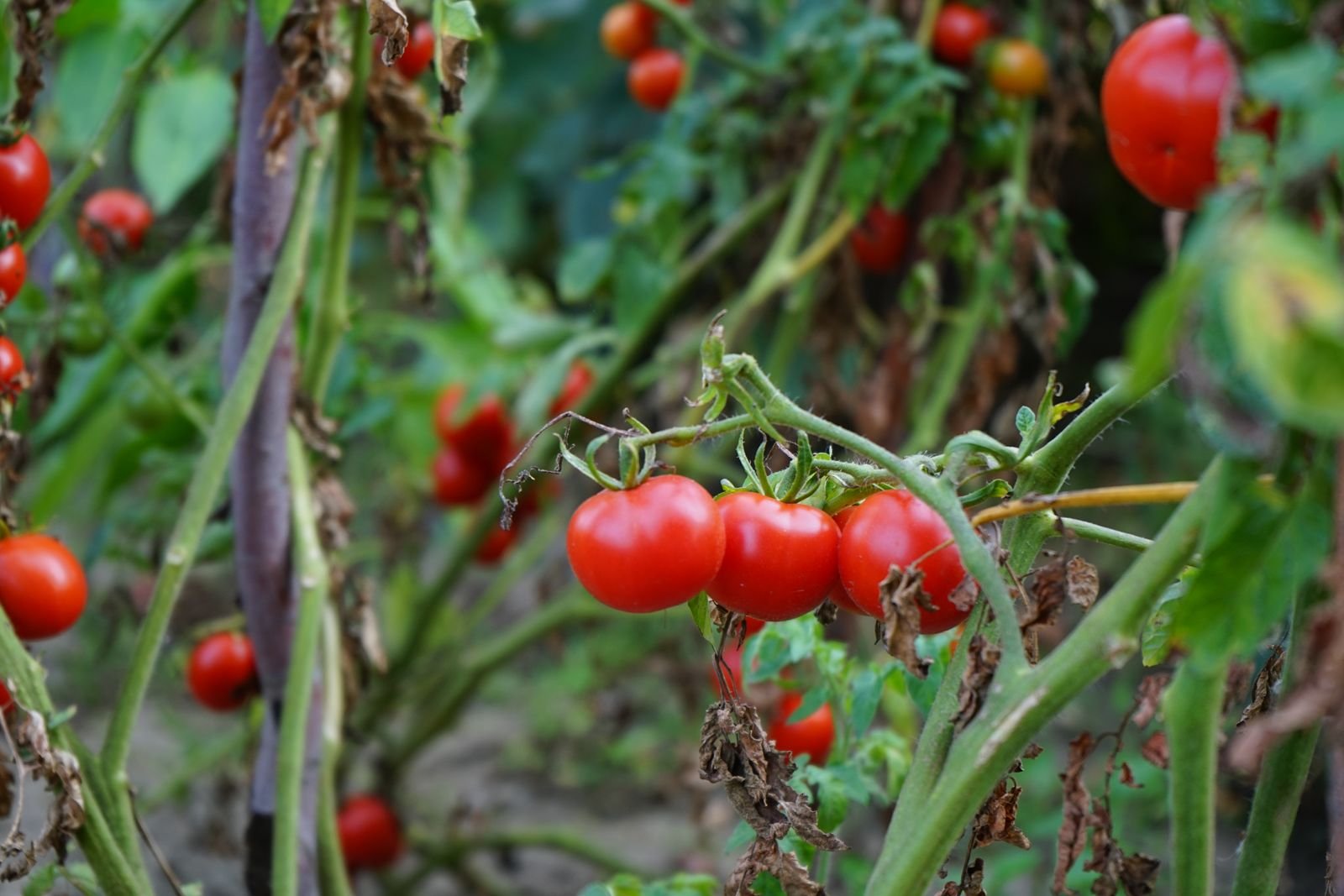
It rained hard in Columbus, Ohio on a Tuesday night in August. The storm broke a two week dry spell, and by morning the garden looked wonderful. The soil was dark and damp, the tomato leaves stood up straight again, and the air smelled like rain on warm earth. Then I walked to the tomato bed and my heart sank. Half the nearly ripe fruit had split wide open overnight. Long cracks ran down from the stems, and a few tomatoes had burst so far that you could see the pale flesh inside. If you grow tomatoes, you know this exact moment. You spend all summer watering, staking, and waiting, and one storm undoes weeks of work in a single night. The good news is that a split tomato is not a lost tomato, and the next storm does not have to do the same damage. This guide explains how to stop tomatoes splitting after rain, what to do with the cracked fruit right now, and how to change your watering so the rest of the season survives.
Here is the short version before we get into detail. Rain splits tomatoes because dry soil followed by a sudden soak makes the fruit swell faster than its skin can stretch. The fix has three parts: sort the cracked fruit the morning after the storm, pick fruit early when more rain is coming, and keep soil moisture steady with deep watering and mulch. Do those three things and splitting drops sharply, even in a wet summer.
Why rain splits tomatoes after a dry spell
A tomato is mostly water held inside a thin skin. As the fruit ripens, that skin gets less stretchy. Penn State Extension explains that cracking happens when water rushes into the fruit faster than the skin can grow to hold it. After a dry spell, the roots are thirsty and the soil is bone dry. A heavy rain soaks the ground in an hour, the roots pull up a huge drink all at once, and the inside of the fruit swells. The skin cannot keep up, so it tears.
Two kinds of cracks show up, and telling them apart helps you decide what to do. Radial cracks run from the stem down the side of the fruit, like a seam bursting open. These are the most common after a sudden storm, and they usually appear on nearly ripe fruit. Concentric cracks form rings around the top of the tomato near the stem. These tend to come from repeated swings between dry and wet soil over days or weeks. Both kinds mean the same thing: the water supply swung too far, too fast.
Some tomatoes split more easily than others. Big beefsteak types and thin skinned heirlooms are the worst, because their fruit is large and their skin is delicate. Cherry tomatoes split too, often right after a rain, because they ripen fast and their skins are thin. Roma and paste types hold up better, since their flesh is firmer and their skins are tougher. Knowing this matters when you choose varieties next year, which we cover below.
One thing worth knowing is that splitting is not a disease. No spray or fungicide will stop it, and no pest caused it. It is a watering problem, and that is good news, because watering is something you can control. If you want to read about other tomato troubles that look similar, our guide to why tomato plant leaves curl up covers the leaf side of heat and water stress.
What to do the morning after the storm
Walk out to the garden the morning after the rain with a basket and a pair of clean scissors or garden snips. Do not wait until the weekend. Cracked fruit rots fast on the vine, usually within a day or two, and rotting fruit draws fruit flies and invites mold that can spread to healthy tomatoes nearby. Ten minutes of sorting now saves fruit you would otherwise lose.

Sort every cracked tomato into one of three piles as you pick it.
- Eat now. The crack is clean and dry, the flesh inside looks fresh, and there is no mold, no sour smell, and no ooze. Pick it, cut away the cracked part in the kitchen, and use it the same day.
- Ripen indoors. The tomato is cracked but still firm and mostly unripe, with color only just starting to show. Pick it and let it finish ripening on a kitchen counter in a single layer, out of direct sun.
- Compost. The crack is deep, the flesh is soft or leaking, you can see mold, or it smells sour. Do not eat it. Drop it straight in the compost pile.
Pick every cracked fruit, even the ones you plan to compost. Leaving split tomatoes on the plant does nothing for the plant. The fruit will not heal, and the open wound stays a doorway for rot and insects. Clearing them also lets you see clearly which healthy fruit is left and how much of the crop you actually saved.
While you are out there, look at the uncracked fruit too. Any tomato that is nearly ripe and starting to blush is at risk if more rain is coming. Pick those early. A tomato picked at the breaker stage, when it has just started to turn from green to pink, will ripen fully indoors and taste just as good as one left on the vine. Penn State notes that harvesting at the breaker to pink stage cuts cracking risk late in the season, because the fruit is off the plant before the next downpour hits it.
How to tell if a cracked tomato is still safe to eat
This is the question every gardener asks while holding a split tomato over the sink. The rule is simple: a clean crack on a fresh tomato is fine, and a dirty crack is not. Cut away the split area with a clean knife, about a quarter inch around the crack, and look at the flesh underneath. If it is firm, bright, and smells like a fresh tomato, use it right away in cooking. If the flesh is dark, soft, slimy, or sour smelling, compost it.
Never eat a cracked tomato raw if the crack has been open for more than a day, or if you see any mold at all. Cooking kills most surface bacteria, but mold can reach deeper into soft flesh than you can see, and a tomato that sat split in warm damp weather is not worth the risk. When in doubt, throw it out. A garden gives you plenty more fruit, and one lost tomato is a small price for staying healthy.
Cherry tomatoes need the same check. They split easily and their small size makes the crack look worse than it is, but the rule stays the same. If the cherry tomato is firm and the crack is fresh and clean, cut the split part off and toss the rest in a salad or a pan. If it is mushy or smells off, compost it.
Rescue cracked tomatoes in the kitchen the same day
A big batch of cracked tomatoes can feel like a disaster until you remember that a tomato bound for the cooking pot does not need perfect skin. Cracked fruit is ideal for sauce, soup, salsa, and roasting, because all of those recipes cut the tomato up and cook it down anyway. The key is to use the fruit the same day you pick it, since cracked tomatoes do not store well.

Start with the easiest rescue, a quick fresh tomato sauce. Cut away every cracked section, chop the good flesh roughly, and simmer it in a wide pan with olive oil, garlic, and a pinch of salt for about twenty minutes. The sauce freezes well in flat bags, so a storm damaged harvest can become four or five weeknight dinners instead of compost. If you have a lot of fruit, roast them instead. Halve the tomatoes, lay them cut side up on a baking sheet, drizzle with oil, and roast at 400 degrees Fahrenheit until the edges brown. Roasted tomatoes freeze beautifully and make soup taste like late summer in January.
Salsa is another good home for cracked fruit, as long as every piece is fresh and firm. Dice the good flesh small, mix with chopped onion, cilantro, lime juice, and a little salt, and eat it the same day. Do not use cracked tomatoes for canning or for any recipe that stores raw tomato at room temperature, because the open crack may have let bacteria in. Cooking is safe. Raw storage is not.
If you picked a lot of fruit at the breaker stage before the next storm, ripen them indoors in a single layer on a counter or in a shallow box, not touching each other. Keep them out of direct sun and away from the fridge. Most will turn fully red in three to five days. Check them daily and use each one as soon as it softens, because breaker picked fruit can go from perfect to overripe fast in a warm kitchen.
How to stop tomatoes splitting after rain with steady watering
Rescuing cracked fruit helps this week, but steady watering is what stops the problem next time. The goal is simple: never let the soil swing from bone dry to soaking wet. Tomatoes need about 1 to 2 inches of water per week from rain or irrigation, applied as thorough soakings rather than light daily sprinkles. Minnesota Extension suggests about an inch per week as a baseline, with more in hot weather. The exact number matters less than the rhythm. Regular, even moisture keeps the fruit growing at a steady pace, so the skin keeps up.
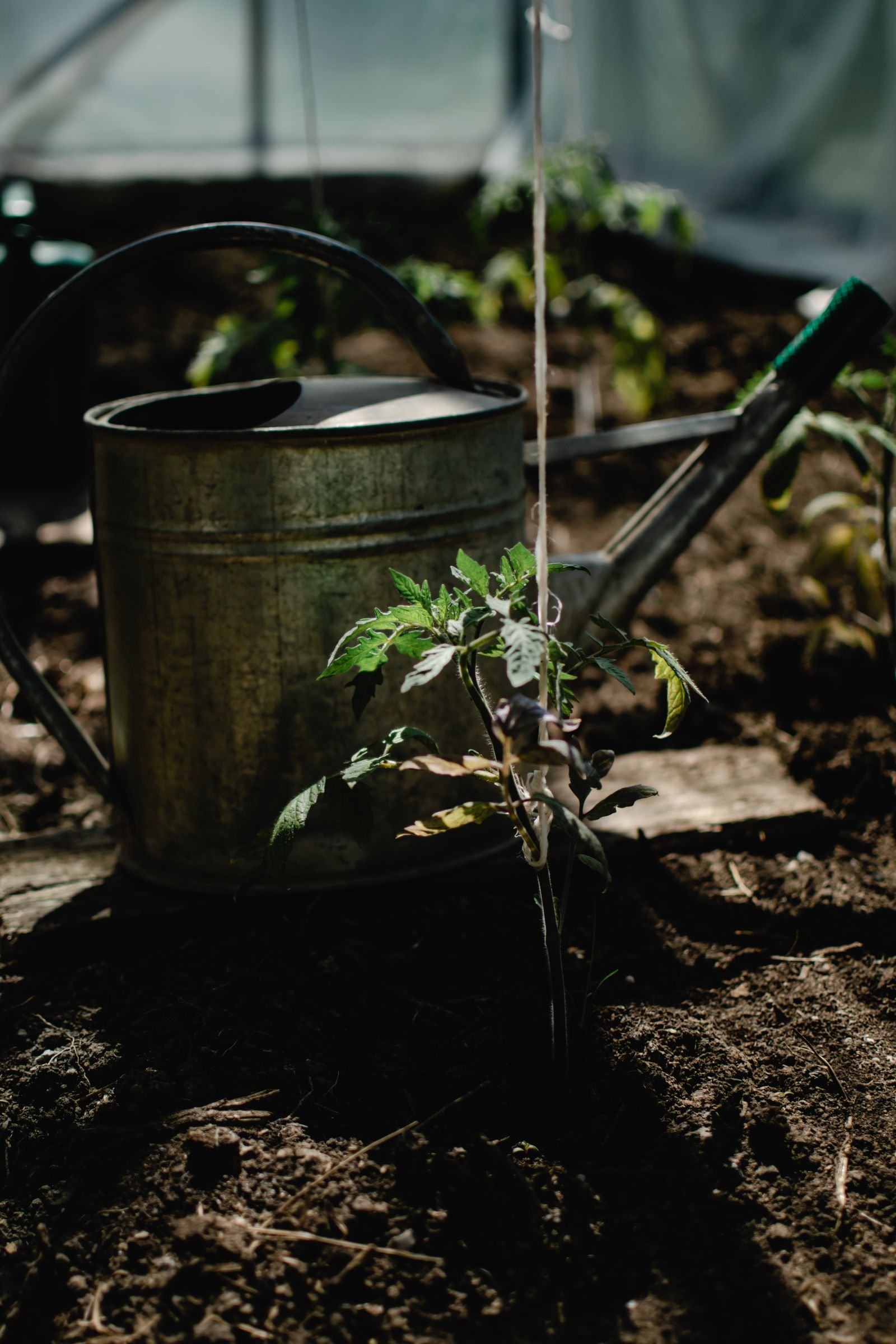
Water in the morning, at the base of the plant, and water deeply. Morning watering gives the leaves time to dry before night, which also helps prevent disease. Watering at the base keeps water on the roots where it belongs, instead of on the leaves and fruit. A soaker hose or drip line is the best tool for this, because it delivers water slowly and evenly right to the root zone. If you water by hand, use a watering can or a slow hose at the base and count to thirty per plant, then move on.
The biggest mistake after a dry spell is flooding the plants to catch up. It feels like the kind thing to do, but a huge soak after days of dry soil is exactly the swing that splits fruit. Penn State warns that heavy irrigation after a dry spell carries the same cracking risk as a storm. If the soil is very dry, water a moderate amount, wait a day, and water again. Bring the moisture back up over two or three days, not in one flood.
Another common mistake is easing off watering as tomatoes ripen. It feels logical, since you want the fruit to concentrate its flavor, but cutting water late in the season makes skins thinner and more likely to split when rain finally comes. Keep the moisture steady right up to harvest. The flavor comes from sun and variety, not from thirst.
A rain gauge is a cheap tool that makes all of this easier. Put one in an open spot in the garden and check it after every rain. If the week brought less than an inch, top up with irrigation. If it brought more than two inches, skip watering for a few days and let the soil drain. Gardeners who track rainfall stop guessing, and their tomatoes show it.
Mulch is the cheapest insurance against splitting
If you do one thing this weekend, mulch your tomato beds. A 2 to 3 inch layer of straw, shredded leaves, or wood chips over the root zone slows evaporation, keeps soil temperature steady, and buffers the shock when rain hits. Clemson Extension recommends that depth, and University of California trials found that steady moisture from mulching cuts splitting sharply. Mulch does the job of even watering even when you are away for a few days.
Apply mulch when the plants are about a foot tall, and keep it a couple of inches away from the stems so the stems stay dry. Straw is the classic choice for tomatoes because it is light, lets rain through slowly, and breaks down into the soil by autumn. Shredded leaves work well too, and they are free if you have trees. Avoid piling thick bark right against the stems, since bark holds water against the plant and can invite rot.
Mulch also helps in ways that have nothing to do with splitting. It keeps soil from splashing onto low leaves during heavy rain, which cuts disease. It smothers weeds that steal water. And it feeds the soil as it breaks down. For the price of one bale of straw, you get the single most useful change a tomato grower can make. If slugs are a worry in damp mulched beds, our guide to how to stop slugs eating seedlings naturally covers the same damp soil problem from the pest side.
Pick early when the forecast turns wet
Weather apps are a tomato growers best friend in late summer. When the forecast shows a storm coming in the next day or two, walk the rows and pick every tomato that has started to color. Fruit at the breaker stage, with a blush of pink or orange at the blossom end, ripens perfectly indoors. Fruit that is fully green should stay on the plant, since it is far less likely to split and it still has growing to do.
This one habit saves more fruit than any other trick in this guide. A tomato on the vine during a storm absorbs the full rush of water. A tomato on your kitchen counter absorbs nothing. If a storm is coming and half your crop is nearly ripe, picking early is not giving up. It is harvesting on your schedule instead of the weather schedule.
After the storm passes, check the plants again before you water. Push a finger two inches into the soil. If it feels damp at that depth, skip watering that day. If it feels dry, water deeply at the base. The finger test takes five seconds and it beats any fixed schedule, because it tells you what your soil actually holds right now.
Choose crack resistant varieties next year
Some of the splitting problem is decided in spring, when you choose what to plant. If your garden splits fruit every August, switch part of next years bed to varieties bred to resist cracking. Celebrity, Mountain Spring, and Patriot are determinate types with a strong record for crack resistance. Among indeterminate types, Big Beef and Iron Lady hold up well in variable weather. Ask at your local garden center which of these they stock, since availability varies by region.
Cherry tomatoes deserve a note here. Many gardeners grow Sweet Million or Sungold because they are sweet, heavy cropping, and fun to eat off the vine. They also split more than almost any other type, because their skins are thin and they ripen fast. If you love cherry tomatoes, keep growing them, but pick them a day early and expect some losses after rain. Mixing one crack resistant slicing variety into the bed gives you a reliable backup when the cherry types suffer.
Heirlooms are the hardest case. Brandywine and Cherokee Purple taste wonderful and split almost on principle. If you grow them, give them the steadiest water you can, mulch heavily, and pick them at the first blush of color. You will still lose a few to every storm, and that is the honest price of growing an heirloom. Most gardeners decide the flavor is worth it, and the steady watering in this guide keeps the losses small.
Mistakes that make splitting worse
A few habits turn a small problem into a big one, and all of them are easy to fix once you see them.
- Flooding dry plants. A huge soak after a dry spell is the same shock as a storm. Bring moisture back gradually over two or three days.
- Stopping water as fruit ripens. Thirsty plants grow thinner skins. Keep watering steady right up to harvest.
- Watering from above late in the day. Overhead sprinklers wet the fruit and leaves, and evening watering leaves them damp all night. Water at the base in the morning.
- Leaving cracked fruit on the vine. Split fruit never heals. It rots, draws flies, and can spread mold to healthy fruit. Pick it the morning after the storm.
- Feeding heavily with nitrogen late in summer. A big dose of fertilizer pushes fast soft growth that splits easily. Feed tomatoes early in the season and ease off once fruit starts to color.
- Planting in bare soil. Bare soil dries fast and soaks fast. Mulch evens out both swings.
One more mistake is blaming the variety when the watering is at fault. Even the most crack prone heirloom will hold together in a garden with steady moisture and good mulch, and even the toughest hybrid will split if it goes from drought to flood in a day. Fix the water first, then judge the variety.
Cherry vs beefsteak vs Roma: who splits most
Not every tomato faces the same risk, and knowing where your plants sit helps you focus your effort. Beefsteak types split most, because their fruit is large, their skin is thin, and they take a long time to ripen, which means more storms pass while they are vulnerable. Cherry types split almost as much, but for a different reason. They ripen fast and their skins are delicate, so a single heavy rain can split a whole truss overnight.
Roma and other paste types split least. Their flesh is dense, their skins are tougher, and their fruit is smaller, so the pressure inside builds more slowly. Salad and slicing hybrids sit in the middle. If you grow a mix, spend your storm prep time on the beefsteaks and cherries first. Pick their blushing fruit before the rain, and leave the Romas to ride the storm out.
Conclusion: three habits that save the harvest
The storm that split my tomatoes in Columbus taught me more in one morning than three summers of reading had. That is how to stop tomatoes splitting after rain in a real garden, not just in theory. Splitting looks like bad luck, but it is really a water story, and water is the one part of the story you control. Sort the cracked fruit the morning after the storm, and use what you can in the kitchen the same day. Pick fruit early when the forecast turns wet, because a tomato on the counter cannot split. And keep the soil moisture steady all season with deep morning watering and a thick layer of mulch, so the next storm arrives at plants that are ready for it.
Do those three things and you will still lose a tomato here and there. That is gardening. But the sight of a whole bed split open after one night of rain should become rare, not routine. Your tomatoes did the hard work of growing all summer. A steady watering routine and a quick morning sort are how you make sure you get to eat them. If whiteflies are adding to your tomato troubles this year, our guide to how to get rid of whiteflies on tomato plants covers that pest in the same plain style.
Frequently asked questions
Are cracked tomatoes safe to eat?
Yes, if the crack is fresh and clean and the flesh inside is firm and fresh smelling. Cut away the cracked area and use the tomato the same day, ideally cooked. Compost any tomato that is moldy, leaking, soft, or sour smelling.
Why do my tomatoes split after rain?
Rain after a dry spell makes the fruit swell faster than its skin can stretch. The roots pull up a sudden rush of water, the inside of the fruit expands, and the skin tears. Steady watering and mulch prevent the dry to wet swing that causes it.
Should I pick tomatoes before it rains?
Yes. Pick any tomato that has started to blush pink or orange before a forecast storm. Fruit picked at the breaker stage ripens fully indoors in three to five days and cannot split once it is off the plant.
Do cracked tomatoes ripen off the vine?
Cracked tomatoes that are still firm and mostly unripe can finish ripening on a kitchen counter in a single layer, out of direct sun. Cracked fruit that is already soft or moldy will rot instead, so compost those.
How do I stop my tomatoes from splitting?
Water deeply and evenly at the base of the plant in the morning, aiming for 1 to 2 inches per week. Mulch with 2 to 3 inches of straw or shredded leaves, pick fruit early before storms, and grow crack resistant varieties such as Celebrity or Big Beef next year.
