
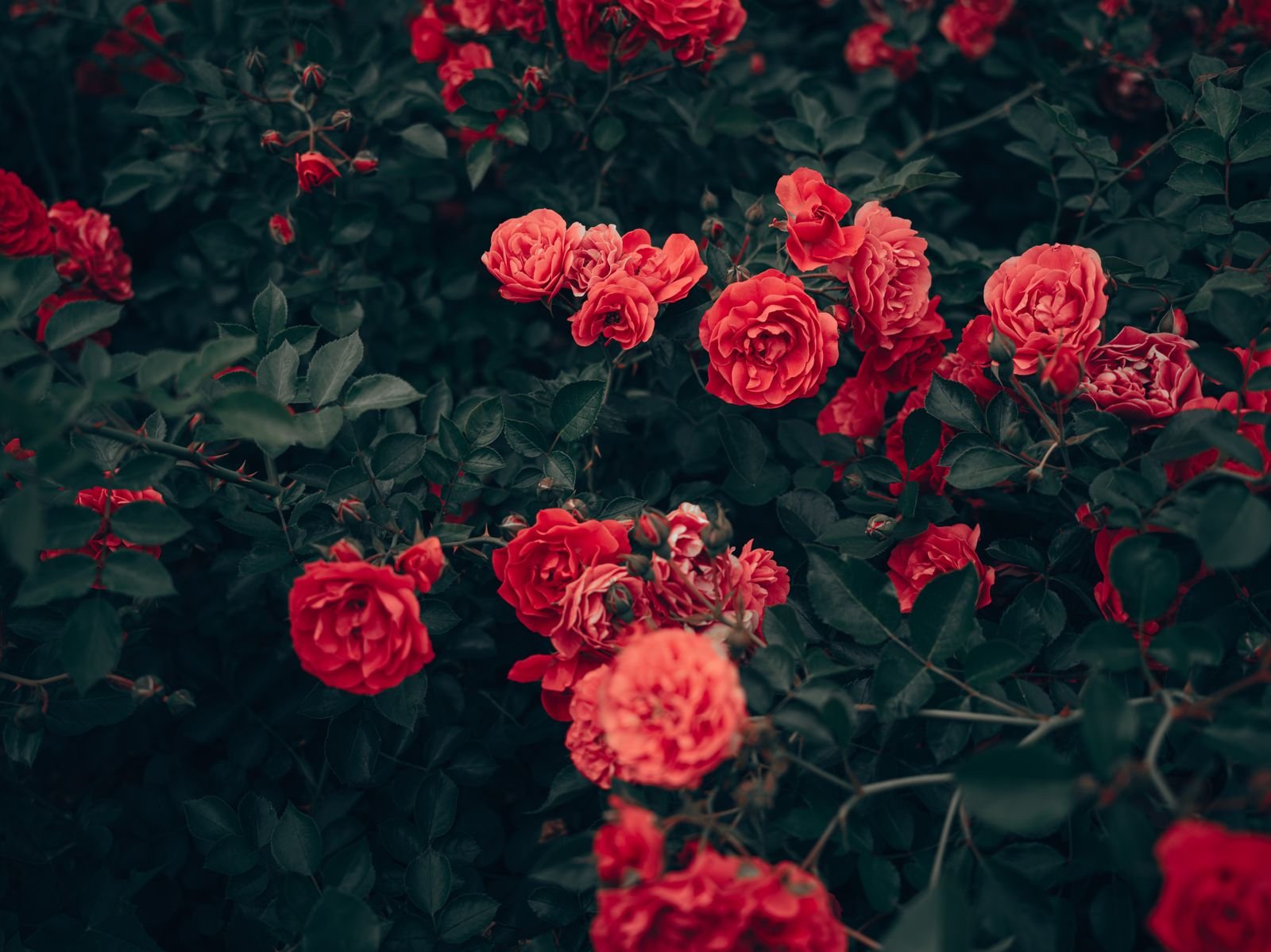
Last spring, a gardener in Columbus, Ohio walked out to her rose beds one bright May morning and found her favorite pink climber looking tired. The new buds were curling inward, the leaves felt sticky to the touch, and clusters of tiny green insects clung to every soft stem. She had aphids, and she had them bad. Within a week of steady work, the same bush was pushing out clean new growth, and she had not opened a single bottle of chemical spray.
If that story sounds familiar, you are in the right place. This guide shows you how to get rid of aphids on roses without chemicals, using methods that are safe for kids, pets, bees and the soil under your roses. You do not need a spray bottle full of poison. You need a plan, a little patience, and the right order of steps. Work through the methods below from gentlest to strongest, and stop as soon as the aphids are gone.
Aphids are small, soft bodied insects that feed on rose sap. They gather on tender new growth, buds and the undersides of young leaves, where they pierce the plant and drink. A few aphids are no cause for alarm, but they reproduce fast. One female can produce dozens of live young without mating, so a small cluster can turn into a full colony in a matter of days. The good news is that the same soft bodies that make them hard to see also make them easy to control without chemicals.
How to Spot Aphids on Your Roses Early
Catching aphids early is half the battle. Check your roses once a week from the time the first leaves open in spring until the growth slows in fall. Look closely at the tips of new shoots and at the undersides of young leaves, because that is where aphids feed first. They are usually green, black, yellow or pink, and about the size of a sesame seed. On roses, the green rose aphid is the most common, and it blends in well with new growth, so take your time and look carefully.
The damage gives them away even when the insects are hard to see. New leaves curl and twist, buds open small and misshapen, and stems look stunted. You may also notice a clear sticky coating on the leaves. That coating is honeydew, a sugary waste that aphids leave behind as they feed. Honeydew attracts ants, and it can grow a black sooty mold that blocks sunlight from the leaves. If you see ants marching up and down your rose stems, follow them. They are often farming aphids for the honeydew, and they will lead you straight to the colony.

Curled leaves are a warning sign across the whole garden, not just on roses. If your tomato plants show the same symptom, read our guide on why tomato plant leaves curl up before you assume aphids are the only cause. On roses, though, curled tips plus tiny clustered insects plus sticky leaves add up to one clear diagnosis.
Do not wait to see if the problem sorts itself out. A light infestation can be cleared in minutes with water alone. A heavy infestation takes a week or more of repeated treatment, and it can weaken a young rose badly enough to spoil a whole season of blooms. Early action is the cheapest and easiest control you will ever get.
Why Chemical Sprays Are the Wrong First Move
It is tempting to reach for a strong spray and end the problem in one pass. The trouble is that broad spectrum insecticides do not just kill aphids. They also kill ladybugs, lacewings, hoverflies and bees, the very creatures that eat aphids and pollinate your roses. Spray once and you may clear the aphids, but you also clear their predators, and the next wave of aphids returns to a garden with nothing left to stop it.
Chemical sprays carry other costs too. Residue can linger on blooms that you cut for the house, and drift can reach vegetables, herbs and water features nearby. Many products also lose power over time, because aphids reproduce so fast that resistant populations can build up after repeated use. In a home garden, that trade rarely makes sense. The gentle methods below cost less, work just as well on a typical infestation, and leave your garden full of helpful insects that keep working after you put the sprayer away.
There is also a simple confidence point. When you learn how to get rid of aphids on roses without chemicals, you gain a skill you can use on every plant in the garden, season after season, without buying a new product each time. The tools are already in your kitchen and your garden hose.
How to Get Rid of Aphids on Roses Without Chemicals
Work through these five steps in order. Start with water, and only move to the next step if aphids remain after two or three days. Most light infestations end at step one or two. Heavy infestations may need the full sequence, and that is fine. Each step is gentle on the plant, so you can combine them safely.
Step 1: Blast Them Off With Water
A strong jet of water is the fastest and simplest aphid control there is. Aphids are weak fliers and poor climbers, so once they are knocked to the ground, most never find their way back to the plant. Set your hose nozzle to a firm jet, not a soft mist, and aim at the undersides of leaves and at the tender shoot tips where aphids cluster. Work in the morning so the foliage dries quickly in the sun, which lowers the risk of fungal problems.

Spray each infested stem for about 30 seconds, then move on. Repeat daily for two or three days, then check every couple of days. On a small rose bush, you can also pick clusters off with your fingers or wipe them away with a damp cloth. The goal is not perfection on day one. It is to knock the population down so far that the plant can outgrow the damage while you watch for stragglers.
Water blasting works best on light to moderate infestations. If the stems are coated thickly and the leaves are already curling hard, water alone will not finish the job, but it still helps. It strips away most of the colony and leaves a much smaller problem for the soap spray in step two.
Step 2: Spray a Simple Soap Mix
Insecticidal soap kills aphids on contact by breaking down their soft outer coating. You can buy a ready mixed product at a garden center, or you can make your own from pure liquid castile soap. Mix 1 teaspoon of pure castile soap into 1 quart of room temperature water, and pour the mix into a clean spray bottle. Use plain soap only. Dish detergent and antibacterial soaps can burn rose leaves, so check the label and skip anything with degreasers, bleach or added fragrance.
Spray thoroughly, covering the tops and undersides of leaves and every infested bud and stem tip. Aphids that the spray does not touch will survive, so be generous and work in good light. Test the mix on one leaf first and wait a day to check for damage, especially on young or stressed plants. Apply in the morning or in the evening, never in full sun or when the temperature is above 85 degrees Fahrenheit, because wet leaves plus hot sun can scorch.
Reapply every four or five days, or after rain, until the infestation clears. Soap spray has no lasting effect once it dries, so repeat visits matter more than a single heavy dose. Two or three rounds usually clear a moderate colony, and your roses will show fresh clean growth within a week.
Step 3: Bring in Neem Oil for Stubborn Colonies
When water and soap have not finished the job, neem oil is the next step up. Neem is a plant based oil pressed from the seeds of the neem tree. Its active compound disrupts the feeding and growth of aphids, and it breaks down quickly in sunlight, so it does not linger in the soil. Mix 2 tablespoons of cold pressed neem oil and 1 teaspoon of pure castile soap into 1 gallon of water, and shake the bottle often as you spray, because oil and water separate fast.
Coat all plant surfaces, paying special attention to the undersides of leaves and the newest growth. Apply in the evening so the oil has the night to work before the sun returns. Do not spray when the temperature is above 85 degrees Fahrenheit, and do not spray on drought stressed plants. Repeat once a week for two or three weeks. Neem works more slowly than soap, but it keeps working between applications, which makes it a good choice for colonies that keep bouncing back.
One caution: neem oil can harm bees if it is sprayed directly on open blooms while bees are active. Spray in the evening when bees have gone home, and avoid spraying open flowers when you can. Your roses will still get full coverage on the stems and leaves where aphids live.
Step 4: Let Ladybugs Do the Work
Ladybugs are the most reliable aphid hunters in the garden. A single adult ladybug can eat dozens of aphids a day, and the larvae eat even more. You can buy ladybugs from a garden center or an online supplier, usually in a bag of about 1,500 insects for around 10 to 15 dollars. Release them at dusk, when it is cool and they are less likely to fly away. Mist the roses lightly with water first, then set the ladybugs gently at the base of the infested plants.
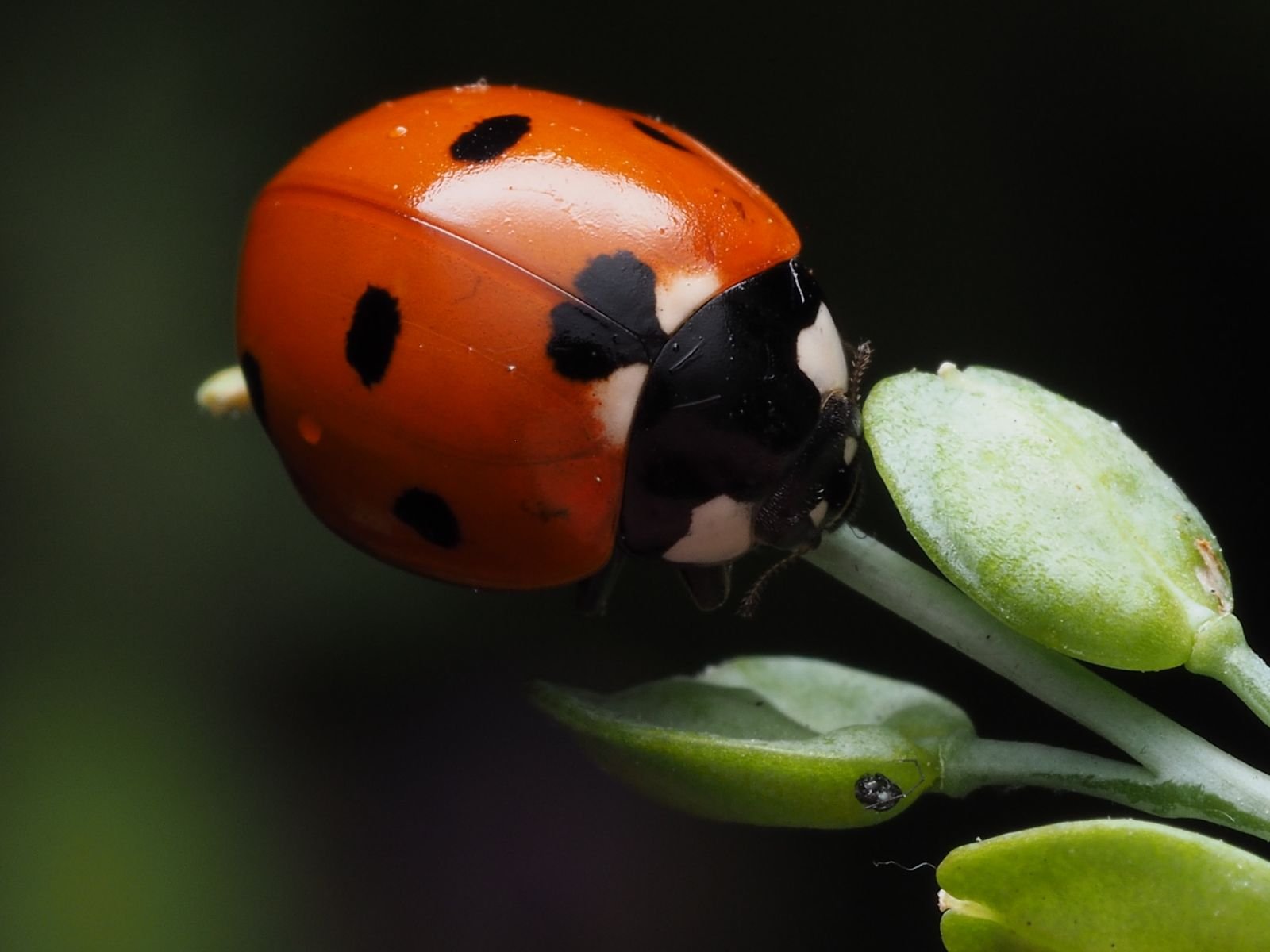
Bought ladybugs often fly off within a day or two, so the better long term play is to invite wild ladybugs to stay. Plant small flowered nectar sources near your roses, such as dill, fennel, yarrow and sweet alyssum. Leave a few undisturbed corners in the garden, and skip broad spectrum sprays entirely. A garden that welcomes predators will hold a steady ladybug population, and a steady population keeps aphids low all season without any work from you.
Other helpful hunters include green lacewing larvae, sometimes called aphid lions, and hoverfly larvae. All three do their best work when the garden is left a little wild around the edges. Tolerate a small number of aphids early in the season, and you give predators a reason to move in before the population explodes.
Step 5: Prune the Worst Growth
If a stem tip is coated in aphids and the leaves are badly curled, do not negotiate with it. Snip it off. Use clean pruners and cut back to healthy growth, then drop the prunings into a bucket of soapy water or seal them in a bag before you throw them away. Do not compost heavily infested material unless your compost pile gets truly hot, because the aphids can survive a cool pile and spread again.
Pruning does two things at once. It removes the densest part of the colony in one move, and it opens up the plant so air and light reach the inner growth. Better air flow dries the leaves faster after rain, which also helps prevent the fungal problems that often follow an aphid attack. A light prune after treatment often triggers a flush of fresh, clean growth within two weeks.
What Not to Do When Aphids Attack Your Roses
A few common mistakes make an aphid problem worse, so it helps to know what to skip. Do not reach for a broad spectrum insecticide as a first resort. It kills the predators that would have solved the problem for you, and it often leads to a bigger rebound a few weeks later. Do not spray soap or neem in full sun or in high heat. Wet leaves plus strong sun can scorch, and you will trade aphid damage for burn damage.
Do not use dish detergent in place of pure soap. Detergents contain degreasers and additives that strip the waxy coating from rose leaves and can cause browning and leaf drop. If the label lists anything other than soap and water, leave it on the shelf. Do not ignore the ants either. Ants protect aphids from predators in exchange for honeydew, so if ants are guarding your colony, control the ants too. A ring of diatomaceous earth around the base of the plant, or a sticky barrier band on the stem, can break the partnership without chemicals.
Finally, do not assume every small insect on your roses is an enemy. Lacewing eggs, ladybug larvae and hoverfly larvae all look strange if you have never seen them before, and they are all on your side. Learn what the helpful insects look like before you spray anything, and you will stop killing your own allies.
The same gentle approach works indoors too. If tiny flies are circling your pots, our guide on how to get rid of gnats in houseplants without chemicals uses the same idea: remove the food source first, then treat gently and repeat until the pests are gone.
How to Keep Aphids From Coming Back
Clearing aphids is only half the job. Keeping them away is the other half, and it comes down to strong plants and regular checks. Start with the plant itself. Roses that are well watered, well fed and growing in rich soil resist aphids far better than stressed plants. Water at the base of the plant in the morning, and keep the soil evenly moist. A layer of mulch around the base holds moisture, keeps the roots cool and feeds the soil as it breaks down.
Feed your roses in spring with a balanced rose fertilizer, and avoid heavy doses of high nitrogen fertilizer. Too much nitrogen pushes out soft, sappy growth, and soft growth is exactly what aphids love. A steady, moderate feed grows tougher stems that aphids find harder to pierce.
Plant companions that repel aphids or attract predators. Garlic and chives planted at the base of rose bushes give off sulfur compounds that aphids dislike. French marigolds do the same job with bright color. Dill, fennel and yarrow draw in ladybugs, lacewings and hoverflies, and a small patch of sweet alyssum under the roses gives those predators a place to live all season.
Make a weekly walk through the beds a habit. Five minutes with a cup of coffee in hand is enough to catch a new colony while it is still small enough to blast off with water. A weekly walk through the beds catches most problems early, and the same habit helps with other pests too, as our guide on how to stop slugs eating seedlings naturally explains. Early is easy, and late is work.
When to Call a Professional
Most home rose growers can handle aphids on their own, but a few situations call for expert help. If an entire hedge of roses is infested and the plants are badly weakened, a professional can treat the whole planting quickly and safely. If you see signs of virus, such as yellow mosaic patterns on the leaves or distorted growth that does not improve after the aphids are gone, get a diagnosis from a local extension service or a nursery. Some rose viruses spread through aphids, and an expert can tell you whether the plant can be saved.
Also call for help if you have tried water, soap and neem for three weeks and the colony is still growing. That usually means there is a hidden source nearby, such as an infested tree or shrub overhead dropping aphids onto your roses, and a professional can track it down. For most gardeners, though, the five steps above are all it takes.
Conclusion
Learning how to get rid of aphids on roses without chemicals comes down to three ideas. Act early, because a small colony is a five minute job and a big one is a week of work. Start gentle and escalate in order, from water to soap to neem oil, and let ladybugs carry the long term load. And keep the plant strong and the garden welcoming to predators, so the next wave of aphids meets resistance the moment it arrives.
The gardener in Columbus followed exactly that plan. She blasted the worst stems with water on day one, sprayed soap twice that week, and planted a strip of dill and alyssum at the foot of the bed. By the end of the month, her climber was blooming again, ladybugs were patrolling the new growth, and she had not spent more than a few dollars. Your roses can do the same. Walk out tomorrow morning, look under the new leaves, and start with water. The rest will follow.
Frequently Asked Questions
How fast can I get rid of aphids on roses without chemicals?
A light infestation can be cleared in one day with a strong water blast. A moderate colony usually takes five to seven days of water and soap spray, repeated every few days. Heavy infestations may need two to three weeks with neem oil added, but you should see clear improvement within the first week.
Will soapy water hurt my roses?
Pure castile soap mixed at 1 teaspoon per quart of water is safe for most roses when you spray in the morning or evening and avoid hot sun. Always test one leaf first and wait a day. Dish detergent is different and can burn leaves, so use pure soap only.
Can I use neem oil on roses in full sun?
Do not spray neem oil in full sun or when the temperature is above 85 degrees Fahrenheit. Apply it in the evening so it can work overnight, and keep it off open blooms when bees are active. Used this way, neem oil is safe for roses and effective against aphids.
Do ladybugs really eat aphids?
Yes. A single adult ladybug can eat dozens of aphids a day, and the larvae eat even more. Release bought ladybugs at dusk near infested plants, and plant dill, fennel and yarrow nearby to attract wild ladybugs that will stay in your garden all season.
Why do aphids keep coming back to the same rose bush?
Aphids return when the plant is stressed, overfed with nitrogen, or growing soft new shoots in a sheltered spot. Ants may also be protecting them. Strengthen the plant with steady watering and moderate feeding, control the ants, and keep checking weekly so each new wave gets blasted off while it is still small.

1 Comment
Pingback: Keep a Compost Bin From Freezing in Winter