
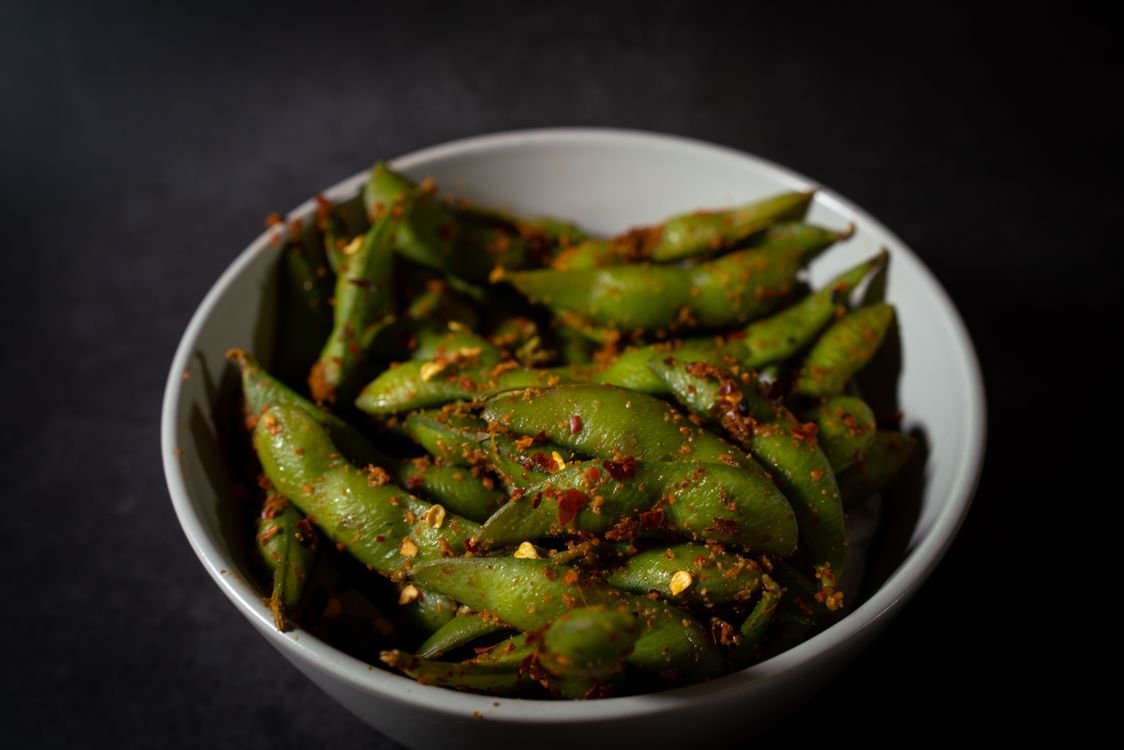
Fresh edamame, lightly boiled and sprinkled with sea salt, is one of those snacks that disappears faster than you expect. In Japan, where edamame is written as 枝豆 and eaten everywhere from izakaya counters to home kitchens, the pods taste sweetest when they are picked hours before eating. That freshness is almost impossible to buy. The good news is that you can grow edamame at home in containers, even if all you have is a balcony, a small patio, or a sunny windowsill corner.
This guide walks you through the whole process of how to grow edamame at home in containers, from choosing a variety to knowing the exact moment your pods are ready to pick. It is written for beginners, it assumes no garden beds, and it covers the mistakes that trip most first time growers up.
Why Grow Edamame in Containers
Edamame plants are compact. Most varieties grow between 45 and 60 cm tall, which makes them ideal for pots. Containers warm up faster than garden soil, so seeds often sprout a few days earlier. You also control the soil completely, which matters because edamame likes loose, well drained soil that is easy to mix in a pot.
Containers also solve the pest problem. Cutworms and slugs love young soybean seedlings in open ground. Lift the plant into a pot on a raised surface and many of those problems simply never appear. On a balcony in Osaka, Tokyo, or anywhere else with limited space, a row of five gallon pots along the railing can produce enough edamame for several summer evenings of snacking.
Choose an Edamame Variety Suited to Pots
Edamame and soybeans are the same species. The difference is the harvest stage. Edamame is the name for soybeans picked green and immature, when the pods are plump and sweet. Any soybean variety can technically be eaten as edamame, but varieties bred for vegetable use produce larger, sweeter beans.
Reliable varieties for containers
Look for compact, early maturing varieties. These are proven choices for pots:
- Midori Giant, a classic home garden variety with large sweet pods.
- Early Hakucho, a Japanese variety bred for early harvests and short seasons.
- Beer Friend, a compact variety with a loyal following among container growers.
- Sayamusume, a Japanese variety known for high yields in small spaces.
Compact or bush type plants suit containers best. Tall field type soybeans are bred for farm equipment, not balconies, and they sulk in pots.
Where to buy seeds
Buy packets labeled edamame or vegetable soybean, not field soybean. Most garden edamame seed is non GMO. In Japan, home centers and garden shops sell seed packets for a few hundred yen. Sow fresh seed each season, since germination drops sharply after the first year.
Pick the Right Pot and Soil
The right pot prevents most watering and root problems before they start.
Pot size and material
Use a container at least 30 cm wide and 30 cm deep for every 3 plants. A five gallon pot is the classic sweet spot for edamame, and it comfortably holds 3 to 4 plants. Larger pots hold moisture better, which means less watering stress for you on hot days.
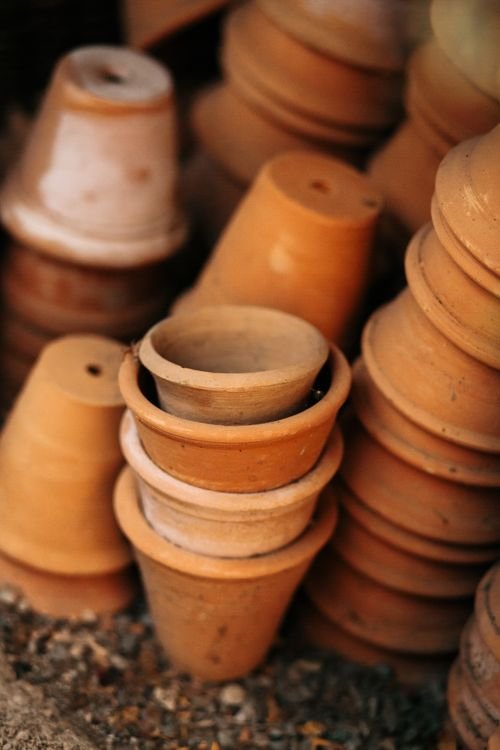
Plastic and resin pots are light and hold moisture well. Terracotta looks beautiful but dries out faster, so plan to water more often. Fabric grow bags are a solid budget option and they air prune the roots, which keeps plants stocky. Whatever you choose, the pot must have drainage holes. Edamame hates sitting in water.
The soil mix
Fill the pot with a high quality potting mix, not garden soil. Garden soil compacts in pots and suffocates roots. A simple mix of potting soil, compost, and a little coarse sand gives you drainage plus fertility. Edamame prefers a neutral to slightly acidic soil, with a pH around 6.0 to 6.8.
Drainage tricks
Place the pot where excess water can escape freely, and raise it on pot feet or bricks so the drainage holes never sit in a saucer of water. A shallow layer of coarse material at the bottom of the pot used to be popular advice, but it actually makes drainage worse in most cases. A uniform, loose potting mix from top to bottom works better.
When and How to Sow Edamame Seeds
Timing matters more with edamame than with many vegetables. The seeds are fussy about cold soil, and a cold wet start is the most common reason for poor germination.
Timing
Sow directly into the pot after the last frost, when the soil temperature stays above about 15 degrees Celsius. In most regions this means late spring. A cheap soil thermometer takes the guesswork out. Sowing into soil that is 18 to 20 degrees gives the fastest, most even sprouting, usually within 5 to 10 days.
You can also sow in succession. Plant a second batch of pots two to three weeks after the first, and you will stretch the harvest season instead of getting one giant flush of pods.
Sowing step by step
- Fill the pot with moist potting mix, leaving about 3 cm of space below the rim.
- Press each seed about 2 to 3 cm deep into the soil. This is deeper than most vegetable seeds, but edamame seeds are large and need firm soil contact.
- Space seeds about 8 to 10 cm apart. You will thin later, so do not fuss over precision.
- Water gently but thoroughly so the mix is evenly damp, not soggy.
- Place the pot in full sun and keep the soil consistently moist until seedlings emerge.
- Once seedlings have two sets of true leaves, thin to the strongest 3 or 4 plants per pot.
Start Seeds Indoors for an Early Harvest
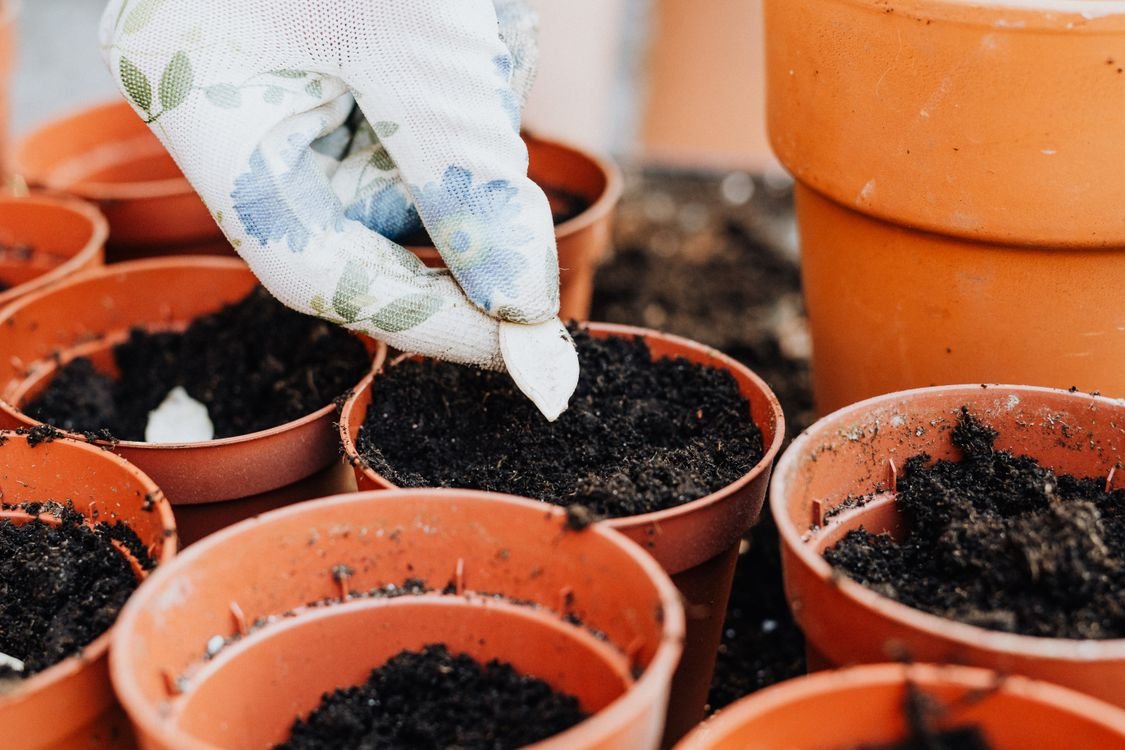
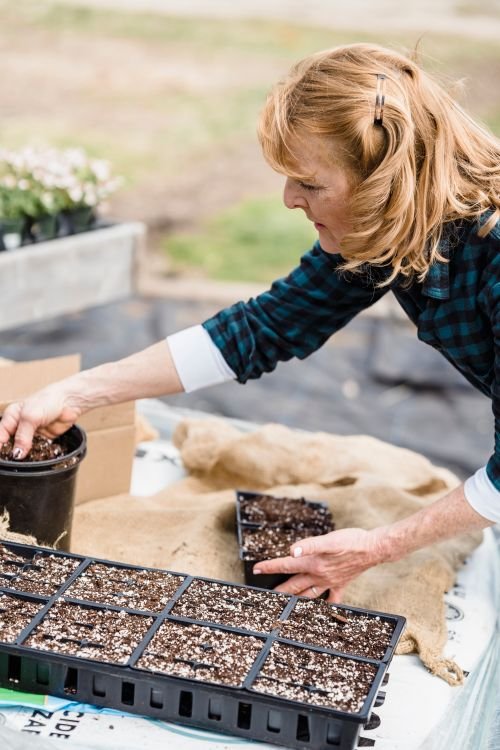
If your spring is short or cold, start seeds indoors two to three weeks before the last frost. Edamame transplants dislike root disturbance, so sow each seed into its own small pot or a cell in a seed tray rather than a shared flat. Keep them in a bright spot or under a simple grow light.
Harden the seedlings off before moving them outside. Give them a few hours of outdoor air each day for about a week, increasing the time gradually. Move them into their final containers when nights stay above about 10 degrees Celsius. Transplant on a cloudy afternoon and water well, and they will settle in without drama.
Sunlight, Water, and Feeding
Edamame is a summer crop with simple needs. Give it sun, steady water, and restraint with fertilizer, and it largely takes care of itself.
Light
Edamame needs at least six hours of direct sun per day, and eight is better. A south facing balcony or the sunniest corner of the patio is ideal. Plants in shade grow leggy, flower late, and set thin pods. If you only have a half day of sun, choose the earliest maturing variety you can find and accept a smaller harvest.
Watering
Pots dry out faster than garden beds, so check the soil daily in warm weather. Water when the top 2 to 3 cm feels dry, and water until it runs from the drainage holes. The critical period is flowering and pod fill. Drought stress at that stage produces flat, empty pods, which is heartbreaking after months of care.
Mulching the surface of the pot with straw or shredded leaves holds moisture and keeps the soil temperature steady. It is a small step that makes a real difference in containers.
Feeding
Here is the fun part. Edamame is a legume, which means it partners with soil bacteria to pull nitrogen from the air. It largely feeds itself. Mix a little compost into the potting mix at planting time, and that is usually enough.
Do not drown the plants in high nitrogen fertilizer. Too much nitrogen grows impressive leafy plants with disappointingly few pods. If the leaves look pale after flowering, a light feed of balanced liquid fertilizer is fine, but most container edamame never needs it. Many container gardeners grow basil in pots nearby too, since basil attracts helpful insects to the balcony. If your herbs look sad, our guide on why basil plants die covers the common causes.
How to Grow Edamame at Home in Containers: Your 9 Step Plan
If you want the whole method at a glance, here it is:
- Pick a compact vegetable soybean variety such as Midori Giant or Early Hakucho.
- Choose pots at least 30 cm deep with drainage holes.
- Fill with a loose potting mix blended with compost.
- Wait until the soil stays above 15 degrees Celsius, then sow seeds 2 to 3 cm deep.
- Keep the pot in at least six hours of direct sun.
- Water when the top few centimeters of soil dry out.
- Skip heavy fertilizer and let the plants fix their own nitrogen.
- Watch for aphids and slugs, and act early.
- Harvest when the pods are bright green, plump, and the beans nearly fill the pod.
Common Problems and How to Fix Them
Container edamame is forgiving, but a few issues show up again and again.
Seeds do not sprout
Cold wet soil is almost always the cause. Wait for warmer soil, sow again, and use fresh seed. Old seed has weak germination, so this is rarely worth fighting.
Lush leaves but few pods
This usually means too much nitrogen or too little sun. Cut back on feeding, move the pot to a sunnier spot, and thin crowded plants so light reaches every leaf.
Flat or misshapen pods
Drought during flowering and pod fill is the classic cause. Keep watering consistent through this stage. Stink bugs feeding on young pods can cause similar damage, so check under leaves for them in the evening.
Aphids and caterpillars
Aphids cluster on tender new growth. Blast them off with a strong jet of water, or spray both sides of the leaves with insecticidal soap. Hand pick caterpillars. Edamame usually outgrows light pest damage without any treatment.
Slugs, snails, and digging animals
Slugs climb pots, so copper tape around the pot rim or a ring of diatomaceous earth on the soil surface helps. Squirrels sometimes dig in pots looking for the seeds they remember burying. If digging animals are a recurring problem in your garden, our guide to stopping squirrels from raiding bird feeders covers animal proofing tactics that work for pots too.
Yellow leaves late in the season
Lower leaves yellowing after the pods fill is natural aging, not a disease. The plant has done its job. If the whole plant yellows early in the season, that points to overwatering or root trouble, so check drainage first.
When and How to Harvest Edamame
The harvest window is short, and this is where container growers have an edge. You can watch your plants every day and pick at the perfect moment.
The harvest cue
Start checking about 75 to 90 days after sowing, depending on the variety. The pods should be bright green and swollen, with the beans inside nearly filling the pod. Pick one pod and taste a bean. It should be sweet, tender, and milky. If the pods turn yellow, you waited too long and the beans will be starchy.
The peak window lasts about three to five days per planting. This is the real payoff of succession sowing. Two batches of pots give you two harvest windows instead of one panicked weekend.
How to pick and store
Pull the whole plant and strip the pods, or pick pods individually. Either works. Use the pods the same day for the best flavor. If you must store them, keep fresh pods in a breathable bag in the fridge and use within three days. For freezing, boil the pods in salted water for about three minutes, cool them in iced water, drain well, and bag them for the freezer.
From Pot to Table: Enjoying Your Edamame
The classic way to eat them needs almost no recipe. Boil the pods in well salted water for three to five minutes until tender, drain, and sprinkle with flaky sea salt while they are still steaming. Eat by squeezing the pods between your teeth to pop the beans out, izakaya style.
Once you have the basics down, try tossing hot edamame with minced garlic and a splash of soy sauce, or with chili flakes for a spicy version. Nothing you buy frozen will taste quite like pods you picked an hour before dinner.
Frequently Asked Questions
Can edamame really grow in a container?
Yes. Edamame plants are compact and suit pots well. Use a pot at least 30 cm deep, give it six or more hours of sun, and water consistently. A five gallon pot holds three to four plants comfortably.
Are edamame and soybeans the same thing?
Yes. Edamame is the name for soybeans harvested green and immature. The Japanese word edamame literally means stem beans, from the old practice of selling the pods still attached to the stem.
Are edamame seeds GMO?
Most edamame seed sold for home gardens is non GMO vegetable soybean. Field soy grown on commercial farms is a different product. Check the seed packet if you want to be sure.
How many edamame plants do I need?
For fresh eating, plan on 10 to 15 plants per person across the season. Each plant produces roughly 30 to 50 pods. A few pots on a balcony can keep one or two people in fresh edamame for weeks.
How long does edamame take to grow?
Most varieties mature 75 to 100 days after sowing. Early varieties can be ready in about 70 days. Start seeds indoors or choose an early variety to shorten the wait.
Conclusion: Your Container Edamame Takeaways
Learning how to grow edamame at home in containers comes down to a handful of basics. Choose a compact variety, give it a roomy pot with loose well drained soil, wait for warm weather before sowing, water steadily through flowering, and go easy on fertilizer. Watch the pods daily once they start swelling, and harvest when they are plump and bright green.
The reward is a bowl of edamame that tastes better than anything from a freezer bag, grown on a balcony you already have. Start with two or three pots this season. Once you taste the first homegrown batch, you will want to sow the next round yourself.
