
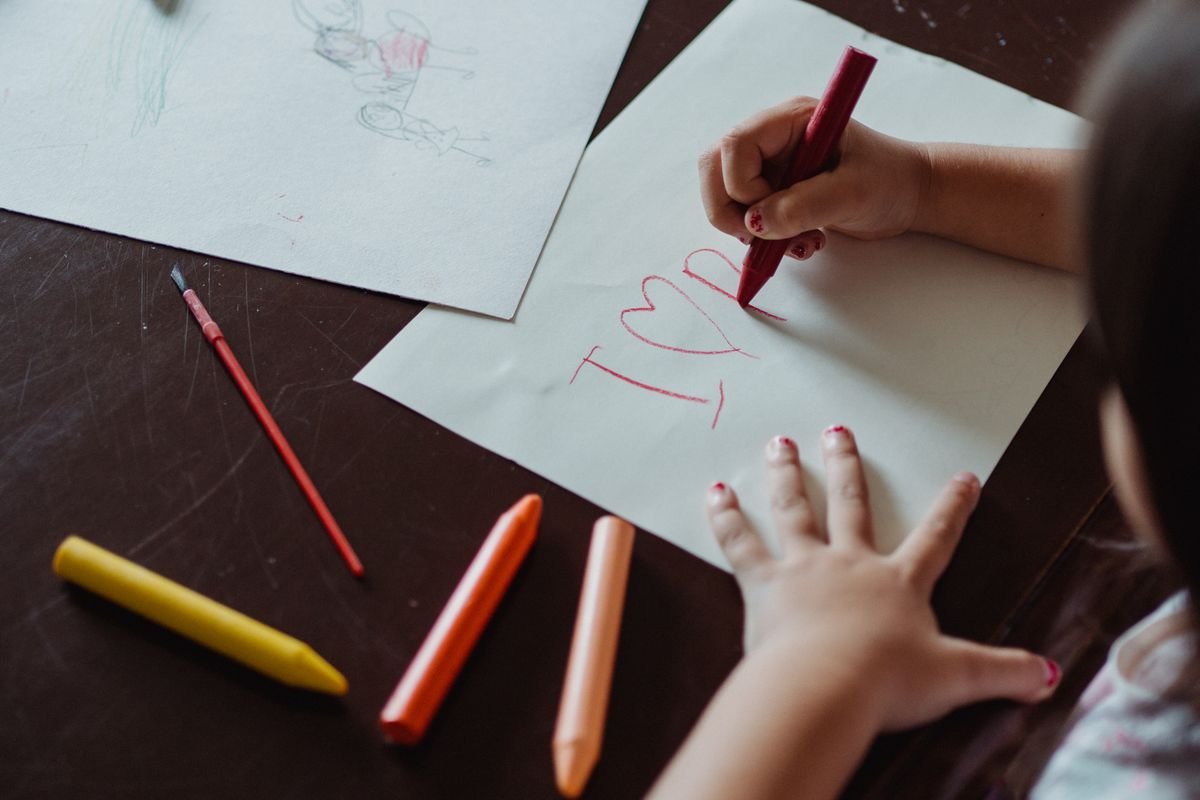
You walk into the living room with a cup of coffee and stop. The wall that was plain white yesterday now has a purple dinosaur, a green sun, and what might be a very determined rainbow. Your child stands beside it, crayon in hand, proud as can be. You want to laugh, and you also want the wall back. This is the moment to slow down. Crayon is wax and pigment, and wax lifts best with patience and gentle methods. Harsh scrubbing is what damages paint, not the crayon itself. The steps below show how to remove crayon from wall without damaging paint, starting with the gentlest method and moving up only if you need to.
Read the Wall Before You Clean It
Every painted wall is not the same. Flat and matte paint looks soft and modern, but it marks easily and it does not like water or friction. Eggshell and satin finishes are a little tougher. Semi gloss and gloss paint in kitchens and bathrooms can take more cleaning. If you are not sure what finish you have, look at how the wall reflects light. A wall that looks chalky and absorbs light is probably flat. A wall with a soft sheen is probably eggshell or satin. A shiny wall is probably gloss.
Find a hidden test spot first. Try behind a door, low behind furniture, or inside a closet on the same paint. Clean a coin sized area with your chosen method, let it dry fully, and look at it in daylight. If the color looks dull, lighter, or shiny in one patch, stop and use a gentler method. This one test saves you from turning a small crayon mark into a large dull patch that only repainting will fix. If your wall is wallpaper, textured plaster, or limewash, be extra careful. Those surfaces trap wax in grooves and tear easily, so gentle dabbing beats scrubbing every time.
Why Crayon Holds On So Well
A crayon is mostly wax with color mixed through it. When a child presses hard, the wax warms slightly and bonds to tiny pores and bumps in the paint. That is why a dry cloth just smears it. Water alone cannot dissolve wax, because wax repels water. You need a method that lifts the wax gently, either by loosening it with a mild cleaner, absorbing it with a soft abrasive, or softening it with a little warmth or oil. The goal is always the same: lift the wax off the paint, not grind it into the paint.
Fresh crayon is easier than old crayon. If you can, clean it the same day. Older marks that have sat through warm afternoons can set deeper, especially on flat paint. That does not mean the wall is ruined. It means you may need two gentle passes instead of one, with drying time between them. Judge the result only when the wall is fully dry. A damp wall can look clean and then show a faint shadow as it dries, and a damp wall can also look damaged when it is simply wet.
How to Remove Crayon From Wall Without Damaging Paint: Start With Soap and Water
This is the method to try first on every paint finish, and it solves many fresh marks on its own. Paint makers themselves recommend mild soap and a soft cloth for routine wall cleaning, and the same care applies here. Work in small sections, keep the cloth damp rather than wet, and let the soap do the work instead of your elbow.
- Mix a few drops of mild dish soap into a bowl of warm water. The water should feel warm on your hand, not hot.
- Dip a clean white microfiber cloth into the bowl and wring it out very well. It should be damp, not dripping. Extra water can run down the wall and leave marks of its own.
- Dab the crayon mark from the outside edge inward. Hold the damp cloth on the mark for ten to fifteen seconds so the soap can loosen the wax.
- Make light passes with a clean section of the cloth. Turn or fold the cloth often so you are not spreading color back onto the wall.
- Wipe the area with a second cloth dampened with plain water to remove soap residue.
- Blot dry with a soft towel and let the wall air dry before you judge the result.
If the mark is fading, repeat one gentle cycle after the wall dries. Do not increase pressure to speed things up. Pressure is the fastest way to burnish flat paint, which leaves a shiny patch that catches light. Two patient passes beat one hard scrub every time. This soap and water habit is the same gentle approach that works for everyday marks, much like the care needed when you remove tea stains from mugs without scratching the surface.
Baking Soda Paste for Marks That Remain
If soap and water leave a shadow, baking soda is the next step up. Baking soda is a very mild abrasive. It is gritty enough to lift wax, but fine enough that gentle use will not strip sound paint. Think of it as polishing the wax away rather than sanding the wall. Use it with a light hand, especially on flat paint.
- Mix about two parts baking soda with one part water until you have a thick paste, about the texture of toothpaste.
- Test the paste on your hidden spot first. Rub very lightly, rinse, dry, and check for dullness before you use it on the crayon.
- Put a small amount of paste on a soft cloth or your fingertip. Rub the crayon in small circles with light pressure, working in a hand sized area at a time.
- Wipe the paste away with a clean damp cloth, then wipe again with plain water.
- Blot dry and inspect in daylight. Repeat once if a faint shadow remains, then stop and let the wall rest.
Keep the paste off wood trim and baseboards if you can, and wipe any drips right away. Baking soda residue left on the wall can leave a white film, so the plain water rinse matters. If you have a large mural to clear, divide it into sections and finish the full paste, rinse, and dry sequence on one section before you move to the next. That way you can see real progress and you will not lose track of which areas are done.
Other Gentle Options, in Order of Strength
When soap and baking soda are not enough, you still have gentle options before you reach for anything harsh. Try them one at a time, with a test spot and drying time between each. Never stack three methods on the same spot in one session. That is how paint gets dull.
A plain eraser for small marks
A clean white art eraser or a soft pencil eraser can lift light crayon from gloss and satin paint. Rub very lightly and brush the crumbs away with a dry cloth. Stop if you see paint color on the eraser. That means you are removing paint, not crayon. This method is best for a few stray lines, not a whole wall of art.
A melamine foam eraser, used with care
Melamine foam, sold as a magic eraser, removes crayon well, but it is a fine abrasive and it can dull flat paint. Dampen it, wring it out, and use the lightest pressure you can. Work on a small area and check often. Save it for semi gloss and gloss paint, or for a small flat paint mark where a faint change in sheen matters less than the crayon itself. If the foam starts to crumble or the wall looks shiny, stop.
Mayonnaise or a little cooking oil
Oil dissolves wax, which is why full fat mayonnaise is a classic trick for crayon on walls. Dab a thin layer onto the mark, leave it for about ten minutes, then wipe it away with a damp cloth and wash the area with soapy water to remove the grease. This works well on satin and gloss paint. On flat paint, use it only on a test spot first, because oil can leave a dark patch. Keep pets out of the room while it sits, or you may trade a crayon problem for a licking problem.
Plain white toothpaste
A dab of plain white toothpaste, not gel and not a whitening formula with strong grit, can lift crayon with gentle rubbing. Apply a thin layer, rub lightly with a soft cloth in small circles, then wipe clean with a damp cloth. This is a good option for a small stubborn line. Rinse well, because toothpaste residue dries white and can look like a new mark.
Gentle warmth from a hair dryer
Low heat softens wax so it wipes away more easily. Hold a hair dryer on its lowest warm setting about six inches from the wall and move it slowly for thirty seconds. Blot the softened wax at once with a clean cloth, turning the cloth often. Do not use high heat, and do not hold the dryer in one spot. Too much heat can blister paint or drive wax deeper into flat paint. Warmth is a helper for the soap method, not a method on its own.
Methods to Avoid
Some popular advice will damage paint faster than it removes crayon. Avoid steel wool, scouring pads, stiff brushes, and any abrasive powder meant for sinks and tubs. Avoid strong solvents, paint thinner, acetone, and undiluted vinegar on flat paint. Vinegar is water based and wax resists water, so it does little for crayon and its acidity can dull a flat finish. Avoid bleach. It will not lift wax well and it can change the paint color. If a method promises instant results with heavy scrubbing, it is promising paint damage too. The same restraint applies in the kitchen, where gentle methods protect finishes when you clean a burnt saucepan without scrubbing and keep the pan usable for years.
Match the Method to the Paint Finish
Flat and matte paint needs the gentlest care. Start with soap and water, use baking soda only with a test spot and very light pressure, and skip melamine foam unless you accept a possible sheen change. Eggshell and satin paint can usually handle soap, baking soda, and careful melamine foam use. Semi gloss and gloss paint are the most forgiving. They can handle all the gentle methods above, and they usually release crayon with soap and water alone. Wallpaper needs dabbing only, no soaking and no abrasive paste, and textured walls need extra patience because wax sits in the grooves. For textured walls, use the oil method or gentle warmth to reach into the texture, then blot rather than rub. Never scrape a textured wall. Scraping tears the texture and leaves a smooth scar that stands out more than the crayon did.
If the Mark Will Not Move: Touch Up the Paint
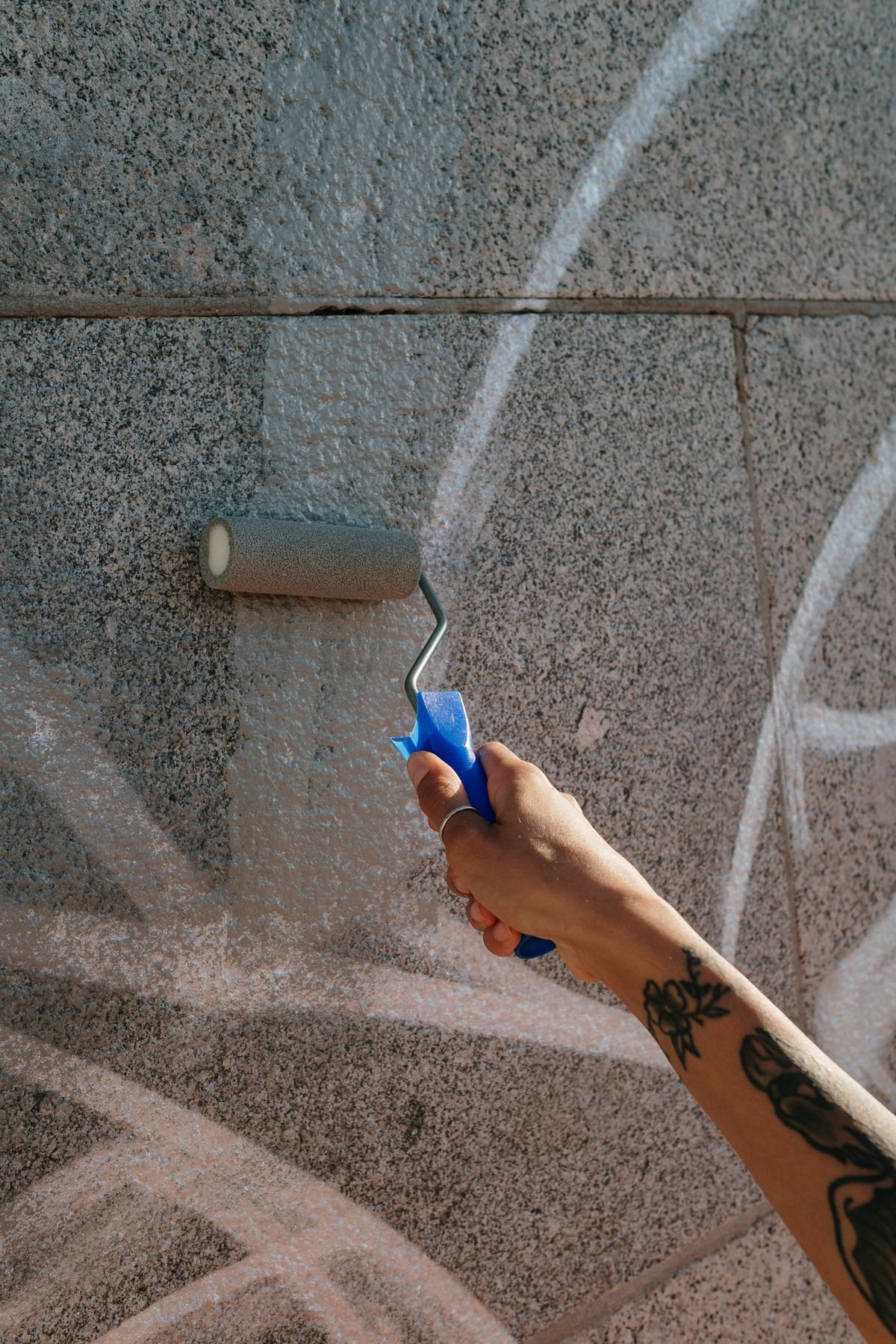
Sometimes a mark has set too deep, or an earlier hard scrub has already dulled the paint. Repainting a small area is a clean finish, not a failure. If you have leftover paint from the original job, use that. Paint from the same can matches best, because even the same color mixed again can dry a shade different. Stir it well, use a small roller or a good brush, and feather the edges so the new paint blends into the old. One thin coat is usually enough for a crayon shadow. Let it dry fully and look at it in daylight before you add a second coat.
If you have no leftover paint, take a small paint chip from a hidden area, such as behind a switch plate, to the paint store for a color match. Note the finish as well as the color. A color match in the wrong finish will show at an angle even if the color is right. For a large area, or for a wall where several methods have left dull patches, painting the whole wall from corner to corner gives the most even result. A partial repaint on flat paint often shows a border, while a full wall repaint looks intentional and fresh.
Keep the Next Mural on Paper
Once the wall is clean, make the next drawing session easier. Set up a big roll of paper, a chalkboard, or a washable drawing mat in the same spot where the wall art happened. Children often draw on walls because the wall is big, upright, and right there. Give them a surface that is just as inviting. Keep crayons in a box with a lid and put the box away after drawing time, especially with toddlers. Washable crayons exist for a reason, and for children under five they are worth the switch. They still color well, and any stray mark cleans up far more easily.
Talk about the wall once, calmly, after the cleanup. A short rule works better than a long lecture: crayons stay on paper. Then praise the art itself and put it on the fridge. Children who feel proud of a drawing are more likely to draw in the right place next time. If drawing on the wall happens again, you now have a plan that starts gentle and protects the paint, and you know exactly which method your wall can handle.
Conclusion: Gentle Wins
To remove crayon from a wall without damaging paint, start with soap and water, move to a baking soda paste only if you need it, and save stronger options for small areas and tougher finishes. Always test in a hidden spot, work in small sections, keep cloths damp rather than wet, and judge the result only when the wall is dry. Pressure and harsh abrasives cause the damage people blame on crayon. Patience does not. Keep this order in mind, and a proud little artist can keep creating while your walls stay clean. For more gentle cleaning ideas around the home, the same patient approach helps when you clean a microwave with lemon and vinegar instead of reaching for harsh chemicals.
Frequently Asked Questions
Will soap and water remove crayon from a flat painted wall?
Often yes, especially for fresh marks. Use mild dish soap, a damp microfiber cloth, and light dabbing. Repeat once after drying if a faint shadow remains, and move to baking soda paste only if soap alone does not finish the job.
Can I use a magic eraser on crayon marks?
Yes, with care. A damp melamine foam eraser removes crayon well on gloss and satin paint, but it can dull flat paint. Test it in a hidden spot, use very light pressure, and stop if the wall starts to look shiny.
Does baking soda damage paint?
Used gently, baking soda is safe on most sound paint, but it is a mild abrasive. Always test it first on flat paint, rub lightly in small circles, and rinse well with plain water so no white residue remains.
How do I remove crayon from wallpaper?
Dab only, with a barely damp cloth and mild soap. Do not soak the paper, do not use abrasive paste or a foam eraser, and do not scrape. If the mark does not lift with gentle dabbing, a small amount of oil on a test spot may help, but stop if the paper darkens or lifts.
What if the crayon mark is old and set in?
Try two gentle passes with drying time between them, starting with soap and then baking soda paste. If a shadow still shows, or the paint is already dull from scrubbing, touch up with matching paint. One thin coat, feathered at the edges, usually hides the mark completely.
