

You light a few candles for a cosy evening in, someone knocks one over, and suddenly melted wax is sinking into your carpet. The classic advice tells you to press a hot iron over the spot, but an iron can scorch carpet fibres, melt synthetic pile, or leave a shiny burn mark that looks worse than the original spill. The good news is that you can master how to get candle wax out of carpet without an iron, using nothing more than ice, a hair dryer, and a few everyday household items.
This guide gives you the full method, from freezing the wax solid to lifting the final oily shadow, plus how to deal with coloured wax and which carpet types need extra care. It works on fresh spills and on wax you only noticed days later, and it is gentle enough for wool, synthetic, and loop pile carpets alike.
Why You Should Think Twice Before Using an Iron
An iron transfers heat through direct contact, and carpet is simply not designed for that. Wool can scorch in seconds, synthetic fibres such as nylon and polyester can melt and fuse together, and loop pile carpets can flatten or distort under the pressure of the soleplate. Even on a low setting, an iron held in one place for a moment too long can leave a permanent mark.
A hair dryer gives you the same melting power with far more control. You aim warm air exactly where you need it, keep it moving, and stop the instant the wax softens. That control is the whole reason the no iron approach is safer, and it is why professional cleaners reach for controlled heat rather than a household iron.
Why Candle Wax Is So Tricky to Remove
Most household candles are made from paraffin wax, which melts at a relatively low temperature and flows easily into carpet fibres. As it cools, it hardens around individual fibres and grips them tightly, which is why scraping alone never gets it all out.
Soy wax and beeswax behave a little differently. Soy wax is softer and often easier to lift, while beeswax has a higher melting point and can need a touch more heat. Coloured and scented candles add dyes and fragrance oils to the mix, and those are what leave the faint stain that remains after the wax itself is gone.
Understanding this helps you work smarter. Cold makes wax brittle so it breaks away cleanly, while gentle heat melts only the thin film left behind. Each stage of the method below targets one of these properties.
What You Will Need
Gather everything before you start so you are not hunting through cupboards with waxy hands:
- A bag of ice cubes in a sealable plastic bag, or a cold pack from the freezer
- A butter knife, an old credit card, or a plastic scraper
- A hair dryer with adjustable heat
- Plain white paper towels or a brown paper bag
- A clean white cloth
- Washing up liquid
- White vinegar
- Rubbing alcohol, for coloured wax
- Your vacuum cleaner or hoover
How to Get Candle Wax Out of Carpet Without an Iron: The Full Method
The process has two phases. First you freeze the wax so it turns brittle and lifts away in chunks. Then you melt the thin residue that remains and absorb it into paper. Work through the stages in order for the best result.
Stage 1: Let the Wax Harden Completely
If the spill just happened, resist the urge to wipe it. Wiping pushes liquid wax deeper into the fibres and spreads the stain wider. Let the wax cool and harden on its own, which usually takes 10 to 20 minutes depending on how much spilled.
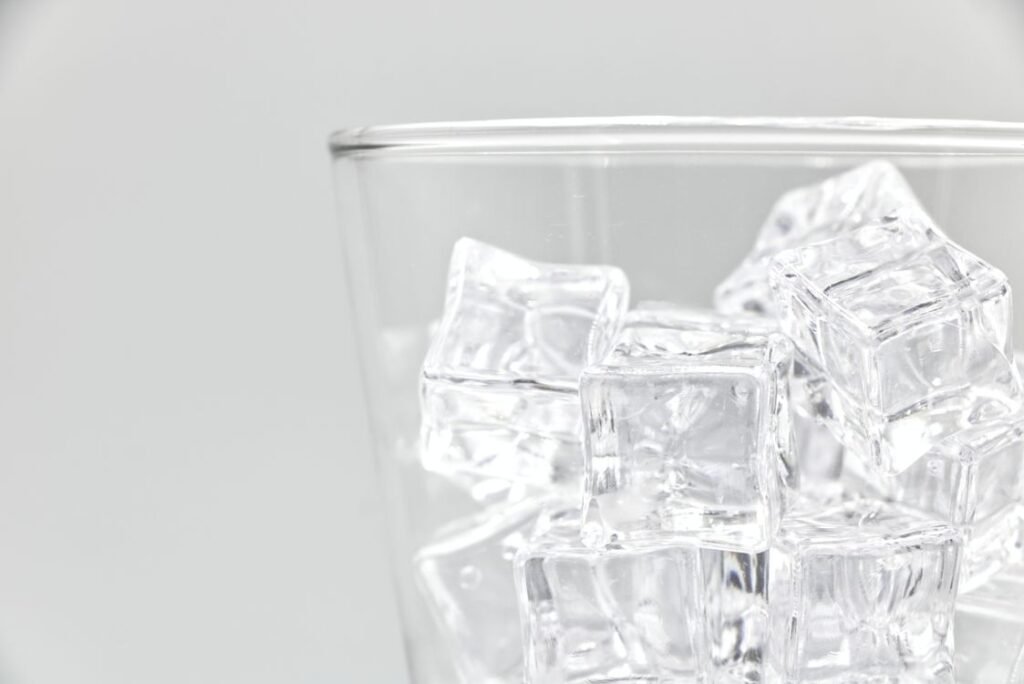
To speed things up, put a handful of ice cubes in a sealable plastic bag and lay it directly on the wax for 10 to 15 minutes. You can also use a cold pack from the freezer. The cold makes the wax brittle, which is exactly what you want before you start scraping.
Stage 2: Scrape Away the Hardened Wax
Once the wax feels hard and brittle to the touch, slide a butter knife or an old credit card under the edge at a shallow angle and gently lift. Work from the outside of the spill toward the centre so you do not scatter flakes across clean carpet.
Use a light touch and let the tool do the work. On loop pile carpet such as berber, aggressive scraping can snag the loops, so patience matters more than pressure. Scoop up the broken pieces as you go.
Stage 3: Hoover Up Every Loose Piece
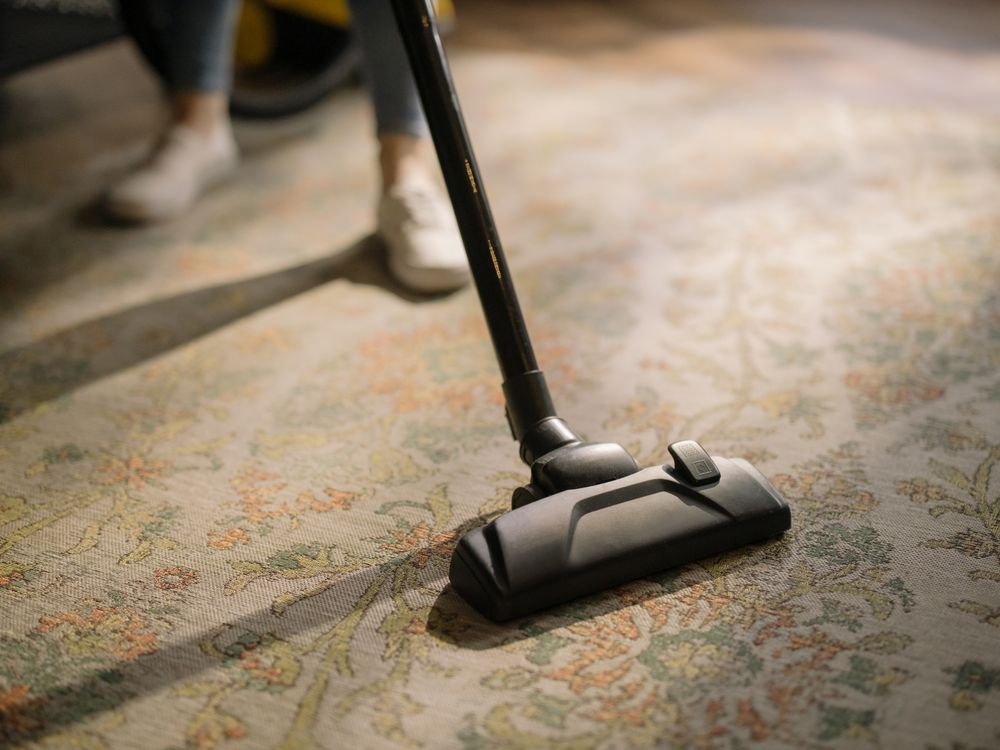
Run your hoover over the area to pick up every flake and crumb. Tiny shards of wax love to hide between fibres, and any pieces left behind can melt back into the pile later when the room warms up.
Go over the spot slowly in two directions. This also lifts the carpet pile, which makes the remaining residue easier to see and treat in the next stage.
Stage 4: Melt the Residue with a Hair Dryer
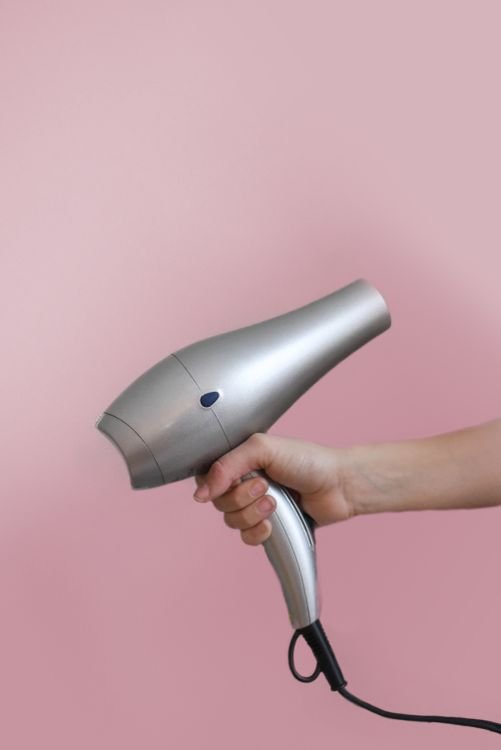
Some wax always remains pressed into the fibres after scraping. Lay two or three sheets of plain white paper towel over the spot. Set your hair dryer to a medium heat and hold it about 15 centimetres above the paper, moving it slowly back and forth. The wax will soften and transfer into the paper towel.
Lift the paper and check. You should see a greasy translucent mark where the wax soaked in. Move the paper to a clean section and repeat until nothing more transfers. Use only plain white paper towels or a brown paper bag. Printed newspaper and coloured towels can transfer ink or dye to the carpet.
Stage 5: Wash Out the Final Residue
Even when the wax is gone, a faint oily shadow often remains. Mix a few drops of washing up liquid into a cup of warm water, dampen a clean white cloth with it, and blot the area. Work from the outside toward the centre, and avoid soaking the carpet.
Follow with a cloth dampened in plain water to rinse away the soap, then blot dry with a towel. As a finishing touch, mix one part white vinegar with two parts warm water and blot once more. The vinegar cuts through the last of the waxy film without leaving any residue of its own.
Let the carpet air dry completely, then hoover once more to lift the pile and restore the texture.
How to Deal with Coloured Candle Wax
White and cream wax usually leaves nothing behind once the oily film is washed out. Coloured wax is a different story, because the dye can stain the fibres even after every trace of wax is gone.
After completing the five stages above, dampen a white cloth with a small amount of rubbing alcohol and blot the coloured area gently. Rubbing alcohol dissolves many candle dyes without bleaching the carpet. Always test it on a hidden corner first, wait a few minutes, and check for colour loss before treating the visible spot.
If the dye stain persists, repeat the blotting two or three times with a fresh section of cloth. Deep red, dark blue, and black dyes are the most stubborn. For those, a second attempt the following day often works better than scrubbing harder in a single session.
Carpet Types That Need Extra Care
Most fitted carpet responds well to the freeze and heat method, but a few types deserve caution.
Wool carpet is naturally resilient yet scorches easily, so keep the hair dryer on the lowest setting that still softens the wax, and never hold it still. Synthetic carpets made from nylon or polyester can melt if overheated, so keep the dryer moving at all times. On berber and other loop pile carpets, use a very light touch when scraping, and let the ice do most of the work.
Deep pile and shaggy carpet hides wax well, which means you may need an extra round of freezing and hoovering to free every flake from the long fibres. Rugs with rubber or latex backing should not be soaked, so use the damp cloth sparingly and dry the area promptly.
Mistakes That Make Wax Stains Worse
A few common errors turn a simple cleanup into a lasting stain:
- Wiping the spill while the wax is still liquid, which drives it deeper into the pile
- Using printed newspaper or coloured paper towels, which can leave ink or dye behind
- Holding the hair dryer in one spot, which can overheat and distort the fibres
- Soaking the carpet with water, which can damage the backing and encourage mould
- Reaching for bleach, which does not dissolve wax and can discolour the carpet
Avoid these and the method is almost foolproof.
How to Prevent Candle Wax Spills in the Future
Prevention is simpler than cleanup. Place candles on stable, heat resistant surfaces away from table edges, and keep them clear of curtains, cushions, and busy walkways. Deep holders catch drips far better than flat saucers, and battery operated candles give you the same warm glow with zero risk of spills.
Autumn is peak candle season, with Halloween displays and darker evenings bringing more open flames into the home. If you are putting up decorations, our guide to keeping Halloween decorations from falling over in the wind will help keep everything steady outdoors. And if you like burning candles inside carved pumpkins, save the scooped out flesh first, since you can make smooth pumpkin puree without a blender from it, so none of it goes to waste.
When to Call a Professional Cleaner
Most wax spills come out completely with the method above. Consider calling a professional if the spill covers a large area, if the wax has soaked through to the underlay, or if a valuable wool rug or antique carpet is involved. Professional cleaners use extraction equipment that lifts residue from deep within the pile.
In the UK, expect to pay roughly £40 to £80 for a single stain treatment visit, depending on where you live. Mention that the stain is wax when you book, so the cleaner arrives with the right solvents.
Conclusion
Now you know how to get candle wax out of carpet without an iron, and the whole process comes down to patience. Freeze the wax until it turns brittle, scrape it away gently, melt the last traces with a hair dryer, and wash out the residue. Each stage is simple on its own, and together they clear the spill without risking heat damage to your carpet.
Keep a bag of ice, some paper towels, and your hair dryer within easy reach during candle season. The next time wax hits the carpet, it will be a short cleanup job instead of a household disaster.
Frequently Asked Questions
Can I use a hair dryer on any type of carpet?
Yes, with sensible care. A hair dryer is far gentler than an iron, but keep it on a medium heat, keep it moving, and hold it a few inches above the surface. On wool or synthetic carpet, use the lowest heat that still softens the wax.
Should I freeze the wax or melt it first?
Always freeze and scrape first. Removing the bulk of the wax while it is hard and brittle keeps the stain small. Melting first would drive liquid wax deeper into the fibres and make the whole job harder.
Will the stain come back after I clean it?
It can seem to return if residue was left behind and later warmed by sunlight or central heating. That is why the final wash with washing up liquid and vinegar matters so much. If a shadow reappears, simply repeat the hair dryer and blotting stages.
How do I remove wax from a rug with a rubber backing?
Follow the same freeze, scrape, and hair dryer stages, but keep liquids to a minimum. Use a barely damp cloth for the final wash and dry the area quickly, because soaking can damage latex or rubber backings.
Is rubbing alcohol safe to use on carpet?
Rubbing alcohol is safe on most carpets when used sparingly on dye stains, but always test it on a hidden area first. A few delicate or naturally dyed carpets can lose colour, so check before treating the visible spot.
