
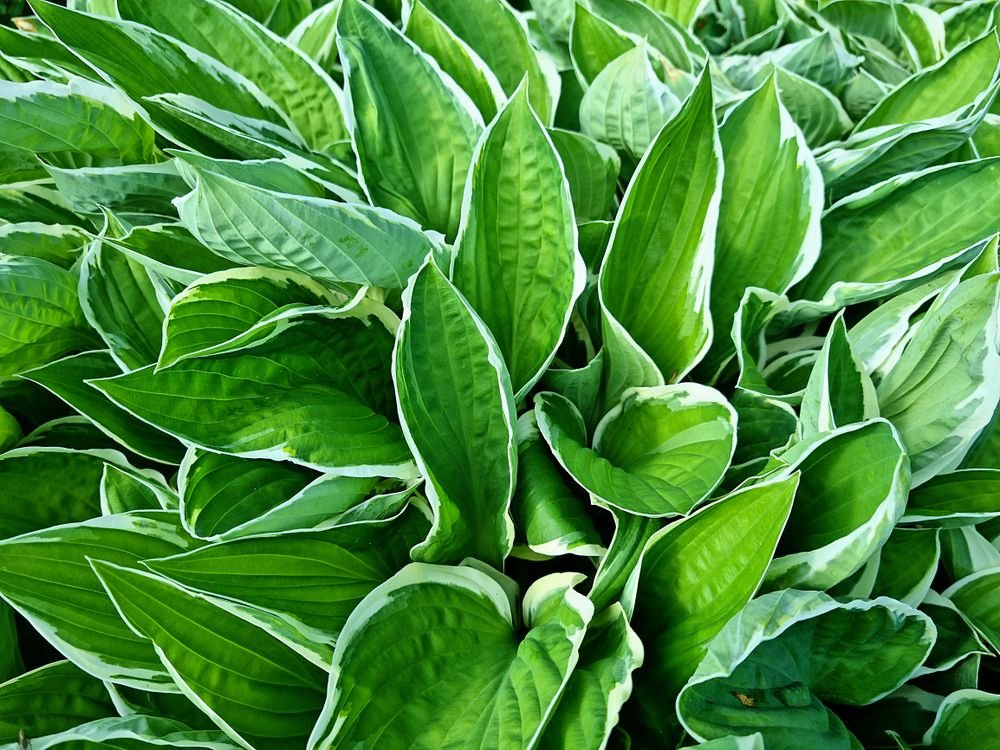
One June morning I walked out with a cup of tea and stopped at the shady border by the back fence. The hostas that had looked so full and green the week before were full of holes. Some leaves looked like lace. Others had ragged edges and shiny trails across them. I had not used slug pellets, and I did not want to start. I wanted a plan that would protect the plants without putting pellets where pets, birds and hedgehogs could find them.
If you are asking how to stop slugs eating hostas without pellets, you are asking the right question at the right time. Slugs love the same conditions hostas love: shade, damp soil and cool nights. That is why the damage often appears fast, and why one single trick rarely solves it. What works is a small routine, done in the right order. Change the conditions, block the way in, check at night, and use a spray that slugs avoid. Do those four things together and most hostas recover well.
This guide gives you that routine. It is written for UK gardens, with UK spelling, litres and pounds, and with methods that fit beds and pots. You will learn how to tell slug damage from other problems, which barriers are worth your money, how to make a garlic wash, and how to run a simple four week plan. By the end you will know exactly what to do tonight, this weekend, and through the rest of the season.
The Morning My Hostas Looked Like Lace
My hostas had been the pride of a shady corner. They filled the space under a small tree, their broad leaves catching light in a way that made the whole border look calm. Then came a wet week. Rain most evenings, cool nights, and soil that never quite dried. I did not check the plants every day, because they had always looked after themselves.
When I finally looked closely, the damage was clear. The lower leaves were worst. Holes sat in the middle of leaves, not just at the edges. Some leaves were shredded along one side. A thin shiny trail crossed a leaf near the soil. I lifted a leaf and found a fat grey slug tucked underneath, exactly where the shade was deepest.
That morning changed how I garden in that corner. I did not buy pellets. I started by clearing the hiding places, then I added a barrier, then I checked with a torch after dark for a few nights. Within two weeks new leaves were coming up clean. The old damaged leaves never healed, but the plant as a whole looked full again. That is the honest promise of this method. You cannot repair a chewed leaf. You can protect the next leaves, and that is enough to save the display.
How to Tell Slug Damage From Other Leaf Problems
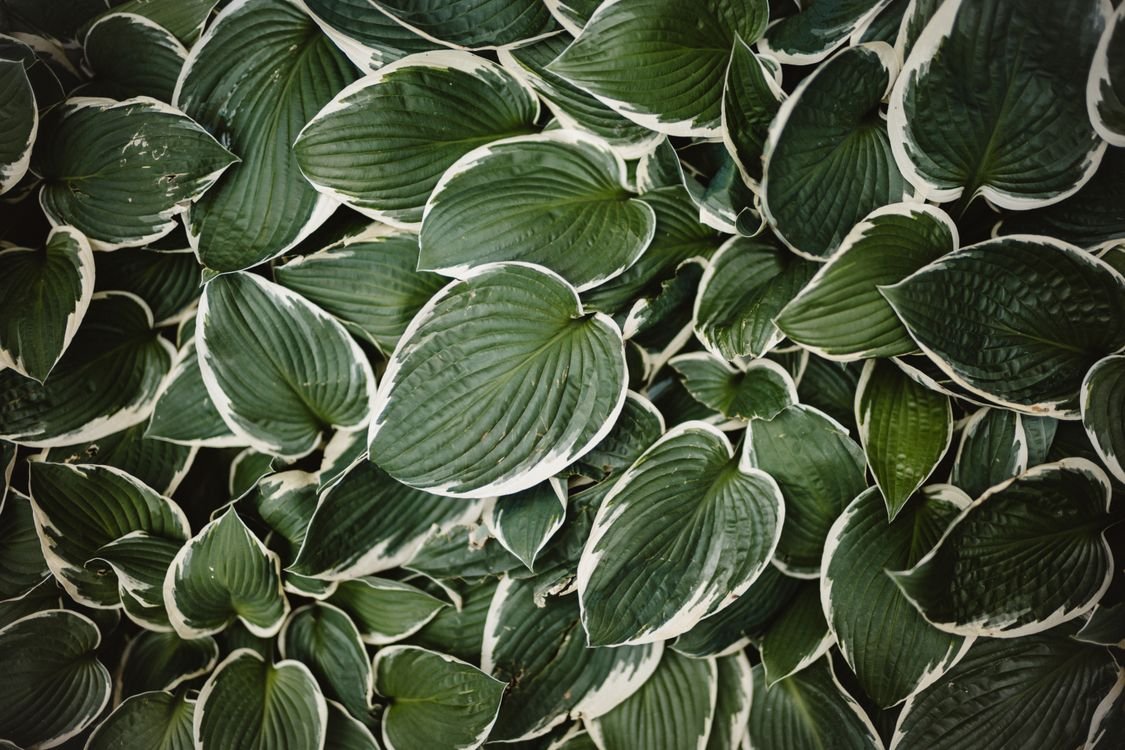
Before you treat anything, make sure slugs are the problem. Other things chew hosta leaves, and each one needs a different answer. Vine weevils notch leaf edges in a neat pattern. Caterpillars leave small holes and often leave droppings nearby. Hail and wind tear leaves in a ragged way, but without slime trails. Sun scorch bleaches leaf edges, especially on pale varieties in strong sun.
Slug damage has its own signs. Look for irregular holes in the middle of leaves, ragged edges that look torn rather than cut, and shiny slime trails on leaves or on the soil nearby. Damage is usually worst on lower leaves and on plants in deep shade. If you check after dark with a torch, you will often find the culprits themselves on the undersides of leaves or on the soil surface.
Check the soil too. Slugs hide under pots, boards, stones, fallen leaves and thick mulch during the day. Lift a pot and look underneath. Look under a flat stone near the plant. If you find slugs there in the daytime, you have found both the problem and the first place to start. Clearing those hiding places matters more than any spray.
Leaf problems can look alike at first glance, so it helps to compare. If your indoor plants show yellowing or spotting, the causes are often different, and a guide on why houseplant leaves turn yellow shows how watering and light can change leaf colour. Outdoors, start with the signs above, and treat for slugs only when the signs point that way.
Change the Conditions Slugs Love
Slugs need damp, shade and shelter. Hostas need shade and moist soil, so you cannot remove every slug friendly condition. You can still tip the balance. That balance is the core of how to stop slugs eating hostas without pellets. The goal is soil that is moist at root level but not wet on the surface at night, and a border with fewer dark hiding places.
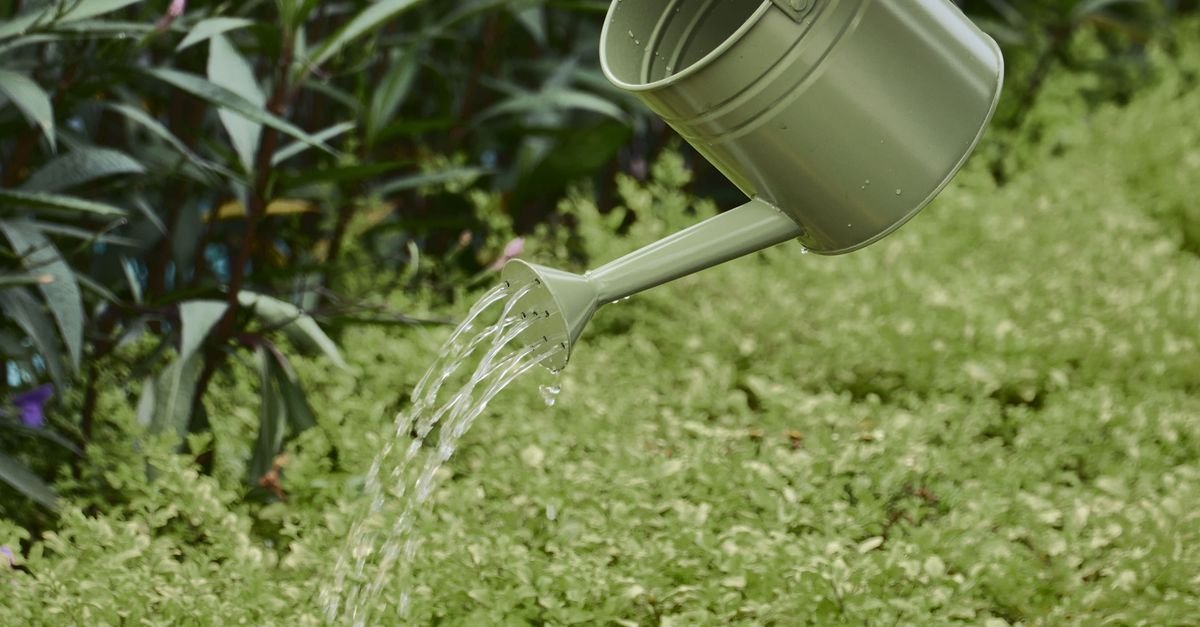
Water in the morning, not in the evening. Morning watering lets the soil surface dry during the day, before slugs become active at night. Water at the base of the plant, not over the leaves. A watering can with a rose gives you control, and it keeps leaves dry. If you use a hose, keep the water low and slow, and aim at the soil.
Clear the ground around hostas. Rake away fallen leaves, old stems and dense debris from the base of each plant. Keep mulch thin near the crown, about two to three centimetres, and leave a small gap right around the stems. Thick wet mulch is a perfect slug hotel. A thinner layer still keeps moisture in the soil, but it dries faster on top.
Give plants air. Hostas crowded together stay damp for longer, and slugs move easily from one plant to the next. When plants are large, divide them in spring or autumn and leave space between clumps. Air moving through the border dries leaves faster, and it makes night checks easier too. You do not need a bare border. You need a border you can see into.
Block Slugs With Simple Barriers
Barriers work best when slugs have no easy way around them. A barrier with a gap is not a barrier. Before you fit anything, clear slugs from inside the protected area, or you will trap them in with the plant you want to protect. Check under the pot, under the mulch and under nearby stones first.
Copper tape is the best known barrier, and it works best on pots. Stick a wide band of copper tape around the outside of a pot, below the rim, and make sure the band is continuous. Slugs dislike crossing copper, and many will turn back. On pots raised on feet, copper tape is even more effective, because slugs must climb the pot wall to reach the leaves. In a border, copper rings around single plants can help, but they are less reliable, because slugs can arrive from overhanging leaves or from a neighbouring plant.
Sharp grit is a useful border barrier. Spread a ring of horticultural grit around the base of each hosta, about five centimetres wide. The rough surface is unpleasant for slugs to cross, and grit also helps water drain from the soil surface. Wool pellets or sheep wool work in a similar way, and they break down into the soil over time. Eggshells are often suggested, but in my experience they work only as part of a wider plan, not on their own. Use them if you have them, but do not rely on them alone.
For pots, use the pot itself as a barrier. Raise pots on feet, keep them away from walls and fences where slugs climb, and do not let leaves touch a neighbouring plant or a wall. A pot standing alone on a hard surface, with copper tape and a grit top dressing, is much harder for slugs to reach than a pot tucked into a damp corner. Keep the area under pots clean, and check underneath every week.
Clean tools make this work easier. Barriers and night checks are simpler when your tools are in good shape, and a guide on how to remove rust from garden tools will help you keep spades, forks and secateurs ready for border work. Sharp clean tools also make division and clearing much quicker.
Patrol at Night and Set Traps That Help
Night patrols sound like hard work, but they are the fastest way to cut slug numbers. Slugs feed at night, especially after rain. Go out with a torch about an hour after dark, for three or four nights in a row when damage is fresh. Pick slugs off leaves and soil, drop them into a bucket of soapy water, and dispose of them away from the garden. Ten minutes a night for a week can change a border.
Board traps help on nights you cannot patrol. Lay a flat board, an old tile or a piece of cardboard on damp soil near hostas in the evening. Slugs will shelter underneath during the day. Lift the trap in the morning and remove any slugs you find. Put the trap back in the same place, because slugs return to a known shelter. This method is simple, free, and it tells you how many slugs you are dealing with.
Beer traps catch slugs, but use them with care. Sink a shallow container into the soil so the rim sits level with the surface, and fill it part way with cheap beer or a yeast and water mix. Slugs are drawn to the yeast, fall in and drown. Empty and refill the trap every few days. The honest limit is this: beer traps can draw slugs in from nearby, so place them a short distance away from the hostas you want to protect, not right beside them. Used that way, they reduce numbers. Used on their own, they will not save a border.
Do not move slugs to a neighbour garden or to a wild area and call that a solution. Slugs will feed wherever they land, and many will return if the distance is short. Remove them properly, and focus your effort on the border itself. A smaller slug population, plus barriers, is far more effective than a large population with no barriers at all.
Make a Garlic Wash That Slugs Avoid
Garlic wash is one of the most useful pellet free methods, because slugs dislike alliums. It does not kill slugs in the way a pellet does. It makes leaves less appealing, so slugs move on to easier food. Used weekly, and after rain, it can keep damage low through the main growing season.
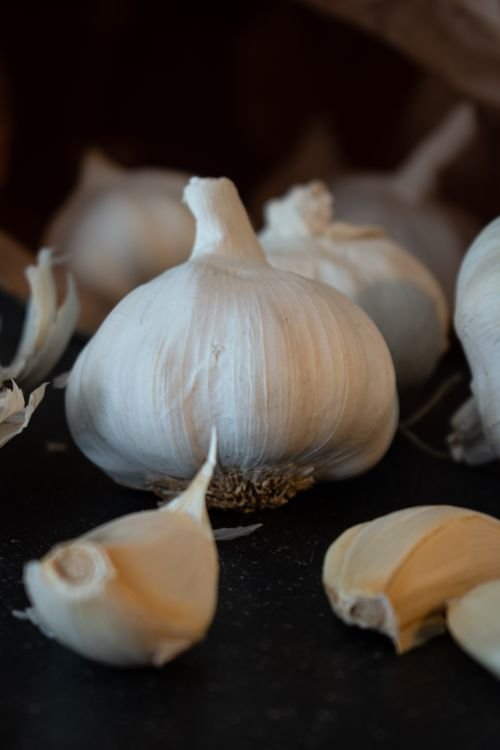
To make the wash, take two whole bulbs of garlic and crush them lightly. Put them in a pan with two litres of water, bring the water to a boil, then turn the heat down and simmer for about ten minutes. Let the mix cool completely, then strain it through a fine sieve or a piece of muslin into a clean bottle. This is your concentrate. Store it in a cool place and use it within two weeks.
To use it, mix one part concentrate with ten parts water in a spray bottle, and spray hosta leaves in the evening, when the sun is off the plants. Cover the tops and undersides of leaves, but do not soak the soil. Test on one leaf first, and check the next day for any scorch or marking. If the leaf looks fine, spray the rest of the plant. Repeat once a week, and again after heavy rain, because rain washes the residue away.
Garlic wash works best with the other methods in this guide, not instead of them. Spray alone will not protect a hosta surrounded by slug hiding places. Spray plus morning watering, plus a barrier, plus a few night patrols, is a different story. That combination is what turned my lace like leaves into a full border again.
Invite Natural Help Into the Garden
A garden with frogs, hedgehogs, birds and ground beetles has fewer slugs, because those creatures eat slugs and slug eggs. You do not need to buy wildlife. You need to give it shelter and safe passage, and avoid methods that harm it.
Leave a wild corner if you can. A log pile, a pile of stones, or a dense shrub gives frogs and ground beetles a home. A small pond, even a shallow bowl sunk into the ground with stones for escape, will attract frogs. Leave a gap under a fence so hedgehogs can pass through at night. These small changes cost nothing, and they help every year, not just for one season.
Nematodes are a natural control you can buy. These are tiny worms that infect slugs in the soil. They come as a powder you mix with water and apply to moist soil in spring or autumn, when soil temperatures are mild. Follow the packet instructions closely, and water the soil before and after application. Nematodes will not remove every slug, but they reduce numbers in the soil, which is where young slugs do much of their damage. They are a good choice for a border that suffers every year.
Choose resistant varieties when you add new hostas. Thick leaved varieties with a waxy coating are less appealing to slugs than thin soft leaved types. Varieties such as Sum and Substance, Blue Angel and Frances Williams are often reported as more resistant, though no hosta is fully slug proof. Plant resistant varieties in the most exposed spots, and keep softer varieties in pots where you can protect them more easily.
How to Stop Slugs Eating Hostas Without Pellets in Four Weeks
A plan is easier to follow than a list of ideas. Use this four week plan when damage first appears, and repeat the core steps through the season.
In week one, diagnose and clear. Check leaves for slug signs, clear hiding places, lift pots and boards, and remove debris from around each plant. Start morning watering. Go out with a torch for three nights and remove slugs by hand.
In week two, add barriers. Fit copper tape to pots, spread grit around border plants, and raise pots on feet. Make a batch of garlic wash and spray once, after testing one leaf. Set board traps and check them each morning.
In week three, invite help and keep the routine. Apply nematodes if you have bought them, following packet instructions. Keep watering in the morning. Spray garlic wash again, and patrol at night after rain. Remove any damaged leaves that are fully shredded, so new growth gets light and air.
In week four, review and adjust. Walk the border in daylight and after dark. Which plants are clean? Which still show fresh damage? Add a barrier to the plants that still suffer, move a pot to a drier spot, or add a board trap near the worst plant. Gardens change through the season, and a plan that adjusts will beat a plan that stays fixed.
What Not to Do
Some common advice does more harm than good. Do not pour salt on soil or on slugs near plants. Salt damages soil structure and harms roots, and it can kill the very plants you want to protect. Do not use pellets if you have decided on a pellet free garden, even pellets sold as wildlife friendly. If you want a pellet free method, keep it pellet free, or the rest of the plan loses its point.
Do not rely on one method alone. Copper tape with gaps, beer traps beside the plant, or garlic wash sprayed once and forgotten, will all disappoint. Slugs are persistent, and a single barrier with a flaw is an open door. Combine methods, and check your work at night, when slugs are active.
Do not overwater in the evening. Evening watering creates exactly the damp surface slugs love, right when they start feeding. Morning watering, thin mulch and clear ground are simple changes, but they matter more than many gardeners expect. Small habits, repeated daily, protect more leaves than any single product.
A Calmer Garden and Whole Leaves Again
Learning how to stop slugs eating hostas without pellets is really about learning how slugs live. They need damp, shade and shelter, and they feed at night. Take away shelter, dry the surface before night, block the way in, check after dark, and make leaves less appealing with garlic wash. Do those things together, and hostas have a real chance to grow full clean leaves.
Start tonight if damage is fresh. Go out with a torch, clear one hiding place, and set one board trap. Tomorrow morning, water at the base of the plants and clear debris from around them. This weekend, fit copper tape to pots and spread grit around border plants. Make garlic wash next week. Small steps, in order, are how a lace like border becomes a full border again.
Your hostas do not need perfection. They need a garden that is a little drier on the surface, a little clearer around the base, and a little harder for slugs to reach. Give them that, and they will repay you with the broad calm leaves that made you plant them in the first place.
Frequently Asked Questions
Do slugs eat hostas at night?
Yes, slugs feed mostly at night and in cool damp weather. That is why night checks with a torch are so effective, and why morning watering helps, because the soil surface is drier when slugs become active.
Does copper tape really stop slugs?
Copper tape helps, especially on pots, when the band is wide and continuous with no gaps. It works best with pots raised on feet and kept away from walls, so slugs cannot climb around the tape.
Does garlic spray harm hosta leaves?
Garlic wash is usually safe when diluted and sprayed in the evening, but test one leaf first and check the next day. Do not spray in strong sun, and do not soak the soil with the mix.
Do beer traps attract more slugs?
Beer traps can draw slugs in from nearby, so place them a short distance away from the hostas you want to protect. Used that way, they reduce numbers. Used right beside a plant, they can make damage worse.
Which hostas do slugs avoid?
No hosta is fully slug proof, but thick leaved varieties with a waxy coating, such as Sum and Substance and Blue Angel, are often less damaged. Keep softer varieties in pots where barriers and night checks are easier.
