
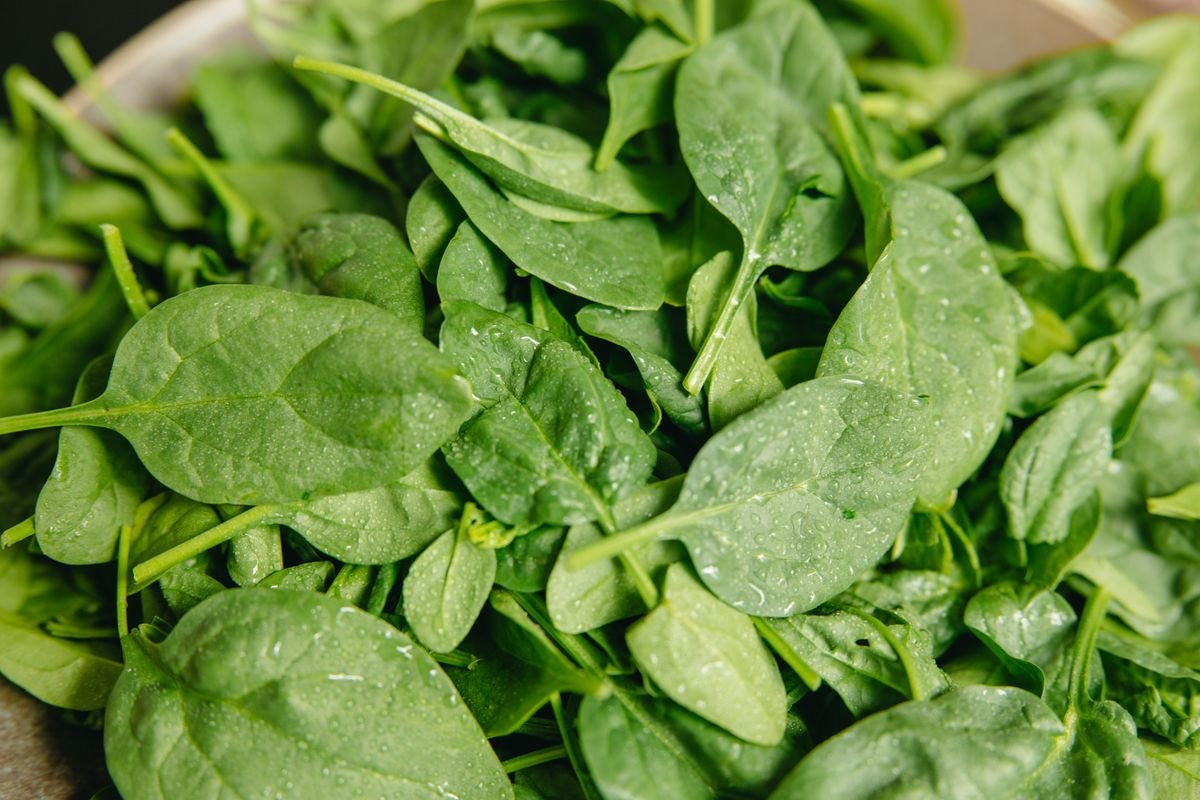
It was a Sunday afternoon in Columbus, Ohio, and Maya had just come home from the grocery store with a big bag of baby spinach. She had plans for it all week. A salad on Monday, a smoothie on Tuesday, a pasta dish on Thursday. She slid the bag into the fridge and forgot about it. By Wednesday evening she opened the bag and found a sad, wet clump of leaves at the bottom, dark at the edges and smelling faintly sour. Half the bag went straight into the trash, and with it went the four dollars she had paid and the three meals she had planned.
If that scene feels familiar, you are not alone. Spinach is one of the healthiest foods you can buy and one of the fastest to spoil. The good news is that learning how to keep spinach fresh in the fridge for a week is not about buying special gadgets or expensive containers. It comes down to three simple ideas: keep the leaves dry, give them a little air, and store them away from foods that speed up ripening. This guide follows one clear story: a bag of spinach that lasts the whole week, from Sunday shopping to Friday dinner, with nothing wasted.
Why Spinach Goes Limp So Fast in the Fridge
Spinach wilts fast because its leaves are thin, delicate and full of water. A spinach leaf is mostly water held inside fragile cells, and once those cells start to break down, the leaf loses its structure. Unlike a carrot or a potato, spinach has no thick skin and no dense flesh to protect it. The moment it is picked, it starts losing moisture, and the fridge only slows that process down. It does not stop it.
Moisture is the biggest enemy, which sounds strange for a leaf that is mostly water. The problem is not water inside the leaf. It is water sitting on the surface of the leaf. When spinach is stored wet, tiny drops collect between the leaves and create the perfect damp conditions for bacteria and mold. That is why a bag of spinach can look fine on Monday and turn slimy by Wednesday. The leaves at the bottom of the bag sit in trapped moisture, and the damage spreads upward one leaf at a time.
Air flow matters too. A sealed plastic bag traps the gases the leaves give off as they age. One of those gases is ethylene, and it speeds up yellowing and decay in leafy greens. A bag with no air flow keeps that gas pressed right against the leaves. That is why spinach left in its original sealed bag often lasts only two or three days, even in a cold fridge.
Temperature plays a part as well. Spinach keeps best between 34 and 38 degrees Fahrenheit, which is the temperature of a normal crisper drawer. But the back wall of the fridge can be much colder, and leaves pressed against it can freeze slightly and then turn to mush when they thaw. The door of the fridge is the opposite problem. It is the warmest spot, and the temperature there swings every time the door opens. Spinach stored in the door will age faster than spinach stored in the crisper drawer.
Understanding these three factors changes everything. You do not need to fight nature. You need to control moisture, let the leaves breathe a little, and keep them in the coldest steady spot in your fridge. Do those three things and a bag of spinach can stay crisp for seven to ten days.

How to Keep Spinach Fresh in the Fridge for a Week
The method below is the one that food safety experts and experienced home cooks agree on. It takes about five minutes, uses things you already have in your kitchen, and it works for both loose bunches and bagged baby spinach. The idea is simple. Dry leaves, a paper towel to absorb moisture, and a container that protects the leaves while letting a little air move around them.
Step 1: Pick the Right Bag at the Store
Freshness starts before you leave the store. Look through the bag or bunch and check the leaves you can see. Good spinach is deep green, firm and dry to the touch. Avoid bags with yellow leaves, dark wet spots or condensation fogging the inside of the plastic. A little moisture inside the bag is normal, but if the leaves look wet and stuck together, that bag is already on its way out.
Check the date on the bag too, and pick the bag with the latest date. If you are buying a loose bunch, look for crisp stems and leaves that spring back when you bend them gently. Limp leaves at the store will not get better at home. If you plan to use the spinach for salads all week, a bag of baby spinach is the easiest choice because the leaves are tender and already trimmed. If you plan to cook it, a loose bunch of mature spinach gives you more leaves for your money.
Step 2: Dry the Leaves Completely
When you get home, take the spinach out of the bag and look it over. Pull out any leaves that are already yellow, slimy or torn. One bad leaf can spoil the leaves around it, so it is worth the minute this takes. If the leaves are visibly dirty, rinse them gently in cold water and lift them out with your hands, leaving any grit behind in the water.
Now comes the most important step of all. Dry the leaves completely. Wet leaves are the single biggest reason spinach goes slimy, so do not skip this. A salad spinner is the fastest tool for the job. Spin the leaves in small batches, then spread them on a clean kitchen towel or a layer of paper towels and pat them gently. Let them sit for ten minutes on the towel so the last drops of water can evaporate. The leaves should feel dry to the touch before they go into storage.
If you bought prewashed bagged spinach and the leaves look clean and dry, you can skip the washing entirely. Washing adds moisture, and moisture is what you are trying to remove. Only wash spinach right before you use it if the leaves are already dry and clean. That one habit alone can add two or three days to the life of a bag.
Step 3: Layer With Paper Towels
Line a container with a dry paper towel. A glass container with a lid works best because it protects the leaves from being crushed, but a sturdy plastic container works too. Place a loose layer of spinach on top of the towel, then add another paper towel, then more spinach. Keep layering until the container is full, and finish with a paper towel on top. The towels absorb the moisture the leaves give off, and they keep the leaves from sitting in their own dampness.
Do not pack the container tightly. Spinach needs a little space so air can move between the leaves. A container that is stuffed full will trap moisture in the middle, and the leaves in the center will be the first to go slimy. Leave about an inch of space at the top. Snap the lid on, but if your lid has a vent, leave the vent open a crack. A little air flow helps. If your container has no vent, you can leave the lid slightly loose instead.
Check the paper towels every two or three days. If a towel feels damp, swap it for a fresh dry one. This takes thirty seconds and it is the single best thing you can do to stretch spinach from five days to a full week. The leaves stay dry, the towels do the absorbing, and the spinach stays crisp.
If you do not have a container, a sealable bag works as a backup. Put the dry leaves in the bag with a folded paper towel, press out most of the air, and seal it almost all the way, leaving a small gap at one corner for air to move. Poke a few small holes in the bag if you want more air flow. The container method works better, but the bag method still beats leaving spinach in its original packaging.
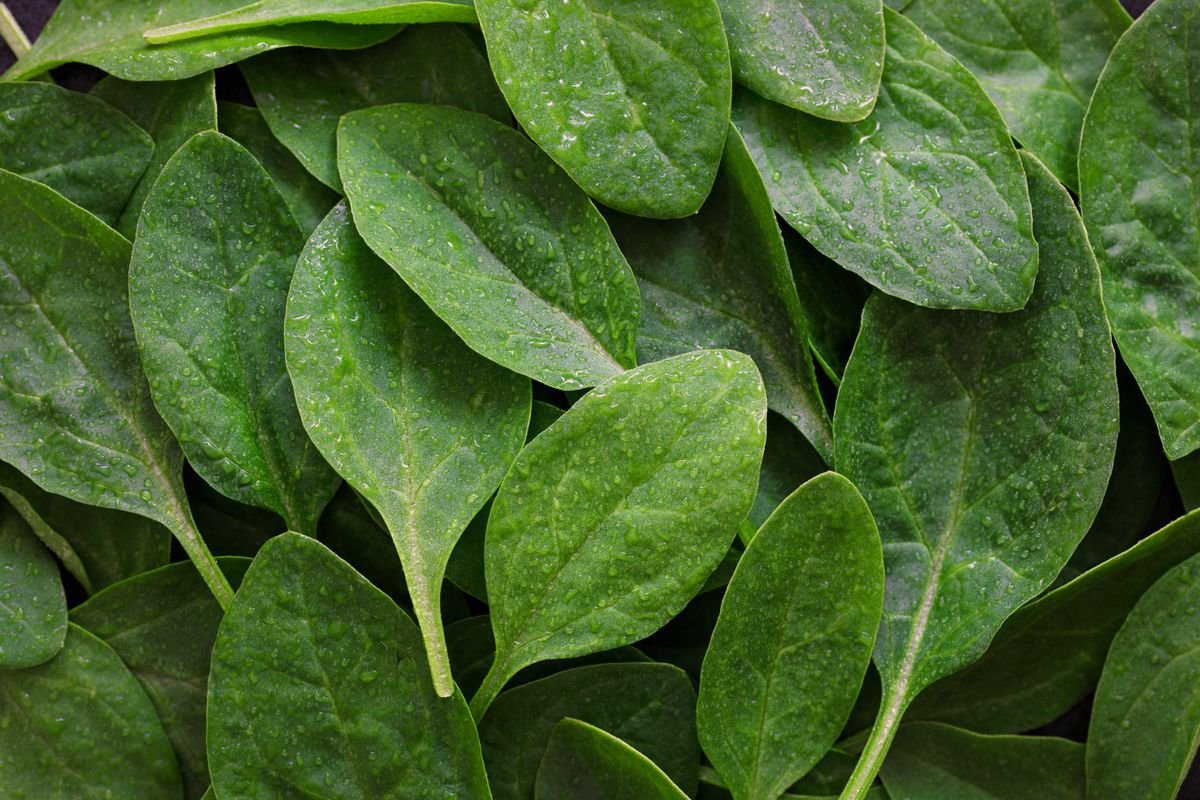
Step 4: Store It in the Crisper Drawer
Put the container in the crisper drawer of your fridge, set to high humidity if your drawer has a control. The crisper drawer is the steadiest cold spot in the fridge, and it protects the leaves from the temperature swings of the door and the freezing cold of the back wall. Keep the container away from the back wall by at least an inch so the leaves never touch the coldest surface.
Keep spinach away from fruits that give off a lot of ethylene gas. Apples, bananas, pears and avocados all release ethylene as they ripen, and that gas will turn your spinach yellow much faster. Store those fruits in a different drawer or on a different shelf. This one change surprises people, because a bag of spinach stored next to a bunch of bananas can age twice as fast as the same spinach stored on its own.
Set your fridge to the right temperature too. Your fridge should sit between 34 and 38 degrees Fahrenheit. Many fridges run warmer than people think, especially if the dial was never checked. A cheap fridge thermometer costs a few dollars and tells you the truth in a day. If your fridge is running at 42 degrees, your spinach and everything else in the fridge will spoil faster than it should.
The Mistakes That Kill Spinach in Two Days
Most spinach is lost to a handful of easy mistakes, and all of them are easy to fix once you know what they are.
The first mistake is storing spinach wet. This is the big one. Leaves that go into the fridge dripping wet will start to rot within two days. Always dry the leaves fully, and always use paper towels to catch the moisture that appears later. If you remember only one rule from this whole guide, make it this one. Dry leaves last. Wet leaves rot.
The second mistake is leaving spinach in its original bag. The thin plastic bags that spinach comes in trap moisture and ethylene gas, and they offer no protection from being crushed under other groceries. Transfer the spinach to a container with paper towels the day you buy it. The original bag is for the trip home, not for a week of storage.
The third mistake is washing all the spinach at once. It feels efficient to wash the whole bag on Sunday, but it adds water to leaves that will sit for days. Wash only what you plan to use that day. The rest stays dry in its container until you need it. The same idea works for other greens too, and our guide to how to keep celery fresh in the fridge follows the same dry storage rule.
The fourth mistake is crushing the leaves. A heavy milk carton or a stack of containers sitting on top of a spinach bag will bruise the leaves, and bruised leaves decay fast. Give spinach its own space in the crisper drawer, and never stack heavy items on top of it.
The fifth mistake is storing spinach next to ethylene producing fruit. Apples and bananas are the worst offenders, and they sit in many fridges right beside the greens. Move the fruit to another shelf and your spinach will thank you for it. This rule applies to cilantro and other herbs too, which is why our guide to how to keep cilantro fresh in the fridge keeps the same separation in place.
What to Do With Spinach That Is Starting to Wilt
Not every limp leaf is a lost leaf. Spinach that is wilted but still green and fresh smelling can often be revived. Fill a large bowl with ice cold water and drop the limp leaves in for fifteen to thirty minutes. The cold water refills the cells, and many leaves will perk up and turn crisp again. Lift them out, spin them dry, and use them the same day. This works for leaves that are simply dehydrated. It will not save leaves that are slimy, yellow or sour smelling. Those should go in the trash.
If the leaves are too far gone for a salad but not yet spoiled, cook them. Heat breaks down the structure anyway, so slightly wilted spinach is perfect for pasta, soups, curries and egg dishes. A big handful of spinach cooks down to almost nothing, so a bag that looks too sad for a salad can still make a full serving of sauteed spinach with garlic and olive oil. This is the best way to use up spinach on day five or six, before it turns.
A fresh spinach salad is the best test of your storage method. When the leaves are still crisp on day six, toss them with strawberries, nuts and a light dressing and you have a lunch that tastes like the spinach was bought that morning. Use the leaves while they are at their best, and cook the rest before it turns. That is the whole rhythm of keeping spinach for a week. Store it well, check it often, and use it up in the right order.

How to Freeze Spinach When You Bought Too Much
Sometimes a bag of spinach is simply too big to finish in a week, even with perfect storage. Freezing is the answer, and it is easy to do well. Frozen spinach will not work in a salad, because the texture changes completely, but it is excellent in smoothies, soups, pasta, curries and egg dishes, and it keeps for ten to twelve months.
Blanch the leaves first. Bring a large pot of water to a boil, drop the spinach in for sixty seconds, then lift it out and plunge it into a bowl of ice water. This short boil stops the enzymes that cause flavor and color loss in the freezer. Without blanching, frozen spinach can taste dull and look grey within a few weeks. Squeeze out every drop of water you can, because extra water turns into ice crystals that damage the leaves.
Portion the squeezed spinach into small balls or flat packs, and put them in freezer bags with the air pressed out. Label each bag with the date. Freeze the bags flat so they stack neatly, and thaw them overnight in the fridge when you need them, or toss a frozen portion straight into a soup or a pan. One bag of fresh spinach becomes about a cup of frozen spinach, so a little planning goes a long way.
How Long Spinach Really Lasts in the Fridge
How long your spinach lasts depends on how you store it, and the difference between methods is large. Here is what to expect in a fridge set between 34 and 38 degrees Fahrenheit.
- Left in its original plastic bag: two to three days before the leaves turn slimy
- Loose in the crisper drawer with no container: three to four days
- Sealable bag with a paper towel inside: five to seven days
- Container layered with paper towels in the crisper drawer: seven to ten days
- Blanched and frozen in freezer bags: ten to twelve months
The container and paper towel method is the clear winner for fresh eating, and it costs nothing beyond a container you probably already own. The bag method is a decent backup when you are short on containers. The original bag is the worst option of all, and it is the one most people use by default. That single change, moving spinach out of its bag on the day you buy it, is the easiest win in this whole guide.
One warning sign matters more than the calendar. If the leaves smell sour or like ammonia, or if they feel slimy to the touch, throw them out even if only a few days have passed. Smell and slime mean bacteria have taken hold, and no amount of washing makes that spinach safe to eat. When in doubt, throw it out. A bag of spinach costs a few dollars. A stomach bug costs far more.
A Simple Weekly Routine for Fresh Greens
Keeping spinach fresh for a week is really a small weekly habit, not a one time trick. Build it into your Sunday routine and it becomes automatic.
On shopping day, pick a fresh bag, check the leaves, and choose the latest date. When you get home, sort out any bad leaves, dry the good ones completely, and layer them in a container with paper towels. Put the container in the crisper drawer, away from fruit and away from the back wall. That is five minutes of work that saves the whole bag.
Midweek, on Wednesday or Thursday, open the container and check the paper towels. Swap any damp towel for a dry one, and pull out any leaf that has turned. Use the oldest leaves first. Plan a cooked dish for Thursday or Friday to use up whatever is left. A pasta with spinach and garlic, a soup, or a smoothie will finish the bag before it has a chance to turn.
By Friday, the last of the spinach should be eaten or frozen. If you still have a lot left, blanch and freeze it in one batch so nothing is wasted. The same routine works for most leafy greens, and mushrooms follow a similar idea too, as our guide to how to keep mushrooms fresh longer in the fridge shows with its own paper towel trick.
Frequently Asked Questions
How long does spinach last in the fridge?
Spinach stored in a container layered with paper towels in the crisper drawer lasts seven to ten days. Left in its original plastic bag it lasts only two to three days, because trapped moisture and ethylene gas speed up decay.
Should I wash spinach before storing it?
No. Wash spinach only right before you use it. Washing adds moisture to the leaves, and wet leaves rot faster. If the leaves are already clean and dry, store them as they are and wash them at serving time.
Why does my spinach get slimy so fast?
Sliminess comes from moisture trapped between the leaves. Wet storage, a sealed bag with no air flow, and leaves stored next to ethylene producing fruit are the usual causes. Dry the leaves fully, use paper towels to absorb moisture, and store the container in the crisper drawer.
Can you freeze fresh spinach without blanching it?
You can, but the flavor and color will fade within a few weeks. Blanching for sixty seconds before freezing stops the enzymes that cause that loss, and it keeps frozen spinach tasting good for ten to twelve months. It is worth the extra two minutes.
Is it safe to eat spinach that is a little wilted?
Yes, if the leaves are still green and fresh smelling. Wilted spinach can be revived in ice water for salads, or cooked into pasta, soups and egg dishes. Throw it out if the leaves are slimy, yellow or sour smelling, because that means bacteria have taken hold.
The Takeaway
Learning how to keep spinach fresh in the fridge for a week comes down to three habits that take five minutes on shopping day. Dry the leaves completely, layer them in a container with paper towels, and store that container in the crisper drawer away from fruit. Check the towels midweek, use the oldest leaves first, and cook or freeze whatever is left before it turns.
Maya, back in Columbus, tried this method the next Sunday. She dried the leaves, layered them with paper towels, and put the container in the crisper drawer. On Wednesday she swapped a damp towel for a dry one. On Friday she made a spinach pasta with the last of the bag, and not a single leaf went into the trash. The same bag that used to last three days now lasts the whole week, and the four dollars she used to throw away now stays in her pocket. That is the whole point of this guide. A little care on Sunday means fresh spinach all week, with nothing wasted.
