
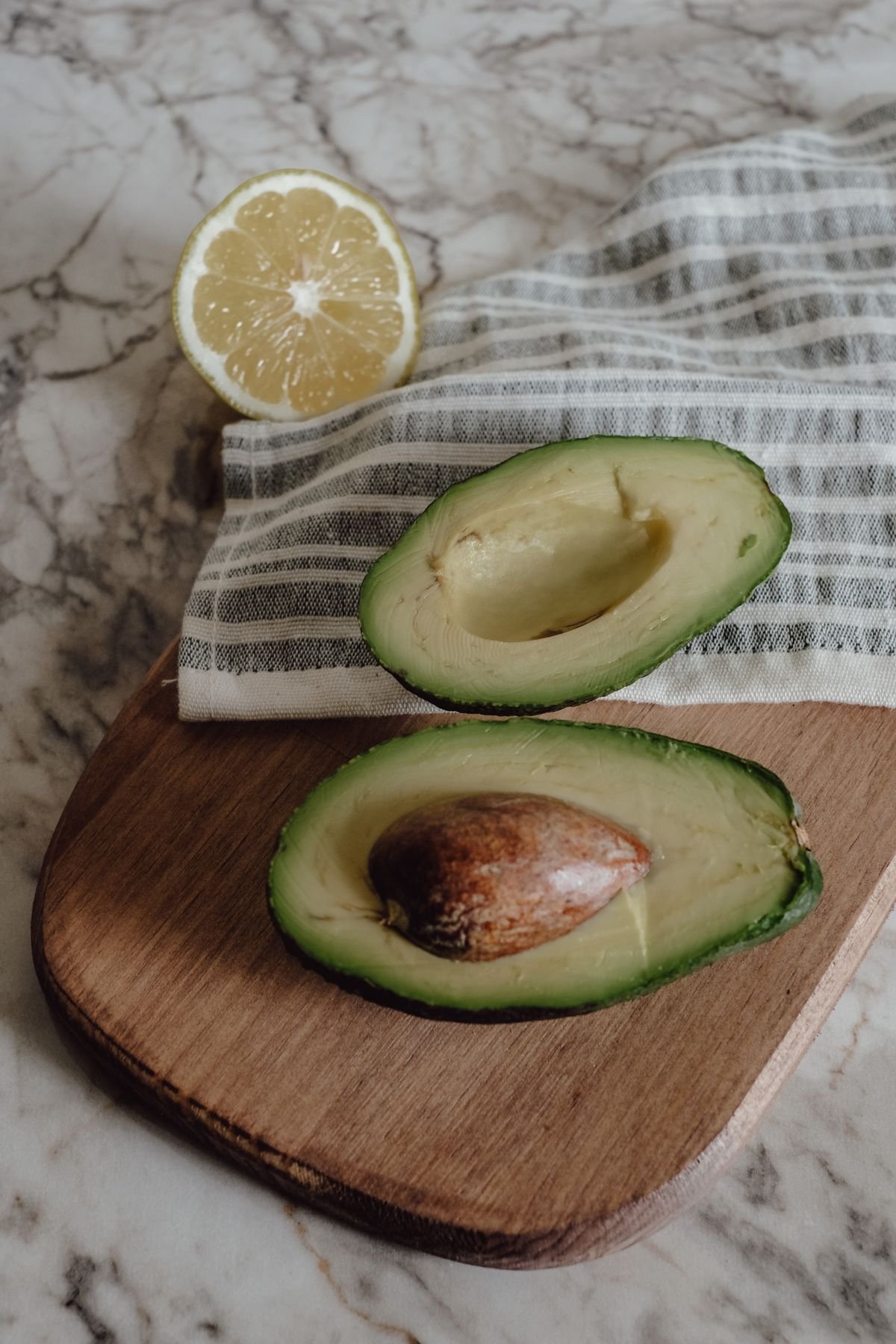
You buy a perfect avocado, soft at the stem and full of promise. You cut it open for toast, use one half, and save the other half for tomorrow. By morning the bright green flesh has turned dull and brown, and you wonder if it is still safe to eat. You scrape some off, taste a little, and throw the rest away. It feels like money in the bin, and it happens in kitchens all over the US every week.
Learning how to keep avocado fresh after cutting is not about one clever trick. It is about slowing down the air, the acid, and the time that turn green flesh brown. A good method can give you two to three fresh days from a cut half. A poor method can leave you with brown flesh in a few hours. This guide gives you five methods that work, with clear times for halves, slices, mash, and guacamole, plus food safety guidance you can trust.
Why Cut Avocado Turns Brown So Quickly
An avocado turns brown because of an enzyme called polyphenol oxidase. When you cut the fruit, you expose the flesh to oxygen in the air. The enzyme reacts with oxygen and with natural compounds in the flesh, and the surface changes colour. It is the same process that turns a cut apple brown, and it starts within minutes.
The flesh is soft, rich in healthy fats, and full of water, so it reacts fast. A whole avocado has skin to protect it. Once the skin is cut, the flesh has no shield. Air reaches every part of the cut surface, so browning spreads from the outside in. The thinner the slice, the faster it changes, because more surface meets air. Heat speeds the process too, so a cut avocado left on the counter will brown much faster than one put in the fridge straight away.
Browning is not the same as rotting. Brown flesh can still be safe and tasty if it has been stored cold and used soon. It may look less pretty, but the flavour often stays mild and creamy underneath. The problem is that brown flesh also loses fresh flavour over time, and it can hide signs that the fruit has gone too far. That is why time and temperature matter as much as colour.
The enzyme behind the colour change
Polyphenol oxidase lives in the cells of the fruit. Cutting breaks those cells open and lets the enzyme meet oxygen. Lemon juice helps because its acid lowers the pH on the surface and slows the enzyme. Cold helps because enzymes work more slowly at low temperatures. A tight wrap helps because it limits the oxygen that can reach the flesh. No home method stops the enzyme completely. The goal is to slow it enough that the avocado stays green until you want it.
Why the pit does not save the rest
Many people leave the pit in the saved half and expect it to keep the whole half fresh. It does not work that way. The pit only touches a small circle of flesh. The flesh under the pit stays greener because air cannot reach it. The flesh around it browns just as fast as it would without a pit. Keep the pit in if you like, because it does no harm. Do not rely on it alone. Brush the whole cut surface with lemon juice or oil, press plastic wrap right against the flesh, and put the half in the fridge.
How to Keep Avocado Fresh After Cutting: What Actually Works
The five methods below are ranked by how well they work for most home cooks. Method one is the best all round choice for a half. Method two is excellent for slices. Method three is useful when you have onion in the fridge. Method four suits people who own a vacuum sealer. Method five is for mash and guacamole that you want to keep for later. All five share three rules. Work quickly, cover the cut surface fully, and put the avocado in the fridge right away.
Method 1: Lemon Juice and Tight Plastic Wrap for Halves
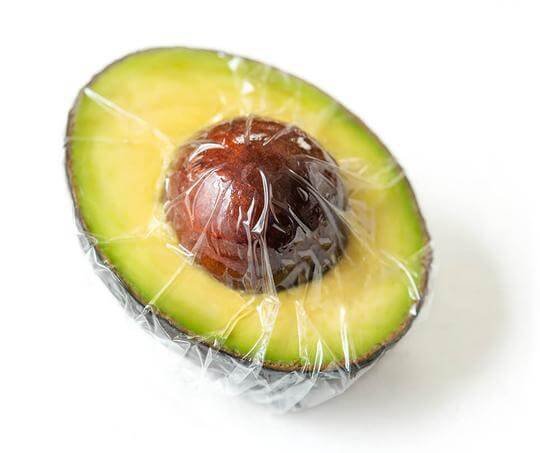
This is the most reliable method for a saved half. Squeeze fresh lemon juice over the whole cut surface. Use enough to coat it lightly, but not so much that juice pools in the hollow. Brush it with your fingers so every part is covered, including the edges near the skin. Press a sheet of plastic wrap directly onto the cut surface, with no gap of air between the wrap and the flesh. Then wrap the whole half again, put it in a small container, and place it in the fridge.
Stored this way, a half stays bright green for two to three days. The top layer may darken a little by day three, but a thin scrape will reveal fresh green flesh below. Lime juice works in the same way if you prefer its flavour. Lemon is milder and more common in US kitchens, so it is the usual choice. This method is simple, cheap, and easy to repeat every time you cut an avocado.
Method 2: Olive Oil Seal for Halves and Slices
Olive oil creates a thin barrier that keeps air away from the flesh. It works well for halves and for thick slices, and it adds almost no flavour when you use a light coating. Brush a thin layer of olive oil over the cut surface, edge to edge, with no dry spots. Wrap the oiled half tightly in plastic wrap, pressing the wrap against the flesh. Put it in an airtight container and place it in the fridge.
This method keeps a half fresh for two days, and slices fresh for one to two days. It is a good choice if you do not like citrus flavour on avocado. It also works well if you plan to use the avocado in a salad, because the light oil coating blends into the dressing. Use a mild olive oil, not a strong peppery one, so the flavour stays gentle.
Method 3: Airtight Container With Onion for Slices
Onion releases natural sulfur compounds that can slow browning in a closed container. This method is useful for slices you want to use in a salad later. Place a thick slice of red onion at the bottom of an airtight container. Lay the avocado slices on top in a single layer, cut side up, so they do not sit directly on the onion for a long time. Press a sheet of plastic wrap onto the top of the slices before you close the lid.
Slices stored this way stay fresh for one to two days. The method is not as strong as lemon juice, so use it when you have onion ready and you plan to eat the slices soon. Do not use a cut onion that is old or soft. Fresh onion works best. This is also handy for tacos and grain bowls, because onion and avocado often go together in those dishes. If you store herbs for guacamole or salads, the same fridge discipline helps, and you can read how to keep fresh herbs fresh longer in the fridge for a clear guide to storing cilantro and other soft herbs.
Method 4: Vacuum Bag or Zip Bag With Air Pressed Out
A vacuum bag removes almost all the air around the avocado, which slows browning more than a loose wrap. If you own a vacuum sealer, place a half or slices in a bag, seal it on a gentle setting, and put it in the fridge. Use a setting that does not crush the soft flesh. A half holds its shape well. Slices need a gentle seal and a flat bag.
If you do not own a sealer, use a zip bag and press the air out by hand. Brush the cut surface with lemon juice first, then bag it. The combination of acid and low air gives the best result. A vacuum sealed half can stay fresh for three to four days in the fridge. Slices last two to three days this way. The method is excellent if you buy avocados in bulk and cut several at once.
Method 5: Freeze It for Mash and Guacamole Later
Freezing is not good for a half you want to slice later, because the texture turns soft and watery after thawing. It is excellent for mash and guacamole, where a soft texture is welcome. Scoop the flesh into a bowl, mash it lightly with a fork, and stir in lemon juice or lime juice. Use about one tablespoon of juice for each avocado so the acid is mixed through the whole mash.
Spoon the mash into a freezer bag, press it flat so it thaws quickly, press out as much air as you can, and seal the bag. Frozen avocado mash keeps well for three to six months. Thaw it in the fridge overnight, not on the counter, and stir it before you use it. Freeze a plain mash with lime and salt, and add tomato, onion, and cilantro after thawing so those fresh ingredients stay crisp. For fruit that ripens fast, the same quick action matters, and you can read how to keep bananas fresh longer for a practical guide that pairs well with this avocado guide.
How Long Cut Avocado Lasts in the Fridge
Times below assume the avocado was ripe and fresh when cut, brushed with acid or oil, covered tightly, and kept cold at 40 degrees Fahrenheit or below. A warm fridge, a loose cover, or a long time on the counter will shorten every time below. Use these times as a guide, and always check smell, texture, and taste before you eat.
- A cut half with lemon juice and tight wrap: two to three days in the fridge, best on day one and day two.
- A cut half with olive oil and tight wrap: two days in the fridge, best on day one.
- Slices in an airtight container with lemon juice: one to two days in the fridge, best on day one.
- Diced avocado or mash with lemon juice: one day in the fridge for the best texture and colour.
- Guacamole with lime juice and a tight cover: one to two days in the fridge, with wrap pressed flat on the surface.
- Frozen avocado mash with lemon juice: three to six months in the freezer, thawed in the fridge overnight.
These windows line up with USDA FoodKeeper style guidance for cut fruit kept cold. Cut fruit is perishable, and cold storage slows spoilage but does not stop it. If you are unsure how long a piece has been in the fridge, treat it with care. Smell it, look at the colour through the whole piece, and taste a small amount. If anything seems off, throw it away.
How to Keep Avocado Fresh by Cut Form
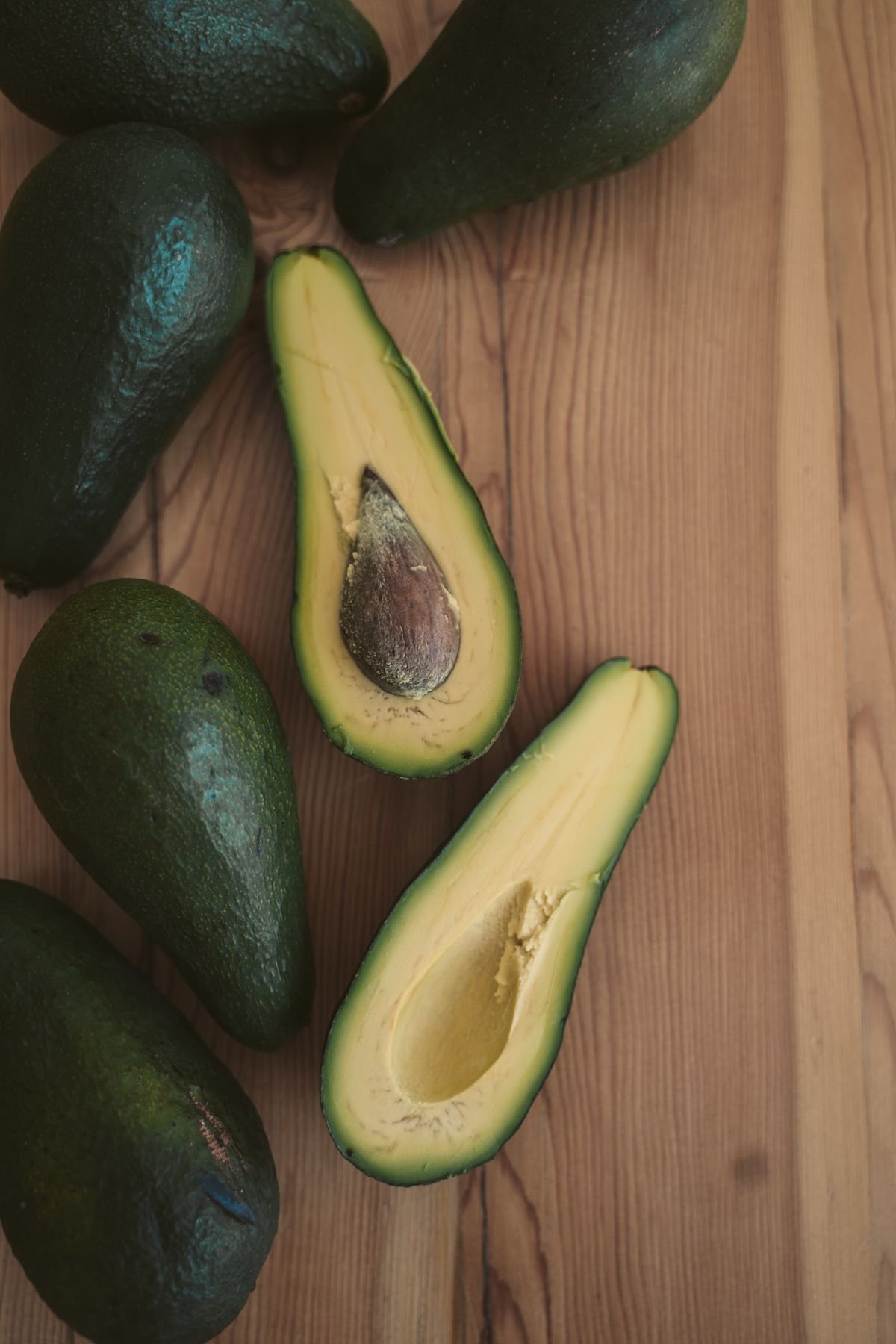
The best method depends on the form you have. A half, a slice, and a mash all meet air in a different way, and each needs a slightly different cover. Many online guides treat all cut forms the same, and that is a gap worth fixing. Use the form you have as the starting point, and the method will follow.
Halves: keep the skin on and cover the face
Halves are the easiest form to keep fresh. Leave the skin on, because it protects the back and sides. Brush the whole flat face with lemon juice or olive oil. Cover the full face with plastic wrap pressed right against the flesh. Place the half face down in a small container if you can, so the wrap is pressed and air is kept out. Use it within two to three days. Do not store a half in a large container with a lot of empty air, because a small container that fits closely keeps less air around the fruit.
Slices and dice: acid, single layer, tight lid
Slices brown faster than halves because more surface is exposed. Brush each slice with lemon juice as soon as you cut it. Lay slices in a single layer in a container, not piled high, so the cover can touch the top layer. Press plastic wrap onto the slices, then close the lid. Use the slices within one to two days. Diced avocado is even more exposed, so it is best used the same day. If you must save it, toss it gently with lemon juice, pack it tightly into a small container, and press wrap onto the top.
Mash and guacamole: acid through the mix, wrap on the surface
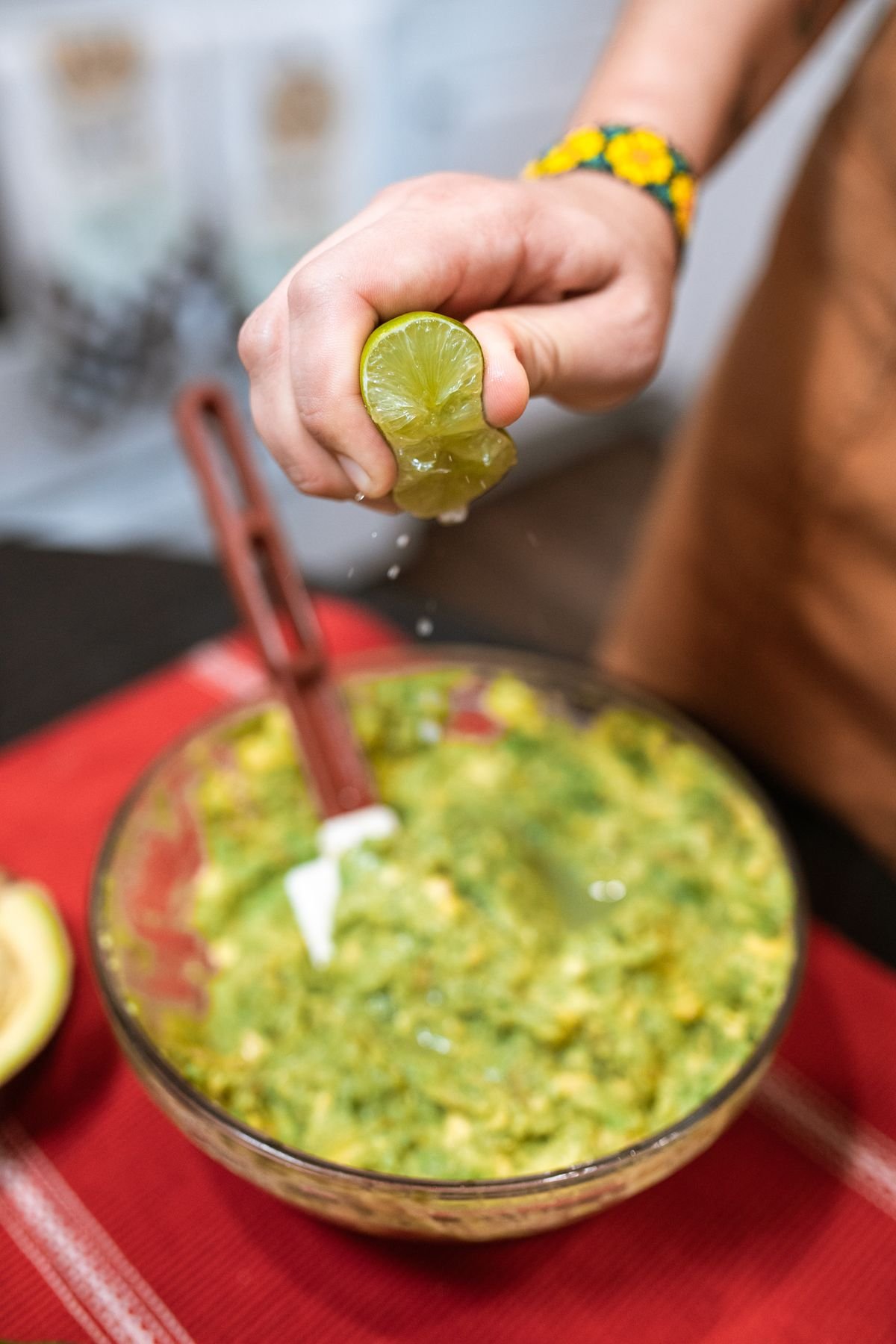
Mash and guacamole need acid mixed through the whole bowl, not just on the top. Stir lemon or lime juice into the mash so the acid reaches every part. Smooth the top flat with a spoon. Press plastic wrap directly onto the surface so no air touches it, then close the lid and put it in the fridge. A lid alone leaves a layer of air under it. Wrap on the surface removes that air. Guacamole made this way stays green for one to two days, with only a thin top layer that may darken.
Mistakes That Make Browning Worse
The most common mistake is leaving cut avocado on the counter while you cook or eat. Even thirty minutes at room temperature gives the enzyme time to work. Cut the avocado last when you can, and put the saved half in the fridge as soon as you have used what you need. Speed matters more than any single product.
A loose cover is the next mistake. A lid on a large container, a sheet of wrap that tents above the flesh, or a bag with a lot of air inside all leave oxygen in contact with the surface. Press the wrap right onto the flesh. Use a small container. Press air out of the bag. A tight cover is the difference between green flesh tomorrow and brown flesh tomorrow.
Storing cut avocado under water is a mistake that also raises a food safety concern. The FDA has advised against storing cut avocado in water, because water can carry germs from the skin into the flesh and cold water does not stop bacteria from growing. A short rinse before eating is fine. Storage under water is not a safe way to keep avocado fresh. Use acid, oil, and a tight cover instead. Good storage helps across the kitchen, so read how to keep potatoes from sprouting if you want your pantry staples to last as long as your fridge fruit.
Food Safety: When to Keep It and When to Throw It Away
Cut avocado is perishable. Keep it at 40 degrees Fahrenheit or below, and do not leave it at room temperature for more than two hours. In hot weather, that window is shorter. If cut avocado has sat out for a long time, throw it away, even if it still looks green. Colour alone does not prove safety.
Use clean hands, a clean knife, and a clean board. Wash the skin before you cut, because the knife can carry dirt and germs from the skin into the flesh. Throw cut avocado away if you see mold, if it smells sour or strange, if it feels slimy, or if it tastes off. Mold can grow in soft spots and spread through soft flesh, so do not just cut off a moldy spot and eat the rest. When in doubt, throw it out. Label the container with the date you cut it, so you always know how old it is.
How to Tell If Cut Avocado Is Still Good to Eat
Start with colour, but do not stop there. Fresh cut avocado is bright green with a buttery yellow tone near the pit. A thin brown layer on the surface is common after a day in the fridge, and the flesh below is often still bright. Scrape off the thin brown layer with a spoon and look at the colour underneath. If the flesh below is green and firm, it is usually fine.
Smell the avocado next. Fresh avocado smells mild, nutty, and clean. A sour smell, a sharp chemical smell, or a strong rancid smell means the fat has turned and the fruit should go in the bin. Taste a small piece last, after the look and smell checks pass. Fresh avocado tastes mild, rich, and buttery. A bitter taste, a sour taste, or a taste that feels like old oil means the fruit is past its best. Trust your senses, because they work better than colour alone.
What to Do With Avocado That Has Started to Brown
A lightly browned avocado is still useful, even if it does not look pretty in a salad. Scrape off the brown layer and use the green flesh below. Mash it for toast, where the colour matters less and the flavour still shines. Blend it into a smoothie with banana and milk, where the green colour looks natural and the taste stays creamy. Stir it into pasta sauce, soup, or a dressing, where heat and other flavours mask the colour and the creamy texture enriches the dish. Do not try to rescue avocado that smells sour, tastes bitter, or shows mold. That fruit has gone beyond browning and should go in the bin.
Frequently Asked Questions
How long does cut avocado last in the fridge? A cut half with lemon juice and tight wrap lasts two to three days in the fridge. Slices last one to two days. Mash and guacamole are best within one to two days. Keep the fridge at 40 degrees Fahrenheit or below for the best result.
Can I store cut avocado in water to keep it fresh? No, you should not store cut avocado in water. The FDA has advised against this method because water can carry germs from the skin into the flesh. Use lemon juice, olive oil, and a tight cover instead, and keep the avocado cold in the fridge.
Does leaving the pit in keep avocado fresh? The pit only protects the small spot it touches. The rest of the cut surface browns just as fast with the pit as without it. Leave the pit in if you like, but brush the whole surface with lemon juice or oil and press plastic wrap onto the flesh for real protection.
Can I freeze cut avocado? Yes, you can freeze avocado mash and guacamole base, but not slices you want to serve fresh. Mash the flesh with lemon or lime juice, pack it flat in a freezer bag, press out the air, and freeze it for three to six months. Thaw it in the fridge overnight and use it within one day.
Is brown avocado safe to eat? Brown avocado is often safe if it has been stored cold, used soon, and still smells and tastes fresh. The brown colour comes from oxygen, not always from germs. Throw it away if you see mold, if it smells sour, if it feels slimy, or if it tastes bitter or rancid.
Keep the Half You Save Tonight Fresh for Tomorrow
Learning how to keep avocado fresh after cutting comes down to three simple habits. Act fast and put the saved piece in the fridge right away. Cover the full cut surface with acid or oil and a tight wrap that touches the flesh. Keep it cold, use it soon, and check it with your senses before you eat it. Those habits will save you money, reduce waste, and keep your avocado green and tasty.
Start with lemon juice and tight plastic wrap for halves, because it is simple and it works. Try olive oil if you dislike citrus flavour. Use a vacuum bag if you prep in bulk, and freeze mash for later if you have too much ripe fruit at once. Avoid water storage, avoid loose covers, and avoid leaving cut avocado on the counter. With those choices, the half you save tonight will still be bright, creamy, and ready for toast tomorrow morning.
