
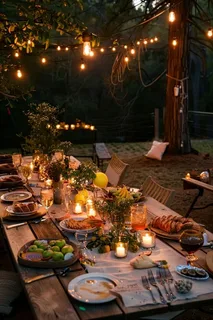
There is something quietly magical about eating a meal outside. The air feels different. Conversations slow down. Even a simple plate of food tastes better when it is shared under an open sky. That is the entire appeal of a nature dinner it takes something as ordinary as eating and turns it into an experience worth remembering.
If you have ever scrolled through photos of long wooden tables set in a forest clearing, or string lights hanging over a garden filled with friends, you already understand the pull. A nature dinner is not just a meal. It is a mood, a setting, and a way of reconnecting with the outdoors without needing a five star resort or a professional event planner.
This guide walks you through everything you need to plan your own nature dinner, from picking the right location to setting a table that feels effortless yet beautiful. Whether you are hosting an intimate dinner for two or a large gathering for family and friends, you will find practical, real world advice here rather than vague inspiration.
What Is a Nature Dinner and Why It Is Growing in Popularity

A nature dinner is simply a meal planned and enjoyed in an outdoor setting that highlights the natural surroundings, whether that is a garden, a forest, a beach, or even a quiet backyard. Unlike a typical barbecue or casual picnic, a nature dinner usually involves a bit more intention: a set table, thoughtful lighting, and a menu that feels special.
The rise in popularity is not surprising. People are spending more time looking for ways to slow down and disconnect from screens. Eating outdoors, surrounded by trees, open sky, or water, offers a natural reset that indoor dining rarely provides.
Restaurants have picked up on this too. Greenhouse dining rooms, garden patios, and farm to table concepts have become major draws in cities around the world. But you do not need a restaurant reservation to enjoy the same feeling. With a little planning, your own backyard, a nearby park, or a quiet trail can become the setting for an unforgettable outdoor dining experience.
Choosing the Perfect Location for Your Nature Dinner
The location sets the tone for everything else, so it deserves the most thought. Here are the most popular settings and what makes each one work well.
Backyard and Garden Settings
A backyard is the easiest place to start, especially for a first attempt at hosting a nature dinner. You already know the space, you have access to your kitchen, and there is no need to transport heavy items far.
Look for a spot with some greenery nearby, whether that is a flower bed, a few potted plants, or overhanging tree branches. Even a small garden corner can feel intimate when lit properly and dressed with simple linens.
Forest and Woodland Settings
For a more adventurous and visually striking option, a forest clearing or wooded area offers dramatic scenery. Tall trees, dappled light, and the natural quiet create an atmosphere that feels almost cinematic.
This setting requires more planning. You will need to transport tables, chairs, and food, and you should always check local regulations about hosting private gatherings in public woodland areas. Many regions require a permit for larger groups.
Beach and Waterfront Settings
There is a reason waterfront dinners are so popular for celebrations. The sound of waves, the changing colors of a sunset, and the open horizon make for one of the most romantic nature dinner settings available.
Sand can make table setup tricky, so consider a portable low table or blankets with cushions instead of traditional chairs. Wind is also worth planning for, since lightweight tablecloths and napkins can easily blow away.
Rooftop and Urban Green Spaces
If you live in a city and do not have easy access to a garden or forest, do not worry. Rooftop terraces, community gardens, and even balconies with a few plants can be transformed into a lovely nature dinner spot.
Focus on bringing nature into a smaller space through potted greenery, fresh flowers, and natural materials like wood and linen. The skyline view can become part of the charm rather than something to hide.
Seasonal Nature Dinner Ideas
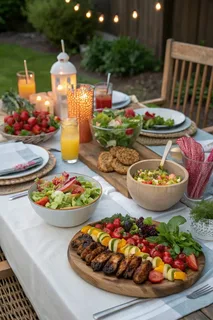
The season you choose will shape almost every decision, from the menu to the decor. Here is how to plan around each one.
Spring
Spring nature dinners work beautifully with fresh flowers, pastel linens, and lighter dishes featuring early season vegetables like asparagus and peas. Mild evenings make outdoor seating comfortable without much extra planning.
Summer
Summer is the most popular season for outdoor dining, and for good reason. Long daylight hours mean you can host a dinner that transitions naturally from golden hour into a warm evening under string lights.
Focus on hydration for guests, shade during the day, and dishes that use seasonal produce like tomatoes, corn, and stone fruit.
Autumn
Few settings are as photogenic as an autumn nature dinner. Warm colored leaves, cooler air, and softer light create a cozy atmosphere without much effort. Think roasted vegetables, warm soups, and layered blankets for guests who might feel a chill.
Winter
Winter nature dinners require more preparation but can be some of the most memorable. Outdoor heaters, warm drinks, and a covered or sheltered space make it possible to enjoy the crisp air without discomfort. Candlelight becomes especially important here, both for warmth and atmosphere.
Setting the Scene: Decor and Ambiance Tips

The details are what turn an outdoor meal into a true nature dinner experience. You do not need an elaborate budget to achieve this, just a clear sense of what feeling you are going for.
Consider the following elements when setting your table:
- A neutral linen tablecloth or runner that lets the natural surroundings stand out
- Low arrangements of seasonal flowers or greenery so guests can see each other across the table
- Warm lighting such as string lights, lanterns, or simple candles in glass holders
- Natural materials like wood, rattan, or stone for plates, chargers, or centerpieces
- A mix of textures, including linen napkins, ceramic dishware, and glassware that catches the light
Keep the styling simple rather than overcrowded. Part of the appeal of a nature dinner is that the environment does most of the visual work. Your decor should complement it, not compete with it.
Planning the Menu for an Outdoor Nature Dinner
Food choices for a nature dinner should balance practicality with a sense of occasion. Dishes that hold up well outside the kitchen, travel easily, and taste good at room temperature tend to work best.
A few ideas worth considering include grazing boards with cheese, cured meats, and fresh bread, grilled vegetables and proteins prepared just before serving, salads built with hardy greens that will not wilt quickly, and desserts like fruit tarts or simple baked goods that do not require refrigeration.
Farm to table menus pair especially well with a nature dinner theme, since they reflect the same values of freshness and connection to the outdoors. Sourcing produce from a local farmers market not only supports small growers but also ensures your ingredients are genuinely in season.
Do not overlook drinks. A pitcher of infused water, a light seasonal cocktail, or a simple wine pairing can elevate the meal without requiring a full bar setup.
Practical Tips for a Smooth Outdoor Dining Experience
Even the most beautifully planned nature dinner can be disrupted by things you did not anticipate. A little preparation goes a long way.
Always have a backup plan for weather. A nearby covered porch, a large umbrella, or even a simple pop up canopy can save the evening if rain or strong sun becomes an issue.
Insects are a common concern for outdoor meals. Citronella candles, natural bug repellent, and covering dishes until serving time can help keep the focus on the food and company rather than unwelcome guests.
Lighting matters more than people expect. As the sun sets, string lights, lanterns, or even simple battery powered candles ensure the space remains warm and usable well into the evening.
Finally, think about comfort. Blankets for cooler evenings, cushions for ground seating, and enough shade during hot afternoons will keep guests relaxed and present rather than distracted by discomfort.
Sustainable and Eco Friendly Nature Dinner Practices
Since a nature dinner celebrates the outdoors, it makes sense to host one in a way that respects the environment too. Small choices can make a real difference.
Choose reusable dishware, cloth napkins, and glassware over single use plastics whenever possible. If disposables are necessary for a larger gathering, look for compostable or biodegradable options.
Source food locally to reduce transportation impact and support seasonal, regional farming. Composting food scraps afterward, rather than sending them to landfill, is another simple step that aligns with the spirit of the occasion.
Always leave the space exactly as you found it. If you are hosting in a public park, forest, or beach, pack out everything you brought in, including any decor items that could otherwise end up as litter.
Nature Dinner Formats: Picnic, Potluck, or Formal Table
Not every nature dinner needs to look the same. Choosing the right format depends on your guest list, your setting, and how much effort you want to put into setup.
A picnic style gathering works well for casual, relaxed occasions. Blankets, low cushions, and a spread of shareable food create an approachable atmosphere that suits smaller groups or families with children.
A potluck format is ideal for larger gatherings where you want to share the planning and cooking responsibilities among guests. It also naturally brings variety to the table, since everyone contributes their own dish.
A formal table setup, complete with chairs, place settings, and a structured menu, suits celebrations like birthdays, anniversaries, or milestone events. This format takes more preparation but delivers the most polished and memorable experience.
Budget Friendly vs Elevated Nature Dinner Ideas

A nature dinner can be scaled to almost any budget. On the simpler end, a backyard gathering with borrowed chairs, homemade food, and a few strands of solar powered lights can feel just as special as a professionally styled event, especially when the company is good.
For those wanting a more elevated experience, renting furniture, hiring a caterer, or working with a florist for custom arrangements can transform the same basic concept into something closer to a boutique event. Professional lighting design and hired staff for larger gatherings are common upgrades for milestone celebrations.
The most important factor is not how much you spend but how intentional the details feel. A thoughtfully set simple table will always outperform an expensive setup that lacks personality.
Conclusion
Planning a nature dinner does not require a large budget or a professional event team. What it does require is intention: choosing the right setting, considering the season, keeping the menu simple yet fresh, and paying attention to the small details that make guests feel cared for.
Whether you choose a quiet backyard, a forest clearing, a beach at sunset, or a rooftop with a view, the goal remains the same. You are creating a space where food, company, and the natural world come together in a way that feels both effortless and memorable.
Start small if this is your first attempt. Choose one location, one season appropriate menu, and a handful of decor touches that reflect your own style. From there, your next nature dinner will only get easier to plan and even more enjoyable to host.
Frequently Asked Questions
What is the best season for a nature dinner?
Summer and early autumn are generally the easiest seasons because of comfortable temperatures and longer daylight hours, though any season can work with the right preparation.
Do I need a permit to host a nature dinner in a public park or forest?
It depends on your location and group size. Many public parks and woodland areas require a permit for private gatherings, so it is worth checking with your local council or park authority beforehand.
How do I keep bugs away during an outdoor dinner?
Citronella candles, natural repellent sprays, and covering food until it is ready to serve are simple and effective ways to reduce insect problems without using harsh chemicals near your food.
What food works best for a nature dinner?
Dishes that travel well and taste good at room temperature, such as grazing boards, grilled vegetables, hardy salads, and simple desserts, tend to work better than food that needs constant reheating.
How can I make a nature dinner more sustainable?
Use reusable dishware and cloth napkins, source food locally and seasonally, compost food waste, and always leave your outdoor location as clean as you found it.
