
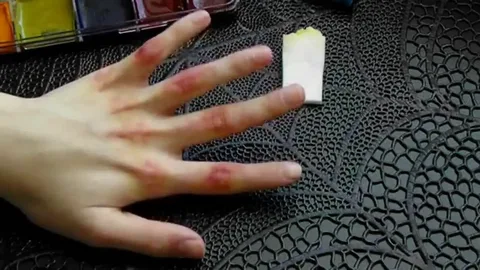
You hit something hard, maybe a wall, maybe a helmet during a game, maybe the floor after an awkward fall, and now your hand hurts in a way that feels different from a normal bump. That nagging question starts to form: did you actually break a knuckle, or is this just a bad bruise that will fade in a few days.
A broken knuckle is more common than most people realize, and it rarely announces itself with the kind of dramatic pain you see in movies. Instead, it often shows up as stubborn swelling, a strange dip in your hand’s contour, or pain that simply refuses to settle down. This guide walks you through everything you need to know, from spotting the warning signs to understanding exactly how long recovery really takes.
What Is a Broken Knuckle
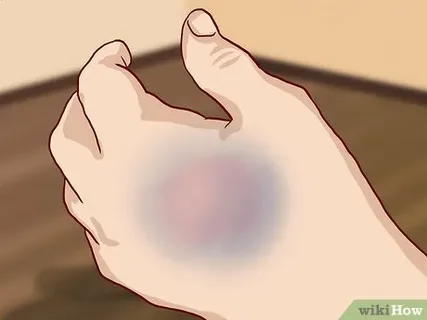
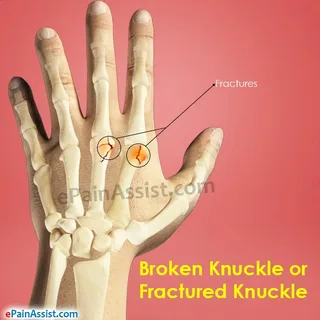
Your knuckles are the joints where the bones of your fingers meet the bones of your hand. When people talk about a broken knuckle, they usually mean a fracture in one of the metacarpal bones, the long bones that run through the palm and connect your wrist to your fingers.
These fractures are known medically as metacarpal fractures. They make up a significant share of all hand injuries seen in emergency rooms and urgent care clinics each year. The knuckle of the little finger is involved so often in punching injuries that doctors gave it its own nickname: a boxer’s fracture.
A break can happen at different points along the bone. Some fractures occur near the base, others in the middle shaft, and many happen right at the neck of the bone, just below the knuckle itself. Where the fracture happens plays a big role in how it gets treated and how long it takes to heal.
Common Causes of a Broken Knuckle
Most broken knuckles come down to one simple mechanism: a forceful impact against something that does not give way.
- Punching a hard surface such as a wall, door, or locker
- Contact sports like boxing, football, hockey, or martial arts
- Falling and landing awkwardly on an outstretched or closed hand
- Getting your hand caught or struck during an accident at work
- A direct hit from a ball, bat, stick, or piece of equipment
Men and teenagers tend to show up with this injury more often than other groups, largely because of higher rates of contact sports and physical altercations. That said, anyone can break a knuckle. A slip on ice, a fall down stairs, or even catching your hand the wrong way while playing with a pet can be enough.
Symptoms of a Broken Knuckle
The symptoms of a broken knuckle usually appear quickly, often within minutes of the injury. Some people notice everything at once, while others experience a slower buildup of pain and swelling over the following hours.
Watch for these common signs:
- Sharp or persistent pain that worsens when you try to move the finger
- Swelling that spreads across the hand, not just the injured area
- Bruising or discoloration around the knuckle
- A visible dent or flattening where the knuckle used to have a bump
- Stiffness or an inability to fully bend or straighten the finger
- A popping or cracking sensation during the injury or afterward
- Numbness or tingling if a nerve was affected
One detail people often miss is rotation. If you make a loose fist and your injured finger crosses over or drifts away from its neighbor instead of lining up naturally, that is a strong sign of a fracture rather than a simple bruise.
Broken Knuckle Versus Bruised Knuckle
This is the question almost everyone searches for after an injury, and it makes sense why. A bruise and a fracture can feel remarkably similar in the first hour or two.
A bruised knuckle typically involves soreness, mild swelling, and some discoloration, but you can usually still move your finger through most of its normal range, even if it is uncomfortable. The pain tends to ease noticeably within a few days.
A broken knuckle behaves differently. The pain is sharper and more centered on the joint. Movement becomes genuinely difficult, sometimes impossible. Swelling tends to be more dramatic, and the knuckle itself may look sunken or misshapen compared to the same joint on your other hand.
If you are ever unsure, the safest approach is to treat the injury as a possible fracture until a medical professional tells you otherwise. Waiting it out at home when the bone is actually broken can lead to poor healing and long term stiffness.
How Doctors Diagnose a Broken Knuckle
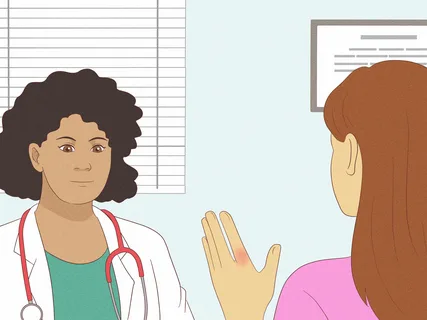
A hand fracture cannot be confirmed by touch alone, which is why a proper diagnosis always involves imaging.
During your visit, a doctor will typically:
- Ask how the injury happened and when your symptoms started
- Examine your hand for swelling, deformity, and tenderness
- Check your ability to bend, straighten, and rotate the finger
- Test grip strength and sensation to rule out nerve involvement
- Order X-rays from multiple angles to confirm the fracture and see its exact pattern
In more complex cases, where the fracture might involve the joint surface or where multiple bones are affected, a doctor may request a CT scan for a more detailed picture. This extra step helps guide decisions about whether surgery is necessary.
Treatment Options for a Broken Knuckle
Treatment depends heavily on where the break is located, how severe it is, and whether the bone has shifted out of position.
Non Surgical Treatment
The majority of knuckle fractures do not require surgery. If the bone fragments are still reasonably aligned, doctors typically manage the injury with:
- Splinting or casting to hold the bone still while it heals
- Buddy taping, where the injured finger is taped to a neighboring finger for support
- Pain relief through over the counter medication, or something stronger if needed
- Scheduled follow up X-rays to confirm the bone is healing in the correct position
Surgical Treatment
Surgery becomes more likely when the fracture is severely displaced, involves the joint, has broken through the skin, or has not healed properly with conservative care. Common surgical approaches include:
- Closed reduction, where the doctor realigns the bone without cutting the skin
- Internal fixation using pins, screws, or plates to hold the bone in place
- External fixation, where a frame outside the hand stabilizes the bone during healing
Surgery sounds intimidating, but for the right type of fracture it often leads to a faster, more predictable recovery than trying to force a poorly aligned bone to heal on its own.
First Aid: What to Do Right After the Injury
What you do in the first hour after injuring your hand can genuinely affect how well it heals. If you suspect a broken knuckle, follow these steps before you can get to a doctor.
- Stop using the hand immediately and avoid making a fist
- Apply a cold pack wrapped in a cloth for fifteen to twenty minutes to control swelling
- Keep the hand elevated above heart level whenever possible
- Remove rings or jewelry before swelling makes this difficult
- Use a clean cloth or improvised splint to gently support the finger, avoiding pressure directly on the knuckle
- Seek medical evaluation as soon as you reasonably can
Avoid trying to straighten a visibly deformed finger yourself. This can cause additional damage to bones, tendons, or nerves that a trained professional needs to assess first.
Broken Knuckle Recovery Timeline
Recovery from a broken knuckle typically unfolds over several stages, and knowing what to expect can make the process far less stressful.
Week 1 to 2: This is the acute phase. Swelling and pain are usually at their worst in the first few days, then gradually improve. Immobilization through a splint, cast, or buddy tape begins here.
Week 3 to 4: Early bone healing is underway. Many doctors take a follow up X-ray around this point to confirm the fracture is stable and lining up correctly. Pain continues to fade, though the hand may still feel stiff.
Week 4 to 6: For most simple fractures, this is when the bone reaches enough stability to allow the splint or cast to come off. Gentle range of motion exercises often begin here, sometimes guided by a hand therapist.
Beyond 6 weeks: Bone healing may be structurally complete, but full strength and flexibility can take additional weeks or even a few months to return, especially after surgery. Grip strength is often the last thing to fully recover.
Healing time can stretch longer if the fracture was complex, if surgery was required, or if you have other health conditions such as diabetes that slow bone repair. Smokers also tend to see delayed healing, since nicotine restricts blood flow to healing tissue.
Tips to Support Healing and Prevent Complications
A few simple habits can make a real difference in how smoothly your hand recovers.
- Follow your splint or cast instructions exactly, even when the hand starts to feel better
- Keep the injured hand elevated during the first few days to limit swelling
- Move your uninjured fingers regularly to prevent overall stiffness in the hand
- Attend every follow up appointment, since silent healing problems are easiest to catch on X-ray
- Ease back into gripping, typing, or sports gradually rather than all at once
- Consider working with a hand therapist if stiffness lingers after the cast comes off
Rushing back into heavy use of the hand is one of the most common reasons a knuckle fracture heals with lasting stiffness or reduced strength.
When to See a Doctor Immediately
Most broken knuckles are not medical emergencies, but certain signs mean you should head to urgent care or an emergency room right away.
- The skin over the knuckle is broken or bleeding, exposing the risk of an open fracture
- Your finger looks severely deformed or is pointing in an unnatural direction
- You have numbness, tingling, or a cold, pale finger, which can suggest nerve or blood vessel involvement
- Pain is escalating rapidly rather than easing with rest and ice
- You cannot move the finger at all
These symptoms suggest a more serious injury that needs prompt evaluation rather than a wait and see approach.
Preventing Future Knuckle Injuries
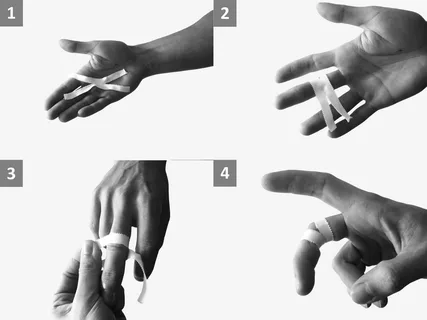
Once you have dealt with a broken knuckle, avoiding a repeat injury becomes a real priority. A few practical habits go a long way.
- Learn proper punching technique and always wrap your hands before boxing or martial arts training
- Wear appropriate protective gloves or padding during contact sports
- Strengthen grip and forearm muscles gradually through resistance training, which can improve bone resilience over time
- Address anger or frustration through healthier outlets rather than striking hard surfaces
- Be mindful of your surroundings during sports or physical work to reduce the risk of falls
A little prevention now can save you weeks of splints, therapy, and missed activity later.
Conclusion
A broken knuckle can feel alarming in the moment, but understanding what is actually happening in your hand takes a lot of the fear out of the situation. The key signs to watch for are persistent pain, noticeable swelling, deformity, and difficulty moving the finger normally. If you notice any of these, treat the injury seriously and get an X-ray rather than guessing.
With the right treatment, whether that means a simple splint or, in more complex cases, surgery, most people regain full use of their hand. Recovery generally spans four to six weeks for the bone itself, with additional time needed to rebuild strength and flexibility. Patience during that stretch, along with following your doctor’s guidance closely, makes the biggest difference in how well your hand heals.
If you are currently dealing with a suspected broken knuckle, do not wait it out hoping it improves on its own. A quick visit to a doctor now can spare you from long term stiffness, deformity, or complications that are far harder to fix later.
Frequently Asked Questions
Can a broken knuckle heal without a doctor?
Minor fractures sometimes heal on their own, but without proper alignment the bone can heal crooked, leading to stiffness or reduced grip strength. It is always safer to get it checked and imaged.
How long does a broken knuckle take to heal?
Most broken knuckles take about four to six weeks for the bone to heal, though full strength and range of motion can take longer, especially after surgery.
Is a broken knuckle the same as a boxer’s fracture?
A boxer’s fracture is a specific type of broken knuckle involving the neck of the metacarpal bone in the little finger, usually caused by punching a hard object.
Should I still be able to move my finger if it is broken?
You may still have some limited movement with a fracture, but it is usually painful and restricted. Complete inability to move the finger or a visible deformity both point strongly toward a break.
Do all broken knuckles need surgery?
No. Most broken knuckles heal well with splinting, casting, or buddy taping alone. Surgery is generally reserved for fractures that are severely displaced, involve the joint, or fail to heal properly on their own.
