
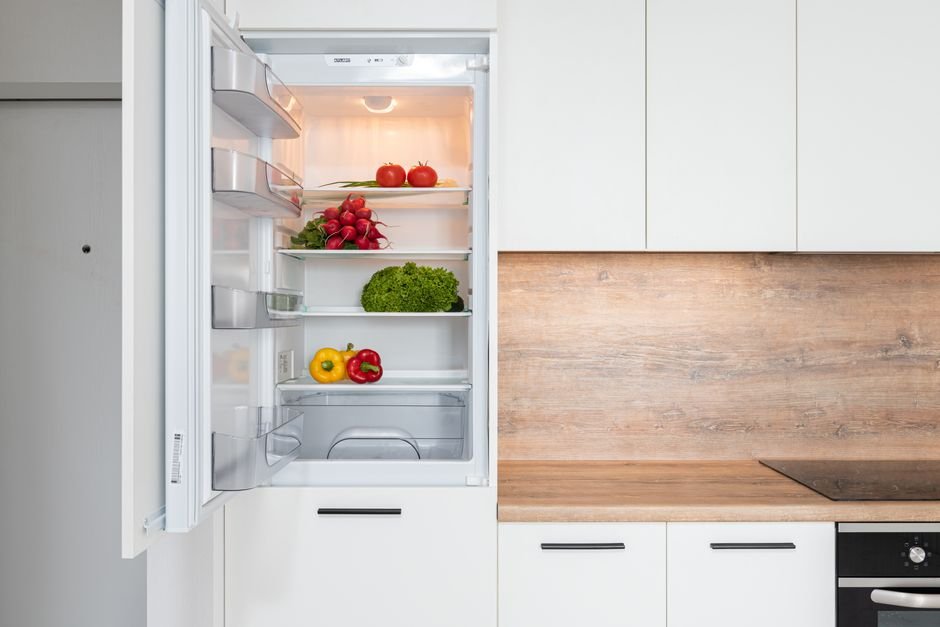
If this question sounds familiar: why does my fridge smell even after cleaning? You are not alone. It is one of the most common kitchen frustrations. You scrub every shelf, toss the old leftovers, and wipe the whole interior. Then you open the door the next morning and that unpleasant smell hits you again.
The good news is that there is always a reason, and it is usually easy to fix. The smell is almost never coming from the surfaces you cleaned. It is coming from the spots you never touched, the parts you never knew existed, or the food you forgot about. This guide walks you through the nine hidden causes, the exact steps to remove the smell for good, and the simple habits that keep it from coming back.
Why Your Fridge Can Still Smell After a Deep Clean
A refrigerator is full of hidden spaces. Behind drawers, under shelves, inside rubber seals, and underneath the appliance itself, there are areas that trap food particles and moisture. Bacteria love these dark, damp corners. They keep producing odors long after the visible interior looks spotless.
There is a second problem. The plastic parts inside a fridge are slightly porous. A strong odor, like spoiled milk or rotten meat, can soak into the plastic itself. Once that happens, no amount of surface wiping will help until you deal with the plastic or give an odor absorber enough time to pull the smell out.
9 Hidden Reasons Your Fridge Smells Even After Cleaning
Work through these in order. In most homes, the cause is one of the first five.
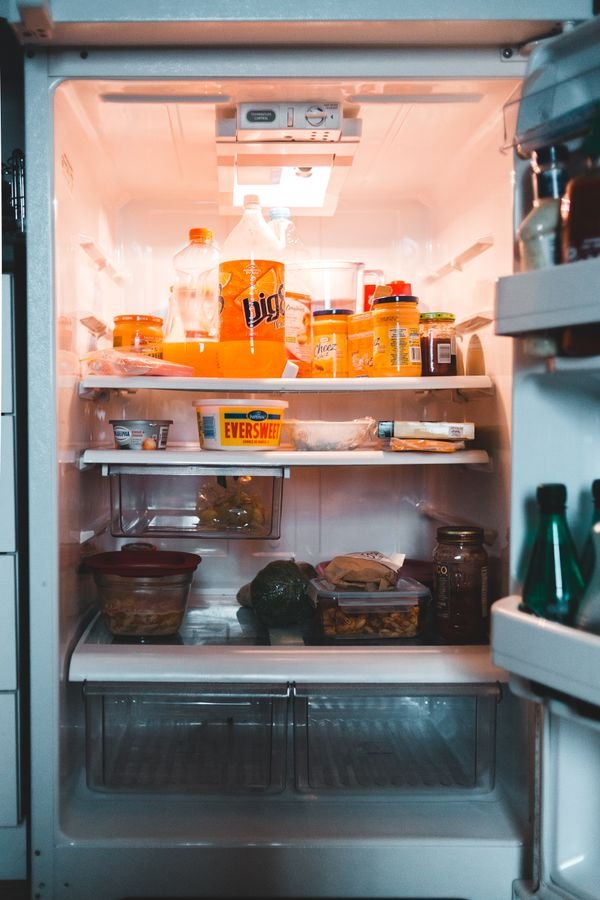
1. The Drip Pan Underneath Is Filthy
Most fridges have a drip pan near the bottom, usually behind a front grille. It collects condensation and the occasional spill from the defrost cycle. Over time, that water turns into a mix of food debris and mold. The pan sits outside the fridge, so cleaning the interior never touches it.
Pull the fridge away from the wall, or remove the front grille, and slide the pan out. Wash it with warm soapy water, rinse it well, and let it dry completely before sliding it back. If the pan smells even after washing, soak it in a solution of warm water and baking soda for an hour.
2. The Door Seals Are Hiding Mold
The rubber gaskets around the door have folds and crevices that trap crumbs and moisture. Lift the edge of the seal and look inside the folds. In many smelly fridges, you will find a line of dark mold that no one ever wiped.
Clean the seals with warm water mixed with a little dish soap, using a soft toothbrush to reach into the folds. Dry them with a clean towel afterward. Trapped moisture is what lets the mold grow back, so this step matters as much as the scrubbing.
3. The Defrost Drain Is Clogged
At the back of most fridges, there is a small drain hole that carries condensation away during the defrost cycle. When that hole clogs with food debris or mineral deposits, water pools inside the fridge and turns stale. That stagnant water smells bad fast.
Find the drain opening on the back wall of the fridge compartment. Clear it gently with a cotton swab dipped in warm water, or flush it with a small amount of warm water using a turkey baster. Watch the area over the next few days to make sure it stays dry.
4. Plastic Parts Absorbed the Odor
Sometimes the food that caused the smell is long gone, but the odor lives on in the plastic. Crisper drawers, door bins, and shelf supports are the usual suspects. They absorb strong smells and release them slowly for weeks.
Remove the drawers and bins and soak them in the sink with warm water and baking soda for at least an hour. For stubborn cases, wipe them with a cloth dampened with white vinegar, then let them air dry in sunlight. Sunlight helps break down trapped odor molecules naturally.
5. Something in the Freezer Is the Real Culprit
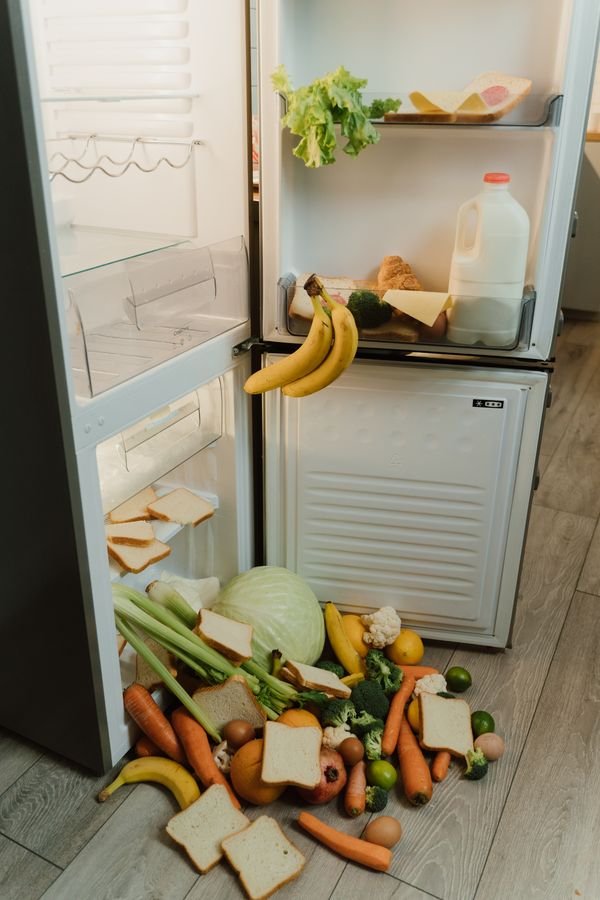
Cold air circulates between the fridge and the freezer, so a smell that starts in the freezer can drift into the fridge compartment. Freezer burned meat, forgotten seafood, or a bag that leaked months ago can all be the source.
Empty the freezer, toss anything with freezer burn or an unknown date, and wipe the interior with a baking soda solution. If the freezer needs defrosting anyway, this is the perfect moment to do a full reset of both compartments.
6. The Temperature Is Set Too High
Food spoils faster when the fridge runs warm, and spoiling food creates the exact sour smell people describe after cleaning. The safe range is 3 to 4 degrees Celsius. Many fridges drift warmer over time, especially in summer or when packed full.
Place an inexpensive fridge thermometer on the middle shelf and check the reading after a few hours. If it is above 4 degrees, lower the setting and wait a day before checking again. Food stored at the right temperature simply smells less.
7. The Air Filter or Water Filter Needs Replacing
Many modern fridges have a small air filter that absorbs odors, and models with dispensers have a water filter too. Both lose effectiveness over time. An old air filter stops trapping smells, and an old water filter can make the ice and water taste stale, which reads as a fridge odor.
Check your manual for the filter location and the recommended replacement schedule. Most air filters last about six months. Replacing them is usually a simple twist and pull job that takes under a minute.
8. A Spill Leaked Under a Drawer or Behind the Crisper
Milk, juice, or meat drippings can seep under the crisper drawers or behind the back panel of the fridge. You clean the shelf above, but the spill keeps rotting underneath, out of sight.
Take out every removable part, not just the shelves, and look underneath each one. Wipe the floor of the fridge and the back wall with a baking soda solution. When you restock, store liquids and raw meat in sealed containers so a future leak cannot hide in the same way.
9. It Is Not the Fridge at All
Sometimes the smell comes from behind or under the appliance. Food can roll under the fridge and decay there. A leak from the kitchen sink or dishwasher can leave mildew on the floor beneath it. Even a trash bin next to the fridge can fool your nose.
Pull the fridge out and clean the floor underneath. Check the wall behind it for moisture or mold. If the smell disappears when the fridge is moved, you have found your answer.
How to Remove a Stubborn Fridge Smell for Good
Once you have found the cause, follow these steps in order for a complete reset.
- Unplug the fridge and take out all the food, grouping perishables in a cooler with ice packs.
- Remove every shelf, drawer, and bin so you can reach the hidden areas underneath.
- Wash all removable parts in warm water with baking soda, then rinse and air dry them.
- Wipe the interior walls, seals, and drain area with a cloth dampened in a baking soda solution.
- Clean the drip pan and the floor under the fridge while everything is out.
- Dry every surface, restock the food, and plug the fridge back in.
- Place an open box of baking soda on a middle shelf and leave it there to absorb any leftover odor.
Natural Deodorizers That Actually Work

You do not need chemical sprays to finish the job. An open box of baking soda is the classic choice. It absorbs odors slowly and lasts about three months before it needs replacing. Activated charcoal works even faster and handles stronger smells.
Coffee grounds are another option. Place a small bowl of fresh grounds on a shelf overnight and they will pull many odors out of the air. Sliced lemons work too, since their fresh scent replaces the stale one while the citric acid helps neutralize the source. For a light fresh touch, soak a cotton ball in vanilla extract and leave it on a saucer inside the fridge.
Odor removal follows the same idea in other appliances. If smells bother you elsewhere in the kitchen, our guide on how to remove odors from small kitchen appliances uses the same gentle approach.
Simple Habits That Stop the Smell From Coming Back
Prevention takes less effort than a deep clean. Store leftovers in sealed glass containers instead of open bowls. Wrap strong smelling foods, like onions, garlic, and fish, tightly before they go in. Check expiration dates once a week and toss anything past its prime.
Proper storage also slows down spoilage, which means less odor in the first place. Our tips on keeping fresh herbs fresh show how the right habits protect delicate foods. And if you like natural cleaning, lemon works beyond the fridge too. See our method for cleaning a microwave with lemon and vinegar.
Finally, wipe up spills the same day they happen, and give the fridge a quick wipe down once a month. A small routine prevents the hidden buildup that causes most persistent smells.
When a Fridge Smell Means You Should Call a Technician
Most fridge smells are harmless, but two types need professional help. A sweet chemical smell can signal a refrigerant leak. An acrid burning plastic smell can mean an electrical fault. Both are safety issues, not cleaning issues.
If you notice either one, unplug the fridge and call a qualified technician. Do not try to fix refrigerant or electrical problems yourself. A technician can diagnose the issue quickly and tell you whether the appliance is safe to keep using.
The Bottom Line
A fridge that smells even after cleaning is almost always hiding its secret in the drip pan, the door seals, the drain, or the plastic parts. Clean those spots, absorb what is left with baking soda or charcoal, and keep up the simple storage habits that prevent buildup.
You now know exactly why does my fridge smell even after cleaning happens, and what to do about it. Work through the steps once, and you will open the door to fresh air instead of a mystery odor.
Frequently Asked Questions
Why does my fridge smell like rotten eggs?
That sulfur smell usually comes from spoiled eggs, forgotten leftovers, or a clogged drain. Toss any eggs past their date, clean the drain area, and check the drip pan underneath. If the smell is strong and sudden, make sure it is not coming from another appliance in the kitchen.
How long does baking soda take to remove a fridge smell?
Baking soda starts working within a few hours, but a strong odor may need two or three days to fade fully. Replace the box every three months. For faster results, use activated charcoal, which absorbs odors more aggressively.
Can I use vinegar to clean my fridge?
Yes. White vinegar mixed with water cleans well and neutralizes odors. Wipe surfaces with the solution, then rinse with a damp cloth. Never mix vinegar with bleach, and keep it away from any natural stone surfaces.
Why does my fridge smell when I open the freezer too?
Air circulates between the two compartments, so a freezer odor drifts into the fridge. Check the freezer for old meat, freezer burn, or leaked packaging. Cleaning both compartments at the same time solves most shared smells.
How often should I deep clean my fridge?
A full deep clean every three to four months keeps odors away. Between deep cleans, wipe spills right away, check dates weekly, and keep a box of baking soda on the shelf. That routine takes minutes and prevents most smell problems.

2 Comments
Pingback: Why Does My Washing Machine Smell Like Rotten Eggs: 8 Causes and Fixes - Daily Spark News
Pingback: Defrost a Freezer Quickly: UK Safety Guide