
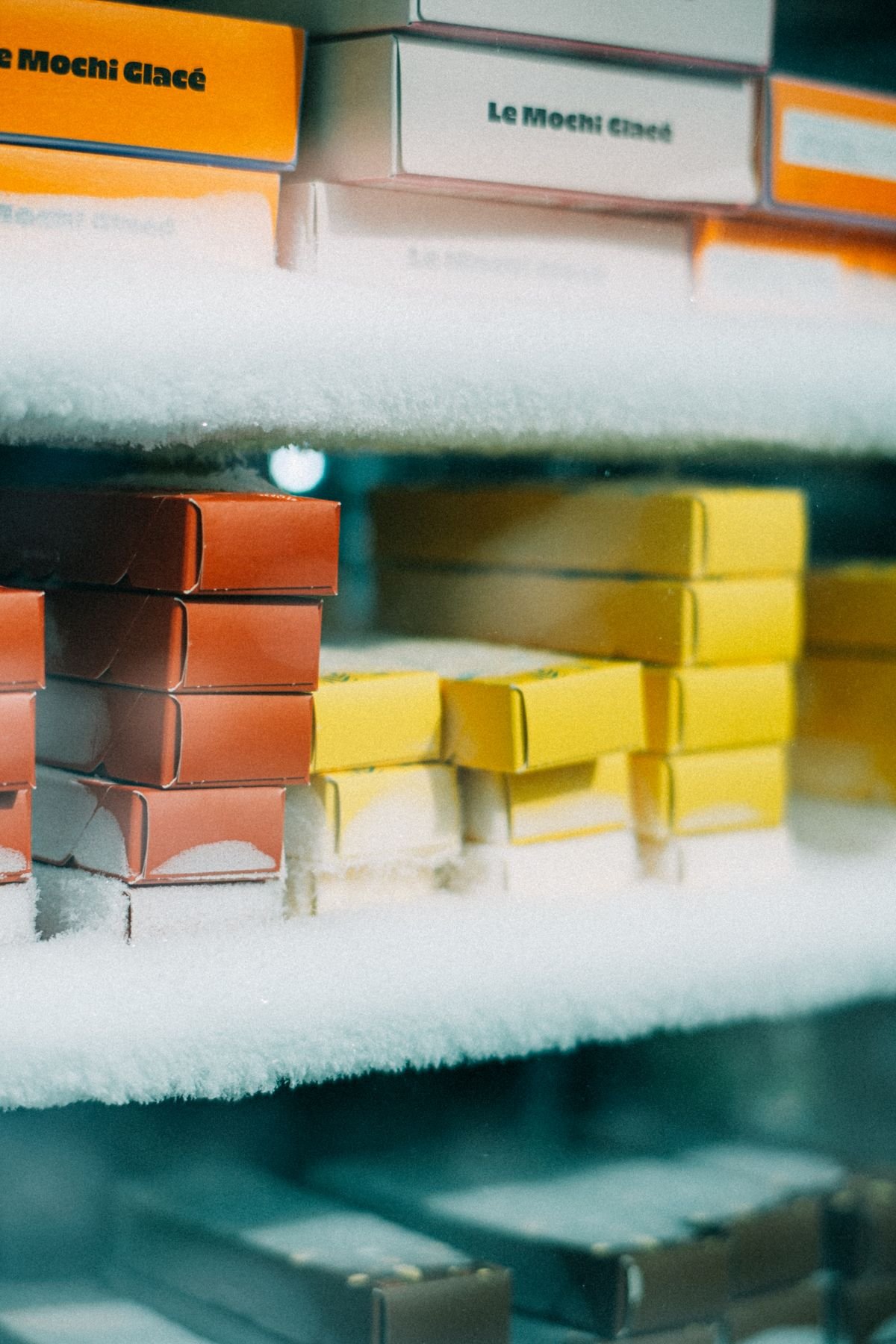
If you have opened your freezer recently and found the drawers jammed shut behind a wall of ice, you are not alone. Frost creep is one of the most common freezer complaints in British homes, especially in older upright models and chest freezers kept in garages. Learning how to defrost a freezer quickly can save you an afternoon of waiting around, and it can also cut your electricity bill and give you back valuable storage space. This guide walks you through the fastest safe methods, the mistakes to avoid, and what to do with your food while you work.
Why your freezer ices up and why it matters
Frost forms when warm, moist air gets inside the freezer and the moisture freezes onto the coldest surfaces. Every time you open the door, a little warm air rushes in. Over weeks and months, that moisture builds into a thick icy layer on the walls, shelves and drawers.
A frosty freezer is more than an eyesore. Ice takes up space that your food should occupy, so you can fit less inside. It also makes the freezer work harder. A thick blanket of ice insulates the cooling elements, which forces the appliance to run longer cycles to hold its temperature. That means higher energy use and a shorter working life for the motor. If you have ever wondered why your fridge smells even after cleaning, a neglected freezer with old spillages frozen into the ice can be part of the problem.
As a rule, you should defrost whenever the frost reaches about six millimetres thick, roughly the width of a pencil. Most households need to do it once or twice a year.
How long does it take to defrost a freezer
Left to its own devices with the door open and the power off, a freezer takes anywhere from two hours for a thin layer of frost to a full day for a seriously neglected one. A small freezer with light icing can clear in about two hours. A large chest freezer with heavy build up can take six to twelve hours, and in extreme cases close to twenty four hours.
The good news is that you can push most freezers towards the shorter end of that range with a few simple tricks. The hot water steam method below can clear light frost in as little as ten to fifteen minutes of active work, and even heavy ice usually surrenders within two to three hours. The exact time depends on how much ice you are dealing with, the size of the freezer, and the temperature of the room.
What to gather before you start
A little preparation makes the whole job faster and far less messy. Gather everything before you switch the freezer off so you are not hunting for towels while water pools on the floor.
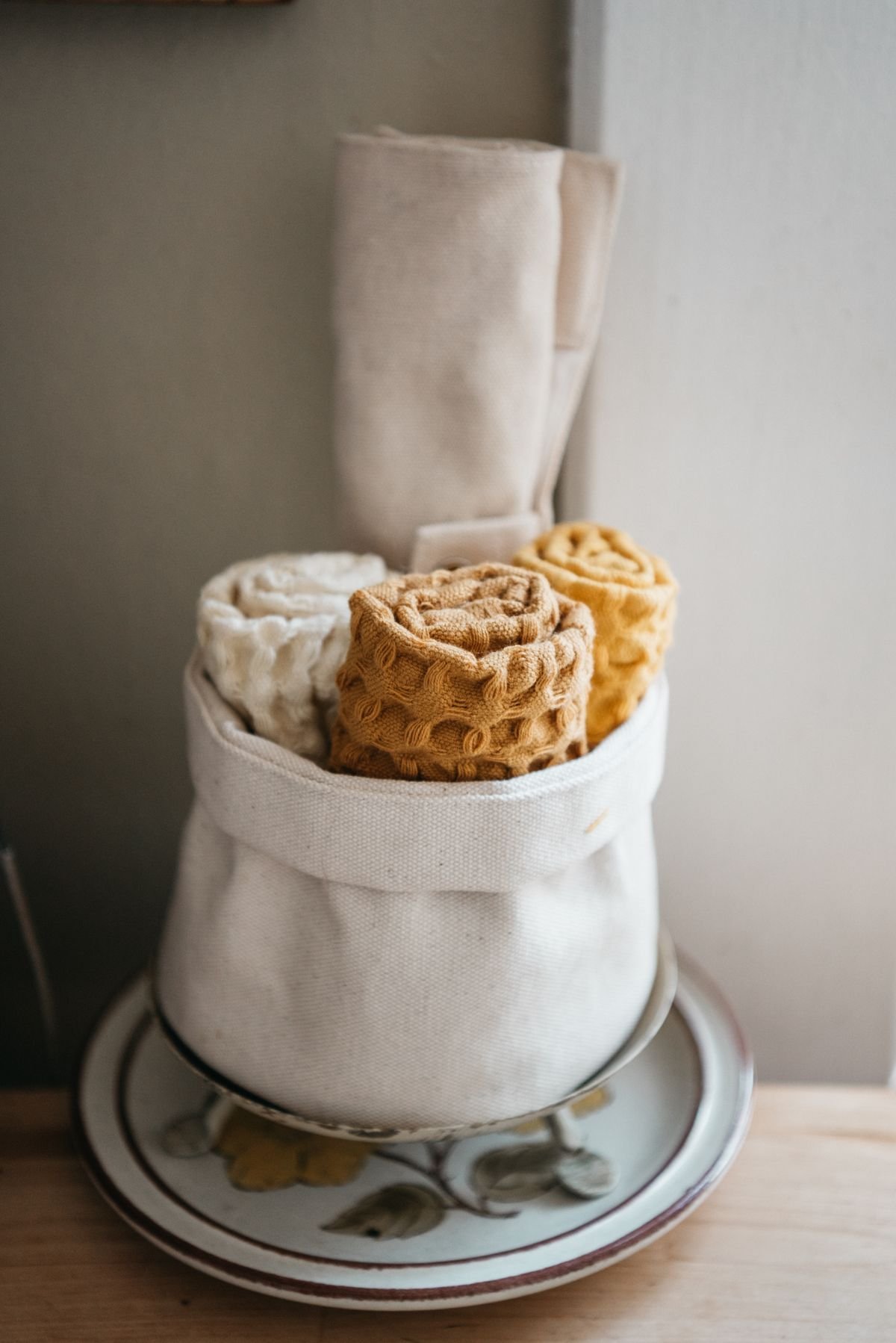
- Old towels and a few tea towels you do not mind getting soaked
- A washing up bowl or shallow baking tray to catch meltwater
- Cool bags or insulated shopping bags, plus any ice packs you have
- A kettle for boiling water
- Two or three heatproof bowls or a large saucepan
- A wooden spoon or plastic spatula for lifting loose ice
- A clean cloth, warm soapy water and a splash of white vinegar for the final clean
Lay the old towels in a ring around the base of the freezer before you begin. They will catch the drips that always escape, and they protect wooden floors from water damage.
Where to keep your food while you defrost
The biggest worry for most people is what happens to their frozen food. Pack everything into cool bags or insulated shopping bags, grouping similar items together so you can restock quickly later. Tuck any ice packs or bags of frozen peas in among the food to keep the cold in. A neighbour’s freezer is an even better option if you have a lot to store.
Food safety matters here. Frozen food that stays frozen is perfectly fine, but food that thaws and sits at room temperature for too long is not. Aim to keep your food out of the freezer for under two hours if you can. Work briskly, keep the cool bags zipped shut, and restock as soon as the freezer is cold enough to take food back. Anything that has fully thawed and feels warm to the touch should be cooked straight away or thrown out, never refrozen.
This is also a good moment to be ruthless. Check dates as you pack and throw out anything with heavy freezer burn or labels you can no longer read. You will be amazed how much space mystery bags from three years ago were stealing.
How to defrost a freezer quickly in the UK without damaging it
Switch the freezer off and unplug it before you touch a single icicle. This is the one step you must never skip. Working with water around a live appliance is dangerous, and the defrost works far better when the freezer is not fighting you by trying to refreeze everything.
Open the door or lid wide and remove all the drawers and shelves you can. Leave the door open so warm room air can start softening the frost straight away. Now pick one of the speed methods below. You can combine them for the fastest result.
Use bowls of hot water and steam
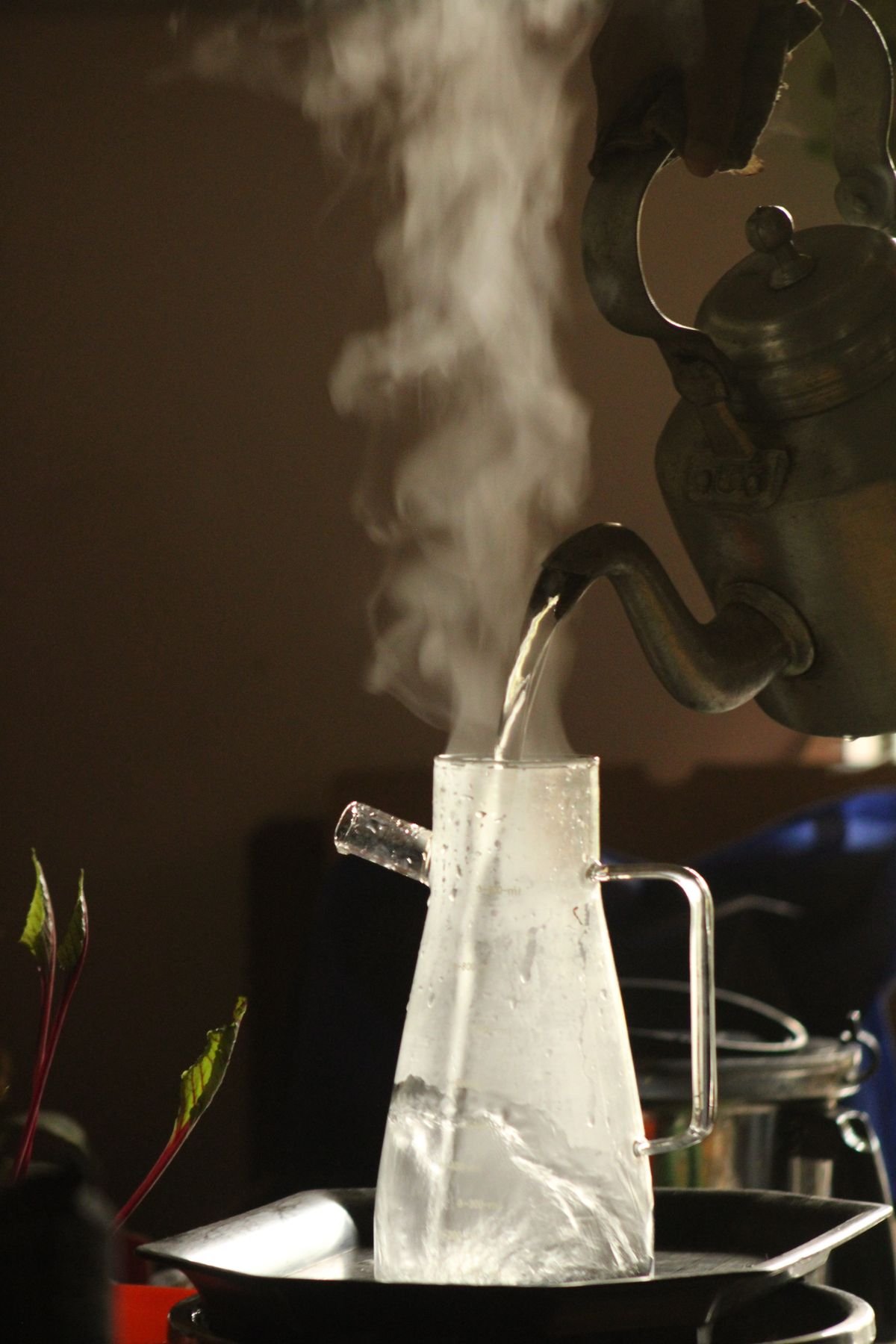
This is the single most effective trick and the one engineers recommend most. Boil the kettle and fill a heatproof bowl or saucepan with hot water. Place it on a folded towel or a trivet inside the empty freezer, then close the door or lid for ten to fifteen minutes. The steam loosens the bond between the ice and the walls far faster than still air.
Open the door, lift away any sheets of ice that have come free, and tip the cooled water down the sink. Refill with fresh hot water and repeat. With thin frost, two rounds is often enough. Never pour boiling water directly onto the ice or the plastic interior, as the sudden heat shock can crack shelves and warp liners. Hot water in a bowl gives you the steam without the shock.
Point a fan at the open freezer
A regular desk or pedestal fan aimed into the open freezer speeds things up noticeably. Moving air carries heat to the ice far more efficiently than still air, especially in a warm kitchen. Keep the fan well back from any meltwater, and never let the cable trail through puddles. This method works brilliantly on chest freezers, where the wide open lid gives the airflow full access to the ice.
Lift away loose ice as it frees itself
As the ice softens, large sections will start to detach on their own. Slide a plastic spatula or wooden spoon gently behind the loosened sheets and lift them into the washing up bowl. Let them melt in the sink rather than inside the freezer. Never force ice that is still firmly stuck, and never attack it with a knife, screwdriver or chisel. One slip can puncture a hidden cooling pipe, and a punctured pipe usually means a dead freezer and an expensive repair bill.
Press warm damp cloths onto stubborn patches
For the last patches clinging to corners and around the seal, wring out a cloth in warm water and press it against the ice for a minute or two. Rinse and repeat. This gentle local heat finishes off areas the steam and fan cannot quite reach, without any risk to the interior surfaces.
Mistakes to avoid when you defrost a freezer
Some popular shortcuts do more harm than good. Keep clear of these common errors and your freezer will thank you.
Do not use a hairdryer. It seems like a clever idea, but mixing an electrical appliance with pools of meltwater is asking for trouble, and concentrated heat can warp plastic parts and damage the thermostat. Do not chip at the ice with sharp tools, as explained above. A single puncture can release the refrigerant gas and write off the appliance.
Do not sprinkle salt on the ice. Salt lowers the melting point, but it can corrode metal parts and leave residues where you store food. Do not pour a kettle of boiling water straight over the interior either. The thermal shock can crack plastic drawers and damage seals. Finally, do not skip the drying step at the end. Any moisture left inside will freeze into a fresh layer of frost within days.
Clean, dry and restart your freezer
Once every trace of ice is gone, take the opportunity to give the interior a proper clean. Wipe the walls, shelves and drawers with warm soapy water, then go over everything again with a cloth dampened with white vinegar and water. The vinegar neutralises odours and tackles any sticky residue left behind. If you enjoy keeping your kitchen appliances fresh, our guide on how to clean a microwave with lemon and vinegar uses the same gentle approach for another hardworking appliance.
Dry every surface thoroughly with clean towels. This step is not optional. Leftover moisture turns straight back into frost, and you will be defrosting again far sooner than you would like. Appliances with lingering smells are a wider problem in many homes, and a neglected freezer can smell just as bad as a washing machine smelling like rotten eggs, so the vinegar wipe is well worth the extra five minutes.
Put the shelves and drawers back, close the door and switch the freezer back on. Let it run empty for thirty to sixty minutes until the temperature drops back to minus 18 degrees Celsius. A cheap fridge thermometer from Argos, Currys or Poundland takes the guesswork out of this. Only then should you restock your food, placing the most perishable items in first.
How to slow down frost in future
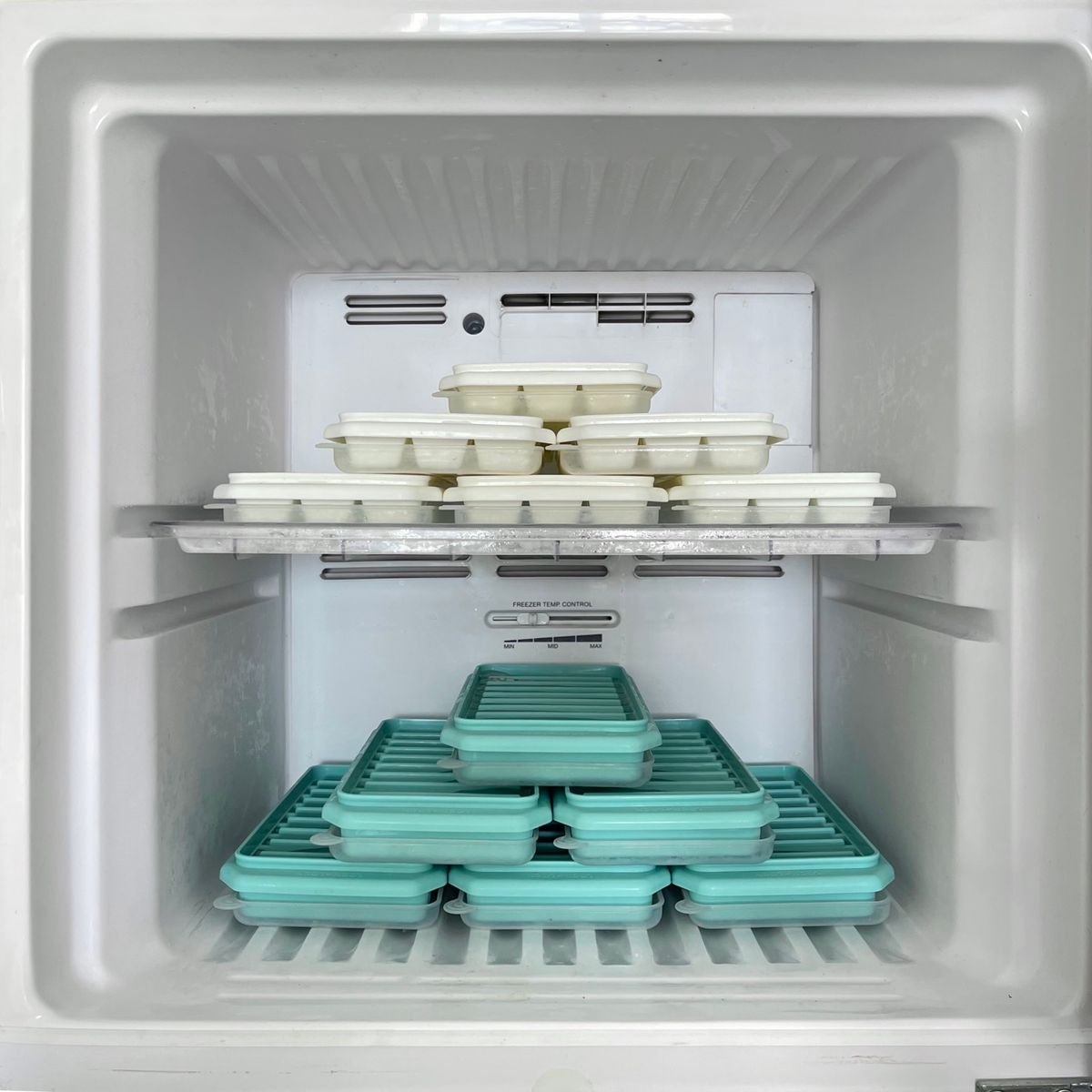
A little maintenance goes a long way towards keeping the next defrost a year away rather than a few months. Check the door seal first, as a worn seal is the most common cause of rapid frost build up. Close the door on a sheet of paper and try to pull it out. If it slides out with no resistance, clean the seal with warm soapy water and check again. If it still slips, the seal may need replacing.
Keep the freezer at minus 18 degrees Celsius and try not to leave the door open while you decide what to have for dinner. Plan what you need before you open it. Leave a little space around packages so cold air can circulate, and let hot food cool fully before it goes anywhere near the freezer. If your freezer lives in a cold garage, check the manual, because some models struggle to regulate properly when the room around them drops near freezing in winter.
Frequently asked questions
Can I defrost a freezer without turning it off?
It is not recommended. An unplugged freezer defrosts much faster because it is not actively refreezing the meltwater, and working with water around a live appliance is unsafe. Always switch off and unplug first.
What is the fastest way to defrost a freezer?
The hot water steam method is the fastest safe option. Bowls of hot water placed inside the switched off freezer, with the door closed for ten to fifteen minute rounds, can clear light frost in under an hour.
Is it safe to use a hairdryer to defrost a freezer?
No. Water and mains electricity do not mix, and the concentrated heat can warp plastic liners and damage internal parts. Stick to steam, a fan and warm cloths.
How often should I defrost my freezer?
Defrost once or twice a year, or whenever the frost reaches about six millimetres thick. Frost free models look after themselves, but an occasional empty and wipe down still helps.
Can I put food straight back in after defrosting?
Wait until the freezer has run empty for thirty to sixty minutes and the temperature is back down to minus 18 degrees Celsius. Food that stayed frozen in cool bags can go straight back in once the freezer is cold.
Final takeaways
Learning how to defrost a freezer quickly comes down to a handful of simple habits: switch off and unplug, protect the floor with towels, keep your food cold in cool bags, and let steam do the heavy lifting. Bowls of hot water, a fan and a little patience will clear even a badly iced freezer in a couple of hours, with no risky shortcuts needed. Finish with a vinegar wipe, dry everything properly, and restock only once the temperature is back to minus 18 degrees. Do that once or twice a year, keep an eye on the door seal, and your freezer will run quieter, hold more food and cost less to run.
