
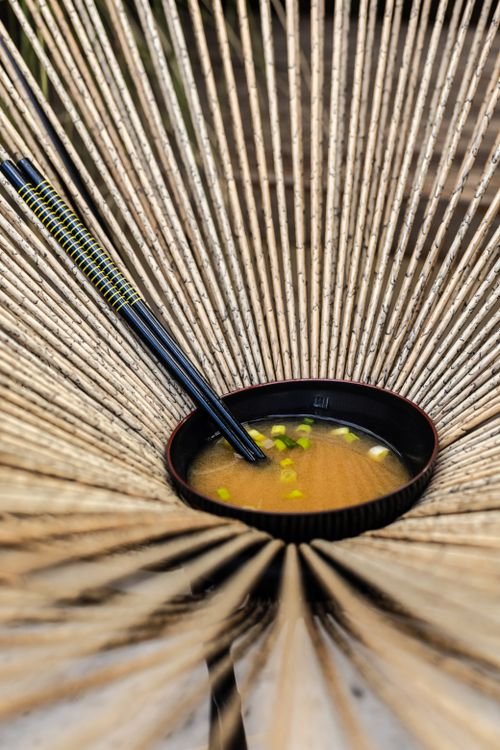
What Sour Miso Soup Is Trying to Tell You
Miso soup should taste clean, savory and gently sweet. A well made bowl carries the quiet depth of fermented soybeans, the light lift of dashi and nothing else. So when your miso soup tastes sour, it is your kitchen sending you a message. Something went wrong between the miso tub and the bowl.
The good news is that the fix is almost always simple. A sour edge does not mean you are a bad cook. It usually means the miso paste got too hot, the tub has been open too long, or the soup sat out past its safe window. In this guide you will find the six most common reasons miso soup turns sour, how to rescue the batch you already made, and the simple habits that keep every future bowl tasting the way it should.
6 Reasons Why Your Miso Soup Tastes Sour
Each of these causes creates a slightly different kind of sourness. Read through the list and you will probably recognize your own bowl in one of them.
1. You Boiled the Miso Paste
This is the number one cause by a wide margin. Miso is a living fermented food. Its flavor lives in delicate enzymes and live cultures that were created during months of fermentation. When you add miso to a rolling boil or let it bubble away for minutes, those compounds break down. The clean savory flavor flattens and a sharp sour or acidic note takes its place.
Always turn the heat off, or keep the pot at the barest simmer below about 60 degrees Celsius, before whisking in the miso. It only takes a minute for the paste to dissolve, and that gentle heat is all it needs.
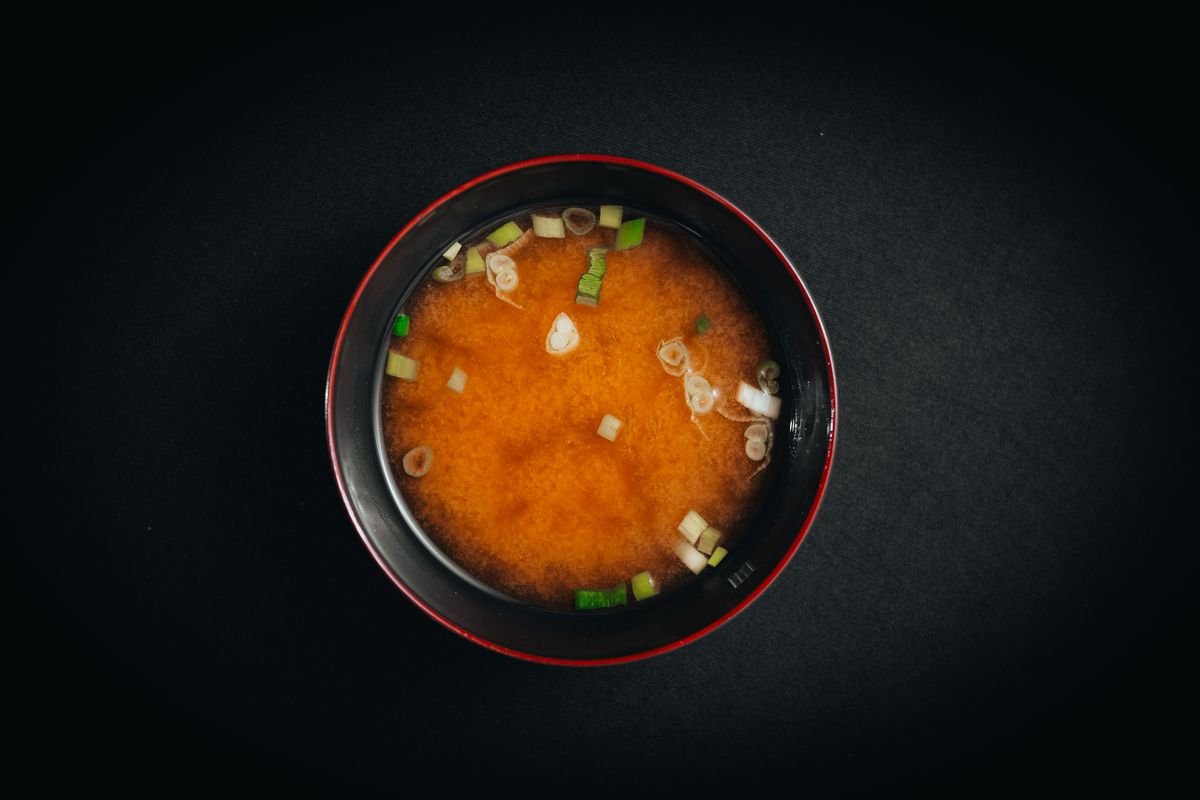
2. Your Miso Paste Is Too Old
Fermentation does not stop when the tub goes into your fridge. It only slows down. Over many months, the natural sugars in the miso keep breaking down and the flavor shifts from sweet and savory toward sour and sharp. A tub that has been open for a year or more will taste noticeably different from a fresh one.
An opened tub of standard miso lasts about six to twelve months in the refrigerator. Low sodium miso and miso blended with dashi spoil faster because they have less salt to protect them. If your paste has darkened a lot, smells vinegary or tastes sour straight from the tub, it is time to replace it. Taste a pea sized amount before cooking and you will know.
3. The Soup Sat Out Too Long
This is the classic summer problem in Japan, where humid kitchens and long dinners are a daily reality. Bacteria multiply fastest between about 10 and 40 degrees Celsius. A pot of soup cooling slowly on the counter passes straight through that range, and a long, lazy cooldown can leave it sour by evening.
Move leftovers into shallow containers and refrigerate within two hours. In a hot kitchen above about 32 degrees, make that one hour. Shallow containers cool much faster than one deep pot, and that speed is what keeps the flavor clean.
4. You Reheated It More Than Once
Every reheat degrades miso a little further. The first gentle warm up is usually fine. The second or third reheating, especially if the soup comes back to a boil, pushes the flavor from savory toward sour and flat. Old miso flavor plus extra heat is a bad combination.
Reheat only the amount you plan to eat, and do it gently over low heat without boiling. If you often make big batches, store the plain dashi broth and the miso paste separately, then combine them fresh in each bowl. It takes less than a minute and the flavor stays perfect.
5. Dirty Utensils or Open Storage
Miso soup spoils faster than most people expect once microbes get a head start. A ladle that went into the pot after touching raw ingredients, a bowl that was not fully clean, or a container left uncovered in the fridge all invite the bacteria that create sour off flavors.
Use clean utensils every time you serve or store the soup, and always keep leftovers covered in an airtight container. Keeping the kitchen tools that touch your food fresh matters here too. If stale smells linger in your kitchen, read our guide on how to clean a microwave with lemon and vinegar for a simple refresh that makes the whole cooking space cleaner.
6. You Used a Low Sodium or Dashi Blended Miso
Regular miso contains around ten to twelve percent salt, and that salt is a natural preservative. Low sodium miso drops that protection, and miso pre blended with dashi adds ingredients like bonito or kombu extract that shorten the shelf life further. These varieties go sour faster in the tub and in the soup pot.
They are fine to use, but treat them as perishable. Keep the tub sealed in the fridge, use it up within a few months of opening, and add this type of miso only at serving time rather than cooking it into a batch you plan to store.
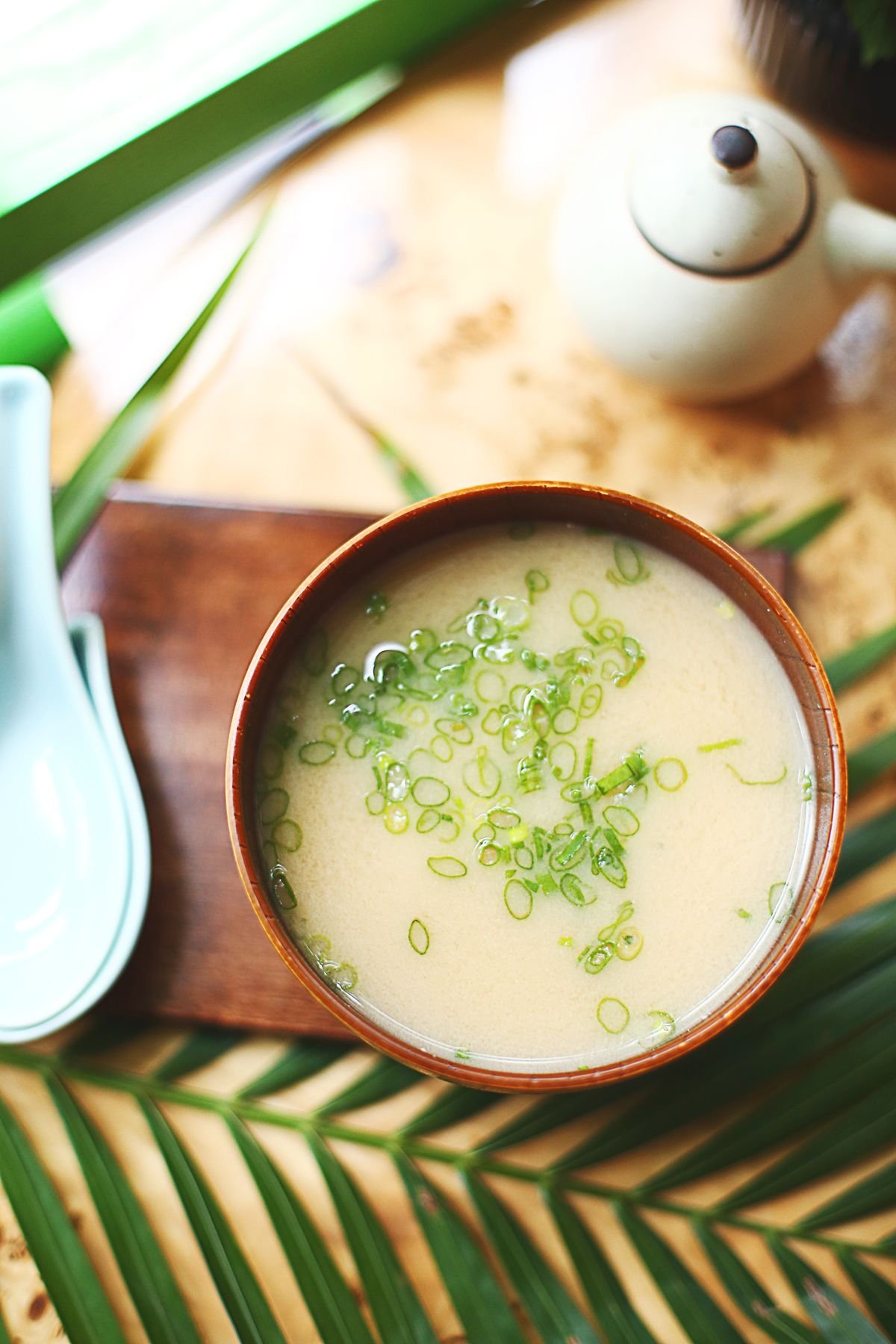
Can You Fix Sour Miso Soup
Sometimes. If the sourness is mild and the soup is otherwise fresh, you can balance it. If the soup smells rotten, has mold, or tastes sharply spoiled, do not try to rescue it. Throw it out. No fix is worth a bad stomach.
For a mildly sour batch, try these steps in order. First, dilute the soup with a little hot dashi or water to soften the sour edge. Second, whisk one fresh tablespoon of good miso into a ladle of warm broth off the heat, then stir it back in. Fresh miso added at the end can round out the flavor. Third, balance with a small pinch of sugar or a teaspoon of mirin, which adds gentle sweetness without making the soup taste like dessert.
One more rescue tip: a squeeze of fresh lemon or a dash of rice vinegar is sometimes suggested online, but that usually makes sour soup worse. You want to mask and dilute, not add more acid. Prevention is always easier than repair, and the method below makes sour soup rare.
How to Store Miso Soup So It Never Turns Sour
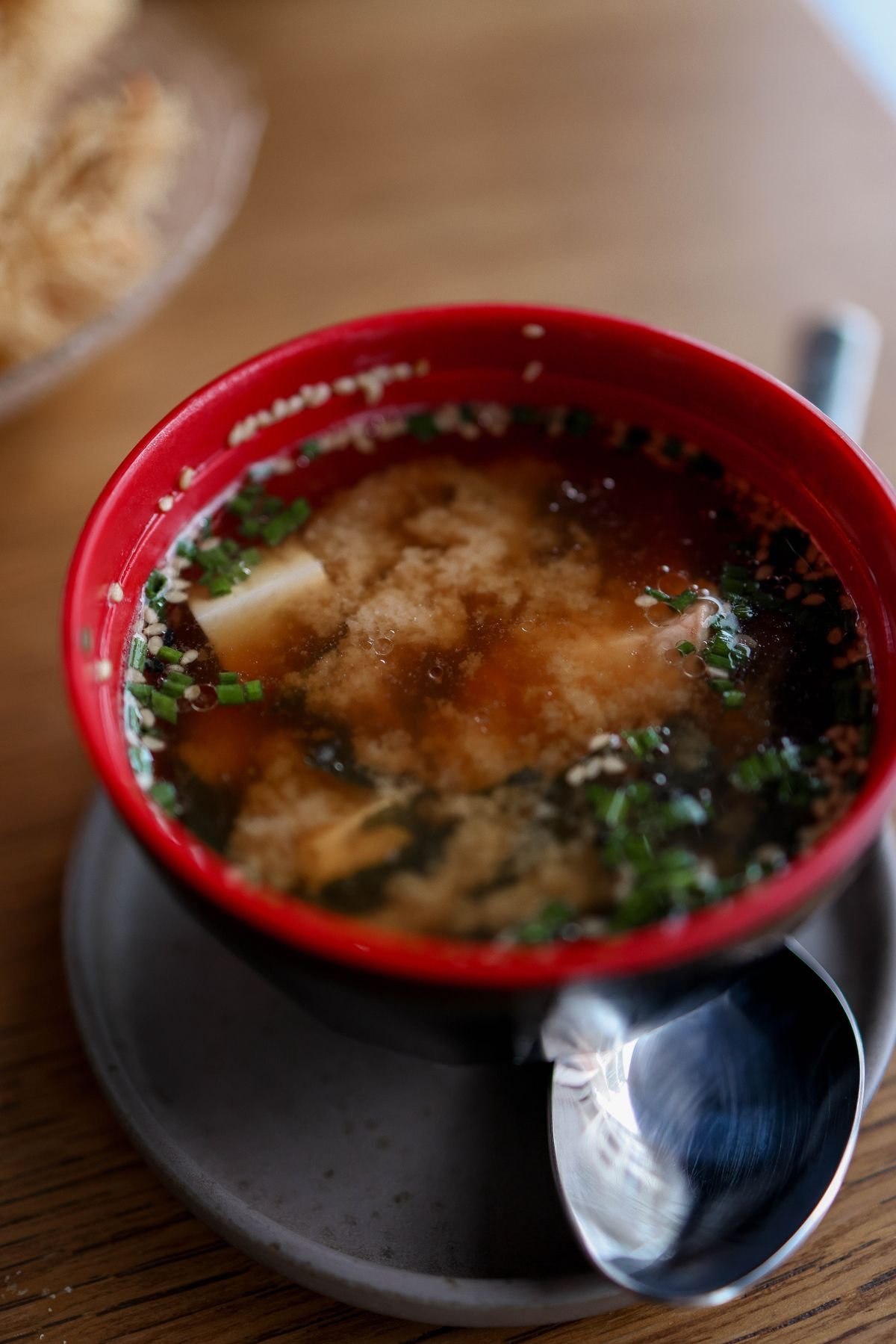
Most sour soup is a storage problem, not a cooking problem. Follow these rules and leftovers stay sweet and clean.
- Refrigerate within two hours of cooking, and within one hour on hot days.
- Store at four degrees Celsius or below in an airtight container.
- Keep soup that already contains miso for up to three days.
- Store plain dashi broth without miso for up to four days, and whisk in the miso fresh at serving time.
- Freeze only the plain broth. Tofu and vegetables turn rubbery or mushy in the freezer.
- Never leave the pot on a warm stove for the evening. Warm is not safe.
A lingering sour smell in the kitchen can also come from other appliances, not just the soup pot. If your kitchen never quite smells fresh, see how to get rid of smell in rice cooker for a deep clean method that works on stubborn odors.
A Simple Method That Prevents Sour Soup Every Time
Use this order of operations and sour miso soup becomes almost impossible.
- Make your dashi first. Simmer kombu in water for about twenty minutes, add bonito flakes if you like, and strain.
- Add your tofu, wakame and vegetables. Simmer gently until everything is just cooked.
- Take the pot off the heat, or turn it down to the lowest setting.
- Ladle some warm broth into a small bowl, add the miso paste and whisk until completely smooth.
- Stir the smooth miso slurry back into the pot and mix well.
- Serve right away. Do not return the pot to a boil.
This method takes no extra time and protects the miso completely. In Japan, many home cooks use a variation of this: they keep the miso paste in a small covered bowl and add a spoonful to each individual bowl of hot broth at the table. Nothing beats soup that was seasoned seconds ago.
Conclusion: Fresh Miso, Gentle Heat, Quick Cooling
If your miso soup tastes sour, the cause is almost always one of three things: the miso was boiled, the paste was too old, or the soup cooled too slowly. All three are easy to fix once you know what to look for. Keep the heat gentle, buy fresh miso and taste it before cooking, and get leftovers into the fridge quickly.
Do those three things and every bowl will taste clean, savory and comforting, exactly the way miso soup is meant to be. Your future self, reheating a perfect bowl on a cold evening, will thank you.
Frequently Asked Questions
Can you fix miso soup if it turns sour?
Mild sourness can be softened by diluting with hot dashi, whisking in fresh miso off the heat, and adding a pinch of sugar or mirin. If the soup smells rotten or shows mold, discard it.
Is it okay to reheat miso soup?
Yes, but reheat gently over low heat and never let it boil. Reheat only what you will eat, and avoid reheating the same batch more than once.
How long can miso soup be stored in the fridge?
Soup that already contains miso keeps up to three days at four degrees Celsius or below. Plain dashi without miso keeps up to four days. Add the miso fresh at serving time for the best flavor.
Why does my miso soup taste sour but smell fine?
This usually means the miso paste was overheated or is over fermented, rather than the soup being spoiled. The sourness comes from broken down flavor compounds, not from rot. Fresh miso added off the heat fixes most cases.
Does the type of miso change how quickly soup turns sour?
Yes. White shiro miso is mild and forgiving, while aged red aka miso has deeper flavor and turns sour more noticeably when old. Low sodium and dashi blended miso spoil the fastest, so store them cold and use them up quickly.
