
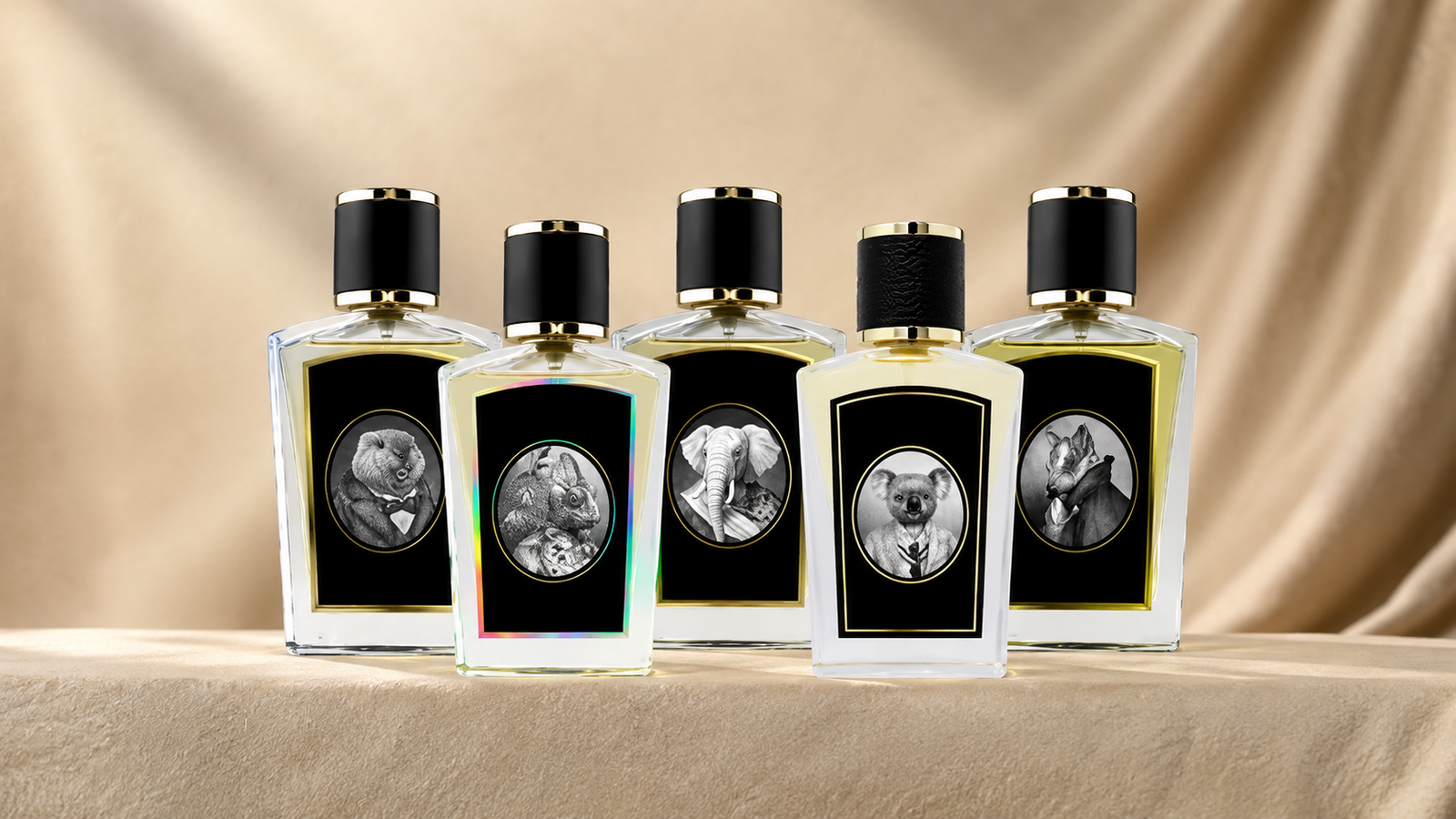
Browse any niche fragrance forum long enough, and you will spot a bottle named after a bat, a civet, or a rhinoceros. That is Zoologist Perfumes, and once you notice the brand, it is hard to unsee it.
This company does not chase trends with generic florals or safe office scents. Zoologist Perfumes builds its entire identity around the animal kingdom, turning creatures most people would never associate with a fragrance counter into genuinely wearable, thoughtfully composed scents.
This guide covers everything worth knowing about the brand. You will learn who is behind it, how the perfumes come together, what sets the house apart from other niche labels, and how to pick a bottle that actually suits you. Whether you collect niche fragrance already or just discovered this quirky Canadian house, you will leave with a clear picture of what Zoologist perfumes are all about.
What Is Zoologist Perfumes
Zoologist Perfumes is a niche fragrance house based in Toronto, Canada. Every release carries the name of an animal, insect, bird, or sea creature, and each scent aims to capture something about that creature’s character, habitat, or behavior rather than simply borrowing an animal name for a generic composition.
The brand sits firmly in the niche and indie perfume space. Retailers sell it in smaller batches through specialty shops rather than mass market department stores, and that positioning has earned Zoologist a loyal following among collectors who want fragrances built around a real concept.
Most releases come as extrait de parfum, a higher concentration than typical eau de parfum or eau de toilette. Wearers get a richer, longer lasting scent that echoes how perfumers built fragrance before mass production pushed concentrations down.
The Story Behind the Brand
Victor Wong founded Zoologist Perfumes in 2013. His fascination with both niche fragrance and the natural world eventually turned into a business, and he has described his interest in animals as boundless, covering everything from their habitats and behaviors to the surprising parallels between animal instincts and human ones.
Wong does not work as a trained perfumer himself. Instead, he takes on the role of creative director, developing the concept and story for each scent before partnering with independent perfumers around the world to bring that vision to life.
This collaborative model explains much of the collection’s variety. Each perfumer brings a different technical approach and signature style, and over the past decade the brand has grown from a small passion project into an award winning name recognized well beyond Canada. Features in outlets like the Wall Street Journal have followed, along with a steadily expanding lineup that now spans dozens of animals.
What Makes Zoologist Different From Other Niche Houses
Niche perfumery offers plenty of interesting concepts, but a few specific choices set Zoologist apart.
A concept driven collection. Every fragrance ties to a specific animal instead of an abstract idea or place, complete with artwork and storytelling that reflects its personality. The civet gets a dark, sultry composition. The panda leans soft and green. The bee turns out warm, golden, and a little unexpected.
A consistent visual identity. Custom illustrated artwork of the namesake animal appears on each bottle, giving the whole line a distinctive, almost collectible quality on a shelf.
A rotating roster of perfumers. Wong collaborates with different noses for different releases, so the collection avoids feeling repetitive. Fans experience the technical fingerprint of well known names like Ellen Covey, Antoine Lie, and Sarah McCartney, all working within the same overarching brand concept.
A willingness to go unusual. Many niche brands still play it relatively safe, but Zoologist has released scents built around notes like coffee tinged civet, smoky castoreum, and even a skunk inspired accord. That boldness has made the brand something of a talking point in fragrance circles.
How Zoologist Perfumes Are Made
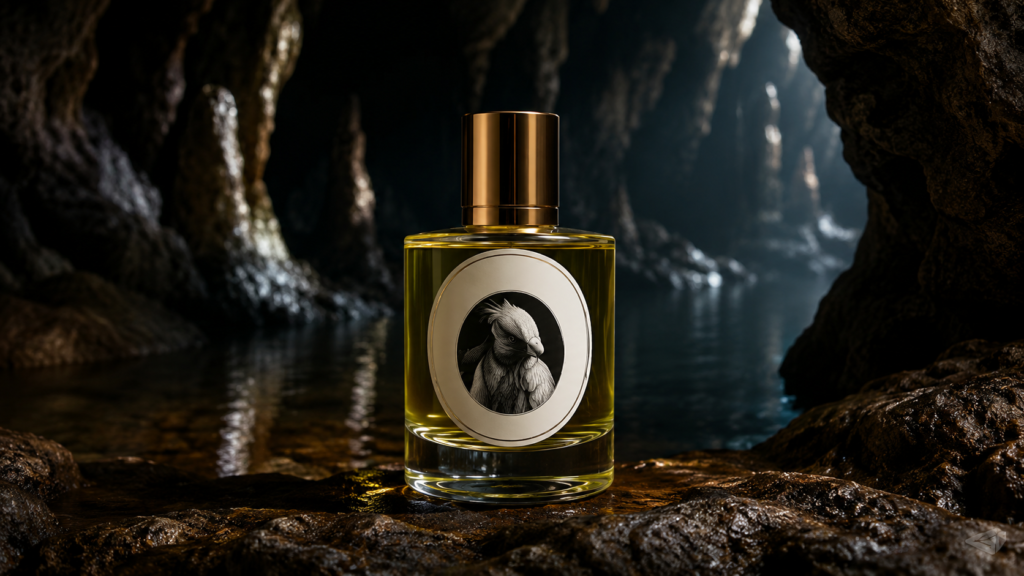
Each Zoologist release typically starts with a concept rather than a note list. Victor Wong researches the animal in question, its habitat, and the emotional or sensory associations he wants the scent to evoke. He then briefs a perfumer on that vision.
From there, the process follows a fairly traditional path for niche perfumery. The perfumer develops a formula using a mix of natural extracts and modern synthetic materials, then refines it through multiple iterations until it matches the intended concept.
Because the brand works with different perfumers, the results vary. Some finished scents lean natural and earthy, while others take a cleaner, more modern synthetic approach.
Most finished perfumes reach the market as extrait de parfum. A higher percentage of fragrance oil relative to the alcohol base gives the scent more staying power and a bit more depth than a lighter eau de toilette.
The Perfumers Behind the Scents
One of the most overlooked aspects of Zoologist Perfumes involves just how many respected independent perfumers have contributed to the line over the years. Knowing this helps explain why certain bottles smell so different from one another despite sharing the same brand.
A few notable names, and the kind of work they brought to the collection, include the following:
- Ellen Covey, known for rich, natural leaning compositions and credited with several early releases in the lineup.
- Antoine Lie, a well established perfumer with a reputation for bold, unconventional accords.
- Sarah McCartney, recognized for imaginative, story driven perfumery through her own indie label.
- Sultan Pasha, an attar specialist whose natural material work appears in some of the brand’s more luxurious editions.
- Shelley Waddington, whose background in botanical perfumery brings a distinctive green, herbal quality to certain releases.
Exploring the Zoologist catalog feels a bit like sampling a curated group show rather than a single artist’s body of work. Many fans of niche perfumery enjoy tracking which perfumer worked on which animal, since it adds another layer to the collecting experience.
Understanding the Zoologist Catalog
The Zoologist lineup has grown substantially since 2013 and now includes dozens of scents spanning mammals, birds, reptiles, insects, and marine life. A few categories help make sense of the collection as you explore it.
Core releases make up the flagship scents, generally available in full bottles, travel sprays, and samples. Civet, Bee, Panda, Tiger, and Rabbit all fall into this group.
Limited or seasonal editions rework certain animals with new notes while keeping the original concept intact. Beaver Maple Edition and Macaque Yuzu Edition offer good examples.
Deluxe bottles and attars appeal to collectors who want a more luxurious or concentrated experience. Zoologist offers premium bottle presentations and attar formats for select scents in this category.
Discovery and sample sets give newcomers a practical entry point. Given how large the catalog has become, sampling a range of scents before committing to a full bottle makes a lot of sense.
How to Choose Your First Zoologist Scent
Most guides to the brand fall short here. With dozens of animals to choose from, thinking in terms of scent family, rather than picking based on which creature sounds most interesting, works far better.
If warm, animalic, and slightly daring scents appeal to you, start with Civet. It leans into spicy florals, dark coffee, and a leathery, musky base that channels old school chypre perfumery in a modern way.
If you prefer soft, comforting, and slightly sweet compositions, try Panda or Beaver Maple Edition. Both appeal to people who enjoy gourmand touches paired with woods and vanilla.
If fresh and a little unexpected sounds appealing, consider Bee. It offers a warm honeyed quality without tipping into overly sweet territory, which makes it a good middle ground for newcomers.
If bold, statement making fragrances draw you in, look at Tiger or King Cobra. Both lean into spicier, more assertive compositions built for people who like their perfume to announce itself.
If delicate and skin close fits your taste better, Hummingbird or Nightingale tend to sit lighter, with more emphasis on florals and airy top notes.
Full bottles represent a real investment, so starting with a sample set or a few individual samples makes the most sense before committing to a deluxe bottle.
Are Zoologist Perfumes Ethical and Cruelty Free
Given that the brand names its scents after animals, this question comes up often, and understandably so. The good news is simple: Zoologist perfumes do not contain animal derived ingredients.
Traditional musks once came from civets, deer, or whales, and perfumers have long debated the ethics and conservation concerns tied to those sources. Zoologist has stated clearly that it replaces these ingredients with synthetic alternatives, recreating the character of animalic materials like musk or civet without using anything taken from an animal.
This approach lets the house celebrate the animal kingdom conceptually while staying aligned with modern, more responsible sourcing practices.
Where to Buy Zoologist Perfumes
You can buy Zoologist perfumes directly through the brand’s own website, and a network of niche fragrance retailers also carries the line. Popular options include established niche perfume shops that stock a wide range of indie and artisan brands alongside Zoologist, which makes comparison shopping easy.
Buying directly from the official Zoologist site guarantees authenticity and often unlocks access to the newest releases and limited editions first. Third party retailers suit shoppers who want to sample multiple niche brands in one order or take advantage of local shipping and lower minimums for samples.
How to Spot Authentic Zoologist Perfumes
Counterfeit bottles have become enough of an issue that the brand itself has published guidance on the topic, as happens with many popular niche brands. A few precautions help protect against fakes.
- Buy from the official Zoologist website or a retailer you can verify as an authorized stockist.
- Compare packaging closely. Counterfeit versions often show slightly off illustration quality, incorrect fonts, or mismatched box dimensions.
- Stay cautious with unusually low prices on marketplaces or resale sites, since steep discounts often signal a problem.
- Check batch codes and bottle details against what the official site shows whenever you feel unsure.
Sticking with recognized retailers remains the simplest way to avoid the issue altogether.
Zoologist Perfumes vs Other Animal Themed Fragrance Houses
Zoologist is not the only brand exploring animalic or nature inspired themes, but its approach stands apart. Etat Libre d’Orange leans into provocative, human centered concepts, while Zoologist keeps its storytelling firmly rooted in the natural world.
Mainstream animalic fragrances often lean on a single musky or leathery note for shock value. Zoologist tends to build fuller, more structured compositions around each animal instead, treating the concept as a starting point for a complete olfactory story rather than a gimmick.
This combination of conceptual depth, illustrated packaging, and a rotating group of skilled perfumers has allowed Zoologist to carve out a recognizable identity in a crowded niche market.
Tips for Wearing and Storing Niche Perfume
Since most Zoologist releases come as extrait de parfum, a little goes a long way. One or two sprays on pulse points usually deliver several hours of wear, and layering too heavily can overwhelm both the wearer and everyone nearby.
Keep bottles away from direct sunlight and temperature swings, ideally in their original box, since heat and light gradually degrade fragrance oils over time. For samples, a cool drawer works better than a bathroom cabinet, since bathrooms tend to see more humidity and temperature changes.
Conclusion
Zoologist Perfumes has built something genuinely distinctive in the niche fragrance world. Every bottle tells a story rooted in the animal kingdom, backed by real perfumery talent and a consistent creative vision from founder Victor Wong.
Some buyers will gravitate toward the dark, animalic pull of Civet. Others will prefer the comforting warmth of Panda or the bold presence of Tiger. Either way, the catalog offers enough variety to suit a wide range of preferences. For newcomers, the takeaway stays simple: start with samples, think about the scent family you gravitate toward rather than just the animal name, and buy from trusted retailers to avoid counterfeit issues.
With its ethical, cruelty free approach and a genuinely original concept behind every release, Zoologist Perfumes offers something rare in the fragrance world: a brand that feels playful and seriously crafted at the same time.
Frequently Asked Questions
What is Zoologist Perfumes known for?
Zoologist Perfumes names its fragrances after animals and builds each scent around that creature’s character or habitat, paired with distinctive illustrated bottle artwork.
Do Zoologist perfumes contain real animal musk?
No. Zoologist uses synthetic alternatives to replicate animalic notes like musk and civet, so the finished fragrances contain no animal derived ingredients.
Which Zoologist perfume works best for beginners?
Bee or Panda often make good starting points, since they offer approachable warmth without the boldness of more animalic scents like Civet or King Cobra.
Where does Zoologist Perfumes make its scents?
The brand operates out of Toronto, Canada, though individual scents come together through collaboration with independent perfumers located around the world.
How can I tell if a Zoologist perfume is authentic?
Buy directly from the official Zoologist website or a verified authorized retailer, and check packaging details closely, since counterfeit bottles often show subtle differences in printing quality and box dimensions.
