
Your shoulders round forward. Your chin creeps toward your screen. By the end of the workday, your upper back feels like it is carrying a backpack full of bricks. If that sounds familiar, you have probably already typed “best posture correctors” into a search bar, hoping there is a simple fix.
There is good news and there is a catch. Posture correctors can genuinely help, but only if you understand what they are actually built to do. This guide walks through that honestly, the way a physical therapist would explain it in a clinic visit rather than the way a product page usually spins it.
By the time you finish reading, you will know which type of corrector fits your specific posture problem, how to size and wear one properly, and how to avoid the mistakes that leave so many people disappointed after their first week.
Why Posture Correctors Have Become So Popular
Desk jobs, phone scrolling, and long commutes have quietly reshaped how people sit and stand. Forward head posture and rounded shoulders, sometimes nicknamed tech neck, have become common complaints in physical therapy clinics.
That trend explains why searches for the best posture correctors keep climbing every year. People want a tool that interrupts the slouch before it becomes a permanent habit, and a wearable device feels like an accessible first step compared to months of physical therapy.
The demand is fair. Where things go wrong is in how these devices get marketed, often as a total fix rather than one part of a bigger picture.
How a Posture Corrector Actually Works on Your Body
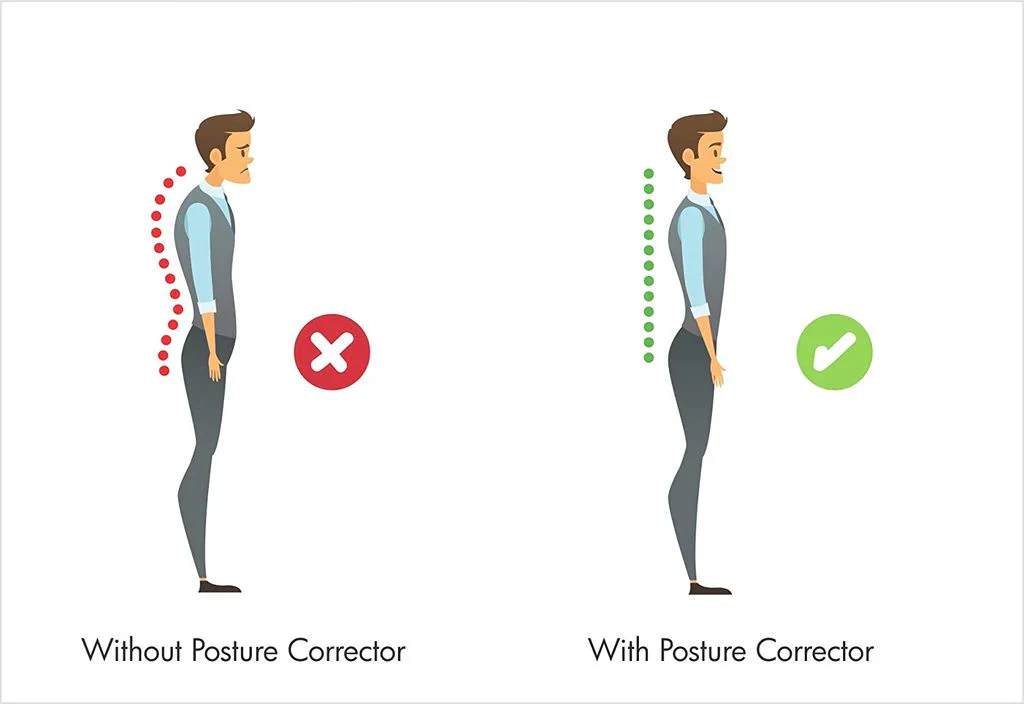
Most posture correctors rely on one of two mechanisms: physical support or sensory feedback.
Physical support devices, like classic back braces, hold your shoulders in a more upright position by applying gentle tension across your upper back. Your body simply cannot slouch as far while wearing one.
Sensory feedback devices work differently. A small sensor detects when your spine curves forward and delivers a vibration or alert, prompting you to correct your own position. Over time, this builds what therapists call postural awareness, essentially retraining your brain to notice slouching before it becomes extreme.
Neither approach strengthens muscle on its own. That distinction matters because it shapes how you should use the product and what results you can realistically expect.
Types of Posture Correctors and Who Each One Suits
Figure Eight Back Braces
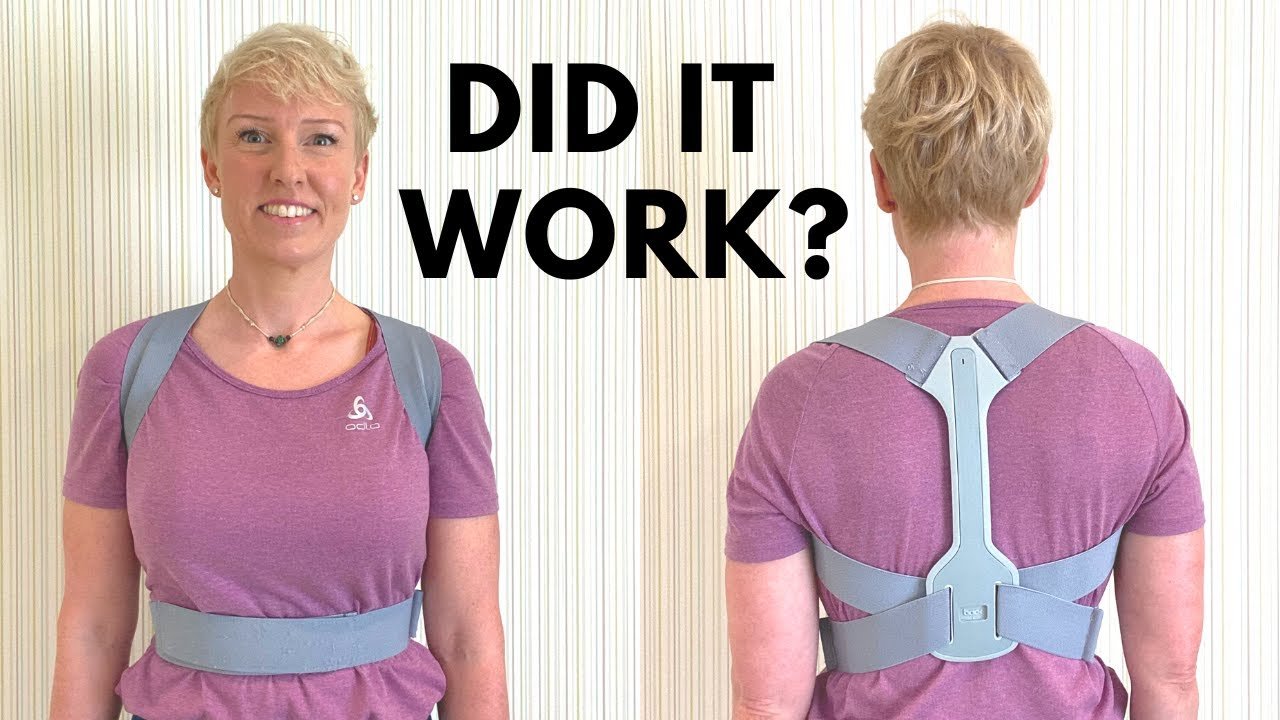
The most recognizable style, with straps crossing your upper back in a figure eight shape. These pull your shoulder blades together and work well for people whose main issue is rounded shoulders from sitting at a desk.
They tend to be affordable and widely available, which makes them a common entry point for first time buyers.
Smart Posture Trainers
Small electronic wearables, often clipped to the upper back or worn like a pendant, that vibrate when you slouch. These suit people who want to build lasting postural habits rather than depend on a physical brace every day.
Many connect to a companion app that logs your posture trends over time, which can be a useful motivator if you like tracking progress.
Posture Correcting Bras and Compression Tops
Built primarily for women, these blend everyday support garments with built in tension panels along the back. They stay hidden under regular clothing, making them a popular choice for anyone who wants support without the look of a medical brace.
Lumbar Support Wraps and Cushions
Rather than targeting the shoulders, these focus on the lower spine and are typically used while sitting. They suit people whose posture problems come from slouched sitting rather than from rounded shoulders.
Choosing the Right Fit and Features
Picking among the best posture correctors comes down to matching the device to your body and your daily schedule, not just picking the highest rated product online.
- Sizing accuracy. Measure your chest and shoulder width rather than guessing based on your regular clothing size.
- Material and breathability. Neoprene and similar materials trap heat, so mesh panels matter if you plan extended wear.
- Adjustable straps. Look for multiple adjustment points so you can fine tune tension as your posture improves.
- Comfort under clothing. If you plan to wear it during work hours, check that it sits flat enough to stay discreet.
- Ease of putting on alone. Some designs require help to fasten, which can be frustrating for daily solo use.
If you have a diagnosed spinal condition, a recent back injury, or chronic pain that has not been evaluated, speak with a doctor or physical therapist before adding a brace to your routine. A posture corrector is a training aid, not a medical treatment for structural spine issues.
The Best Posture Correctors for Different Lifestyles
For Remote and Office Workers
A lightweight figure eight brace with breathable padding works well for long stretches at a desk. Choose one thin enough to wear under a shirt without drawing attention during video calls.
For Building a Long Term Habit
A smart posture trainer suits anyone whose goal is retraining muscle memory rather than relying on physical restraint. The immediate vibration feedback tends to create quicker awareness than a passive brace.
For Women Wanting a Discreet Option
A posture correcting bra or compression top offers daily support that blends into an existing wardrobe, including during workouts or errands.
For People Who Sit for Long Periods
A lumbar cushion or wrap addresses slouched sitting directly, which a shoulder focused brace will not fully solve on its own.
For First Time Buyers on a Budget
A basic neoprene figure eight brace is an affordable way to test whether a posture corrector fits into your routine before investing in a smart device.
A Realistic Wearing Schedule
Jumping straight into all day wear is one of the fastest ways to end up sore, frustrated, and ready to give up. A better approach looks like this.
- Begin with 15 to 20 minutes on day one, ideally during a task where slouching is common, such as answering emails.
- Add another 10 to 15 minutes every two or three days as your body adapts.
- Cap continuous wear at one to two hours, even once you are used to the device.
- Remove it immediately if you notice numbness, tingling, or sharp pain rather than pushing through discomfort.
- Use it strategically during your worst posture windows rather than from morning to night.
This gradual approach lets your muscles adjust to the new alignment instead of becoming dependent on external support from the very first day.
Pairing a Corrector With Real Postural Strength Work
Here is the piece most articles about the best posture correctors leave out entirely. A brace can remind your body what good alignment feels like, but it cannot build the muscular endurance needed to hold that position on its own.
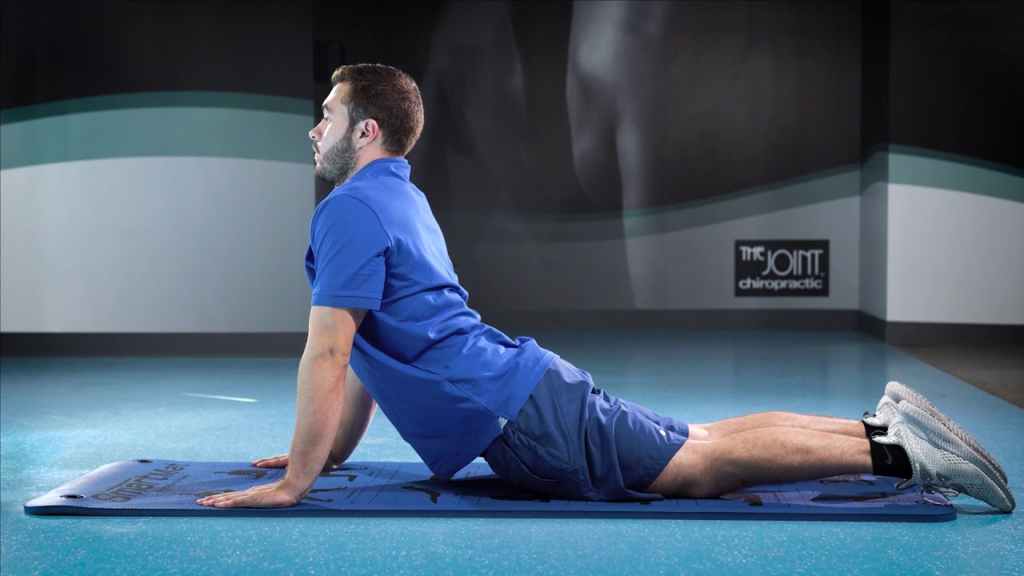
Physical therapists generally recommend combining a corrector with two or three short strength sessions each week, focused on the upper back, core, and hip muscles. Simple moves like rows, wall angels, chin tucks, and planks target exactly the muscles that keep your spine upright without external help.
Think of the device as scaffolding while you build the structure underneath. Once your muscles catch up, you will likely need the brace far less often, which is really the goal rather than a lifelong dependency on a piece of fabric and elastic.
Signs a Posture Corrector Is Not Working for You
Not every device suits every body, and it helps to recognize the warning signs early rather than pushing through discomfort for weeks.
- Persistent redness, chafing, or skin irritation that does not improve with adjustment.
- Numbness or tingling in your arms or hands during wear.
- No improvement in posture awareness after several weeks of consistent use.
- Increased pain rather than reduced tension after wearing sessions.
- A design that constantly slips or requires frequent readjustment throughout the day.
If any of these show up consistently, it is worth trying a different style or consulting a physical therapist rather than assuming posture correctors simply do not work for you.
Conclusion
The best posture correctors are not the ones with the flashiest marketing or the most five star reviews. They are the ones matched to your specific posture problem, sized correctly, and used as part of a broader plan rather than a standalone fix.
Figure eight braces suit rounded shoulders from desk work, smart trainers suit long term habit building, compression tops suit anyone wanting a discreet daily option, and lumbar supports address sitting posture directly. Whichever you choose, start slowly, listen to your body, and pair the device with simple strengthening exercises.
Do that consistently, and a posture corrector becomes exactly what it should be: a helpful nudge toward standing taller, not a permanent crutch you can never take off.
Frequently Asked Questions
Do posture correctors really work?
They can meaningfully improve alignment and reduce discomfort while worn, especially for people with desk related slouching. Lasting change also depends on strengthening the muscles that support good posture naturally.
How long should I wear a posture corrector each day?
Start with 15 to 20 minutes and build up gradually, with a practical ceiling of one to two hours of continuous wear rather than wearing it all day.
Can a posture corrector make my muscles weaker?
Overreliance can lead to some muscle deconditioning since the device takes over part of the postural work. Limiting wear time and adding strength exercises helps prevent this.
Is it safe to use a posture corrector with scoliosis?
Speak with a physical therapist or spine specialist first. Structural spinal conditions need individualized guidance rather than a generic wearable.
What is the main difference between a brace and a smart posture trainer?
A brace physically restrains your shoulders into alignment, while a smart trainer uses vibration alerts to prompt you to correct your own posture, building awareness rather than providing direct support.
