

Opening the curtains to find dripping windows and soaked sills is a miserable way to start a winter morning. If you want to learn how to stop condensation on windows overnight in the UK, the answer is a simple nightly routine of ventilation, steady background heat and better control of indoor moisture. This guide walks you through seven practical tips that work in real British homes, from trickle vents to laundry habits, so you can wake up to dry glass all winter.
Why Your Windows Are Wet Every Morning
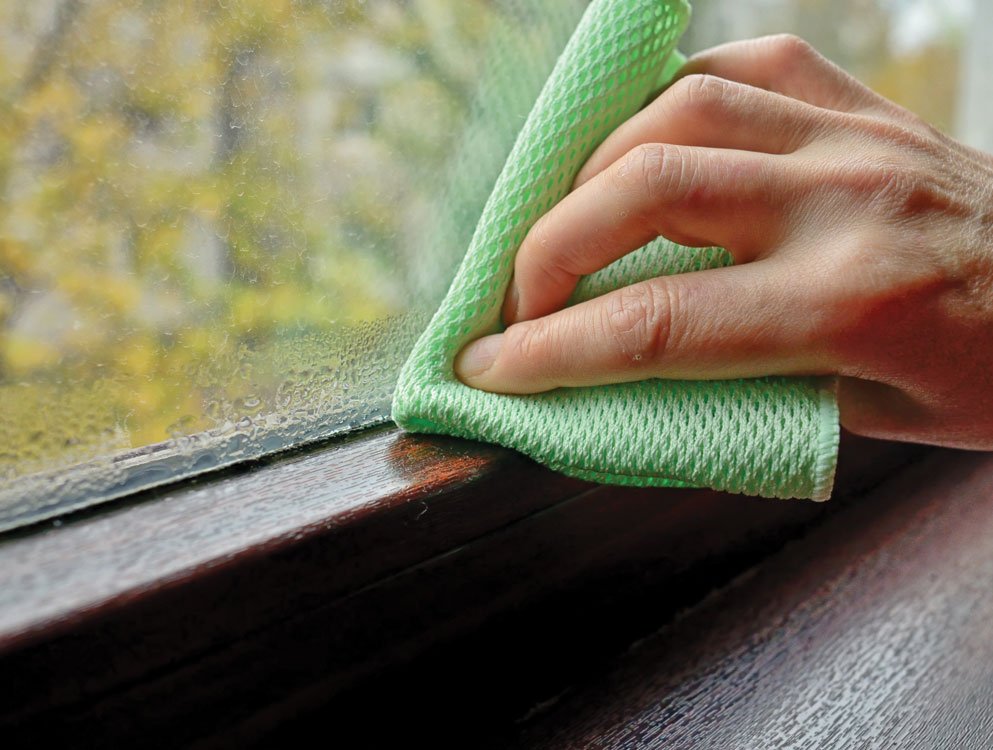
Condensation forms when warm moist air touches a cold surface. Overnight, the temperature outside drops and your window glass cools down. The air inside your bedroom stays comparatively warm, and as you sleep you breathe out a surprising amount of water vapour into the room. When that humid air meets the chilled glass, the vapour cools past its dew point and turns back into liquid water.
This is why a bedroom window can be soaking wet at 7am yet look perfectly clear by lunchtime. It does not automatically mean your windows are faulty or your house is badly built. It usually means the balance between moisture, heat and airflow in that room has tipped the wrong way while you slept.
Where the Moisture Comes From
A sleeping adult can release around half a litre of moisture into the air overnight through breathing and perspiration. Two people in a closed bedroom can put close to a litre of water into the air by morning. Add laundry drying on a radiator, a shower taken before bed without the extractor running, and cooking steam drifting upstairs, and there is a lot of vapour with nowhere to go.
The colder the glass, the more moisture condenses. Single glazed windows suffer worst, but even modern double glazed units get wet when the room is humid and the night is freezing. The moisture has to land somewhere, and glass is usually the coldest surface in the room.
Why Bedrooms Get It Worst
Bedrooms are a perfect storm for overnight condensation. Doors are closed for privacy, curtains trap a pocket of cool air against the glass, and two warm bodies pump moisture into a sealed box for eight hours. Many people also turn the heating down or off in the bedroom at night, which lets the glass get even colder while the air stays laden with vapour.
If condensation keeps appearing in the same room morning after morning, look at that room first rather than blaming the whole house. A few small changes to your evening and morning routine can make a dramatic difference.
Tip 1: Ventilate Every Morning for 5 to 10 Minutes
The single most effective habit is also the cheapest. Every morning, open the bedroom window wide for 5 to 10 minutes, even in deep winter. This blast of fresh air carries the moisture built up overnight straight outside and replaces it with colder, drier air that warms up quickly once you close the window.
Do this while you are getting ready so the room does not stay open while you are out. Crack open the bedroom door at the same time to create a cross draught that clears the whole room, not just the corner by the window. You will lose a little heat, but a dry room costs far less to heat than a damp one, because damp air and damp surfaces take much more energy to warm.
If mornings are a rush, at least open the window while you brush your teeth and make the bed. A short blast beats no ventilation at all. Pair this with wiping the glass and sills dry (see Tip 7) and you have a morning routine that prevents mould and protects your frames.
Tip 2: Keep Trickle Vents Open All Night
Trickle vents are the slim slots at the top of most modern window frames, and they are there for exactly this problem. They provide a constant low level background airflow that lets moist air escape and fresh air enter while you sleep, without leaving a window hanging open.
Many people tape over their trickle vents in winter to stop draughts. This is understandable, but it traps moisture and practically guarantees wet windows by morning. Leave them open all year round, and give them a quick clean now and then so dust does not block the airflow. A blocked vent is as useless as a closed one.
If your windows do not have trickle vents, check whether they have a night latch setting. Many modern windows can be locked into a slightly open position that allows gentle air circulation while keeping the home secure. This is an excellent compromise on nights when the air feels still and heavy, though it is less suitable on the coldest nights in ground floor rooms.
Tip 3: Hold a Steady Background Temperature
Warm air holds more moisture than cold air, and warm surfaces do not attract condensation. Letting the bedroom go stone cold overnight means the glass gets icy and every drop of moisture in the room lands on it. You do not need tropical heat, just a steady background warmth.
Aim to keep the bedroom at around 18 degrees through the night. Many modern boilers and smart thermostats let you set a lower night time temperature rather than switching the heating off completely, which avoids the deep cold soak that makes morning condensation so severe. If your heating is on a timer, set it to tick over gently rather than roaring on at 6am into a freezing, damp room.

Thermostatic radiator valves are your friend here. Turn the bedroom radiator down to a low setting, not fully off. This keeps the room ticking over while you sleep and stops the glass from getting colder than it needs to be. Also, pull curtains and blinds a few centimetres away from the glass so warm room air can reach the window surface instead of being trapped in a cold pocket behind the fabric.
Heavy thermal curtains and blinds help too, because they slow heat loss through the glass. Just remember to leave that small gap at the edges. A curtain pressed flat against a cold window creates the very cold air pocket that breeds condensation.
Tip 4: Stop Drying Laundry on Bedroom Radiators
A single load of washing can release around two litres of water into your home as it dries. Hang that load on a radiator in the bedroom and you are pumping moisture into exactly the room that suffers most overnight. If your windows stream every morning, indoor laundry is often the biggest culprit.
Dry clothes outside whenever the weather allows, even on cold dry winter days when a breeze does the work. When you must dry indoors, use a heated airer or a tumble dryer in a ventilated room such as a utility room, with the door closed and the extractor or a window open. Never drape wet clothes over bedroom radiators or hang a full rack in the room where you sleep.
If you have no choice but to dry clothes indoors, run a dehumidifier in the same room and keep the door shut so the moisture does not drift through the house. And if your towels seem to take forever to dry and smell musty, read our guide on how to keep towels soft after washing, which covers proper washing and drying routines that keep fabrics fresh without fabric softener.
Tip 5: Run a Dehumidifier on Low Overnight
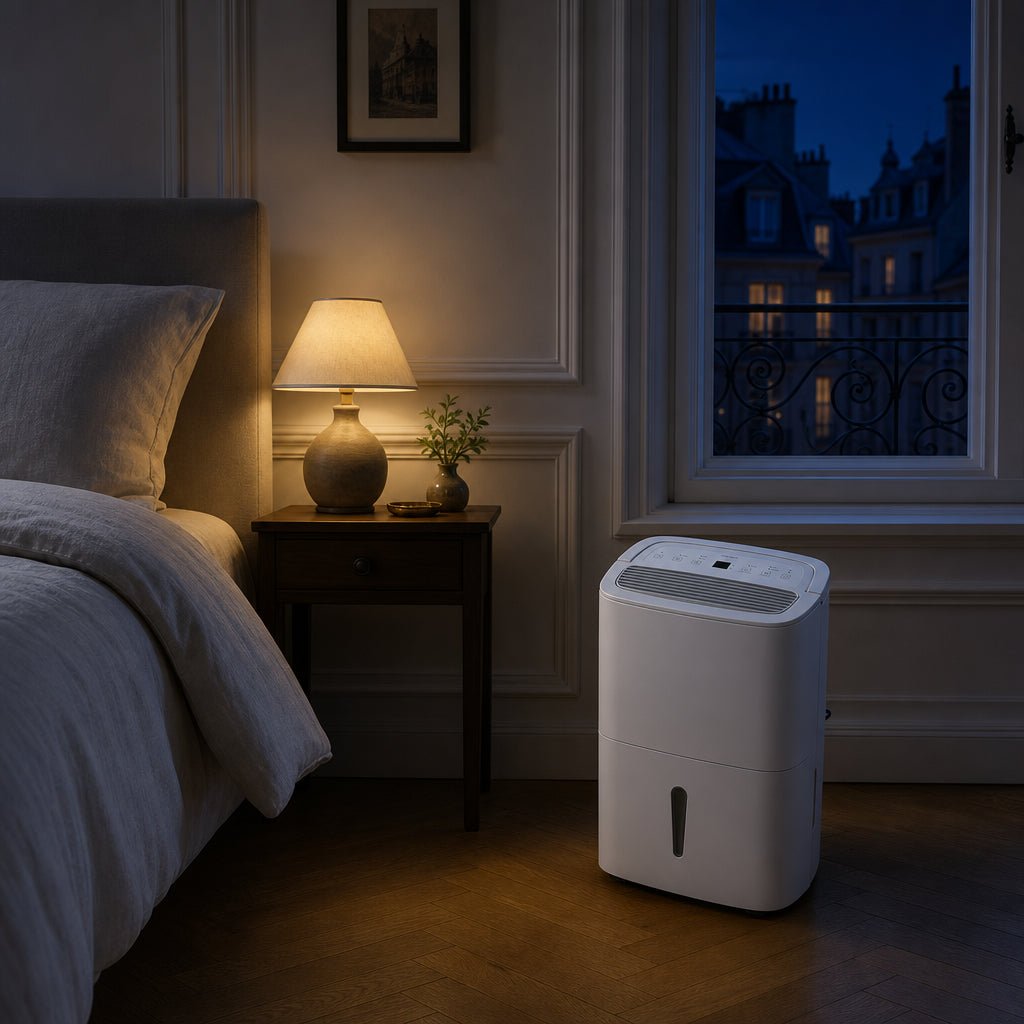
A small portable dehumidifier is one of the most reliable weapons against overnight condensation, especially in bedrooms where two people sleep with the door closed. Run it on a low or quiet setting through the night and it steadily pulls excess vapour out of the air before it can settle on the glass.
Choose a model with a quiet mode if you are a light sleeper, and place it away from your side of the bed, ideally near the window or in the dampest corner of the room. Empty the tank each morning or buy a model with a continuous drain hose if your machine runs every night. A full tank means the unit switches itself off and the moisture stays in the air.
Keep indoor humidity between about 40 and 60 percent for comfort and health. Below 30 percent the air feels dry and scratchy, above 60 percent you are heading towards damp and mould. Many dehumidifiers have a built in humidistat that switches the machine on and off automatically to hold your chosen level, which keeps running costs sensible.
As a cheaper alternative, moisture absorber tubs filled with crystals can help in small rooms and on individual windowsills. They will not match a proper dehumidifier, but they are silent, cost very little and can take the edge off in a spare room or a small box bedroom.
Tip 6: Move Houseplants Away from Cold Glass
Houseplants are wonderful, but they add moisture to the air through transpiration. A windowsill crowded with leafy plants is a mini humidity factory sitting right against the coldest glass in the room. During winter, move plants a little way back from the glass, onto a table or shelf where the air circulates better.
This also protects the plants themselves. Cold glass can chill leaves and cause damage, and the damp conditions around a streaming window encourage fungal problems. If your foliage is looking sorry, it is worth checking why houseplant leaves turn yellow, as cold draughts and overwatering in winter are among the most common causes.
Water plants less often in winter too, since most species slow down and need less. Overwatered plants in sealed pots release far more moisture into the room, and wet soil can harbour mould. Let the top of the compost dry out between waterings and empty saucers so pots are never sitting in water.
Tip 7: Wipe and Dry Sills Every Morning
Wiping up condensation every morning will not fix the root cause on its own, but it is an essential part of the defence. Standing water that sits on sills and frames all day soaks into paint, swells wooden frames and creates the damp conditions where black mould thrives. A quick wipe takes seconds and prevents real damage.
Use a dry microfibre cloth, an old towel, or a small window vacuum for heavier mornings. Wring the cloth into the sink rather than leaving it damp on the radiator. Pay attention to the corners and the bottom of the frame where water collects, and check behind curtains where moisture can hide.
If you notice black spots appearing on the sealant or frame, deal with them promptly with a mould remover suitable for the surface, then improve the ventilation and heating routine so they do not come back. Mould is a symptom, and wiping treats the symptom while the tips above treat the cause. Both matter.
How to Tell Condensation from a Window Fault
Before you spend money, make sure you are actually dealing with room side condensation. Condensation on the inside face of the glass that you can wipe away with a cloth is an indoor moisture problem, and the tips in this guide will fix it.
Condensation on the outside face of the glass, especially on new double glazed units, is usually harmless. It happens when the outer pane cools below the outdoor dew point on clear nights and clears on its own as the day warms up. It is actually a sign that your glazing is keeping heat inside.
Mist or droplets trapped between the two panes of a sealed unit are a different story. That means the seal has failed and moisture has got inside the unit itself. No amount of ventilation will fix it, and the unit will need repair or replacement by a glazing professional. If only one window in the house mists up internally, this is the likely cause.
Conclusion: Your Overnight Anti Condensation Routine
Stopping condensation on windows overnight comes down to three things: get moisture out, keep surfaces warm, and clear what remains each morning. Open the bedroom window wide for 5 to 10 minutes every morning, keep trickle vents open around the clock, and hold a steady background temperature of around 18 degrees overnight.
Stop drying laundry on bedroom radiators, consider a quiet dehumidifier for the worst affected rooms, move plants back from cold glass, and wipe sills dry every morning. None of these steps is expensive, and together they break the cycle of wet windows and mould risk that plagues so many UK homes each winter.
Start tonight. Leave the trickle vent open, set the heating to tick over, and move the laundry rack out of the bedroom. By the weekend, your mornings should look noticeably drier.
Frequently Asked Questions
Why do my bedroom windows get condensation but the living room stays clear?
Bedrooms are closed up overnight with people breathing out moisture for hours, curtains trapping cold air against the glass and heating often turned down. Living rooms get more airflow, more heat and no sleeping occupants, so the glass stays warmer and the air stays drier.
Will a bowl of salt on the sill stop condensation?
A bowl of salt absorbs a tiny amount of moisture and may slightly reduce droplets on one sill, but it cannot cope with the litres of vapour a bedroom produces overnight. Treat it as a harmless extra, not a solution. Proper ventilation and heating will do far more.
Should I leave the heating on all night to stop condensation?
You do not need full heating all night. A low steady background temperature of around 18 degrees is enough to keep the glass warm enough to resist condensation. This costs less than reheating a cold damp room from scratch every morning and is kinder to the building.
Is condensation on windows a sign my windows need replacing?
Usually not. Condensation on the room side of the glass is caused by indoor moisture meeting cold glass and happens even with good double glazing on freezing nights. Only mist trapped between the panes of a sealed unit means the window itself has failed and needs professional attention.
What humidity level should I aim for in the bedroom?
Aim for between 40 and 60 percent relative humidity. Below 40 percent the air can feel dry and irritate throats and skin. Above 60 percent you are in the zone where condensation, dust mites and mould become likely. A cheap hygrometer on the bedside table makes it easy to check.

4 Comments
Pingback: Stop Clothes Smelling Damp Indoors: 9 UK Tips
Pingback: How to Remove Cooking Smells from House Fast: 9 Quick and Proven Fixes - Daily Spark News
Pingback: How to Fix a Door That Will Not Latch
Pingback: Stop a Squeaky Floorboard Without Carpet Removal