
There is nothing quite like wrapping yourself in a big soft towel after a hot shower. So it is always disappointing when your once fluffy towels start feeling stiff, thin and scratchy against your skin.
If that sounds familiar, you are not alone. Towels are some of the hardest working items in the house, and most of us are accidentally ruining them in the wash. The good news is that learning how to keep towels soft after washing comes down to a few simple changes, not expensive products or complicated routines.
In this guide, you will find out why towels go hard, the exact wash and dry routine that keeps them fluffy, a rescue method for towels that have already gone crunchy, and the storage habits that protect all your hard work.
Why Towels Lose Their Softness in the First Place
Towels do not go stiff overnight. It happens slowly, wash after wash, usually because of one or more of these culprits.
Too much detergent. This is the number one cause. Most people use far more detergent than they need, and the excess does not fully rinse out. It builds up in the cotton loops, leaving them coated, stiff and less absorbent.
Fabric softener. It sounds like it should help, but liquid softener and dryer sheets coat towel fibers in a thin waxy layer. That layer flattens the fluffy loops and repels water, so towels feel less soft and dry you less well.
Hard water. If you live in a hard water area, minerals such as calcium and magnesium cling to the fibers and make them feel rough. This is a common issue across much of the UK, especially in the south east.
Heat damage. Very hot washes and high dryer heat break down cotton fibers over time. Towels washed at 60 degrees every single time will wear out far faster than towels washed at 40.
Damp storage. Towels that are put away while still slightly damp develop a musty smell and a rough texture. Moisture trapped inside folded towels is also an open invitation to mildew.
How to Keep Towels Soft After Washing: The Core Wash Rules
Softness is decided in the washing machine long before the towels reach the line or the dryer. Get these four rules right and you will notice a difference within a couple of washes.
Wash Towels in Their Own Load
Always wash towels separately from clothes. Towels are heavy and need room to move freely in the drum, and mixing them with clothes leads to lint transfer in both directions. Your dark jeans will thank you, and so will your towels.
Keep loads small enough that the towels can tumble properly. An overstuffed machine cannot rinse detergent out effectively, which brings us to the next rule.
Use Less Detergent Than You Think
Cut your usual detergent dose in half when washing towels. Modern detergents are concentrated, and half a dose cleans perfectly well while rinsing out completely.
Choose a simple liquid detergent without added softeners or brighteners if you can. Powder detergents do not always dissolve fully and can leave residue behind in the fibers.
Pick Warm Water, Not Hot
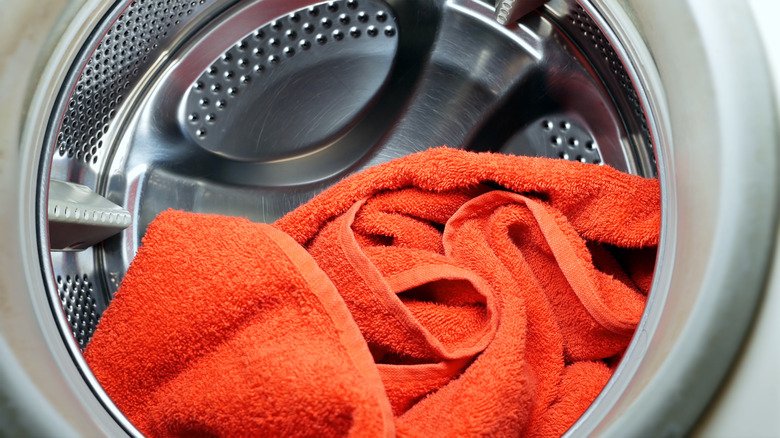
Around 40 degrees is the sweet spot for regular towel washes. It is warm enough to clean properly but gentle enough to protect the cotton fibers.
Save the occasional hot wash for towels that truly need sanitising, for example after illness, and do not make it a habit. Constant high heat is one of the fastest ways to turn plush towels into sandpaper.
Skip the Fabric Softener Entirely
This is the rule most people resist, and it makes the biggest difference. Fabric softener promises softness but delivers the opposite on towels, coating the loops in residue that kills absorbency.
The same goes for dryer sheets. If you want a natural alternative that actually works, the next section has you covered.
The White Vinegar Trick That Softens Towels Naturally
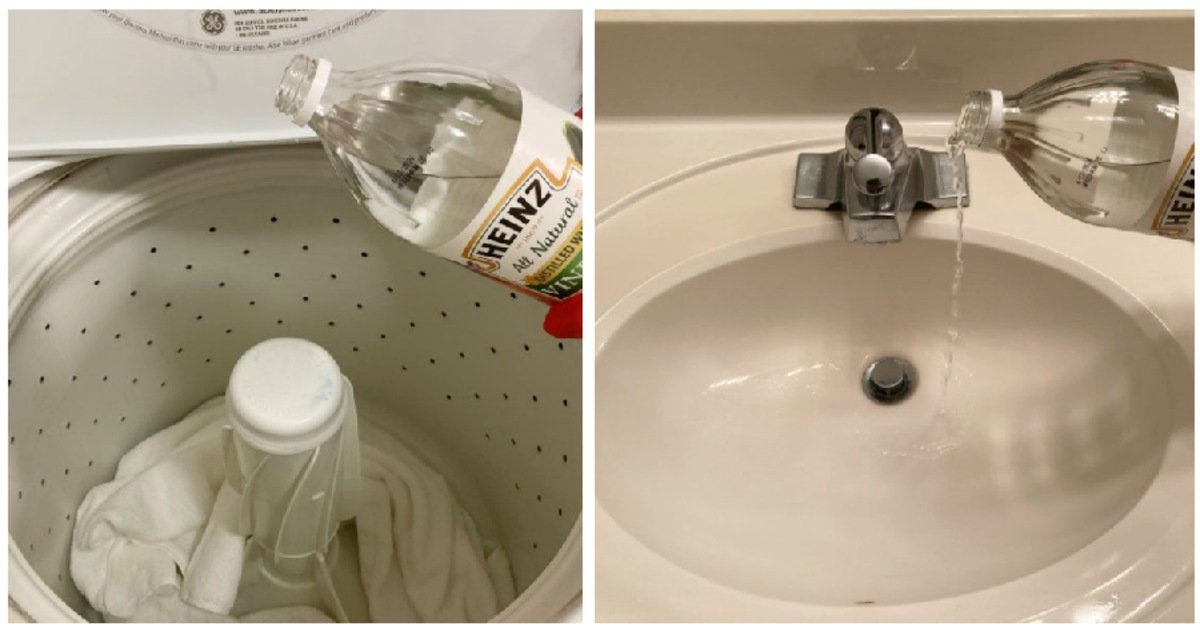
White vinegar is the laundry world’s best kept open secret. Add half a cup of plain white vinegar to the rinse cycle (the fabric softener drawer works perfectly) and it will dissolve the detergent residue and mineral deposits that make towels stiff.
Do not worry about the smell. Vinegar rinses out completely and the scent disappears as the towels dry. What is left behind is noticeably softer, more absorbent fabric.
Use this trick every few washes for ongoing maintenance. For towels that are already stiff and crunchy, you will want the deeper strip wash routine further down this guide.
How to Dry Towels So They Stay Fluffy
Drying matters just as much as washing. In fact, many people wash their towels perfectly and then undo all the good work with the wrong drying method.
If You Use a Tumble Dryer
Tumble dry on medium or low heat, never high. High heat cooks the cotton fibers and makes them brittle. Take the towels out while they are still very slightly damp and let them finish air drying; this avoids the overdrying that causes stiffness.
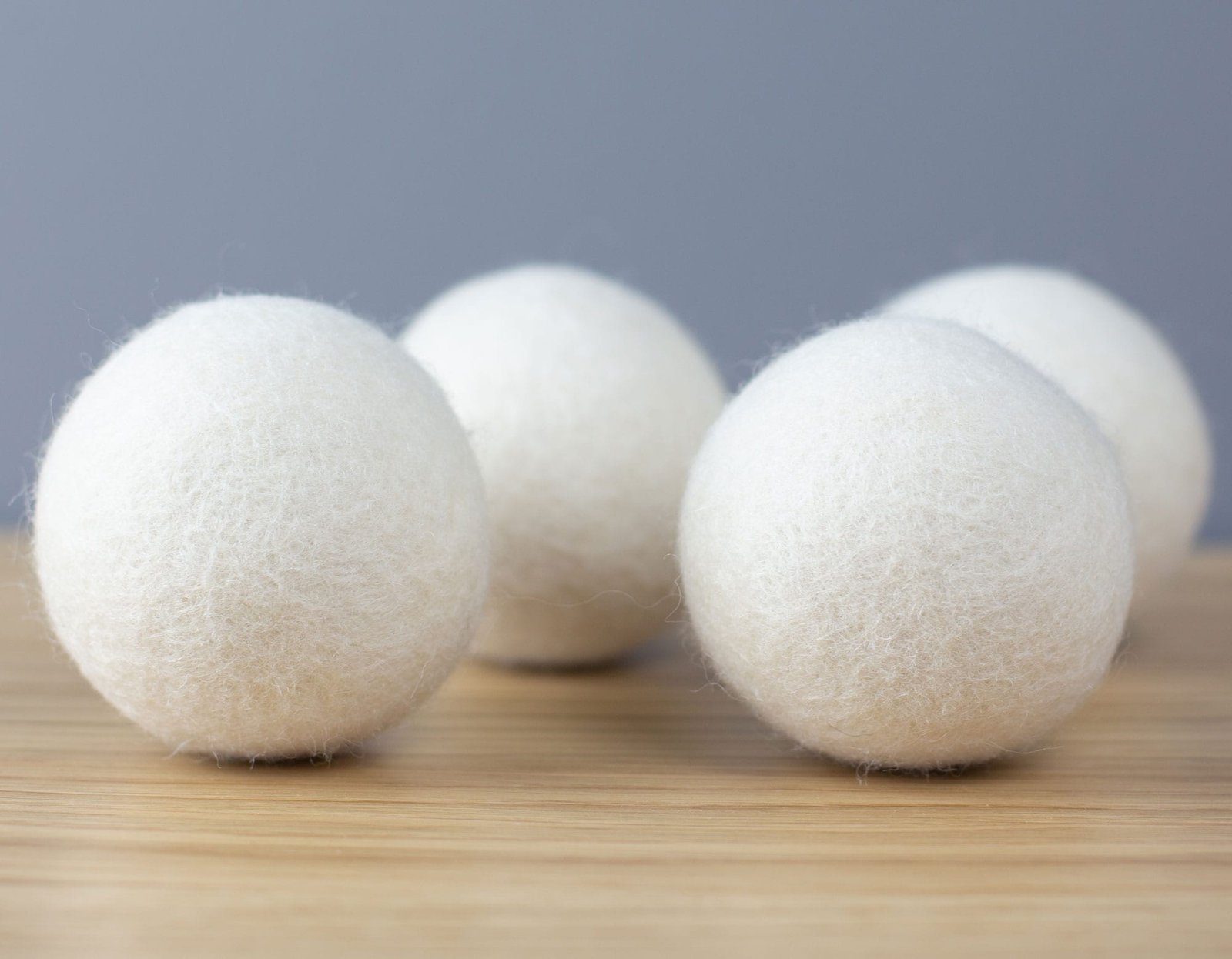
Toss in two or three wool dryer balls, or clean tennis balls in a pinch. They bounce around the drum, fluff up the towel loops and help the towels dry faster and more evenly. They also reduce static without any chemicals.
Give each towel a good shake the moment it comes out of the dryer. It sounds too simple to matter, but shaking lifts the flattened fibers and adds instant volume.
If You Line Dry
Line drying is free, eco friendly and kind to fibers, but it can leave towels feeling a bit crisp. The fix is simple: shake each towel vigorously before you hang it, then shake it again when it is about halfway dry.
In the UK, towels left out too long on a breezy day can dry rock hard. If you have a dryer, bring line dried towels in while slightly damp and give them ten minutes on low heat to soften up. If not, a brisk shake and a few minutes of scrunching in your hands works surprisingly well.
The Strip Wash: How to Rescue Towels That Have Gone Hard
If your towels are already stiff, scratchy or musty, a normal wash will not fix them. They need a strip wash: a deep clean that pulls years of detergent, softener and mineral buildup out of the fibers.
Here is how to do it. First, wash the towels on hot with one cup of white vinegar and no detergent at all. Then, without drying them in between, wash them a second time on hot with half a cup of bicarbonate of soda and no detergent. Dry them thoroughly afterwards using the tips above.
Most people notice a real difference after one strip wash. Very old towels may need a second round. If two strip washes plus correct drying still leave your towels rough, the fibers are probably worn out, and it is time to replace them.
Store Towels the Right Way to Protect Softness
All that washing and drying work goes to waste if towels are stored badly. Never put a towel away until it is completely dry; even slight dampness leads to mustiness and roughness.
Fold towels loosely rather than rolling or compressing them tightly. Tight rolls look tidy but squash the fluffy loops flat over time. Leave breathing room on the shelf so air can circulate around the stack.
A linen cupboard with decent ventilation keeps towels fresher for longer. A small bag of dried lavender or a cedar block on the shelf adds a lovely scent and helps keep moisture at bay. Keeping towels soft is a lot like the way you keep bread fresh for longer: getting the storage right matters just as much as everything that came before.
Seven Mistakes That Make Towels Scratchy
If your towels still feel rough after following the advice above, one of these habits is probably the culprit.
- Using too much detergent. More soap does not mean cleaner towels. It means residue.
- Adding fabric softener or dryer sheets. The waxy coating flattens fibers and ruins absorbency.
- Washing everything at 60 degrees. Hot water wears cotton out fast. Stick to 40 for everyday washes.
- Overloading the machine. Crammed towels cannot rinse properly, so detergent stays trapped in the fibers.
- Leaving damp towels in the washer. Even an hour or two starts that musty smell. Hang them promptly.
- Drying on high heat. High heat is the quickest route to brittle, scratchy towels.
- Storing towels before they are fully dry. If in doubt, give them another hour. Damp storage undoes everything.
When It Is Time to Replace Old Towels
Even with perfect care, towels do not last forever. Most good quality towels stay in great shape for two to three years of regular use.
Replace a towel when it stays scratchy after a strip wash, when a musty smell survives washing, when the fabric is thinning or fraying, or when it no longer absorbs water properly and just pushes it around your skin.
When you do buy new, look for 100 percent cotton with a weight between 500 and 600 GSM. That weight range gives you the best balance of plushness, absorbency and drying time. Wash new towels once before first use to remove any factory finish.
The Bottom Line
Learning how to keep towels soft after washing is not about buying special products. It is about a handful of habits: washing towels separately with half the detergent, skipping fabric softener in favour of white vinegar, drying on gentle heat with a good shake, and storing them fully dry with room to breathe.
- Halve your detergent and ditch the fabric softener for good
- Add half a cup of white vinegar to the rinse cycle every few washes
- Dry on low or medium heat, use dryer balls, and shake towels out
- Strip wash stiff towels with vinegar followed by bicarbonate of soda
- Store towels completely dry, folded loosely, with airflow around them
Follow this routine and your towels will stay soft, fluffy and absorbent for years. Your post shower self will thank you.
Frequently Asked Questions
Why have my towels gone hard and scratchy?
Almost always because of detergent buildup, fabric softener residue or hard water minerals coating the fibers. A strip wash followed by the routine in this guide usually brings them back.
Does white vinegar really soften towels?
Yes. The mild acid dissolves the residue and mineral deposits that stiffen fibers, and it rinses away completely so there is no lingering smell once the towels are dry.
Should I use fabric softener on towels?
No. Fabric softener coats towel fibers in a waxy film that makes them feel less soft over time and stops them absorbing water properly. White vinegar in the rinse cycle is a far better option.
Why do my towels smell musty even after washing?
Mustiness usually means detergent buildup or towels left damp for too long. Run a strip wash, make sure towels dry fully before storing, and keep the storage area ventilated. The principle is the same as keeping fresh herbs fresh longer in the fridge: airflow and dryness are what keep things fresh.
How often should I replace my towels?
With good care, every two to three years. Replace them sooner if they stay rough after a strip wash, smell musty despite clean washing, or have stopped absorbing water properly.

2 Comments
Pingback: How to Stop Condensation on Windows Overnight: 7 UK Tips That Work - Daily Spark News
Pingback: Static Cling Without Dryer Sheets: 9 Fixes