
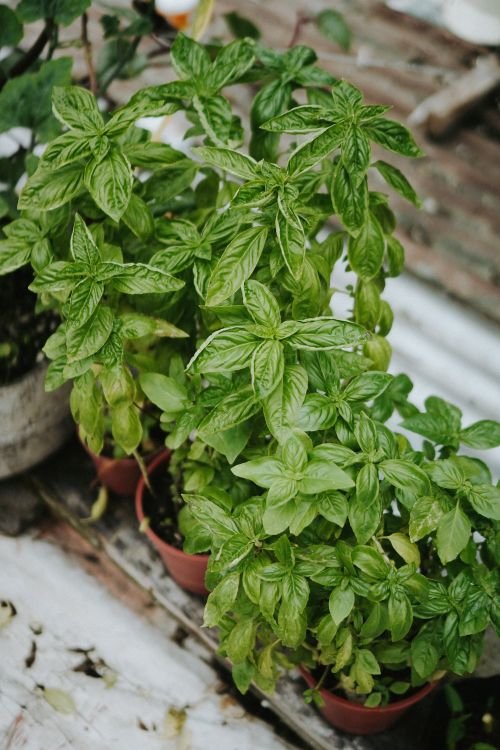
You brought home a lush green basil plant a week ago, and now it looks like it has given up on life. The leaves are drooping, turning yellow, or going limp, and you are asking the exact question thousands of plant owners ask every month: why is my basil plant dying?
Take a breath. Basil is dramatic, but it is also one of the most honest plants you can own. It tells you exactly what is wrong through its leaves, and most of the problems that kill it are easy to reverse once you know what to look for. In this guide we will diagnose your plant in minutes, walk through the seven most common causes, and give you the exact steps to bring it back to life.
The Quick Answer
If you are asking why is my basil plant dying, the most likely culprits are overwatering, underwatering, not enough light, cold air, a crowded supermarket pot, flowering at the end of the season, or pests and disease. The leaf symptoms tell you which one. Yellow mushy leaves point to too much water. Dry crispy leaves point to too little water. Leggy pale growth points to low light. Blackened leaves after a cold night point to chilling injury.
Run the two minute diagnosis below, match the fix to the cause, and act fast. Basil bounces back quickly when the root problem is corrected, often within a few days.
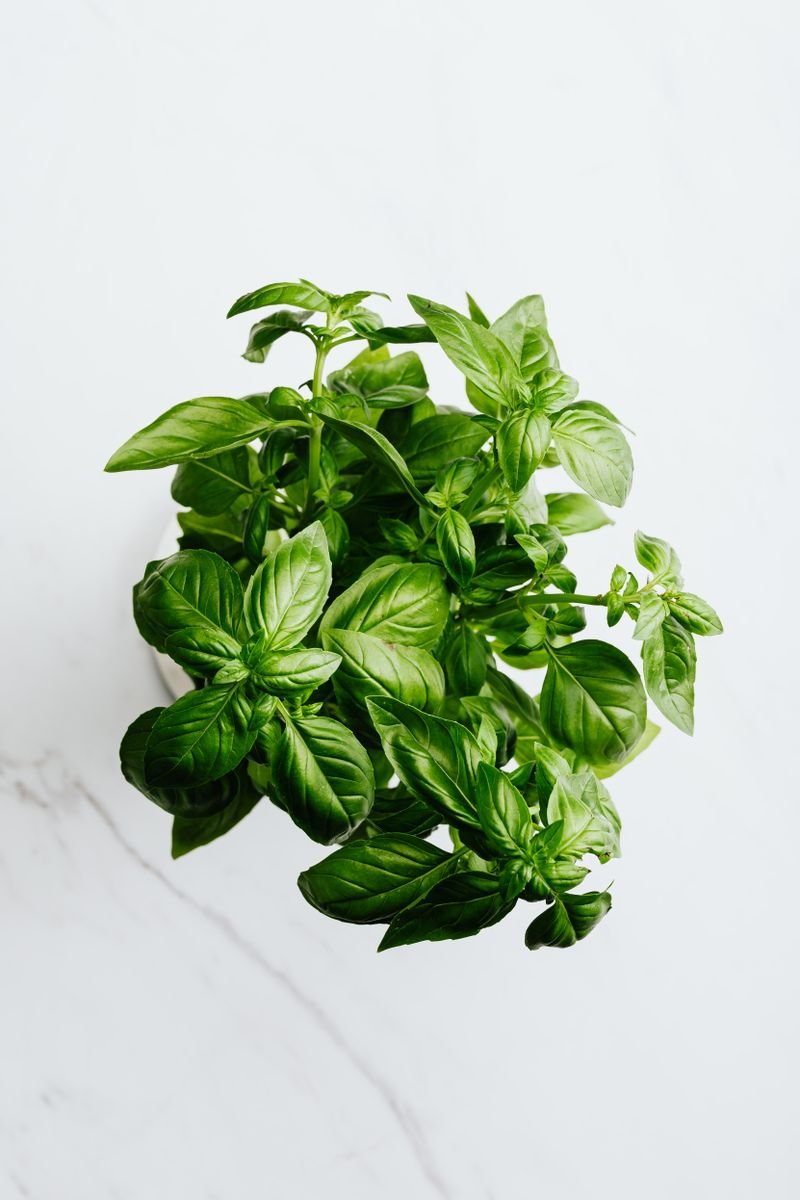
How to Tell What Is Killing Your Basil in Two Minutes
Before you change anything, play detective. These five quick checks will point you at the right cause almost every time.
First, push your finger about two centimetres into the soil. If it feels wet days after you last watered, overwatering is the prime suspect. If it is bone dry and pulling away from the sides of the pot, underwatering is the problem. If it feels just slightly moist, your watering is probably fine and something else is wrong.
Second, look at the leaves. Soft yellow leaves all over usually mean too much water. Leaves that turn yellow from the edges and feel dry and crispy usually mean too little water. Pale new growth and long stretched stems usually mean the plant needs more light. Black or dark patches that appeared suddenly, especially after a cold night, usually mean cold damage.
Third, check the stems near the base. Healthy basil stems are firm and green. Stems that feel soft, dark, or slimy near the soil line are a sign of root rot, which needs fast action.
Fourth, flip a few leaves over and look at the undersides. Tiny insects, fine webbing, white specks, or sticky residue mean pests have moved in. A grey fuzzy coating on the undersides of leaves is a classic sign of downy mildew, a common basil disease.
Fifth, think about what changed. Did you move the plant to a colder spot? Did you buy it from a supermarket last week? Has it started growing flower spikes at the stem tips? Recent changes often explain sudden decline. For yellowing leaves in general, our guide on why houseplant leaves turn yellow and how to fix them covers the same diagnosis principles that apply to potted basil.
Why Is My Basil Plant Dying: The 7 Most Common Causes
Basil is a tropical herb that grew up in warm climates, so it has strong opinions about water, light, and temperature. Work through the causes below and match the symptoms to your plant.
1. Overwatering and Root Rot
Overwatering is the number one killer of basil plants, and it fools people constantly. The leaves droop and yellow, which looks exactly like thirst, so owners add more water and make the problem worse. When soil stays soggy, the roots cannot get oxygen and start to rot. A rotting root system cannot absorb water or nutrients, so the plant wilts even though it is sitting in wet soil.
The classic signs are yellow leaves all over the plant, soft or translucent stems near the base, soil that stays wet for days, and sometimes a musty or sour smell from the pot. If you lift the plant out, healthy roots are white and firm while rotted roots are brown, black, or mushy.
To fix it, let the soil dry out before watering again and check that the pot has drainage holes. Empty the saucer after watering so the pot never sits in a puddle. If the rot is advanced, take the plant out of the pot, trim away all brown mushy roots with clean scissors, and repot it in fresh dry potting mix. Hold off watering for a few days after repotting to let the damaged roots recover.
2. Underwatering and Dry Soil
At the other end of the scale, basil wilts fast when it goes thirsty. It has thin leaves and drinks a lot of water, especially in warm rooms, so it can flop dramatically within a day or two of drying out. The good news is that underwatering is the easiest cause to fix, and the plant usually perks back up within hours of a good drink.
Underwatered basil shows limp leaves that turn dry and crispy at the edges, soil that is pulling away from the pot, and a very light pot when you lift it. The whole plant may look flattened, as if someone pressed it down.
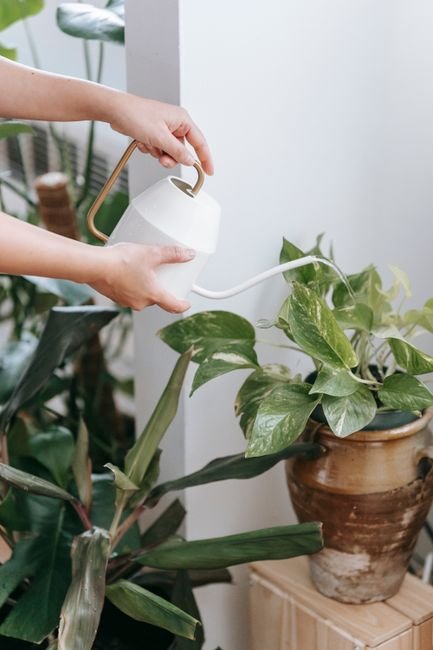
To revive it, water slowly and deeply until water flows from the drainage holes, then let the pot drain fully. For a very dried out root ball, soak the whole pot in a bucket of room temperature water for about twenty minutes so the soil can rehydrate properly. Going forward, check the soil with your finger every day or two and water whenever the top two centimetres feel dry. Basil prefers consistently moist soil, not a cycle of drought and flood.
3. Not Enough Light
Basil is a sun lover that needs around six to eight hours of bright light every day to thrive. On a dim windowsill or a few metres from the window, it cannot photosynthesise enough to support itself. The result is weak leggy stems that stretch toward the light, small pale leaves, and slow growth that eventually turns into decline.
You can confirm this cause by looking at the shape of the plant. If the stems are long and thin with wide gaps between the leaf pairs, and the whole plant leans hard toward the nearest window, light is your answer.
Move the plant to your brightest spot, ideally a sunny windowsill that gets direct morning sun. Rotate the pot a quarter turn every few days so all sides get even light. If your home is dark in winter, a simple grow bulb on a timer for eight to ten hours a day can make the difference between a plant that survives and one that thrives.
4. Cold Air and Temperature Shock
Basil hates the cold more than almost any other common herb. Temperatures below about 10 degrees Celsius stress it, and frost kills it outright. Cold air from an open window, a drafty door, or an air conditioning vent can cause chilling injury that shows up as dark or black patches on the leaves within a day or two.
This is also why basil belongs at room temperature, never in the fridge. Cut basil blackens below about 10 degrees, which is why it needs completely different storage from other herbs. We explain the science in our guide on keeping fresh herbs fresh longer in the fridge, where basil is the one herb that never belongs in the cold.
Keep potted basil somewhere bright and warm, between about 18 and 25 degrees Celsius, away from drafty windows and cold glass in winter. Bring outdoor basil inside well before the first frost. If cold damage is mild, move the plant to a warm spot, trim off the blackened leaves, and new healthy growth usually follows.
5. A Crowded Supermarket Pot
Supermarket basil is grown for the shelf, not for your windowsill. Those lush pots are usually dozens of individual seedlings crammed together in a tiny container. They look impressive in the shop, but once home they compete fiercely for water, light, and nutrients. The roots tangle into a solid mat, the pot dries out in hours, and the whole thing collapses within a week or two.
If your plant declined fast within days of buying it, and the pot feels packed with more stems than you can count, overcrowding is almost certainly the cause. This is the most common reason store bought basil dies.
The fix is to divide the pot. Gently take the plant out, tease the root ball apart into two or three smaller clumps with your fingers, and pot each clump into its own container with fresh potting mix. Water them in well and give them bright light. Many gardeners keep supermarket basil alive for months this way. As a rule, a pot about 15 centimetres wide suits a single healthy clump.
6. Flowering and the Natural End of the Season
Basil is an annual, which means it completes its life cycle in a single growing season. When days get shorter or the plant gets stressed, it shifts energy from leaves into flowers, growing small white or purple spikes at the stem tips. Once flowering starts, the leaves turn sparse and bitter, and the plant is winding down toward its natural end.
This is the one cause that is not a care mistake. Flowering is the plant doing exactly what nature designed it to do. You can confirm it by looking at the stem tips for bud clusters or open flowers.
If you catch the flower buds early, pinch them off as soon as they appear. This delays the decline by several weeks and keeps the leaves tender and tasty. Harvesting regularly has the same effect: pinching stems just above a leaf pair encourages bushy side growth instead of flowers. When the plant has fully gone to seed and the leaves are spent, let it finish its cycle, collect the seeds if you like, and start a fresh plant.
7. Pests and Disease
Basil grown indoors can still attract sap sucking insects like aphids, whiteflies, and spider mites. These tiny pests cluster on the undersides of leaves and at stem joints, draining the plant and leaving yellow speckled leaves, fine webbing, or a sticky residue. A severe infestation can weaken a plant fast enough to look like it is dying overnight.
Diseases are more serious. Downy mildew causes yellowing between the leaf veins with a grey fuzzy coating underneath, and it spreads quickly in humid still air. Fusarium wilt is a soil borne fungus that blocks the water vessels in the stems, causing sudden wilting that no amount of watering fixes. There is no cure for either disease once it takes hold.
For pests, start by rinsing the plant under a gentle stream of water to knock them off, then wipe the leaves with a cloth dampened with diluted washing up liquid. Isolate the plant from your other houseplants until the infestation is gone. For repeat treatment, a neem oil spray made for edible plants works well, and repeat weekly for three weeks to catch newly hatched insects.
For diseases, be honest about the odds. If downy mildew or fusarium is confirmed, the kindest move is to harvest any healthy leaves, dispose of the plant in the bin rather than the compost, and start fresh in clean soil. Do not replant basil in the same contaminated soil.
How to Revive a Dying Basil Plant Step by Step
Once you have identified the cause, follow these steps in order. They are gentle, they need no special equipment, and they work for almost every struggling basil plant.
First, trim the damage. Remove yellow, black, or mushy leaves with clean scissors, cutting close to the stem. Dead tissue cannot recover and can invite mould, so clearing it lets the plant focus on new growth. Do not remove more than about a third of the foliage at once.
Next, correct the watering. Push your finger into the soil and water only if the top two centimetres are dry. Water deeply until it drains from the bottom, then empty the saucer. Make it a habit to check the soil before every watering rather than watering on a schedule.
Then, fix the light and warmth. Move the plant to your brightest sunny spot, away from cold drafts and air conditioning vents. Aim for six to eight hours of light a day and temperatures between 18 and 25 degrees Celsius.
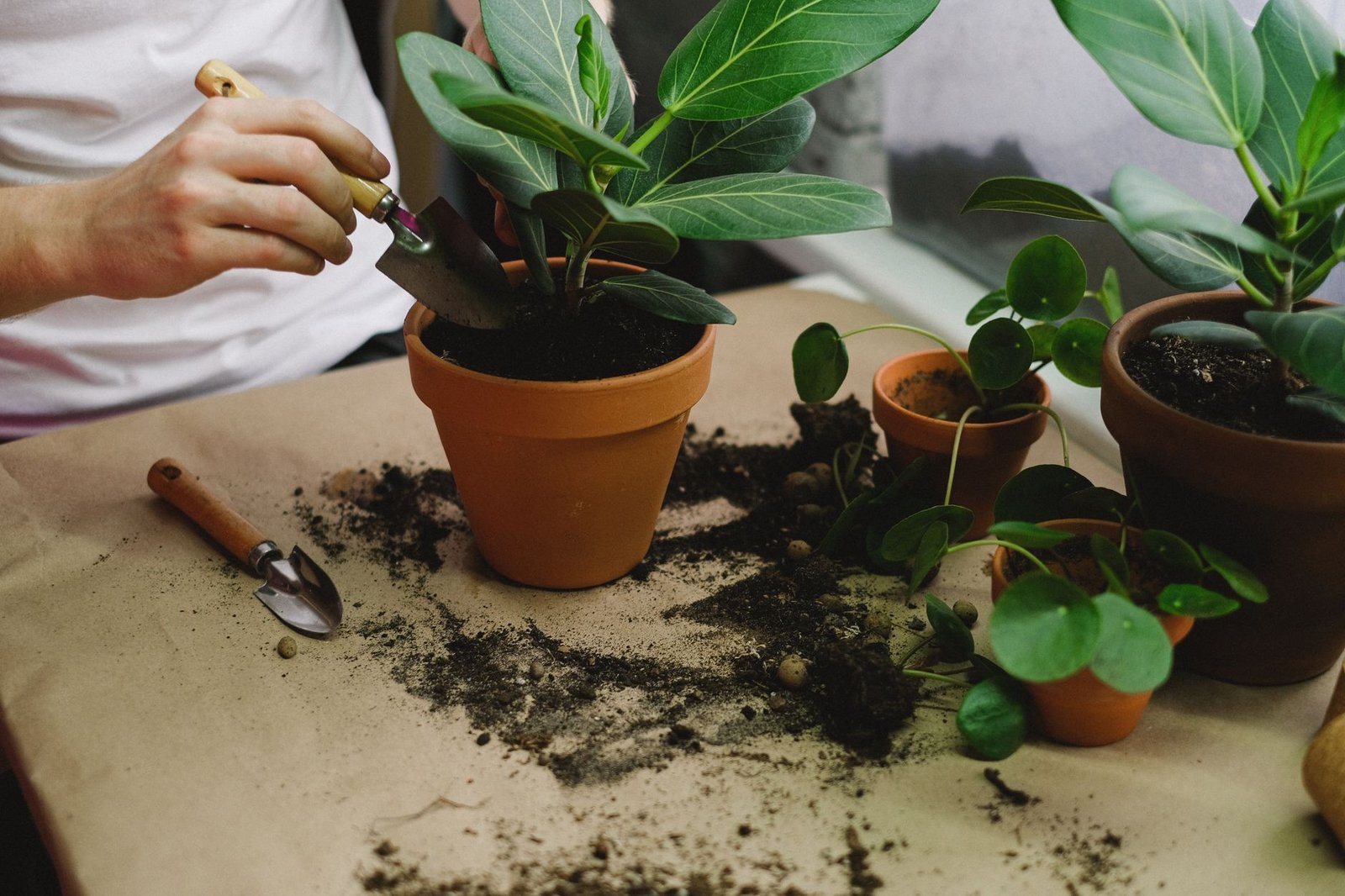
After that, check the roots if the plant has not improved within a week. Slide the plant out of its pot. If the roots are circling the pot in a tight mat, or if any are brown and mushy, repot into fresh free draining potting mix. A pot about 15 centimetres wide with real drainage holes is ideal. Divide crowded supermarket pots into two or three separate plants while you are at it.
Finally, feed lightly. Basil grows fast and uses up the nutrients in potting mix within a couple of months. Use a balanced liquid fertiliser at half strength every few weeks during active growth. Skip feeding entirely in winter when growth slows, and always water before fertilising so you do not burn dry roots.
How to Keep Basil Alive for Months
Reviving a basil plant feels great, but keeping it happy is even better. Build these habits into your routine and your next basil plant will last months instead of weeks.
Water thoughtfully. Check the soil with your finger every day or two in summer, less often in winter. Water deeply when the top two centimetres are dry and always let the pot drain. Terracotta pots dry out faster than plastic ones, which is a real advantage for people who tend to overwater.
Harvest often and correctly. Pinch stems just above a leaf pair instead of pulling off single leaves from the bottom. The more often you harvest the right way, the bushier and fuller your basil becomes. Remove flower buds the moment they appear to keep the plant in leaf mode.
Give it warmth and light year round. Basil does best on a sunny windowsill from spring to autumn. In winter, move it to the warmest bright spot in the house and consider a small grow light. Keep it away from cold glass, open windows, and exterior doors.
Repot before it gets root bound. When roots start circling the pot or water runs straight through, move up one pot size into fresh potting mix. Top dress with fresh compost each spring to replace nutrients.
Inspect weekly. A quick look at the leaf undersides every week or two catches pests and disease long before they become serious. Healthy basil is simply basil whose owner notices things early.
Frequently Asked Questions
Can a dying basil plant be saved?
Often, yes. If the stems near the base are still firm and green, and some roots are healthy, basil usually recovers within days of correcting the cause. Cut back the damaged leaves, fix the watering and light, and be patient. If the stems are soft and black right down to the soil, the plant is likely past saving.
Why does my basil plant die within a week of buying it?
Supermarket basil pots contain dozens of crowded seedlings competing for water and nutrients in a tiny container. Divide the pot into two or three smaller clumps, repot each in fresh potting mix, and give them bright light and consistent water. Most store bought basil dies from overcrowding, not bad care.
Should I water basil every day?
There is no fixed schedule that suits every home. Check the soil with your finger and water only when the top two centimetres feel dry. In a warm sunny spot that might be every day or two in summer and far less in winter. Always let excess water drain away completely.
Why are my basil leaves turning yellow?
Yellow leaves usually mean overwatering, especially if the soil is wet and the leaves feel soft. They can also signal underwatering, poor drainage, cold damage, or nutrient deficiency. Match the fix to the symptom using the diagnosis section above before changing anything.
Can basil survive winter indoors?
Yes, if it stays warm and bright. Keep it between 18 and 25 degrees Celsius, away from cold drafts and cold windows, with at least six hours of light a day. Growth slows in winter, so water less and stop feeding until spring. A small grow light helps a lot in dark homes.
Final Takeaways
So why is my basil plant dying? In most homes the answer is one of seven things: too much water, too little water, not enough light, cold air, a crowded supermarket pot, flowering at the end of the season, or pests and disease. Run the two minute diagnosis, match the fix to the cause, and give the plant a few days to respond.
The key habits are easy to remember. Water only when the top two centimetres of soil are dry, and always let the pot drain. Give basil six to eight hours of bright light and keep it between 18 and 25 degrees Celsius. Divide crowded store bought pots, pinch off flower buds, and harvest correctly above a leaf pair. Check the leaf undersides weekly to catch pests early.
Basil is forgiving when you listen to it. Follow this routine and the dramatic drooper on your windowsill will reward you with fresh fragrant leaves for months to come.

1 Comment
Pingback: Grow Edamame in Containers: 9 Simple Steps