
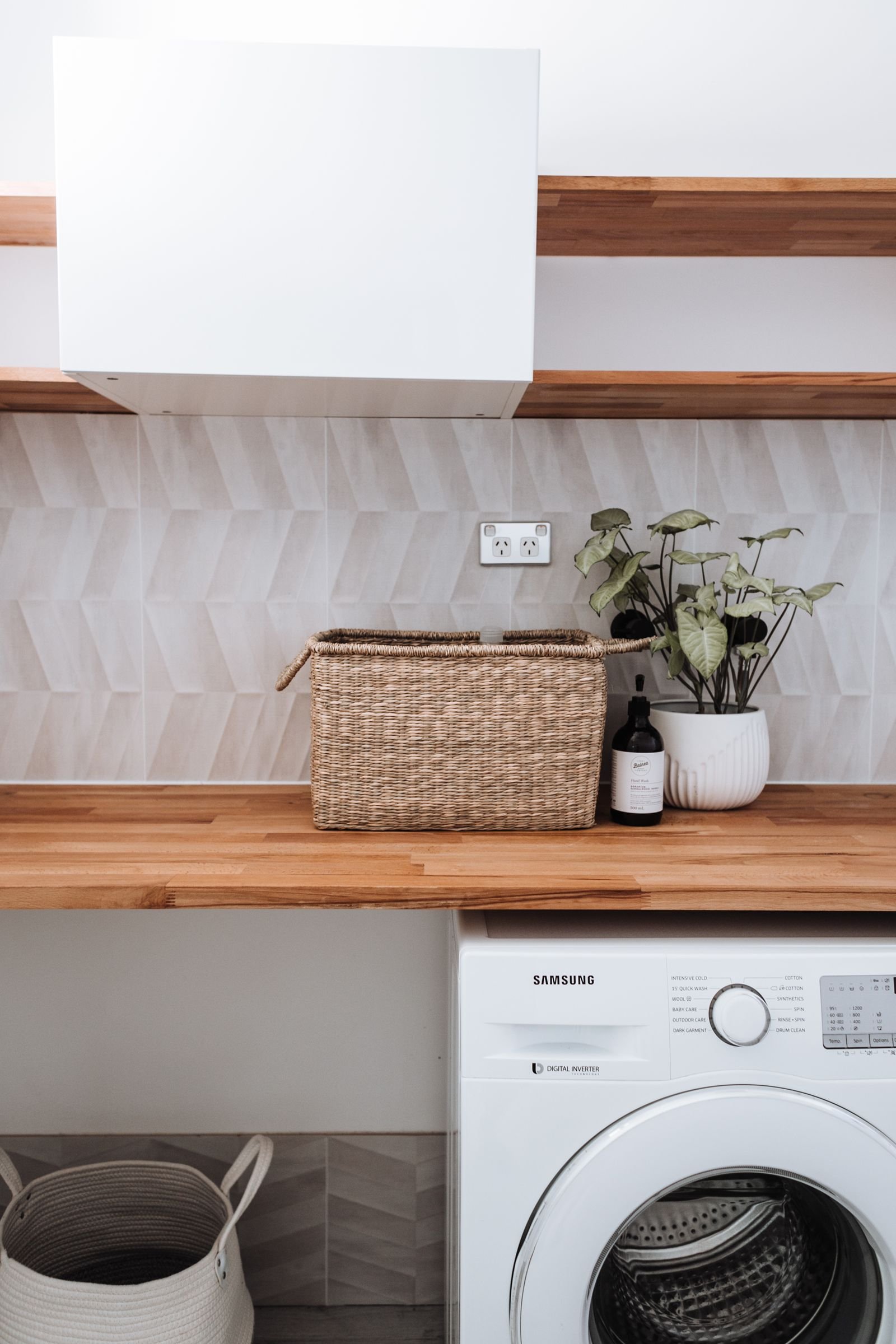
You open the washing machine door expecting the clean scent of fresh laundry, and instead you are hit by a wave of rotten eggs. It is unpleasant, it can drift through the whole kitchen or utility room, and worst of all it can leave your clothes smelling stale even when they are technically clean.
The good news is that a washing machine that smells like rotten eggs is almost always fixable at home, usually for the price of a bottle of vinegar. The culprit is normally hydrogen sulphide, a gas produced by bacteria and mould feeding on detergent residue, lint and stagnant water in the damp corners of your machine. You are not alone in asking why does my washing machine smell like rotten eggs; it is one of the most searched laundry questions in the UK. In this guide we explain exactly why it happens, how to track down the source of the smell, how to deep clean every smelly spot step by step, and how to keep the odour from ever coming back.
Why Does My Washing Machine Smell Like Rotten Eggs? 8 Causes Explained
The rotten egg smell is the signature of hydrogen sulphide gas. It is made by tiny organisms that thrive in warm, damp, oxygen poor places, which describes the inside of a washing machine perfectly. Here are the eight most common reasons your machine has become their favourite home.
Bacteria and Biofilm in the Damp Corners
Every wash leaves behind a little organic matter: skin cells, body oils, food stains, lint and traces of detergent. In the warm damp spaces inside your machine, bacteria feed on this mixture and form a slimy layer called biofilm on the drum, the hoses and the inside of the outer tub.
Biofilm is stubborn. It protects the bacteria living inside it, so a normal wash cycle barely touches it. As the colony grows, it releases hydrogen sulphide, and the smell gets stronger over time. If you mostly wash at 30 or 40 degrees, the problem builds up faster, because cool washes never get hot enough to kill these microbes.
Mould and Mildew Around the Door Seal
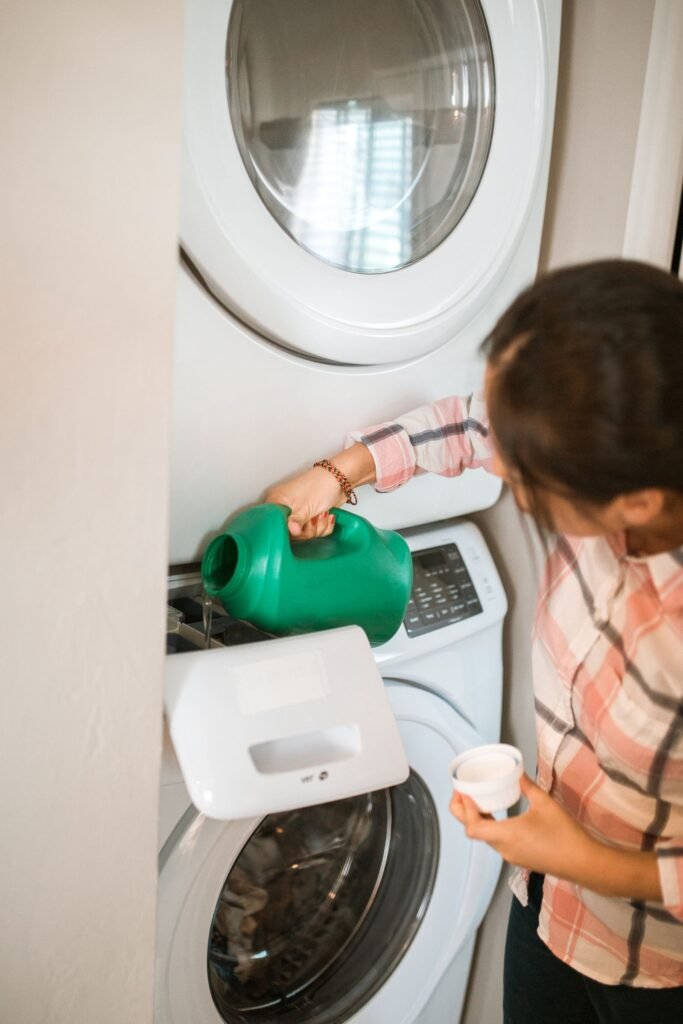
On a front load machine, the grey rubber seal around the door is the number one trouble spot. Its folds trap water, lint, stray socks and a paste of old detergent after every cycle. Left damp and undisturbed, this becomes a perfect nursery for mould and mildew.
You can often see the problem: dark spots or a grey slime in the folds of the seal. Even when you cannot see it, a musty smell that gets worse after a warm wash is a strong clue. Top load machines are not immune either; mould loves the area under the lid and around the top of the agitator.
Too Much Detergent or Fabric Conditioner
It sounds backwards, but using more detergent can make your machine smell worse, not better. Excess detergent never fully rinses away. It coats the drum, the seal and the dispenser drawer in a sticky film that bacteria love to eat.
Fabric conditioner is an even bigger offender. It is designed to leave a waxy coating on fabrics, and it leaves the same coating inside your machine. Over months this builds into a greasy layer that traps moisture and feeds odour causing bacteria. If your machine smells eggy and you are generous with the cap, this is very likely part of the cause.
A Clogged Drain Filter or Drain Hose
Most front load machines have a small drain filter behind a flap near the bottom of the machine. It catches coins, hair grips, buttons, fluff and pet hair. When it clogs, water cannot drain fully, and a puddle of dirty water sits in the bottom of the machine between washes.
Stagnant water is a banquet for the bacteria that produce hydrogen sulphide. A kinked or partially blocked drain hose does the same thing further up the line. If the smell is strongest right after the drain part of the cycle, or you can hear water sloshing around when the machine is off, check the filter first.
Sewer Gas Backing Up Through the Drain
Sometimes the smell is not made by your machine at all. It is sewer gas travelling up the drain hose from your household plumbing. This happens when the U bend in the waste pipe dries out, when the drain hose is pushed too far into the standpipe, or when there is a blockage further down the line.
A useful clue is location: if the eggy smell hangs around the drain hose and the back of the machine rather than inside the drum, plumbing is the prime suspect. Gurgling sinks or a slow draining bath in the same room point the same way.
Sulphur in the Water Supply
In some areas, especially homes on a private well or borehole, the water itself contains hydrogen sulphide. If your cold tap water smells of rotten eggs as well as the machine, the water supply is the source, and no amount of machine cleaning will fix it.
This is less common in towns and cities on mains water, but it is worth checking. Run the cold tap into a glass, step away from the sink and smell the glass. If the water smells eggy on its own, speak to your water supplier about treatment options.
Standing Water From an Unfinished Cycle
A machine that is switched off mid cycle, or one with a faulty pump that never fully empties, can hold litres of dirty water for days. That water quickly turns stagnant, and the bacteria in it get to work producing sulphurous gases.
This is easy to overlook because the drum looks empty from the front. Tilt the machine slightly or listen carefully after a cycle; any sloshing means water is being left behind, and that water is almost certainly contributing to the smell.
Could It Be a Gas Leak?
This one is rare but important. Natural gas is odourless, so suppliers add a chemical that smells like rotten eggs to make leaks detectable. If the eggy smell is strong throughout the house, not just near the machine, or you hear hissing near a gas pipe, treat it as an emergency.
Turn off the gas supply if you know how, open the windows, do not touch any electrical switches, and call the National Gas Emergency Service on 0800 111 999. Never assume a strong rotten egg smell is only a laundry problem until you have ruled this out.
How to Find Out Where the Smell Is Coming From
Before you start cleaning, spend ten minutes playing detective. Finding the source first means you clean the right thing and do not waste an afternoon scrubbing parts that were never the problem.
- Smell the drum with the door open. If the stink blasts out of the drum itself, the cause is inside the machine: biofilm, the seal, detergent buildup or the filter.
- Smell around the back and the drain hose. If the smell is strongest here, suspect the drain hose, the standpipe or sewer gas from the plumbing.
- Run an empty hot cycle and sniff at each stage. A smell that appears during filling points to the water supply or inlet hoses. A smell during washing points to the drum and seal. A smell during draining points to the filter and drain hose.
- Peel back the door seal and look. Put on rubber gloves, pull back the folds of the rubber seal and look for grey slime, black spots or trapped debris. This is the single most revealing check you can do.
- Check the cold tap. Fill a glass from the cold tap, walk away from the sink and smell it. Eggy tap water means the supply is the issue.
- Ask whether it could be the fridge instead. In a small kitchen, smells travel. If the machine checks out clean, the odour may be coming from another appliance entirely; our guide on why a fridge smells even after cleaning can help you rule that out.
How to Deep Clean Your Washing Machine to Remove the Smell
Once you know the source, give the machine a proper deep clean. This is not a quick wipe round. It is a full spa treatment for your washer, and it takes most of the smell with it. Set aside about an hour, plus the time for one long hot cycle.
What You Will Need
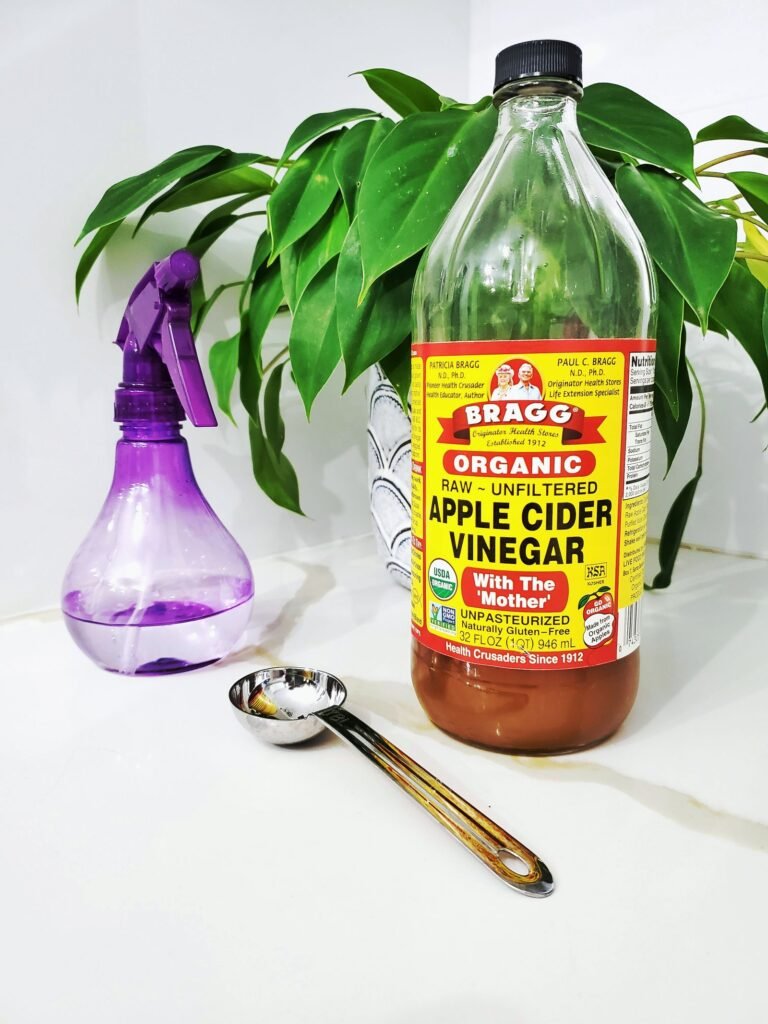
- Distilled white vinegar, about 500 ml
- Bicarbonate of soda, about 100 g
- An old toothbrush or small scrubbing brush
- Microfibre cloths and rubber gloves
- A shallow tray or old towels for the drain filter
- Optional: a dedicated washing machine cleaner from the supermarket for very stubborn buildup
One safety note: never mix vinegar or any acid with bleach in the same clean. Use one or the other, and rinse well between them.
Clean the Drum
Start with the drum, because it is the heart of the machine. Make sure the drum is completely empty, then pour 500 ml of distilled white vinegar directly into the drum. Do not put it in the dispenser drawer; you want it hitting the drum surfaces at full strength.
Run the hottest longest cycle your machine offers. Many UK machines have a dedicated drum clean or service wash cycle, often at 90 degrees. If yours does not, choose a cottons cycle at 90 degrees with no laundry inside. Halfway through, pause the machine for an hour if you can, so the hot vinegar solution can soak into the biofilm.
When that cycle finishes, sprinkle 100 g of bicarbonate of soda into the drum and run a second hot cycle. The bicarbonate neutralises odours and lifts the loosened residue. When it is done, wipe the inside of the drum with a microfibre cloth dampened with vinegar, paying attention to the holes and the rim.
Clean the Door Seal and Dispenser Drawer
Mix equal parts white vinegar and warm water in a spray bottle. Pull back every fold of the door seal and spray generously into the creases. Scrub with the old toothbrush to dislodge the grey slime and any trapped lint, then wipe clean with a cloth. Repeat until the cloth comes away clean.
Next, remove the dispenser drawer. Most drawers release with a small tab or a firm tug; check your manual if it resists. Soak the drawer in hot soapy water for 30 minutes, then scrub away the crusty detergent and conditioner residue with the brush. While it soaks, spray and wipe the empty drawer housing inside the machine, which is often just as grimy.
Clean the Drain Filter
Find the small flap near the bottom front of the machine and open it. Put the shallow tray or old towels underneath, because water will come out. Unscrew the filter cap slowly, let the water drain, then pull the filter out completely.
Rinse the filter under a hot tap and pick out every bit of lint, hair, coins and gunk. Shine a torch into the empty filter housing and wipe it out with a cloth. Screw the filter back in firmly, close the flap and run a short rinse cycle to check for leaks.
How to Stop the Smell Coming Back
Cleaning fixes the smell, but habits keep it away. The bacteria that cause the rotten egg odour need three things: moisture, warmth and food. Take away any one of them and they cannot thrive.
- Leave the door ajar after every wash. This is the single most effective habit. Air circulation lets the drum and seal dry out, and dry surfaces do not grow bacteria. Leave the dispenser drawer slightly open too.
- Measure your detergent. Use the cap or the dosing ball and follow the instructions for your water hardness. More detergent does not mean cleaner clothes; it means more residue. Cut back on fabric conditioner as well, or swap it for 100 ml of white vinegar in the rinse, which softens fabrics without the waxy buildup. Our guide on keeping towels soft after washing has more on getting softness without heavy products.
- Take wet laundry out promptly. Do not leave a finished load sitting in the drum for hours. Damp clothes in a sealed drum are a mould factory, and the musty result is exactly what our guide on stopping clothes smelling damp when drying indoors helps you avoid.
- Run a monthly service wash. Once a month, run the machine empty at 60 degrees or higher with either 500 ml of white vinegar or a shop bought machine cleaner. Put it in your calendar so you do not forget.
- Wipe the seal weekly. A quick wipe of the door seal folds with a dry cloth after your last wash of the week takes seconds and stops the grey slime from building up.
- Clean the drain filter every three months. Even if the machine smells fine, the filter collects debris constantly. A quarterly clean prevents the stagnant water that starts the whole cycle again.
- Keep the laundry area ventilated. If your machine lives in a small unventilated cupboard or utility room, crack a window or leave the room door open after washing so humidity can escape.
When to Call a Professional
Most rotten egg smells surrender to a good deep clean. But call in help if the smell survives two thorough cleans, if water will not drain at all, if you see water leaking from underneath the machine, or if you suspect a plumbing or gas issue.
An appliance engineer can check the pump, the internal hoses and the outer drum, places you cannot reach without taking the machine apart. A plumber is the right call for suspected sewer gas or blocked waste pipes. As a rough rule, if your machine is over ten years old and needs an expensive repair, compare the quote against the cost of a modern replacement; newer machines use less water and many have self cleaning cycles that make this whole problem less likely.
Conclusion
So why does my washing machine smell like rotten eggs? In almost every case, the answer is hydrogen sulphide gas from bacteria and mould living on residue inside the machine. The door seal, the dispenser drawer, the drain filter and the drum itself are the usual hiding places, with detergent overuse and constant dampness feeding the problem.
The fix is straightforward: diagnose the source, deep clean the drum, seal, drawer and filter, then protect your work with simple habits. Leave the door open, measure your detergent, take laundry out promptly and run a monthly hot service wash. Do that, and your machine will go back to smelling of nothing at all, which is exactly how a washing machine should smell.
Frequently Asked Questions
Is it safe to use a washing machine that smells like rotten eggs?
Yes, in most cases. The smell comes from bacteria and mould, which are unpleasant but not dangerous at the low levels found in a domestic machine. However, the microbes can transfer musty odours to your clothes and may irritate allergies, so clean the machine rather than ignoring it.
Will vinegar damage my washing machine?
No, distilled white vinegar is safe for regular use in washing machines when used sensibly. Run it in an empty hot cycle, not with every wash, and never mix it with bleach. If your manufacturer specifically warns against vinegar, use a shop bought machine cleaner instead.
How often should I clean my washing machine?
Run an empty hot service wash once a month, wipe the door seal weekly and clean the drain filter every three months. If you wash mostly at low temperatures or use a lot of fabric conditioner, clean a little more often.
Can fabric conditioner really cause the smell?
Yes. Fabric conditioner leaves a waxy coating inside the machine as well as on your clothes. That coating traps moisture and feeds the bacteria that produce hydrogen sulphide. Cutting back, or swapping to white vinegar in the rinse, often makes a noticeable difference.
Why does the smell come back a few days after cleaning?
Usually because the habits that caused it have not changed. If the door stays shut, detergent is overused and the machine never gets a hot service wash, bacteria recolonise within days. It can also mean the source is in the plumbing rather than the machine, in which case a plumber should take a look.
