

Most fake blood recipes start with corn syrup, and for good reason. It is thick, glossy, and cheap. But it is also a sticky nightmare. It glues itself to skin, hair, costumes, and carpet, and once it dries it can be genuinely hard to clean. If you are planning a costume party, a stage production, or a spooky photo shoot, learning how to make fake blood without corn syrup will save you a lot of scrubbing later.
The good news is that your pantry already holds everything you need. With red food coloring, cocoa powder, powdered sugar, and a few common thickeners, you can mix up blood that looks just as convincing, rinses off skin far more easily, and costs almost nothing. This guide gives you three tested recipes, plus the color theory tricks that separate convincing stage blood from bright pink syrup.
Why It Pays to Learn How to Make Fake Blood Without Corn Syrup
Corn syrup became the default base because it behaves a bit like real blood. It is viscous, it drips slowly, and it catches the light. The problem is that corn syrup is also one of the stickiest substances in a normal kitchen. On skin it leaves a tacky film that attracts dust and lint. On fabric it soaks in fast and the red dye sets as it dries. On floors it turns every footstep into a faint squeak.
There are other reasons to skip it. Some people do not keep corn syrup in the house and do not want to buy a whole bottle for one project. Others are making blood for kids and prefer simpler ingredients with nothing they cannot pronounce. And if your costume involves putting blood near your mouth, a recipe built on plain pantry staples simply tastes better. Whatever your reason, the methods below give you full control over thickness, color, and cleanup.
The Pantry Ingredients That Do the Heavy Lifting
Every recipe below is built from the same short list. Once you understand what each ingredient does, you can adjust any batch on the fly, which is a skill that matters when you are mixing blood an hour before guests arrive.
Red food coloring
This is the star of the show. Gel coloring is more concentrated than liquid, so you need less of it and it adds less extra water to the mix. Liquid coloring from the baking aisle works fine too. You will just use more drops. Whichever type you choose, add it gradually. You can always add more color, but you cannot take it away.
Cocoa powder
Plain red dye looks pink and cartoonish on skin. Cocoa powder darkens the mixture and adds opacity, which is what makes the blood look thick and real instead of translucent. Unsweetened cocoa powder is best. A teaspoon or two is usually enough for a full batch. This is the ingredient most beginners skip, and it is the single biggest difference between amateur and convincing results.
Powdered sugar
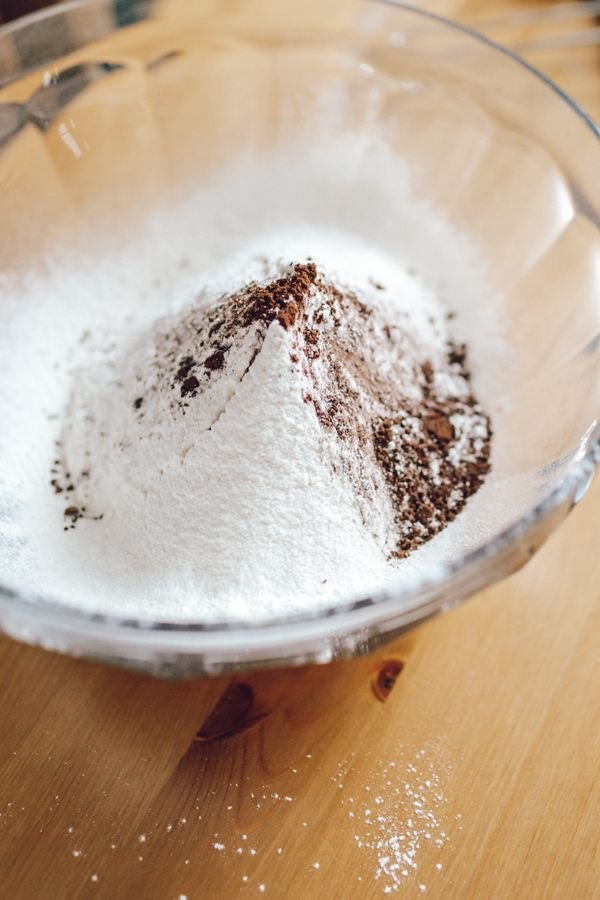
Powdered sugar, also sold as confectioners sugar, gives the blood body without the gritty texture of regular granulated sugar. It dissolves quickly in water and creates a smooth syrupy base. It is also the main reason these recipes rinse off so much more easily than corn syrup versions.
Cornstarch or plain flour
Both thicken the mixture and control how it drips. Cornstarch gives a smoother finish. Flour is fine if that is what you have, though you should whisk out every lump. A little goes a long way, so add thickener in small amounts and give it time to work before adding more.
Blue or green food coloring
Real blood is not pure red. It has dark, almost brown undertones, especially in low light. A single drop of blue food coloring deepens red dye dramatically. Green works too, though it is easier to overdo. Add one drop at a time and stir well between additions.
Vegetable glycerin (optional)
Found in the cake decorating aisle or at craft stores, vegetable glycerin adds shine and keeps the blood from drying out too fast on skin. It also helps the mixture flow the way stage blood should. It is optional, but if you want the most professional looking result, it is worth the small bottle.
Chances are you already own most of this list if you bake at all. Cocoa powder and powdered sugar are the same staples behind countless weekend bakes, and sugar behaves the same way in every kitchen. If you are curious about that chemistry, our guide on why muffins stick to paper liners digs into how sugar and moisture interact under heat.
Recipe 1: The Classic Powdered Sugar Method
This is the fastest recipe and the one to use when you need blood in under five minutes. No cooking, no special equipment, just a bowl and a spoon. It makes a smooth, medium thickness blood that works for skin, costumes, and props.
- 1 cup water
- 2 cups powdered sugar
- 2 tablespoons unsweetened cocoa powder
- 2 to 3 tablespoons red food coloring (liquid), or 1 to 2 teaspoons gel coloring
- 2 teaspoons cornstarch mixed with 1 tablespoon cold water
- 1 drop blue food coloring
- Pour the water into a mixing bowl and whisk in the powdered sugar until it dissolves completely. Take your time here. Undissolved sugar leaves grit.
- Sift in the cocoa powder and whisk until the mixture is smooth and evenly brown.
- Add the red food coloring a little at a time, stirring well after each addition. Stop when the color looks slightly darker than you want, because it lightens a touch as it sits.
- Stir in the cornstarch slurry. The mixture will thicken over the next minute or two.
- Add the single drop of blue coloring, stir, and check the tone. If it still looks too bright, add cocoa powder a quarter teaspoon at a time, not more color.
This batch makes about a cup and a half, enough for one full costume. It rinses off skin with soap and warm water, and it washes out of most dark fabrics in a normal laundry cycle.
Recipe 2: The Cooked Flour Method for Thick Costume Blood
When you need blood that clings to fabric, drips slowly down a prop weapon, or holds its shape on a wound appliance, this cooked version is the better pick. Heating the flour gelatinizes the starch, which gives a noticeably thicker, more realistic flow than any no cook mix.

- 1 cup water
- 3 tablespoons plain flour
- 2 tablespoons unsweetened cocoa powder
- 2 to 3 tablespoons red food coloring (liquid), or 1 to 2 teaspoons gel coloring
- 1 tablespoon vegetable glycerin (optional)
- 1 drop blue food coloring
- Whisk the flour into the cold water in a small saucepan until there are no lumps at all. This step matters. Lumps will not cook out later.
- Set the pan over medium heat and stir constantly as it warms. Within 3 to 5 minutes the mixture will thicken into a smooth, gravy like base. Do not let it boil hard.
- Take the pan off the heat and whisk in the cocoa powder until fully combined.
- Stir in the red food coloring gradually, then the glycerin if you are using it, then the drop of blue.
- Let the blood cool completely before you use it. It thickens more as it cools, so judge the final consistency at room temperature, not straight off the stove.
Cooked blood keeps its texture longer on skin and fabric, which makes it the favorite for stage productions and haunted houses. Because it is thicker, it also uses less dye per application, which helps with staining.
Recipe 3: The All Natural Berry Method
If you want to skip artificial coloring entirely, berries do the job beautifully. This version is the best choice for anything going near the mouth, and it is the friendliest option for young kids. The tradeoff is that it stains more readily and does not keep as long.
- 1 cup fresh or thawed frozen raspberries or blackberries
- 2 tablespoons honey or maple syrup
- 1 tablespoon unsweetened cocoa powder
- 1 teaspoon cornstarch mixed with 1 tablespoon cold water
- 1 teaspoon lemon juice
- Mash the berries through a fine mesh strainer into a bowl, pressing hard to extract as much juice as possible. Discard the seeds and pulp.
- Stir in the honey, cocoa powder, and lemon juice until smooth.
- Warm the mixture gently in a saucepan over low heat, just until it steams. Do not boil it.
- Stir in the cornstarch slurry and keep stirring for a minute until it thickens slightly.
- Cool completely before use. The lemon juice keeps the red color bright instead of browning.
Beet juice works as a backup if you have no berries. It gives a vivid red but a thinner texture, so double the cornstarch. Pomegranate juice is another option with a naturally dark tone.
How to Get the Color Right
Color is where homemade blood succeeds or fails, and the rules are simple once you know them. Start with less dye than you think you need. Red food coloring is far stronger than it looks in the bottle, and most pink, fake looking batches come from adding color too fast.
Always test on white paper, not in the bowl. A smear on a paper towel shows the true tone the way your eye will read it on skin. Real blood in normal light is a deep, slightly brownish red, darker than most people expect. If your batch looks like cherry candy, it needs cocoa powder, not more red.
Add blue one drop at a time. Blue is powerful stuff and two drops too many will push the mix toward purple. Stir for a full thirty seconds between drops so you see the real result before deciding. The same patience applies to green, which adds an earthy depth that reads as dried blood around the edges of a wound.
Opacity matters as much as hue. Thin, translucent blood looks like red water no matter how perfect the color is. Cocoa powder and a proper thickener give the mixture the body that sells the illusion, especially in photographs where flash washes out weak color.
Applying Fake Blood for Costumes and Makeup
Good application is half the effect. For drips running down skin, load a small squeeze bottle or a spoon and let gravity do the work. Start at the top of the wound area and let the blood run naturally. Forced, painted on drips always look wrong because real liquid does not travel in straight lines.

For splatter, dip an old toothbrush in the blood and flick the bristles with your thumb. Practice on newspaper first to learn the distance that gives you fine speckles instead of big blobs. A sponge torn into an irregular shape is perfect for dabbing blood around wound edges, because the uneven texture mimics torn skin.
Build the effect in layers. A dark base layer, left to set for a few minutes, with brighter fresh looking blood on top reads as real depth. One thick coat looks flat and obvious. Keep cotton swabs handy for cleaning up edges and shaping drips while the blood is still wet.
A quick safety note. These recipes use food ingredients, but they are still dye heavy. Keep the blood away from eyes, do a small patch test on sensitive skin first, and avoid using any batch with flour or cornstarch on broken skin unless the area is covered with a proper wound appliance. Wash your hands before eating, since food coloring can transfer to food.
Keeping Stains Under Control and Cleaning Up
Let us be honest. Anything red enough to pass as blood will stain something if you give it a chance. The advantage of corn syrup free recipes is that they clean up far more easily, but you still want to plan ahead. Lay down old sheets or a plastic drop cloth before you start applying, wear clothes you do not care about, and tie hair back.
On skin, warm water and soap remove these recipes completely in most cases. A little coconut oil or baby oil on a cotton pad lifts any faint pink shadow left behind. On hard floors and counters, wipe spills immediately. Dried blood needs a soak, but it will come up.
Fabric is the real battleground. Rinse fresh stains under cold water as soon as you can, then rub in a little liquid dish soap before washing normally. Never use hot water first, because heat sets dye stains permanently. For a full stain fighting routine, the same approach in our guide on getting coffee stains out of a white shirt works here too. White vinegar, dish soap, and patience lift most fake blood stains if you catch them early.
One more tip from experience. Red food coloring stains silicone phone cases, light colored nail polish, and white sneakers with impressive dedication. If any of those matter to you, cover or remove them before the blood comes out.
Storage and Shelf Life
Pour leftover blood into a clean airtight container or a squeeze bottle and refrigerate it. The powdered sugar and cooked flour versions keep for 5 to 7 days in the fridge. The berry version is more perishable, so use it within 2 to 3 days.
The mixture will separate as it sits. That is normal. Shake or stir it well before each use and check the color again, since dye can settle. If a batch smells sour or fizzy, or you see any mold, throw it out and mix a fresh one. These are food based recipes with no preservatives, so when in doubt, make a new batch. It only takes five minutes.
Conclusion: How to Make Fake Blood Without Corn Syrup in Minutes
Learning how to make fake blood without corn syrup comes down to three simple formulas. The powdered sugar method is your fast everyday option. The cooked flour method gives you thick, clingy stage blood. The berry method keeps things all natural for kids and anything near the mouth.
The takeaways are easy to remember. Cocoa powder is the secret to realistic color, blue dye goes in one drop at a time, and testing on white paper beats guessing in the bowl. Protect your clothes, rinse skin with soap and water, and store leftovers in the fridge for up to a week. With these recipes in your pocket, you can mix convincing blood in minutes, skip the sticky corn syrup mess entirely, and spend your energy on the costume instead of the cleanup.
Frequently Asked Questions
Can I make fake blood without corn syrup and without food coloring?
Yes. The berry method above uses raspberries or blackberries, honey, cocoa powder, and lemon juice for a convincing red with zero artificial dye. Beet juice and pomegranate juice also work as natural color bases.
Is homemade fake blood without corn syrup safe to eat?
These recipes use ordinary food ingredients, so a small taste will not harm you. But they are props, not snacks. They contain a lot of food coloring, which can upset sensitive stomachs in quantity. The berry version is the best pick if the blood will go near anyone’s mouth.
Will this fake blood stain my clothes?
It can, especially on white or light fabrics. The dye is the culprit, not the base. Rinse spills with cold water right away, pretreat with dish soap, and wash normally. Dark costumes and thrift store finds are the smart choice for bloody scenes.
How long does homemade fake blood last?
Refrigerated in an airtight container, the powdered sugar and cooked flour versions last 5 to 7 days. The berry version lasts 2 to 3 days. Stir well before reuse and discard anything that smells off.
What is the best corn syrup substitute for thickening fake blood?
A powdered sugar base thickened with a cornstarch slurry is the closest easy substitute. Cooked flour gives even more body for costume work, and a spoonful of vegetable glycerin adds the glossy flow of professional stage blood.
