
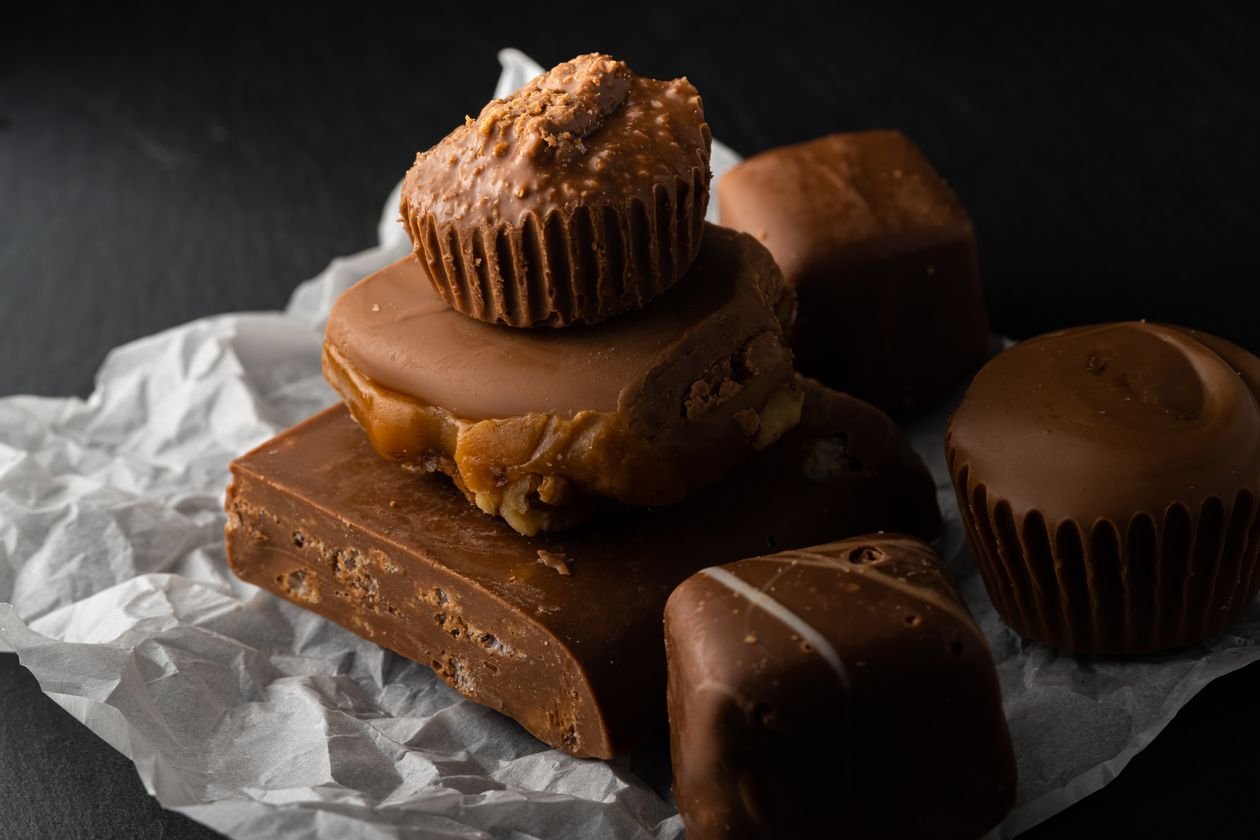
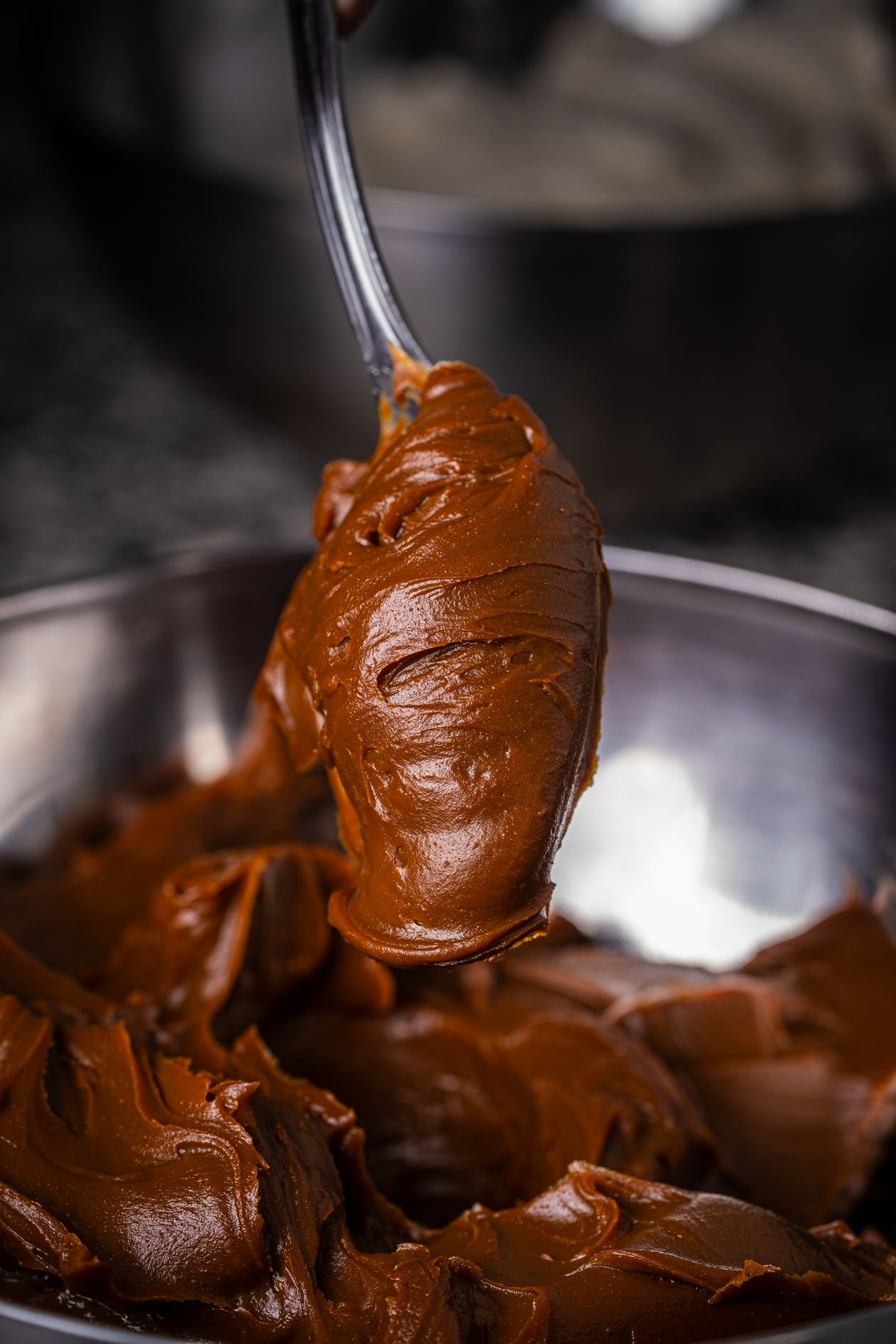
You followed the recipe to the letter. You stirred, you waited, and you poured the glossy mixture into the tin with high hopes. This morning it is still soft enough to scoop with a spoon. If you typed why does my fudge not set uk into Google at midnight while staring at a pan of what looks more like chocolate soup than confectionery, you are in very good company. Soft fudge is one of the most common home baking disasters in Britain, and the good news is that it is almost always fixable.
Here is the short answer. In nine cases out of ten, fudge refuses to set because the sugar mixture never got hot enough. Fudge needs to reach the soft ball stage, roughly 112°C to 116°C, so the sugar can crystallise into that firm yet creamy texture. Miss that temperature window and you are left with syrup. But heat is not the only culprit. Below you will find every reason your fudge stayed soft, three ways to rescue the batch, and a simple checklist that guarantees a perfect set next time.
Why Does My Fudge Not Set? 7 Reasons Explained
Work through this list like a detective. Almost every failed batch in the UK comes down to one of these seven mistakes, and spotting yours takes less than a minute.
1. You did not cook the mixture hot enough
This is the number one reason, by a mile. Fudge is basically a controlled sugar crystallisation project. When sugar syrup boils, water evaporates and the sugar becomes more concentrated. Only when enough water has boiled away, at about 115°C, will the mixture firm up as it cools. Take it off the heat at 105°C and you have made lovely fudge sauce, not fudge.
Many recipes say boil for five minutes without mentioning temperature. Five minutes on a fierce hob is very different from five minutes on a gentle simmer, so time alone is a terrible guide. The mixture must reach the soft ball stage, between 112°C and 116°C. Aim for 115°C and you will rarely go wrong.
2. You guessed the temperature instead of measuring it
Closely related to reason one. Judging sugar syrup by eye is a skill that takes years to develop, and even experienced bakers get fooled. The syrup can look thick and ready while still sitting several degrees below the setting point.
A sugar thermometer costs £8 to £12 from Lakeland, John Lewis or Amazon, and it removes all guesswork. Clip it to the side of the pan so the tip sits in the mixture without touching the base, which reads hotter than the syrup. If you do not own one, use the cold water test. Drop a little syrup into a bowl of cold water. If it forms a soft ball that holds its shape when you press it between your fingers, you are there. If it dissolves into threads, keep cooking.
3. You used the wrong kind of milk
This mistake is especially common with three ingredient fudge recipes. Sweetened condensed milk and evaporated milk are not interchangeable, even though the tins look similar on the shelf. Condensed milk, such as Carnation, contains about 40 percent sugar, and that sugar is doing structural work in your fudge. Evaporated milk contains no added sugar at all, so fudge made with it simply cannot set properly.
Full fat condensed milk matters too. Reduced fat or light versions contain more water and less milk fat, which throws off the balance. Check the tin before you start. If the label says evaporated, put it back and grab the condensed milk instead.
4. You stirred at the wrong moment
Stirring fudge is a two act play, and the acts have opposite rules. While the mixture is boiling, leave it alone apart from the occasional gentle stir to prevent sticking. Vigorous stirring at this stage encourages large sugar crystals to form early, which leads to grainy fudge later.
The important stirring happens after cooking. Once the fudge reaches temperature, take it off the heat and let it cool undisturbed until it drops to about 50°C. Then beat it firmly with a wooden spoon until it thickens and loses its glossy shine. This beating is what creates the tiny, even crystals that give fudge its smooth, melt in the mouth texture. Skip the beating and the fudge may stay soft or set with an odd, uneven grain.
5. A damp day worked against you
Sugar is hygroscopic, which is a fancy way of saying it pulls moisture from the air. On a rainy December day with the kitchen full of steam from the kettle and the hob, your fudge mixture can absorb enough extra water to stay soft no matter how carefully you cooked it.
You cannot control the British weather, but you can pick your moment. Make fudge on a dry day if you can, keep the kitchen ventilated, and avoid boiling pasta or drying laundry in the same room while your fudge sets. If you live in a naturally humid flat, that extra degree or two on the thermometer gives you a useful margin.
6. Your ingredient ratios were off
Fudge is chemistry, and chemistry cares about ratios. Adding an extra glug of cream, doubling the butter for richness, or scaling a recipe up in your head rather than weighing everything in grams can all tip the balance toward permanent softness. Every extra spoonful of liquid needs extra cooking time to evaporate, and most bakers do not adjust for it.
Flavour additions are the usual suspect. A generous pour of Baileys, orange juice or coffee might taste wonderful, but liquid flavourings thin the mixture. If you want boozy or fruity fudge, reduce the other liquids by the same amount, or add flavour with zest, espresso powder or extracts instead.
7. You rushed the cooling and the setting
Fudge does not set the moment it leaves the heat. It needs two to three hours at room temperature for the crystal network to build, and many batches benefit from an overnight rest. Cutting into it after 45 minutes and finding it soft proves nothing except impatience.
Chilling the tin in the fridge feels productive, but cold only firms fudge temporarily. Take it out and it softens again, because the underlying structure never formed. Give it time on the worktop instead. If your kitchen is very warm, a cool pantry or utility room works better than the fridge.
How to Rescue Fudge That Did Not Set
Do not throw the batch away. Soft fudge is one of the most rescuable baking failures there is, and one of these three methods will save it.
Method 1: Cook it again
This is the most reliable fix. Scrape the soft fudge back into a heavy saucepan and add two tablespoons of milk or cream to stop it catching. Warm it gently, stirring, until it melts back into a smooth liquid. Then bring it back to a rolling boil and cook it to 115°C on your sugar thermometer, just as before.
Take it off the heat, let it cool undisturbed to about 50°C, then beat it until it thickens and loses its shine. Pour into your lined tin and leave it overnight. This second cooking drives off the excess water that caused the problem in the first place. Only recook once, though. A third round tends to make fudge dry and crumbly.
If the base of your pan scorched during the rescue mission, do not panic and do not reach for the wire wool. Our guide on how to clean a burnt saucepan without scrubbing will save the pan too.
Method 2: Thicken it with icing sugar
For fudge that is only slightly too soft, this quick fix often does the trick. Warm the fudge gently until it is pourable, then whisk in sifted icing sugar one tablespoon at a time. The extra sugar absorbs moisture and firms the mixture as it cools. You will need roughly four to six tablespoons for a standard batch, but add it gradually and stop when the mixture looks noticeably thicker.
This method works best when the fudge almost set but not quite. If your batch is still basically liquid, go back to method one.
Method 3: Turn it into something else entirely
Sometimes the most elegant rescue is a rebrand. Soft fudge makes a sensational warm sauce for vanilla ice cream. Stirred into hot milk, it creates the thickest drinking chocolate you have ever tasted. Rippled through a tub of softened vanilla ice cream that you then refreeze, it becomes a showstopper dessert. Spooned into small jars with a ribbon, it becomes fudge sauce, a Christmas gift nobody will question.
How to Make Sure Your Next Batch Sets Every Time
Prevention beats rescue. Run through this checklist before your next batch and setting failures will become a distant memory.
- Use a sugar thermometer and cook to 115°C, the heart of the soft ball stage.
- Weigh every ingredient in grams. Do not estimate, and do not scale recipes up in your head.
- Use full fat sweetened condensed milk, never evaporated milk.
- Pick a dry day, or at least ventilate the kitchen while you work.
- Leave the mixture alone while it boils, then beat it well after cooling to 50°C.
- Use the tin size the recipe states. A 20cm square tin is standard, lined with baking parchment.
- Give the fudge two to three hours at room temperature, or ideally overnight, before cutting.
Fudge is not the only bake that punishes guesswork. If your cakes keep misbehaving too, you may enjoy our guide on why muffins stick to their paper liners, another classic kitchen mystery solved.
How Long Does Fudge Take to Set?
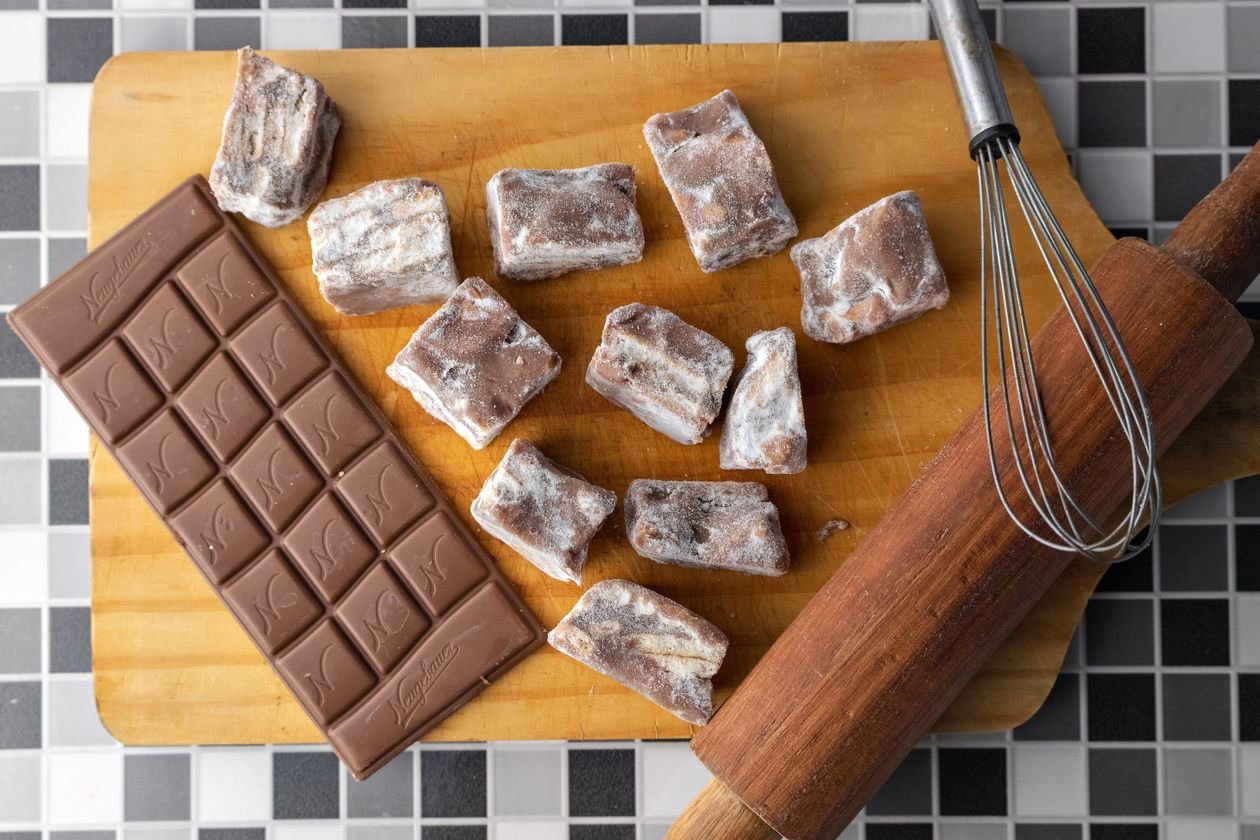
At normal room temperature, expect two to three hours before fudge is firm enough to cut cleanly. Thicker slabs and humid kitchens can stretch that to four hours. For the neatest squares and the smoothest texture, leave the tin undisturbed overnight. The slow, even cooling gives the sugar crystals time to form a fine, uniform network, which is the whole secret of good fudge.
Cut with a large sharp knife, wiping the blade clean between cuts. If the fudge drags or crumbles, it needed more time. Patience here is genuinely an ingredient.
How to Store Homemade Fudge So It Stays Perfect
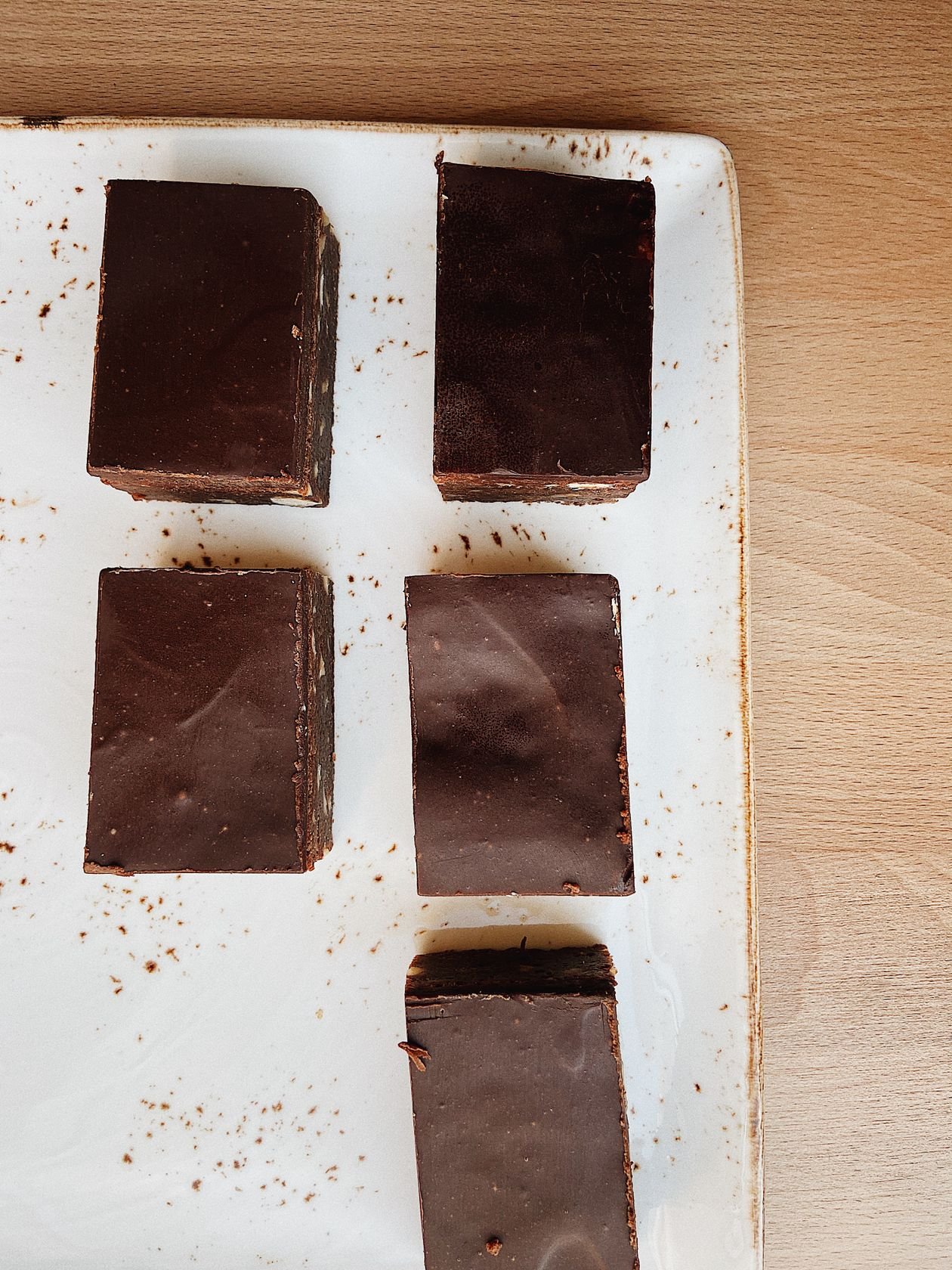
Once set, cut the fudge into bite sized squares and layer them in an airtight container with sheets of greaseproof paper between the layers. Kept at cool room temperature, away from strong smelling foods, homemade fudge stays perfect for up to two weeks. In the fridge it lasts about three weeks, though the texture firms up and is best enjoyed after ten minutes back at room temperature.
For longer storage, freeze it. Wrap portions tightly in cling film, then seal in a freezer bag, and it keeps for three months. Defrost in the fridge overnight. This makes fudge an ideal make ahead Christmas gift. A ribbon tied box of homemade fudge beats a last minute dash to the shops every single time.
The Bottom Line
Soft fudge feels like a disaster, but it is really just a thermometer reading you missed. Remember these takeaways and you will never fear a batch again.
- Temperature is everything. Hit 115°C and fudge almost always sets.
- An £8 sugar thermometer is the best investment a fudge maker can make.
- Condensed milk means set. Evaporated milk means soup. Check the tin.
- Beat after cooling, never stir hard while boiling.
- Soft fudge can be recooked once, thickened with icing sugar, or reborn as fudge sauce.
So the next time a batch fails and you find yourself searching why does my fudge not set uk all over again, skip the panic. Check the temperature first, work through the seven reasons above, and rescue that pan with confidence. Your Christmas gift boxes will thank you.
Frequently Asked Questions
Can you fix fudge that did not set?
Yes. The most reliable fix is to scrape it back into the pan, add two tablespoons of milk, and cook it again to 115°C. Cool to 50°C, beat until thick, and leave it overnight. Alternatively, whisk in sifted icing sugar a tablespoon at a time, or repurpose it as a warm fudge sauce.
How long should fudge take to set at room temperature?
Two to three hours is typical, though thick slabs can need four. For the smoothest texture and cleanest cuts, leave it undisturbed overnight. Do not judge a batch before it has had at least two hours.
What temperature does fudge need to reach in the UK?
Aim for the soft ball stage, between 112°C and 116°C, with 115°C the sweet spot most British recipes target. Use a sugar thermometer clipped to the pan, or test by dropping syrup into cold water and checking that it forms a soft ball.
Can I use evaporated milk instead of condensed milk in fudge?
No. Sweetened condensed milk contains around 40 percent sugar, which is essential for the fudge to set. Evaporated milk has no added sugar, so fudge made with it stays soft. Always check that the tin says condensed, and choose the full fat version.
Why is my fudge grainy instead of smooth?
Graininess comes from large sugar crystals, usually caused by stirring the mixture while it boils or beating it before it has cooled enough. Let the cooked fudge cool undisturbed to about 50°C, then beat it until it thickens and loses its gloss. That creates the tiny crystals behind a silky texture.
