
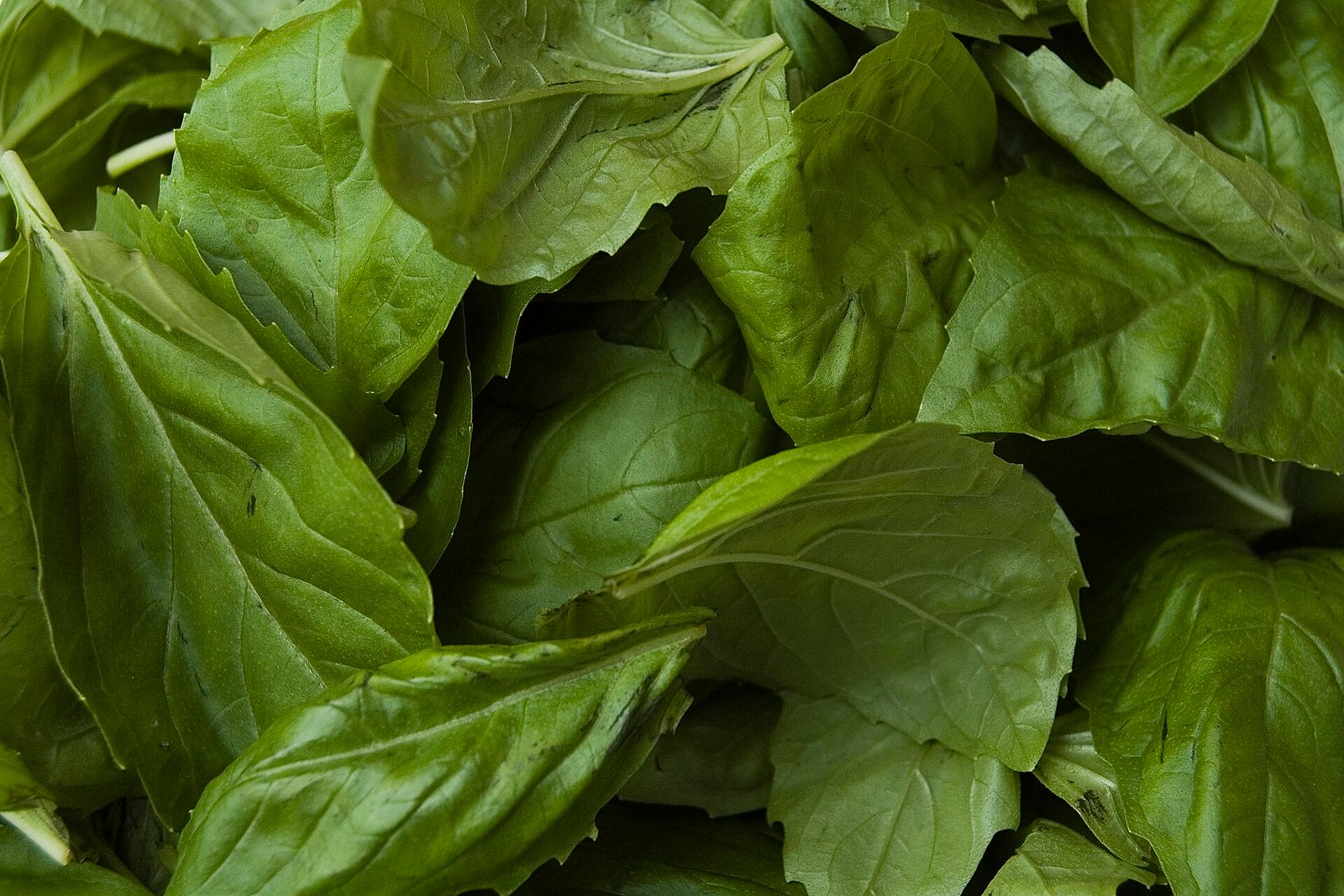
You buy a big, beautiful bunch of basil on Saturday. The leaves smell sweet and peppery, and you already picture caprese salad on Sunday, pasta on Tuesday, and pesto later in the week. You tuck the bunch into the fridge the way you store lettuce, and you feel organized. Two days later you open the fridge and find black, slimy leaves that smell tired and look nothing like the basil you bought.
If that story sounds familiar, you are not doing anything strange. You are treating basil like most other herbs, and basil refuses to play by those rules. Learning how to store fresh basil without turning black starts with one simple shift. Stop thinking of basil as a cold loving salad leaf, and start thinking of it as a warm weather plant that happens to be sitting on your counter.
This guide explains why basil blackens, gives you the counter method that works best for fresh use, covers the fridge method for the times you truly need it, and shows you how to freeze basil for months. You will also learn what not to do, how to rescue a bunch that is starting to struggle, and how long each method really lasts. The goal is simple. Buy basil once, use it all week, and throw none of it away.
Why Basil Turns Black So Fast
Basil looks sturdy, but its leaves are thin, soft, and full of water. They have very little protection against cold, dry air, bruising, and germs. When any of those stresses hits, the leaf tissue breaks down, and dark pigments show through. The result is the black patches, limp texture, and dull smell that most cooks blame on age. Age plays a part, but storage conditions usually decide how fast it happens.
Most herbs welcome the fridge. Parsley, cilantro, mint, and dill slow down nicely in cold air. Basil is the clear exception, and once you know why, the right method feels obvious. The sections below explain the three main causes, so you can spot the problem before it ruins the next bunch.
Cold Damage Is the Main Cause
Basil comes from warm climates, and it suffers chilling injury when the temperature drops below about 50 degrees Fahrenheit, which is 10 degrees Celsius. A typical home fridge in the United States runs at 35 to 38 degrees Fahrenheit, far below that line. At those temperatures, the tiny structures inside basil leaf cells start to fail. Water moves where it should not move, cell walls weaken, and the leaf turns dark.
The damage often does not show at once. A bunch can look fine when you put it in the fridge at night and look black by the next morning. Once chilling injury has happened, you cannot reverse it. Trimming the black parts may help the look of the bunch, but the flavor and texture of the damaged leaves will not come back. That is why basil turning black in fridge storage is so common, and why the fridge should never be the default home for fresh basil.
Room temperature suits basil far better. A kitchen counter at 65 to 72 degrees Fahrenheit keeps the leaves active without cooking them. Keep the bunch away from a hot stove, a sunny window, and a cold draft from an open door or an air vent. Steady, mild warmth is what basil wants, and a stable spot matters more than a perfect spot.
Bruising, Air, and Water Loss
Basil leaves bruise with very little pressure. A tight rubber band, a heavy bag of groceries sitting on top, or rough handling at the store can crush the tissue. Crushed spots darken first, because air reaches the broken cells and starts a process called oxidation. That is the same process that turns a cut apple brown, and in basil it shows up as dark patches rather than a light tan color.
Dry air makes the problem worse. Leaves lose water through their surfaces all the time, and a fridge fan or a dry kitchen speeds up that loss. Wilted leaves bruise more easily, and they lose flavor faster. Wet leaves cause the opposite problem. Water sitting on the leaves feeds bacteria and mold, and that is how a bunch turns slimy. Good storage keeps the stems in water and the leaves dry, with just enough humid air around them to stop wilting.
Fruit, Heat, and Germs Speed Up Spoilage
Some fruits give off a natural gas called ethylene as they ripen. Apples, bananas, pears, and tomatoes give off a lot of it, and ethylene pushes basil toward aging faster. A fruit bowl sitting next to your basil jar may look tidy, but it can shorten the life of the leaves. Keep basil away from ripening fruit, and keep it away from onions and other strong smelling foods that can taint its delicate aroma.
Heat is another quiet enemy. A jar left beside a stove, a dishwasher vent, or a window that gets strong afternoon sun will warm up fast, and warm water grows bacteria faster than cool water. Germs already live on stems and leaves in small numbers. They stay harmless when conditions are clean and steady, and they multiply fast when water turns cloudy, stems turn soft, or damaged leaves sit in the bunch. Sorting the bunch and changing the water are not fussy extras. They are the main defense against slime and smell.
How to Store Fresh Basil Without Turning Black
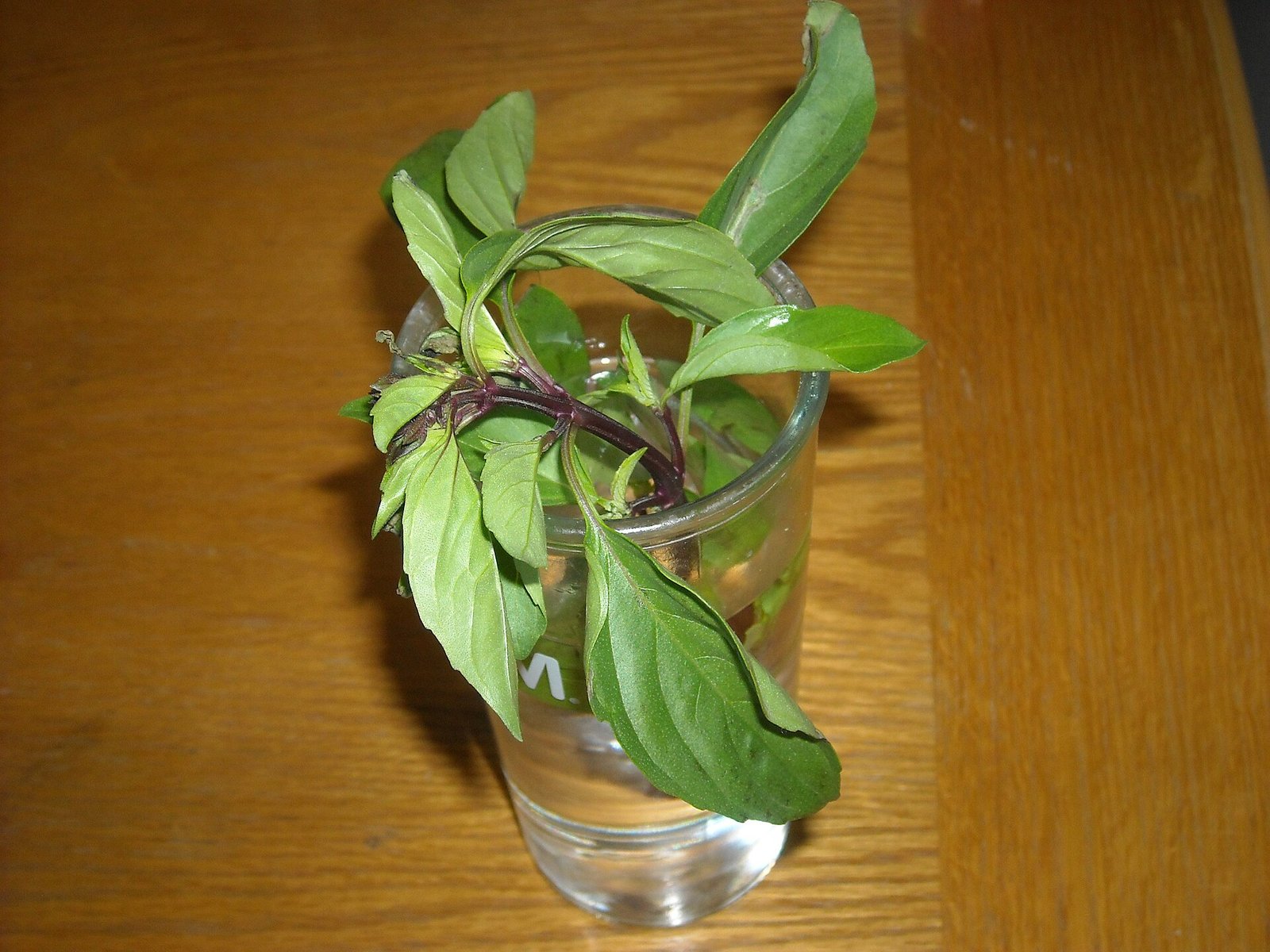
The best method for fresh use is the water jar method on the counter. It treats basil like a small bouquet of cut flowers, because that is essentially what a bunch of cut basil is. The stems drink water, the leaves stay in humid air, and the whole bunch stays out of the cold that causes blackening. Cooks who switch to this method often keep basil fresh for 7 to 14 days, which is long enough to use a large bunch without rushing.
To store basil in water, you need a clean glass jar or drinking glass, fresh cool water, clean scissors or a sharp knife, and a clean plastic produce bag if your kitchen air is dry. Choose a jar that is tall enough to hold the stems upright without crowding the leaves, and wide enough that the bunch does not get squeezed. A mason jar, a jam jar, or a sturdy drinking glass all work well.
The Water Jar Method Step by Step
- Sort the bunch first. Pick out any leaves that are already yellow, black, torn, or slimy, and remove them. One damaged leaf can spread decay to the leaves touching it, so start with only healthy leaves.
- Trim the stems. Cut about half an inch off the bottom of each stem with clean scissors or a sharp knife. A clean cut opens the stem so it can take up water. A crushed cut seals the stem and slows drinking.
- Fill the jar with about 2 inches of fresh, cool water. Use enough water to cover the cut ends well, but keep the water well below the leaves. Leaves sitting in water will rot fast.
- Stand the stems upright in the jar, like flowers in a vase. Give the bunch room to breathe. If the bunch is very large, split it between two jars rather than cramming it into one.
- Cover the leaves loosely with a clean plastic produce bag if your kitchen is dry or air conditioned. Leave the bag open at the bottom so some air can move. The bag holds humidity around the leaves without sealing them in wet air. Skip the bag if your kitchen already feels humid, or if condensation starts to form inside it.
- Place the jar on the counter in bright, indirect light, away from direct sun, heat, and cold drafts. A spot near a window that does not get harsh sun, or a clear stretch of counter away from the stove, works well.
- Change the water every 2 days. Rinse the jar, trim a tiny slice off the stem ends again if they look sealed or slimy, and refill with fresh cool water. Pick out any leaf that turns soft or dark during each check.
Daily Care That Keeps the Bunch Green
Check the jar each day, even if you only glance at it while you make coffee. Pull out any leaf that looks tired, and use the best leaves first for cooking. If the water looks cloudy, change it right away rather than waiting for the next scheduled change. Cloudy water means bacteria are growing, and clean water is the simplest fix.
If the leaves look a little limp but are still green, try a fresh stem trim and fresh water before you give up on the bunch. Stems that have been sitting in water for days can seal over, and a new cut often restores drinking within hours. Do not add plant food, sugar, or anything else to the water. Plain fresh water is best, and additives can feed bacteria or change the flavor of the leaves.
Some stems will grow tiny roots in the jar after a week or so. That is a good sign, and it means the basil is still alive and drinking. You can keep using the leaves as normal, or you can pot a rooted stem in soil if you want to grow a plant. For cooking, rooted stems are fine to use, and they often stay fresh a little longer than stems that never root.
How to Store Basil in the Fridge When You Must
There are times when the counter method does not fit. You may be going away for a few days, your kitchen may be very hot, or you may have washed the basil already. In those cases, the fridge can work as a short term compromise, but you need to protect the basil from the cold as much as possible. Expect 3 to 5 days at best, and plan to use fridge stored basil first, before any basil you keep on the counter.
Start with dry leaves. Do not wash basil before fridge storage unless it is visibly dirty. If you must rinse it, dry it fully in a salad spinner or between clean kitchen towels until no water beads remain on the leaves. Wet leaves in a cold fridge turn slimy fast, and they blacken sooner than dry leaves do.
Wrap the bunch loosely in a slightly damp paper towel, then place it in a plastic bag or a container with the top left partly open. The damp towel stops the leaves drying out, while the partly open bag lets a little air move and stops condensation pooling on the leaves. Place the package in the warmest part of the fridge, which is usually the door shelf. Keep it away from the back wall, the freezer compartment, and any cold air vent.
Check the bunch daily. Replace the paper towel if it turns wet or starts to smell musty, and remove any leaf that turns dark. Use the basil in cooked dishes if the leaves start to darken at the edges but are still firm and smell fresh. For a wider look at how other herbs handle cold storage, and why basil needs different treatment, see our guide Keep Fresh Herbs Fresh Longer in the Fridge. That contrast helps explain why one storage rule never fits every herb.
Never put an unprotected bunch of basil loose in the fridge drawer, and never seal it in a tight plastic bag with no air flow. Both mistakes trap cold, wet air against the leaves, and both lead to the same black, limp result. If your basil has already spent a night unprotected in the fridge and looks black, it is not worth trying to revive for a salad. Cooked dishes may hide a little discoloration, but blackened leaves have lost flavor and should be composted if they smell sour or feel slimy.
How to Freeze Basil So It Stays Green
Freezing is the answer when you have more basil than you can use in two weeks. Frozen basil will not look like fresh basil. The leaves turn dark and soft when they thaw, and they will never work as a pretty garnish. What freezing does preserve is flavor, and for soups, sauces, pasta, and pesto, flavor is what matters most. Frozen basil keeps its best flavor for up to 6 months, and it stays safe to eat longer than that if it stays frozen solid.
Do not freeze a big bag of loose, wet leaves and hope for the best. Leaves frozen in a clump stick together, trap air, and lose color fast. The methods below portion the basil at the start, protect it with oil or a quick blanch, and make it easy to grab exactly what you need for one meal.
Freeze Basil in Olive Oil
To freeze basil in olive oil, start with clean, dry leaves. Pick the leaves off the stems, and tear any very large leaves into smaller pieces with your hands. Chopping with a knife is fine too, but tearing bruises the leaves less. Pack the leaves loosely into the cups of a clean ice cube tray, filling each cup about three quarters full.
Pour extra virgin olive oil over the leaves until they are just covered, then press them down gently with the back of a spoon to remove air pockets. The oil coats the leaves, blocks air, and slows the darkening that happens when cut basil meets oxygen. Freeze the tray until the cubes are solid, which usually takes 3 to 4 hours. Pop the cubes out, place them in a labeled freezer bag, press out the air, and return them to the freezer.
To use an oil cube, drop it straight into a hot pan, a pot of soup, or a sauce. There is no need to thaw it first. One cube flavors a pan of pasta sauce, a pot of vegetable soup, or a tray of roasted vegetables. Do not thaw oil cubes on the counter and leave them sitting at room temperature. Use them in cooking right away, and keep the rest frozen until you need them.
Blanch and Freeze Whole Leaves
Blanching sounds fussy, but it takes less than a minute and it helps whole leaves keep a brighter green color in the freezer. Bring a pot of water to a rolling boil, and set a large bowl of ice water beside the stove. Drop a small handful of clean basil leaves into the boiling water for 15 to 30 seconds, just until the green color turns vivid. Lift them out at once with a slotted spoon, and plunge them into the ice water to stop the cooking.
Dry the blanched leaves very well. Press them gently between clean kitchen towels until they feel dry to the touch. Spread them in a single layer on a baking sheet lined with parchment, freeze them for 1 to 2 hours until firm, then transfer them to a labeled freezer bag. The single layer freeze stops the leaves clumping into a solid block, so you can take out a few leaves at a time.
Blanched leaves work well in cooked dishes where texture does not matter. Stir them into tomato sauce near the end of cooking, blend them into soup, or chop them into a marinade. They will not look fresh, but they will taste far closer to fresh basil than dried basil ever does. Label the bag with the date, and use blanched leaves within 6 months for the best flavor.
Make Basil Pesto Cubes for the Freezer
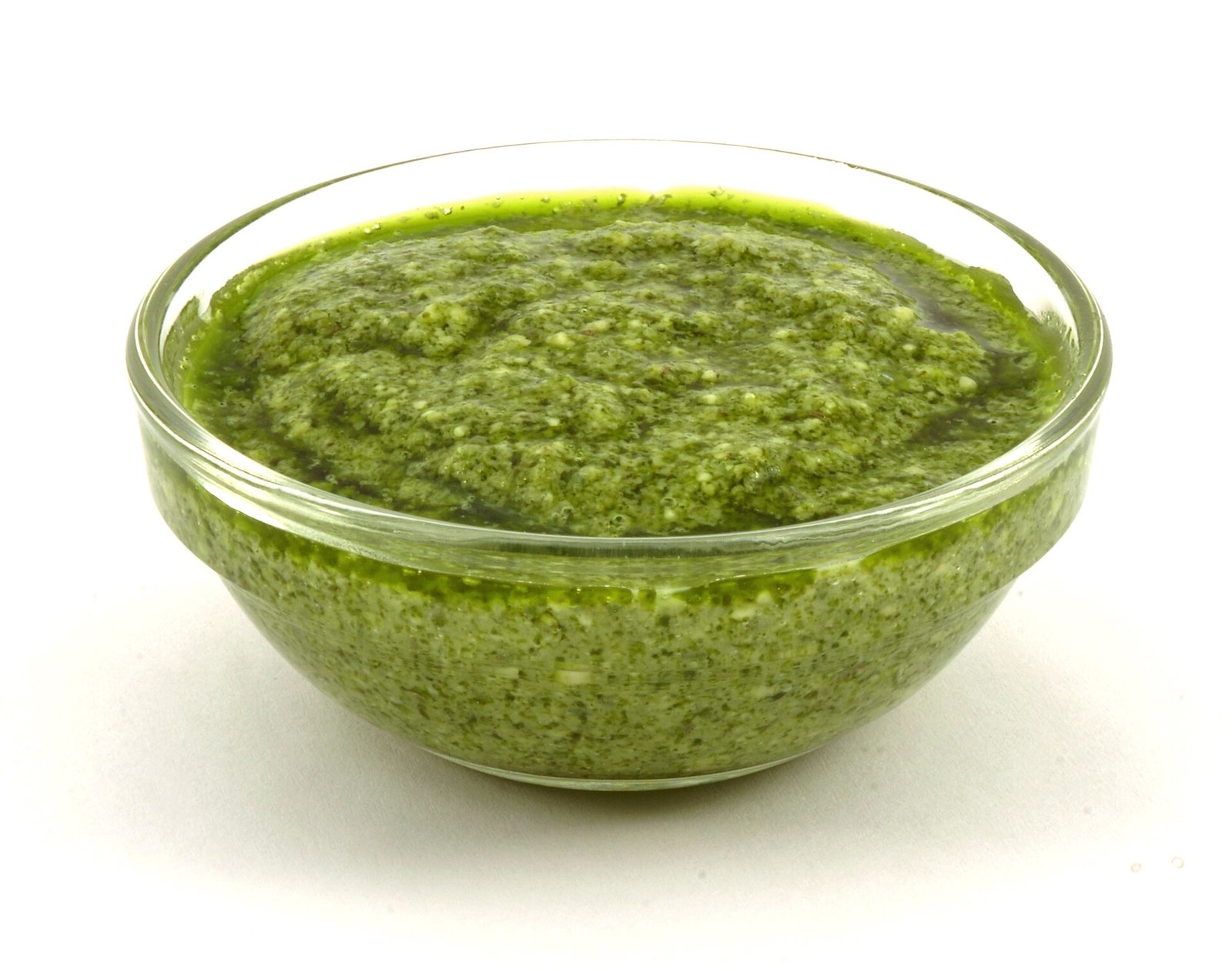
Basil pesto cubes are the most useful way to save a large harvest. You do the blending once, and you get ready to use portions for pasta, sandwiches, pizza, eggs, and roasted vegetables all winter. The pesto will darken a little in the freezer, but a thin layer of oil on top and a tight seal keep the color far brighter than loose frozen leaves.
To make a simple pesto, blend 4 cups of packed fresh basil leaves with half a cup of extra virgin olive oil, a third of a cup of pine nuts or walnuts, 3 cloves of garlic, and half a cup of grated Parmesan cheese. Add a pinch of salt, and blend in short bursts until the mixture is smooth but still has some texture. Taste it, and add a squeeze of lemon juice if you like a brighter flavor. Lemon juice also helps slow darkening, but use only a small amount so it does not overpower the basil.
Spoon the pesto into an ice cube tray, press it down to remove air, and drizzle a thin layer of olive oil over the top of each cup. Freeze until solid, then pop the cubes out into a labeled freezer bag. Basil pesto cubes keep their best flavor for about 3 months in the freezer, and they stay usable for up to 6 months. Thaw a cube in the fridge for a few hours, or stir it straight into hot pasta, where it will melt into a sauce in seconds.
Never store fresh basil in oil at room temperature, and never leave pesto cubes sitting out on the counter to thaw all day. Oil creates an environment where harmful bacteria can grow if food sits warm for too long. Keep oil based basil mixtures in the fridge for short term use, or in the freezer for longer storage, and thaw only the portion you plan to use that day.
Drying Basil Is the Last Choice
Drying is easy, and dried basil lasts 6 to 12 months in a sealed jar in a dark cupboard. The problem is flavor. Drying removes water, and with it goes much of the sweet, peppery aroma that makes fresh basil special. Dried basil also darkens, turns brittle, and tastes flat and dusty compared with fresh or frozen basil. Use dried basil only for long cooked dishes where it has time to soften and release what flavor remains.
If you do dry basil, tie small bundles of stems together and hang them upside down in a warm, dry place with good air flow, away from direct sun. You can also dry leaves on a tray in a very low oven, but watch them closely so they do not scorch. The leaves are dry when they crumble easily between your fingers. Strip them off the stems, store them in a sealed glass jar, and crumble them just before cooking to release a little aroma.
For most home cooks, freezing beats drying every time. Frozen basil in oil or as pesto keeps far more flavor, costs no extra equipment, and takes about the same amount of time. Save drying for a glut of basil when your freezer is already full, or for making a seasoning blend where fresh flavor is not the point.
What Not to Do With Fresh Basil
Most basil waste comes from a short list of habits that feel sensible but hurt the leaves. Avoid each one, and your basil will last noticeably longer without any extra effort.
- Do not refrigerate an unprotected bunch. Cold air below 50 degrees Fahrenheit is the fastest route to black leaves.
- Do not wash basil as soon as you get home. Wash leaves just before you use them, and dry them well if you wash them for storage.
- Do not store basil in a sealed plastic bag with no air flow. Trapped moisture and stale air invite slime and mold.
- Do not chop or tear leaves hours before cooking. Cut basil darkens fast once air reaches the cut edges, so prepare it at the last minute.
- Do not leave basil in direct sun, beside a hot stove, or next to a heat vent. Heat wilts leaves and speeds up bacterial growth in the water jar.
- Do not keep basil next to ripening fruit. Ethylene from apples, bananas, and tomatoes pushes basil to age faster.
- Do not crowd a large bunch into one small jar. Crowded stems sit in dirty water, and crowded leaves get no air. Split large bunches between two jars.
- Do not leave the same water in the jar for a week. Change it every 2 days, and rinse the jar when you change it.
If you catch yourself doing one of these things, fix it at once rather than waiting for the next bunch. Moving a bunch from the fridge to a water jar on the counter can still save leaves that are only a little tired, as long as they are still green and firm. Leaves that are already black, soft, or slimy will not recover, and keeping them in the bunch will only harm the healthy leaves around them.
Troubleshooting Black Spots, Slimy Leaves, and Wilting
Even with good storage, a bunch can start to struggle. The cause usually shows in the pattern of the damage, and matching the pattern to the cause tells you what to change. Act quickly, because a small problem in basil becomes a bunch wide problem within a day.
Black Spots After a Night in the Fridge
Black patches that appear overnight, especially after fridge storage, almost always mean cold damage. Move the bunch to the counter in a water jar at once, and remove the worst leaves. Use the remaining green leaves within a day or two, and do not return the bunch to the fridge. For the next bunch, start with the counter method from day one, and treat the fridge as a last resort only.
Slimy Leaves and a Sour Smell
Slime and a sour or musty smell mean bacteria or mold are growing. The usual causes are wet leaves, cloudy water, a damaged leaf left in the bunch, or a jar that was never rinsed. Throw away any leaf that feels slimy or smells off, change the water, rinse the jar, and trim the stems again. If most of the bunch is slimy, compost the whole bunch rather than trying to wash it back to health. Washing slimy basil spreads the problem and rarely restores flavor.
Wilting Without Blackening
Wilting without dark spots usually means the stems cannot drink. The cut ends may have sealed over, the water level may be too low, or the air may be very dry. Trim the stems, refill the jar with fresh cool water, and cover the leaves loosely with a plastic bag for a day. Many wilted bunches perk up within a few hours. If the leaves stay limp after a fresh trim and fresh water, use them at once in a cooked dish, where wilting does not matter.
Yellowing Leaves
Yellowing often means the basil is aging, has had too much light, or has been kept too warm. A few yellow leaves at the bottom of a bunch after a week are normal. Widespread yellowing in a fresh bunch can mean the basil was old when you bought it, or it sat in a hot car or a sunny spot. Pick off yellow leaves, move the jar to a cooler spot out of direct sun, and use the remaining leaves soon. Yellow leaves taste bitter, so do not save them for a salad.
How Long Does Each Method Last
Use this quick comparison when you bring basil home, so you can match the method to your plans for the week. The times assume the basil was fresh when you bought it, with bright green leaves and firm stems.
- Water jar on the counter: 7 to 14 days, with water changed every 2 days. Best flavor and best look for fresh use.
- Fridge, wrapped and protected: 3 to 5 days. Use first, and expect some darkening even with careful wrapping.
- Frozen in olive oil cubes: up to 6 months for best flavor. Best for cooking, not for garnish.
- Blanched and frozen leaves: up to 6 months for best flavor. Best for soups, sauces, and marinades.
- Basil pesto cubes: about 3 months for best flavor, usable up to 6 months. Best for pasta, pizza, and sandwiches.
- Dried basil in a sealed jar: 6 to 12 months. Weakest flavor, best only for long cooked dishes.
When in doubt, split the bunch. Keep one part on the counter for fresh use this week, and freeze the rest on day one while it is at its best. Basil frozen on the day you buy it tastes far better than basil frozen after a week on the counter, when the leaves are already tired. A split plan wastes nothing, and it gives you fresh basil now and frozen basil later.
Buying Basil That Lasts Longer, and Keeping a Potted Plant Going
Good storage starts at the store. Choose a bunch with bright green leaves, no black spots, and stems that feel firm and look freshly cut. Avoid bunches with wilted leaves, brown stem ends, or a damp, musty smell. Loose bunches often last longer than sealed plastic packs, because the leaves have had air and have not sat in condensation. If you can smell the basil as you hold it, that is a good sign. Strong aroma means the volatile oils are still present.
Carry basil home gently, and do not let a heavy bag crush it on the way. Keep it out of a hot car boot or trunk for a long drive, and get it into water as soon as you are home. The first hour matters more than people think. A bunch that sits warm and crushed in a shopping bag starts to bruise before it ever reaches your kitchen.
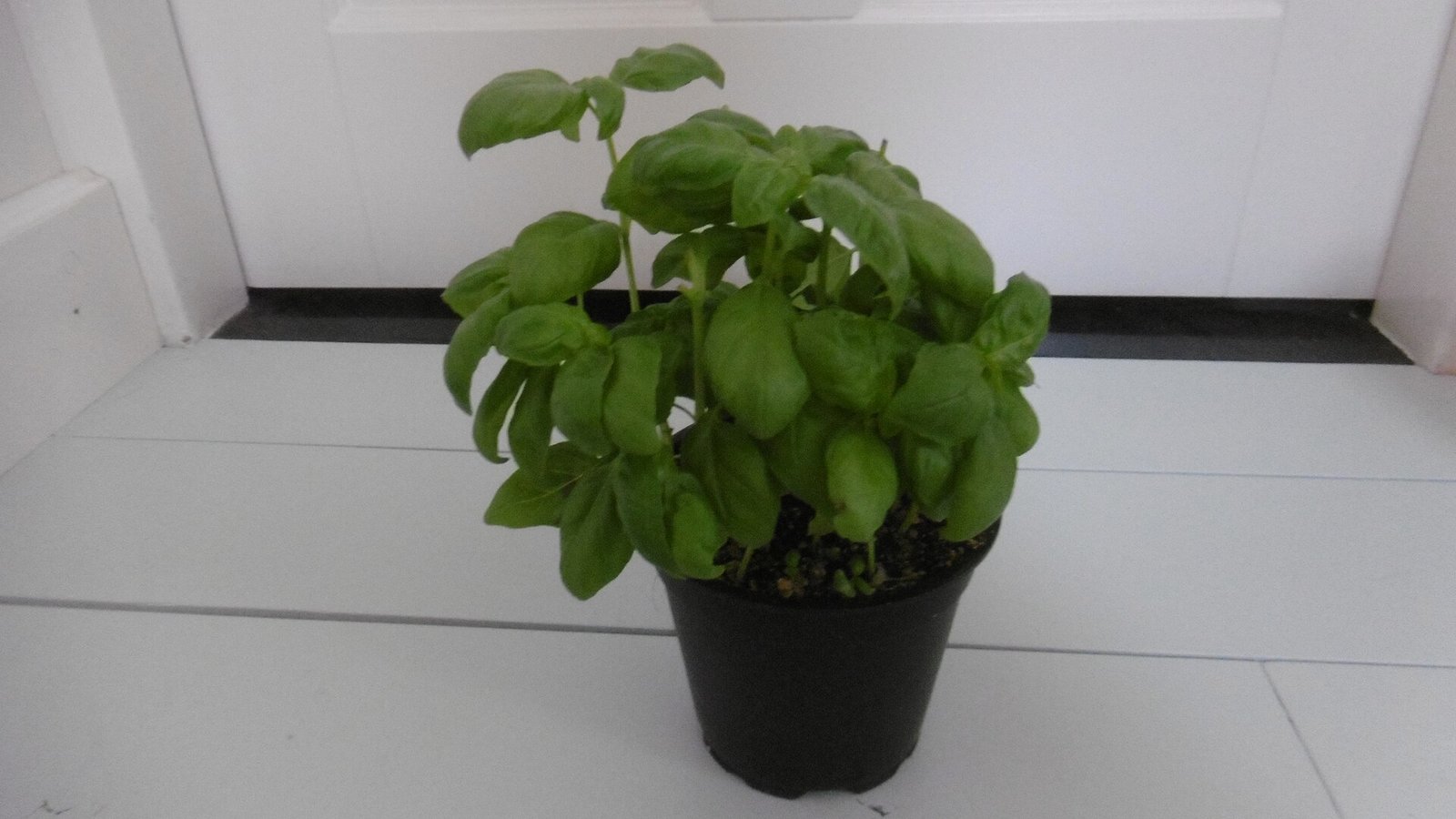
A potted basil plant can be a good backup, but supermarket pots need care to last. Give the plant bright, indirect light, water it when the top inch of soil feels dry, and harvest by pinching stems just above a pair of leaves. Pinching encourages bushy growth, while pulling single leaves from the bottom leaves the plant bare. Keep the pot away from cold windows and air vents, and bring outdoor basil inside well before the first frost. If your plant starts to struggle, the causes are often the same ones that spoil cut basil, including cold, too much water, and too little light. Our guide Basil Plant Dying: 7 Causes and Fixes That Work walks through the diagnosis step by step.
Using Stored Basil in Cooking
Fresh basil from the water jar is best added at the end of cooking, or used raw. Stir it into pasta off the heat, tear it over pizza as it comes out of the oven, or layer it in a salad just before serving. Long cooking dulls its aroma and turns the leaves dark, so keep the heat brief. Tear large leaves with your hands rather than chopping them finely, and add basil after salt and acid so you can taste and adjust.
Frozen basil is best added during cooking. Drop oil cubes into a simmering sauce, stir blanched leaves into soup, or melt a pesto cube into hot pasta. Do not try to use thawed frozen basil as a garnish. It will look dark and feel soft, even though the flavor is still good. Save your prettiest fresh leaves for the top of the dish, and let frozen basil do the heavy work underneath.
Conclusion
Now you know how to store fresh basil without turning black, and the answer is refreshingly simple. Keep basil warm, keep its stems in water, keep its leaves dry, and keep it away from the fridge unless you truly need the cold. Change the water every 2 days, sort the bunch when you check it, and freeze what you cannot use fresh while it is still at its best.
Try this plan with your next bunch. Put half in a water jar on the counter for the week, and freeze the other half in oil cubes or as pesto on the same day. You will have bright, fragrant basil for salads and pasta all week, and a freezer stash for the weeks when basil is pricey or out of season. That small habit turns basil from the herb you throw away into the herb you always have ready, and it saves money, time, and a lot of wasted flavor.
Frequently Asked Questions
Can you store basil in the fridge without it turning black?
Not reliably. Fridge temperatures below 50 degrees Fahrenheit cause chilling injury, so even wrapped basil often darkens within a few days. If you must use the fridge, wrap dry leaves in a damp paper towel, use a partly open bag, keep the package in the warmest spot, and use the basil within 3 to 5 days.
How long does basil last in water on the counter?
Most bunches last 7 to 14 days in a water jar on the counter when you change the water every 2 days and remove damaged leaves promptly. Freshness depends on how fresh the basil was when you bought it, the temperature of your kitchen, and how clean you keep the jar and water.
Can you freeze basil leaves without blanching?
Yes. Freezing leaves in olive oil in an ice cube tray works well without blanching, and the oil protects the color and flavor. Whole leaves frozen without oil or blanching will darken and clump, so use oil cubes or blanching for the best results in cooked dishes.
Why did my basil turn black overnight?
Sudden blackening overnight usually means cold damage from the fridge, or bruising from rough handling and tight packing. Cold below 50 degrees Fahrenheit damages leaf cells fast, and the dark patches often show by morning. Move any remaining green leaves to a water jar on the counter, and start the next bunch with the counter method.
Is basil with black spots safe to eat?
A few small black spots from cold or bruising on leaves that still smell fresh and feel firm are usually safe, but the flavor will be poor. Throw away basil that feels slimy, smells sour or musty, shows mold, or has widespread blackening. When in doubt, compost it and start with a fresh bunch.
