

The music is still playing, the plates are still on the table, and a guest reaches across the sofa for a napkin. The glass tips and red wine spreads across the cushion. Knowing how to remove red wine stain from sofa fabric in that moment matters, because the first five minutes decide whether the color lifts out cleanly or settles deep into the fibers.
You do not need to panic, and you do not need to rub the spot or pour cleaner over the whole cushion. You need calm hands, a clean white cloth, and a clear order of steps. Blot first, absorb second, treat third, and rinse last. This guide explains each step with amounts, times, and fabric warnings you can trust.
Why Red Wine Stains So Fast
Red wine stains fast because it is a mix of water, pigment, tannin, and acid. The pigment bonds quickly to natural fibers such as cotton and wool. Tannin helps the color hold on. Heat makes the bond stronger, so never use hot water or a hair dryer on a fresh stain.
Loose weaves and light colors show wine quickly, while tight weaves resist it longer. A removable cover gives you more options, because you can rinse it and work from the back. Act fast, blot gently, and match the cleaner to the care tag.
What to Do in the First Five Minutes
The first five minutes are about removal, not deep cleaning. Lift as much wine as possible before it dries. Do not scrub, and do not pour hot water on it. Work from the outside edge toward the center.
- Grab several clean white cloths or white paper towels. White is safest, as colored cloths can transfer dye.
- Press a cloth over the spill, lift straight up, then press again with a clean section until no color transfers.
- Cover the damp area generously with table salt or baking soda to draw wine out of the fibers.
- Leave the powder in place for 15 to 20 minutes while you check the care tag and gather supplies.
- Vacuum up the powder gently once it looks pink or damp. Do not rub it into the fabric.
- Blot once more with a cloth dampened with cold water to buy time for the right method below.
If guests are still in the room, do not worry about finishing at once. A good blot and a thick layer of salt will hold the stain while you clear the table. Speed with simple tools beats a delayed search for a special cleaner.
What You Need Before You Start
Gather your supplies before you mix anything. Keep a small bowl, a measuring spoon, and a spray bottle nearby, and keep pets and children away until the sofa is dry.
- Clean white cloths and white paper towels
- Table salt or baking soda for fresh spills
- Mild dish soap, clear and free of added color
- White vinegar
- Hydrogen peroxide at 3 percent strength, for light fabrics only, after a spot test
- Cold water in a bowl or spray bottle
- A soft brush or an old soft toothbrush
- A vacuum cleaner with an upholstery tool
Read the care tag before you choose a liquid. W means water based cleaners are safe, S means solvent based cleaners only, WS means either is safe, and X means vacuum only. If you cannot find a tag, treat the sofa as delicate and test first.
How to Identify Your Sofa Fabric Before You Clean
Fabric identification takes two minutes and prevents most cleaning damage. Start with the care tag, usually sewn under a cushion or along the base seam. Note the code and any warnings. If the tag is missing, test a hidden spot with a few drops of cold water.
Cotton blends feel soft, absorb water quickly, and usually accept mild soap and vinegar. Synthetics feel smooth and resist water longer. Microfiber feels dense and can show water marks. Leather feels cool and must never be soaked. Velvet and suede have a nap that water can mark.
The spot test is the most important step in this guide. Dampen a white cloth with your solution, press it on a hidden area, and wait 10 minutes. Check for color transfer, fading, or a water mark. If it looks unchanged after drying, the solution is likely safe. If you see any change, stop.
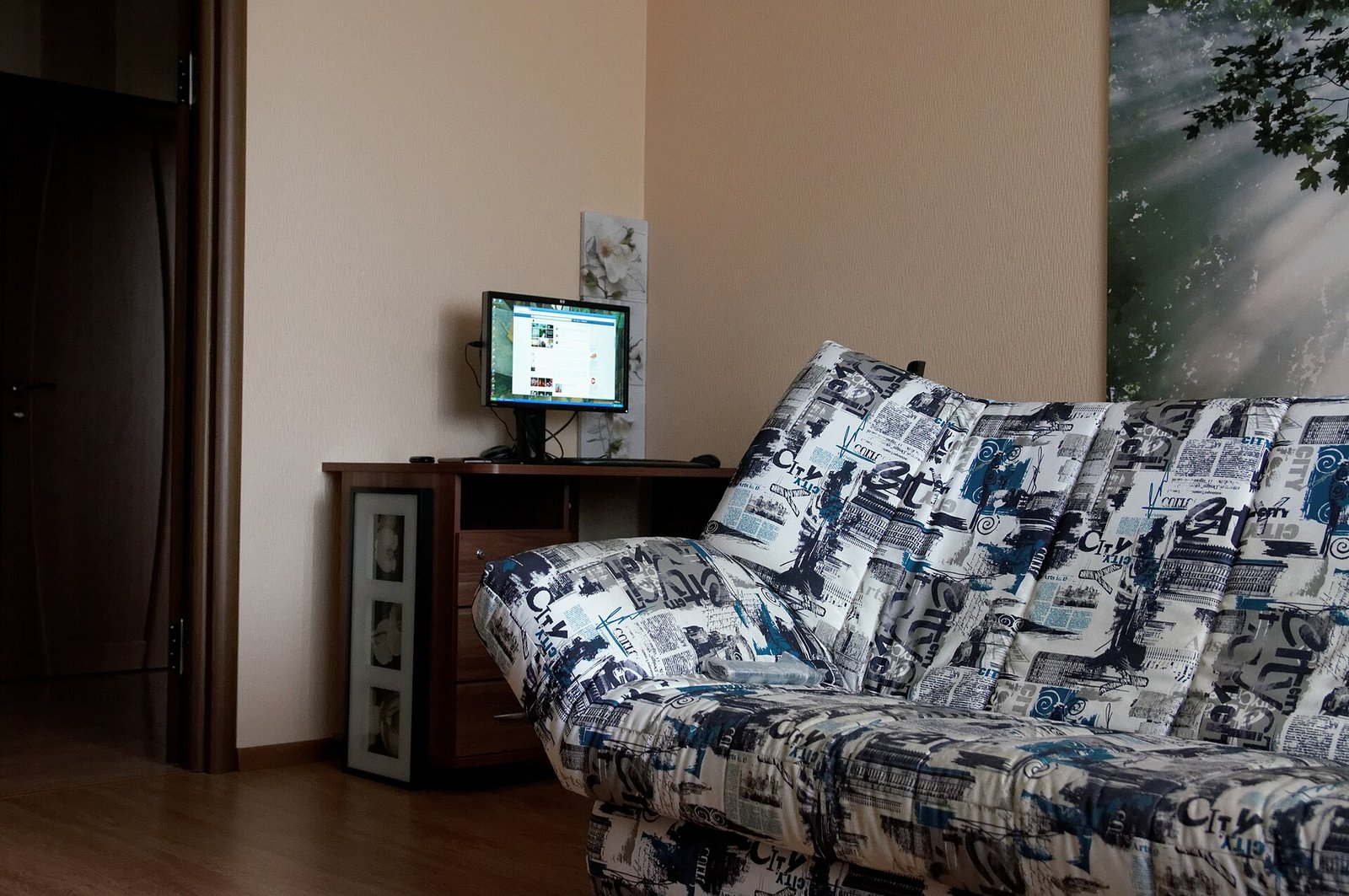
How to Remove Red Wine Stain from Sofa by Fabric Type
Match the method to the material. The same spill needs a different approach on cotton, microfiber, leather, and velvet, and the wrong liquid can set the stain or damage the surface. Work in small sections, use the least liquid that will do the job, and blot often to see whether the color is lifting.
Cotton, Linen, and Polyester Blends
These fabrics are the most forgiving. Mix 1 tablespoon of mild dish soap and 1 tablespoon of white vinegar into 2 cups of cold water. Dampen a white cloth, blot from the outside in, and rinse the cloth often. Repeat until color stops transferring, then blot with cold water alone and let it dry naturally.
Once the color is gone, press a dry towel over the area to lift moisture. For ongoing care, read our guide on how to clean a fabric sofa without a machine.
Microfiber
Microfiber needs a light touch and even moisture. Use the same soap and vinegar mix, but use less liquid and blot rather than rubbing. After cleaning, mist the whole cushion lightly if a water mark forms, blot evenly, and brush gently when dry.
Leather
Leather needs speed and very little liquid. Blot at once with a dry white cloth, then wipe with a cloth barely dampened with cold water and a tiny drop of mild soap. Do not soak it, do not use vinegar, alcohol, or hydrogen peroxide, and do not use a rough brush. Dry at once, and call a specialist if color remains.
Velvet and Suede
Velvet and suede are the highest risk fabrics in this guide. Blot gently, and absorb with salt or a dry cloth. Do not use water based cleaners on suede unless the care tag clearly allows it. For velvet, a barely damp cloth with mild soap may work if the tag allows water, but test first. Seek help for a large or dried stain.
Wool and Other Delicate Fabrics
Wool absorbs wine quickly and felts easily if rubbed or heated, so blot only and use cold water. Mix 1 teaspoon of mild dish soap in 2 cups of cold water, and blot gently. Rinse by blotting with cold water, press dry, and let it dry flat away from heat and sunlight. If the sofa is valuable or labeled dry clean only, call a professional.
Cleaning Methods That Work
Start with the gentlest method that fits your fabric, and move to a stronger method only if color remains after two attempts. Always spot test first, always blot, and rinse out soap at the end, because dried soap can attract dirt. Tannin is part of the story for both tea and wine, so patience and cold water matter.
Salt and Baking Soda Absorption
This is the best first method for a fresh spill. After blotting, cover the stain thickly with salt or baking soda and leave it for 20 to 30 minutes. Vacuum it up, check the color, and repeat if the stain is still wet. Move to a liquid method only when absorption stops lifting color.
Dish Soap and White Vinegar Solution
This is the main method for washable cotton, linen, polyester, and microfiber. Mix 1 tablespoon of mild dish soap and 1 tablespoon of white vinegar into 2 cups of cold water. Dampen a white cloth, blot, and turn the cloth to a clean area each time. Work for 10 to 15 minutes, then blot with plain cold water. Do not use it on leather or suede.
Baking Soda Paste for Stubborn Spots
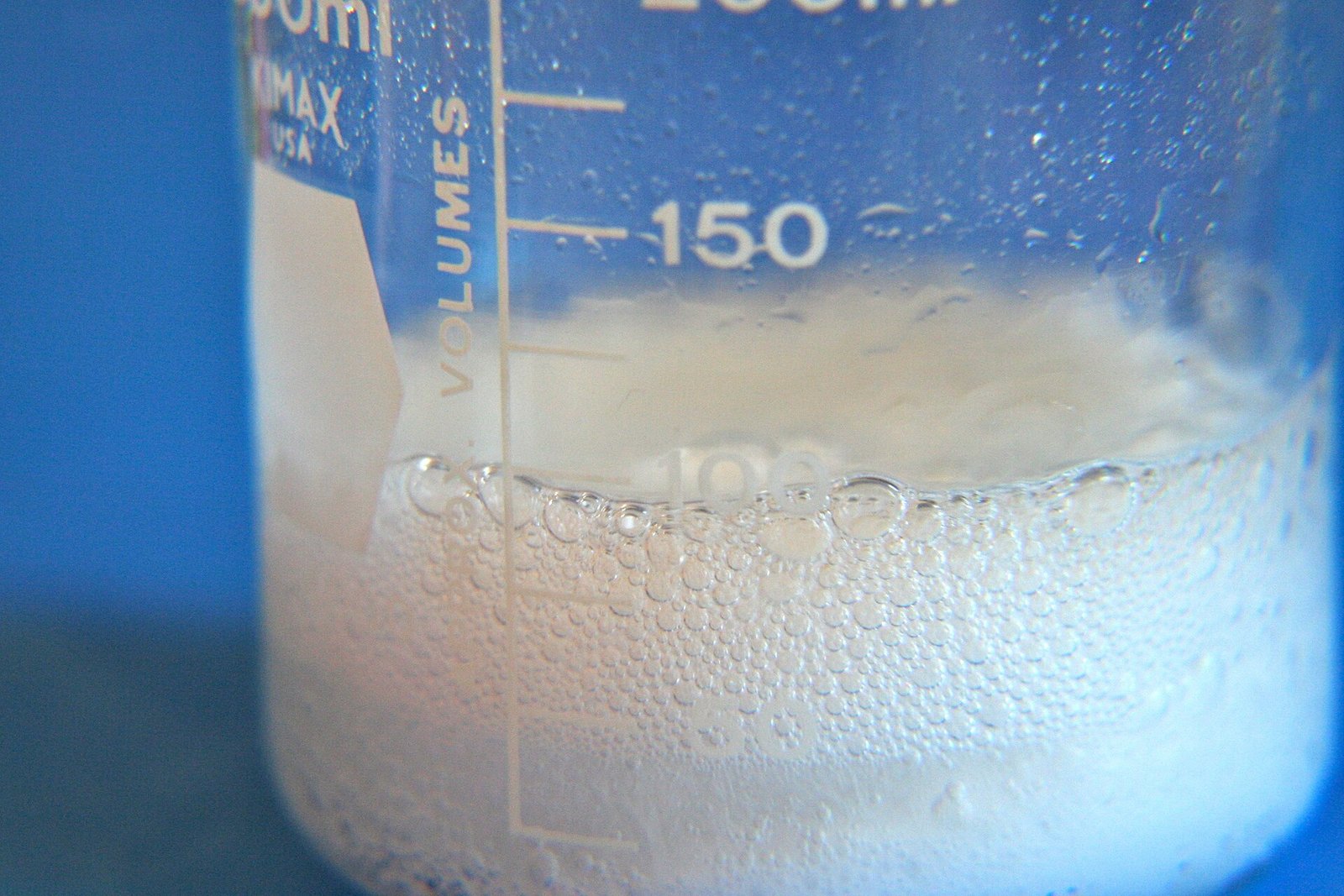
For a spot that remains after the soap solution, make a paste of 3 tablespoons of baking soda and 1 tablespoon of cold water. Spread a thin layer over the stain only, and leave it for 20 minutes. Brush it off gently, then blot with cold water. Repeat once if needed, and let it dry fully before you judge the result.
Hydrogen Peroxide and Dish Soap for Light Fabrics Only
Use this method only on light colored, washable fabric, and only after a spot test, because hydrogen peroxide can lighten some fabrics. Mix 1 tablespoon of hydrogen peroxide at 3 percent strength with 1 tablespoon of mild dish soap. Dab it on, leave it for 20 to 30 minutes, and blot with cold water. Never use it on dark fabric, wool, silk, leather, velvet, or suede, and never mix bleach with other cleaners.
Commercial Upholstery Stain Remover
A store bought upholstery cleaner can help when home mixes stall, but read the label for your fabric code first. Spray lightly onto a cloth, not directly onto the sofa. Blot, wait 5 to 10 minutes, and blot again with cold water. Test first, use a small amount, and stop if you see fading.
For a sense of how tannin stains behave beyond the living room, read our guide on how to remove tea stains from mugs. It shows why gentle, repeated treatment beats harsh scrubbing, and the same patience helps on sofa fabric too.
How to Remove a Dried Red Wine Stain
A dried stain needs more time, not more force. Rehydrate slowly and give the cleaner time to work. Vacuum first, then blot with cold water for 5 minutes. Do not use heat, because heat can lock the color in place.
Apply the dish soap and vinegar solution, and leave the area damp for 30 minutes. Blot, reapply, and blot again. For a stubborn stain on light fabric, follow with the hydrogen peroxide method after a spot test. Expect two or three rounds. If the stain is old, large, or on delicate fabric, call a professional.
What Not to Do With a Red Wine Stain
Avoiding common mistakes saves more sofas than any single cleaner. Scrubbing spreads the stain, hot water sets the color, and pouring cleaner straight onto the cushion soaks the padding. Colored towels can add dye, and bleach can strip color.
- Do not scrub or rub in circles, blot only.
- Do not use hot water, steam, or a hair dryer on a fresh stain.
- Do not mix bleach with vinegar, ammonia, or other cleaners.
- Do not soak leather, suede, velvet, or a vacuum only sofa.
- Do not judge the result while the fabric is wet, as colors look darker when damp.
Drying, Odor, and Restoring Texture
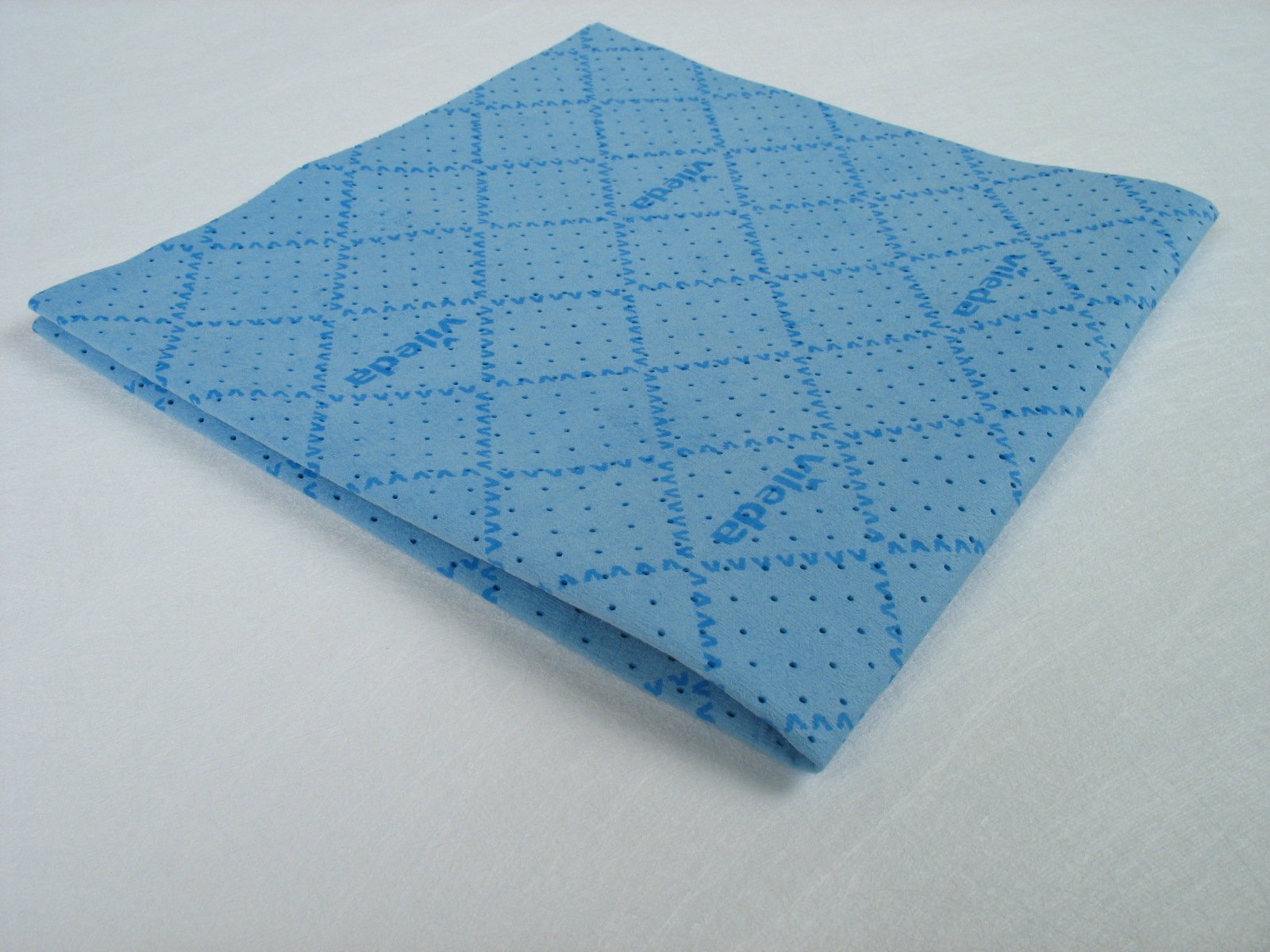
Good drying matters as much as good cleaning. Press dry towels over the area, then let the sofa dry naturally with good air flow. Open a window or run a fan nearby, but keep the sofa away from direct heat and strong sunlight. Do not sit on the damp cushion until it is fully dry.
If odor remains after drying, sprinkle baking soda over the dry area, leave it for 2 to 4 hours or overnight, and vacuum it up. Brush microfiber and velvet gently once dry. If a water mark ring remains, dampen the whole cushion panel evenly and blot evenly, so it dries at one rate and the ring fades.
When to Call a Professional
Call a professional when the sofa is valuable, antique, or made from silk, wool, velvet, suede, or leather, or when the tag says dry clean only or vacuum only. Call also when a stain is large, old, or still visible after two home attempts, or when the padding feels soaked. Tell the cleaner what spilled and what you used.
While you wait, blot and absorb as described above. Do not keep adding cleaners, because layers of product can complicate treatment. Note the fabric code and products you used.
Conclusion and Key Takeaways
Learning how to remove red wine stain from sofa fabric comes down to speed, fabric knowledge, and patience. Blot at once, absorb with salt, spot test, and match the cleaner to the care tag. Never use heat on a fresh stain, never mix bleach with other cleaners, and never soak leather, suede, or velvet.
Keep three takeaways in mind. First, the first five minutes matter most, so keep white cloths and salt close at hand. Second, the right method depends on fabric, not cleaner strength. Third, dried stains can improve with patience, but delicate sofas deserve a professional. Act calmly and work in small steps.
Frequently Asked Questions
Does salt really work on a red wine stain?
Yes, salt works well on a fresh stain because it draws liquid and pigment out as it sits. Cover the spill thickly, leave it for 15 to 20 minutes, and vacuum it up. Follow with a soap solution if a faint mark remains.
Can vinegar damage sofa fabric?
White vinegar in a diluted mix is safe for most washable cotton, linen, polyester, and microfiber, but it can harm leather and suede. Always spot test first, use only 1 tablespoon in 2 cups of water, and rinse well.
How do I treat a dried red wine stain?
Rehydrate slowly with cold water, then apply the dish soap and vinegar solution and leave it damp for 30 minutes. Blot, reapply, and repeat for two or three rounds. Do not use heat, and use hydrogen peroxide only on light fabric after a spot test.
Is hydrogen peroxide safe for sofas?
Hydrogen peroxide at 3 percent strength can help on light colored washable fabric, but it can lighten dyes and damage wool, silk, leather, velvet, and suede. Test in a hidden area, wait 10 minutes, and check for fading. Never mix it with bleach, and stop at once if you see a color change.
What should I do if red wine spills on a leather sofa?
Blot at once with a dry white cloth, then wipe gently with a cloth barely dampened with cold water and a tiny drop of mild soap. Do not soak the leather, and do not use vinegar, alcohol, or hydrogen peroxide. Dry at once, apply conditioner when fully dry, and call a specialist if color remains.
