
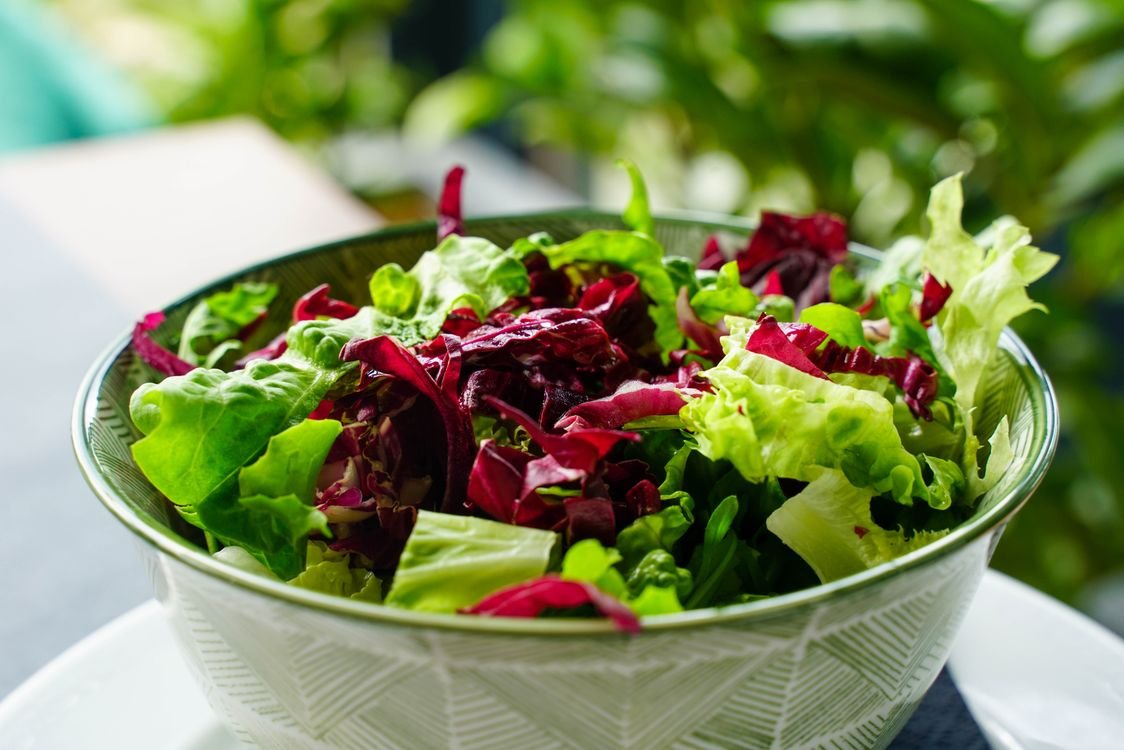
Every Sunday I used to buy a big box of salad greens with the best intentions. By Wednesday the leaves at the bottom were wet, dark, and sad. By Thursday the whole box smelled faintly sour, and I threw it away feeling guilty about the money and the food waste. If that cycle sounds familiar, you are not a bad cook. You are probably storing salad the way most of us were taught, sealed tight in a bag, and that method works against fresh greens.
Learning how to keep salad fresh in fridge without plastic bags changed my week completely. The greens I buy on Sunday now stay crisp through Friday, and often into the weekend. I did not buy fancy equipment. I did not start washing leaves in complicated baths. I simply changed how I handle moisture, air, and temperature. This guide walks you through that same simple method, step by step, so you can stop throwing salad away midweek.
The story here is not about perfection. It is about a home cook who got tired of waste and found a plastic free routine that actually fits real life. You will learn why salad goes slimy, why sealing it tight makes the problem worse, how to store it in a glass container with paper towels, which greens last longest, and what to do when leaves start to wilt. By the end, you will have a routine that takes about ten minutes after shopping and saves you money all week.
Why Salad Goes Slimy So Fast
Fresh greens are mostly water, and they keep breathing after harvest. That breathing releases moisture. When that moisture has nowhere to go, it sits on the leaf surface. Wet leaves break down quickly. Bacteria love that damp environment, and the result is the slimy texture and sour smell we all recognize.
Plastic bags trap that moisture. A sealed bag might look protective, but inside it the humidity climbs, condensation forms, and leaves stay wet. Even bags marketed as produce bags often hold too much moisture for delicate greens. The leaves at the bottom suffer first because water pools there, and one damaged leaf can speed up decay in the leaves touching it.
Temperature matters too. Your fridge should stay below 40 degrees Fahrenheit to slow bacterial growth and keep produce safe. A fridge that runs warm will shorten salad life no matter how well you store it. The crisper drawer helps because it holds a steadier temperature and a little more humidity than the open shelves, but it cannot rescue leaves that are already soaking wet.
Moisture Control Beats Sealing Every Time
The single most important idea in salad storage is moisture control. You want leaves dry on the surface but not dried out completely. That balance sounds tricky, but it is easy once you understand it. Dry the leaves well, give them something absorbent to rest against, and let a little air circulate. That combination keeps leaves crisp without letting them wilt from dryness.
Sealing, by contrast, tries to solve the wrong problem. People seal salad to keep air out, assuming air causes wilting. In reality, trapped moisture causes slime far faster than gentle air causes wilting. A container with a lid that is not clamped airtight, or a lid placed loosely, gives leaves breathing room while the towel manages moisture. You get crisp leaves instead of a wet pile.
This principle applies to other produce too. Herbs suffer from the same wet leaf problem, which is why the same dry towel approach helps them last longer. If you want a deeper look at herbs specifically, see this guide on how to keep fresh herbs fresh longer in the fridge. The lesson is consistent across the fridge: manage moisture first, and freshness follows.
How to Keep Salad Fresh in Fridge Without Plastic Bags Step by Step
Here is the method I use every week. It takes about ten minutes, and most of that time is washing and drying. Once you do it twice, it becomes automatic, like putting groceries away in the right cupboards.
What You Need
- A large glass container with a lid, big enough that leaves are not packed tight
- Clean paper towels, plain and unscented
- A salad spinner if you have one, or clean kitchen towels for drying
- A colander for washing
- A dry spot in the crisper drawer
Glass works well because it does not absorb odors, it is easy to see through, and it keeps a steady cool temperature. A clear container also helps you spot a damp towel that needs changing before it becomes a problem. If you only have one large container, use it for the most delicate greens first, and store sturdier greens separately.
Step 1: Sort Before You Wash
Open the greens and pick out any leaves that are already slimy, dark, or broken. Those leaves will spoil the rest if you leave them in. This quick sort takes less than a minute and makes a real difference. Keep the healthy leaves and discard the damaged ones without guilt. You are saving the rest of the batch.
Step 2: Wash Gently in Cool Water
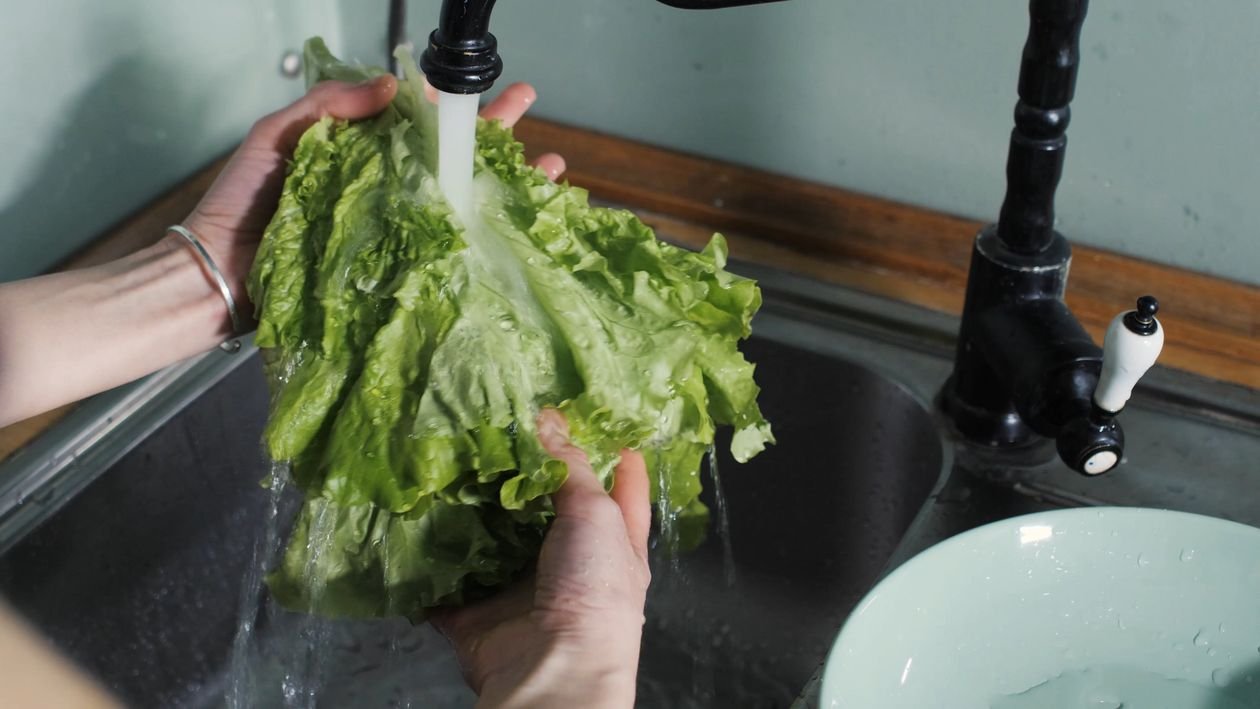
Fill a large bowl or clean sink with cool water and swish the leaves gently. Let dirt and grit sink to the bottom, then lift the leaves out rather than pouring the water over them. Pouring dirty water back over clean leaves defeats the purpose. If the water looks very dirty, repeat with fresh cool water once more.
Do not use hot water, and do not soak leaves for a long time. A gentle wash is enough. Long soaking waterlogs leaves and makes them harder to dry. Your goal is clean leaves that are ready to dry, not leaves that have absorbed extra water.
Step 3: Dry Thoroughly
Drying is the step most people rush, and it is the step that matters most. A salad spinner is ideal because it removes water without bruising leaves. Spin in short bursts, empty the water, and spin again until leaves feel dry to the touch. If you do not have a spinner, lay leaves in a single layer on clean kitchen towels, place another towel on top, and press very gently.
Leaves should feel dry, not damp, before they go into the container. If you are unsure, give them five more minutes spread out on a towel while you put other groceries away. That extra drying time pays off all week in crisp texture.
Step 4: Line the Container With Paper Towels
Place a dry paper towel in the bottom of the glass container. Add a loose layer of salad leaves, not packed down. Place another paper towel on top of that layer, then add more leaves if needed. Finish with a paper towel on top. The towels absorb moisture from above and below, so leaves stay dry on every side. This layering is the core of how to keep salad fresh in fridge without plastic bags.
Do not press leaves down to fit more in. Air space is part of the method. A container that is about three quarters full works better than one stuffed to the brim. If you have a lot of salad, use two containers rather than crushing one batch.
Step 5: Lid On, But Not Sealed Tight
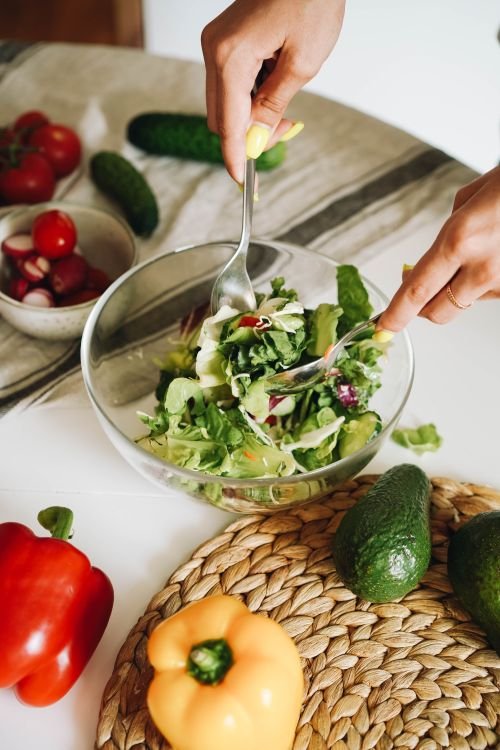
Place the lid on the container, but do not clamp it down with force if your lid allows a looser fit. Some glass containers have snap lids that seal firmly, and those are fine too, because the paper towels manage moisture inside. The key is that you are not relying on the seal alone. The towels are doing the moisture work, and the lid mainly protects leaves from fridge odors and from drying out.
Step 6: Store in the Crisper Drawer
Place the container in the crisper drawer, where temperature stays steadier and humidity is slightly higher than on open shelves. Keep the fridge below 40 degrees Fahrenheit, and avoid storing salad near the back wall where it might freeze. Frozen leaves turn black and mushy when they thaw, so a spot in the middle of the drawer is safest.
Keep salad away from fruits that release a lot of ethylene gas as they ripen, such as apples and bananas stored nearby in the fridge. Ethylene speeds up aging in leafy greens. A little distance in the fridge helps greens stay fresh longer. For a related example of how ripening fruit affects storage, read about how to keep bananas fresh longer and why separation matters.
Step 7: Check and Change the Towel
Every two to three days, open the container and check the top paper towel. If it feels damp, replace it with a dry one. This takes thirty seconds and extends salad life by days. Also remove any leaf that has started to turn. One bad leaf left in the container can affect its neighbors, so a quick check protects the whole batch.
Do not wash the whole batch again midweek. Rewashing adds moisture back and bruises leaves that are already a few days old. Just swap the towel, remove any tired leaves, and close the lid again. Your salad is ready to use straight from the container.
Which Greens Last Longest
Not all greens age at the same pace, and knowing the difference helps you plan meals. Sturdy greens generally outlast delicate ones, so use delicate leaves early in the week and save sturdy leaves for later meals. That simple ordering reduces waste without any extra effort.
Romaine hearts are among the longest lasting salad greens. Their thick ribs and firm leaves resist wilting, and a properly stored batch often stays crisp for 7 to 10 days. Baby spinach is more delicate and usually lasts 5 to 7 days with good storage. Spring mix falls in the middle, often lasting 5 to 7 days if you remove damaged leaves early.
Butter lettuce and other soft leaf lettuces are the most fragile. They taste wonderful, but they wilt faster than romaine or kale. Plan to eat butter lettuce within 3 to 5 days for the best texture. Arugula has a peppery bite and a medium lifespan, usually 4 to 6 days, though its thin leaves bruise easily so handle it gently.
Kale and other hearty greens last longest of all, often 10 to 14 days when stored dry in a container. Kale is not a classic salad leaf for everyone, but massaged kale salads hold up beautifully, and kale also works in cooked dishes later in the week. If you want one green that forgives a busy schedule, kale is a strong choice.
What to Do When Leaves Start to Wilt
Wilting does not always mean the salad is finished. Leaves that are limp but still green and fresh smelling can often be revived. Fill a bowl with very cold water, add a few ice cubes, and soak the leaves for 15 to 30 minutes. The cold water helps cells refill and leaves often perk up noticeably. Dry them well after soaking, then use them the same day for the best result.
This revival trick works best for romaine, butter lettuce, and other firm leaf lettuces. It works less well for baby spinach that has already turned slimy or dark. If leaves smell sour, feel slimy, or have dark spots that do not rinse away, discard them. No revival method makes spoiled leaves safe or pleasant to eat.
Another smart move is to change how you use tired greens. Leaves that are slightly wilted but still fresh smelling work well in cooked dishes, smoothies, soups, and grain bowls where crisp texture matters less. A handful of spinach that is too soft for a salad can still shine blended into a smoothie or wilted into pasta. Using greens in a new way is better than throwing them away.
Common Mistakes That Shorten Salad Life
One common mistake is washing salad only when you need it, but storing the rest wet. Unwashed greens from the store often carry field moisture and dirt, and that moisture speeds decay. Washing and drying the whole batch at once, then storing it dry, gives you ready to use leaves all week and a longer lifespan overall.
Another mistake is storing salad in the door of the fridge. The door is the warmest part of the fridge because temperature swings every time you open it. Greens stored there wilt faster. The crisper drawer or a middle shelf is a much better home for salad, with steadier cold air around the container.
Packing leaves too tightly is also a problem. Crushed leaves bruise, release juices, and decay faster. Give leaves room. If your container is overfull, split the batch. A second container costs a little shelf space but saves a whole batch of salad.
Finally, avoid storing salad next to strong smelling foods without a lid. Onions, garlic, and leftovers with strong sauces can transfer odors to delicate leaves. A lid protects flavor, even if the lid is not sealed with force. Your salad should taste like salad, not like last night’s dinner.
Setting Up Your Fridge for Salad Success
A few fridge habits make the whole method easier. Keep the crisper drawer clean and dry, and wipe up any spills promptly. A clean drawer prevents mold and odors from affecting fresh produce. Place salad containers where you can see them, not buried behind leftovers. Visible salad gets eaten, and hidden salad gets forgotten until it is too late.
Check your fridge temperature with a simple fridge thermometer if you are unsure. The safe zone is below 40 degrees Fahrenheit. Many fridges have a dial rather than a digital display, and a thermometer removes the guesswork. A fridge that is too warm affects everything inside, not just salad, so this check is worth doing for food safety in general.
Plan your meals around your greens. Eat the most delicate leaves first, in the first two to three days, and save romaine, kale, and sturdy mixes for later in the week. This ordering means you enjoy each green at its best, and you rarely face a container of sad leaves on Friday. Meal planning and storage work together, and both reduce waste.
Plastic Free Storage Beyond Salad
Once the container method works for salad, it is natural to extend it. Glass containers, paper towels, and clean kitchen towels replace a surprising amount of single use plastic in the fridge. Leftovers, cut vegetables, and herbs all benefit from dry, visible, lidded storage. The fridge becomes easier to navigate, and you use fewer bags without thinking about it.
Glass containers also make meal prep simpler. When salad is already washed, dried, and stored in a clear container, building lunch takes minutes. You are more likely to eat salad when it is ready to grab, and less likely to reach for a less healthy option out of convenience. Good storage is not just about freshness. It is about making healthy eating easy on busy days.
Frequently Asked Questions
How long does salad last in the fridge without plastic bags?
With the container plus paper towel method, most salad greens last 5 to 7 days, romaine often lasts 7 to 10 days, and kale can last 10 to 14 days. Check the towel every two to three days and remove any damaged leaves to reach the longer end of those ranges.
Do I need to wash salad before storing it?
Yes, washing and drying the whole batch at once works best. Clean, fully dry leaves stored with paper towels last longer than unwashed leaves left damp in a bag, and they are ready to use straight from the container all week.
Can I use a container without a lid?
Yes, cover the container with a clean kitchen towel secured with a rubber band. The towel protects leaves from odors while allowing a little air movement, and it works well for salad you plan to eat within a few days.
Why does my salad still go slimy in a container?
The usual cause is leaves that were not dried well enough before storage, or a damp towel that was never changed. Dry leaves thoroughly, use fresh towels top and bottom, and swap a damp towel every two to three days.
Is wilted salad safe to eat after an ice water soak?
Leaves that are limp but still green and fresh smelling are usually fine after a cold water soak and thorough drying, and should be eaten the same day. Discard leaves that smell sour, feel slimy, or have dark spots.
Conclusion
Fresh salad all week does not require special products or complicated steps. It requires dry leaves, a paper towel buffer, a glass container with room to breathe, and a fridge kept below 40 degrees Fahrenheit. That simple combination beats a sealed plastic bag because it solves the real problem, which is trapped moisture, not lack of sealing.
Start with one container this week. Wash and dry your greens, layer them with paper towels, store them in the crisper drawer, and check the towel in a couple of days. You will see the difference by midweek, when your salad is still crisp instead of slimy. Once you trust the routine, it becomes the easiest part of your shopping week.
Learning how to keep salad fresh in fridge without plastic bags is really about respecting the greens you buy. Give them dry storage, gentle handling, and a little attention midweek, and they will reward you with crisp salads, less waste, and money saved. That is a small kitchen change with a payoff you can taste every single day.
