
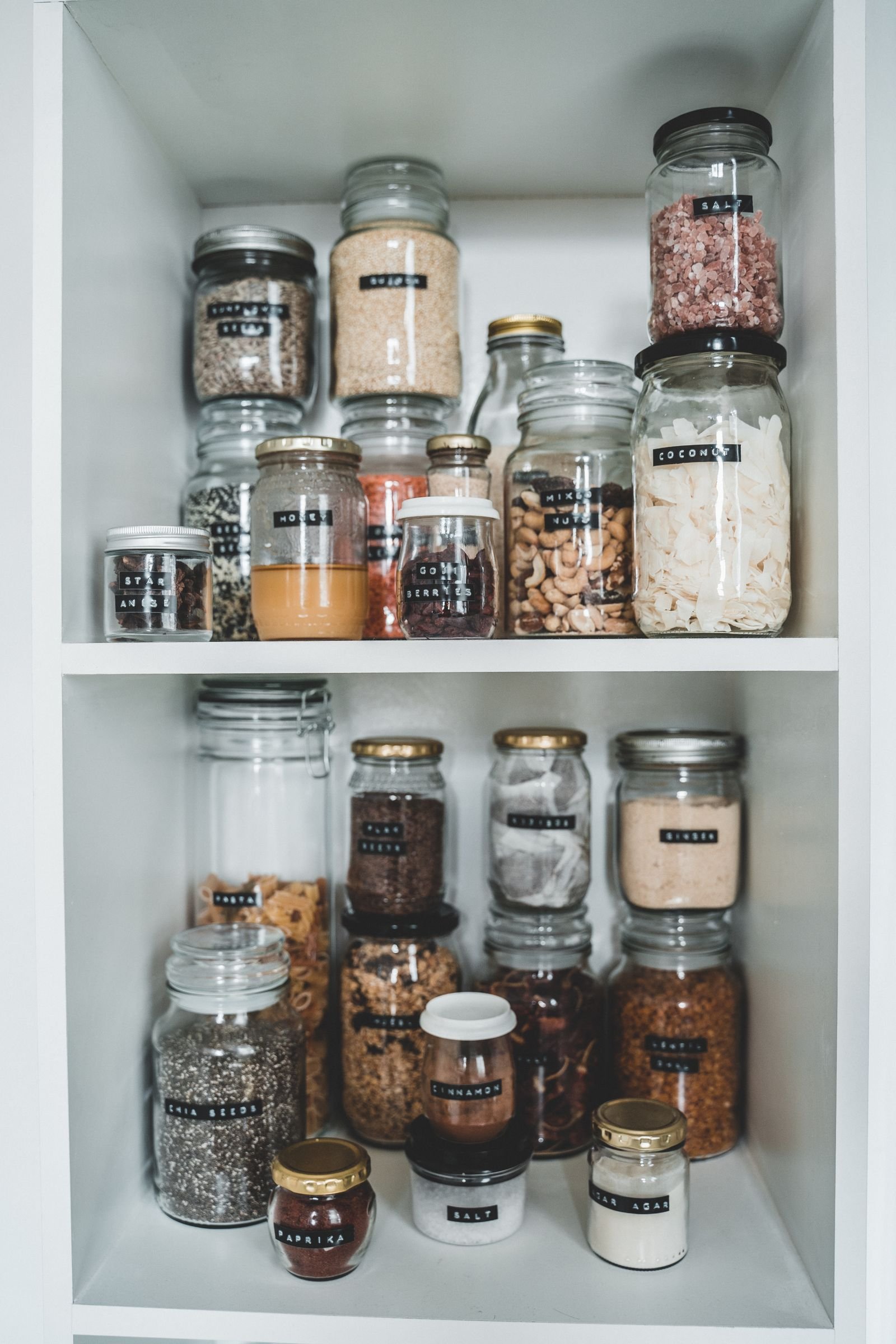
It started with a can of tomatoes. I reached for it on a Saturday morning, and three other cans rolled forward, a bag of rice tipped over, and a spice jar I had been looking for all week turned up behind the pasta. My pantry was not large, but it felt impossible. Everything I owned was in there, yet I could never find what I needed when I needed it.
If that scene feels familiar, here is the good news. You do not need a shopping trip, a matching set of bins, or a full weekend to fix it. Learning how to organize a small pantry without buying containers is mostly about removing what does not belong, grouping what does, and giving every group a clear home using things you already own. Set aside about an hour, put on some music, and follow the reset below. By the end of it, your shelves will look calmer, cooking will feel easier, and you will stop buying duplicates of food you already have.
Start With an Empty Shelf and a Timer
The fastest way to organize a small pantry is to take everything out first. Yes, everything. Pull each shelf out one at a time so your kitchen does not turn into a disaster zone, and place the contents on the counter or table in rough groups as you go. This step alone usually reveals the real problem. Most small pantries are not short on space. They are crowded with expired food, half empty boxes, and items nobody in the house actually eats.
Give yourself a timer of about an hour for the whole job. A deadline keeps you from reorganizing the same shelf five times. Work shelf by shelf, top to bottom. Wipe each shelf as you empty it, because crumbs and sticky rings make even a tidy shelf look messy. Check dates as you go. Toss anything expired, stale, or unidentifiable. Put food you will not eat into a bag for donation if it is still sealed and in date. What is left is the true size of your pantry, and it is almost always smaller than you feared.
Sort Everything Into Four Simple Groups
Once everything is out, sort it into four groups. Keep this step simple, because fancy sorting systems are the first thing to fall apart in a busy kitchen.
- Daily staples: rice, pasta, oats, cooking oil, salt, and the foods you reach for several times a week.
- Weekly cooking: canned tomatoes, beans, sauces, spices, and baking supplies you use regularly but not every day.
- Snacks and breakfast: cereal, crackers, nuts, dried fruit, tea, and coffee.
- Occasional extras: holiday baking supplies, specialty sauces, and anything you use once a month or less.
Daily staples earn the easiest spot, right at eye level or near the front of the shelf you open most. Occasional extras go up high or at the back. This one decision does more for your pantry than any container ever will, because it matches the layout to the way you actually cook.
How to Organize a Small Pantry Without Buying Containers Using What You Already Own
Here is the heart of the method. Before you buy a single bin, look around your kitchen with fresh eyes. You almost certainly own everything you need already.
Glass Jars and Bottles You Already Have
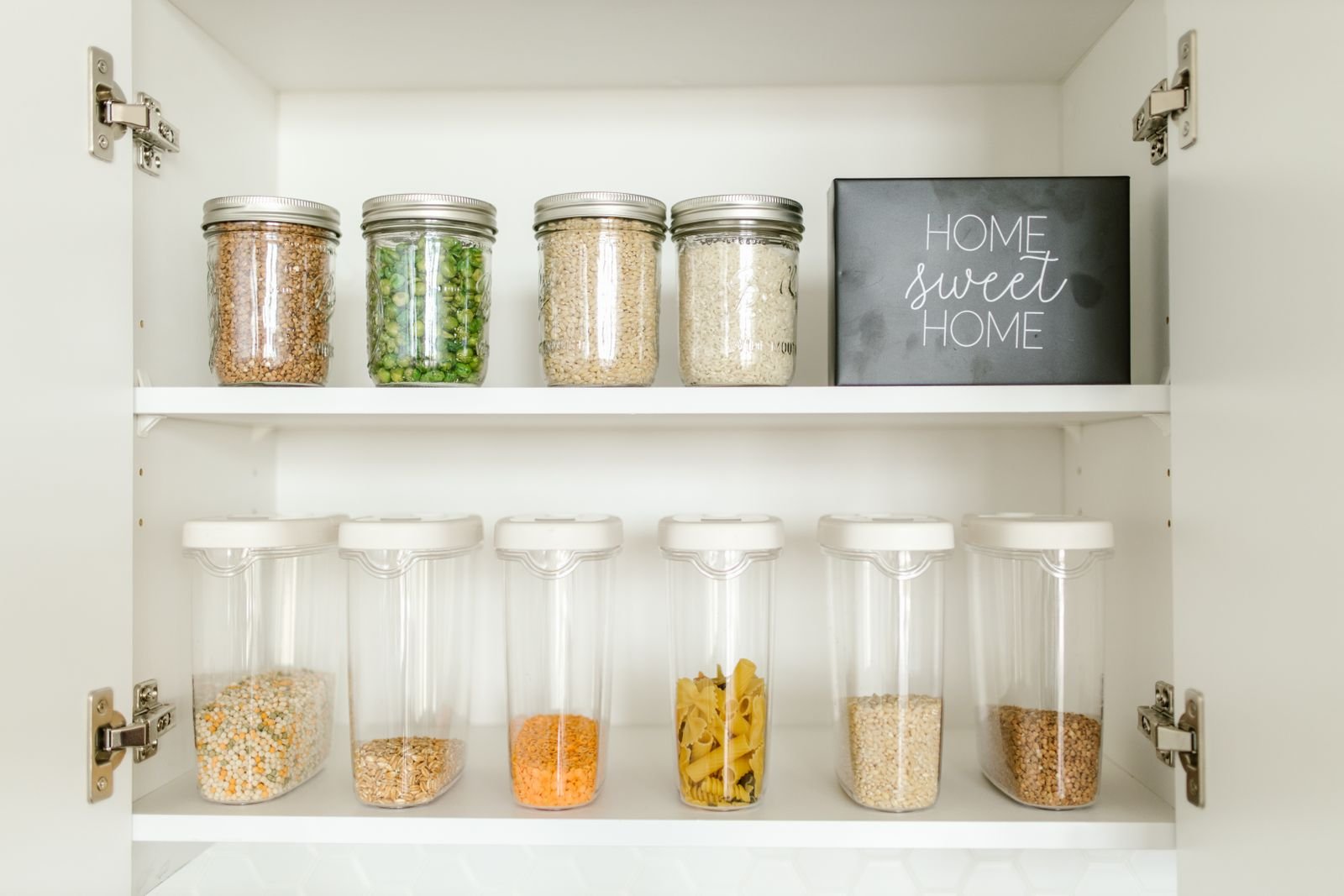
Empty pasta sauce jars, jam jars, and pickle jars are the best free pantry storage there is. Wash them well, dry them fully, and use them for rice, lentils, oats, flour, sugar, and spices. Clear glass has a huge advantage: you can see at a glance what is inside and how much is left, so you stop opening five bags to find the one you want. One jar, one food, and a simple paper label taped to the front is all it takes. Keep jar sizes consistent on each shelf where you can, because matching heights look tidier and stack more safely.
Boxes, Bags, and Baskets From Around the House
A sturdy cereal box with the top cut off becomes a perfect holder for packets of soup, sauce mixes, and seasoning sachets standing upright. A small cardboard box can corral snack bars so they stop sliding across the shelf. A clean tote bag or a cloth shopping bag hung on a hook inside the pantry door holds onions or potatoes in the dark, and it costs nothing. Even a shoebox lined with paper can group baking supplies together. The rule is simple: if it holds things upright and you can pull it out like a drawer, it works.
Use the Door and the Walls
Small pantries hide their best storage space in plain sight. The inside of the pantry door can hold a row of hooks for measuring cups, a small bag of clips, or a hanging shoe organizer with clear pockets for spice packets and small snacks. A few adhesive hooks on the side wall can hold a pair of scissors or a small basket for garlic. None of this requires drilling or spending, and it frees up shelf space for the bulky items that truly need it.
Make Cans and Packets Easy to See
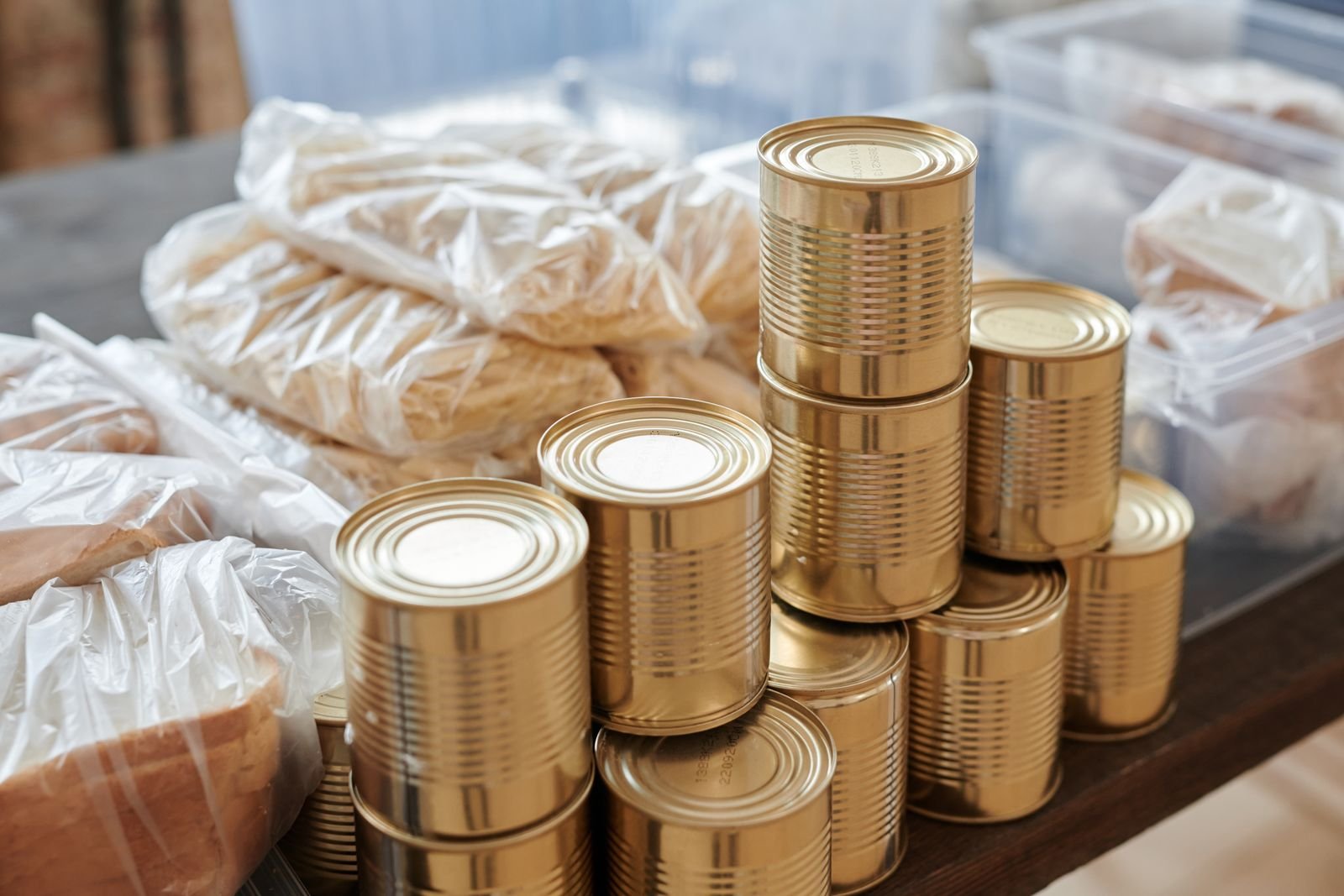
Cans are the classic small pantry problem. They roll, they hide, and they stack into towers that collapse at the worst moment. Line cans up in a single row with labels facing out, tallest at the back, and never stack them more than two high. If you have a shallow box or a baking tray, stand the cans in it so you can slide the whole row out to reach the one at the back. This turns a deep shelf from a cave into a drawer.
Packets need the same treatment. Stand them upright in a cut down box, grouped by type, with the most used at the front. Fold the tops of open bags down and clip them shut with a clothespin or a binder clip from your desk drawer. Open bags are the main reason pantries look messy, and a clip fixes the problem in two seconds.
Set Up Zones That Match How You Cook
Zones are what keep a pantry organized after the first week. Instead of arranging food by size or color, arrange it by meal and task. A breakfast zone holds oats, cereal, honey, tea, and coffee together. A cooking zone holds oil, salt, spices, canned tomatoes, and pasta. A baking zone holds flour, sugar, and baking powder. When you cook, you grab from one zone instead of hunting across three shelves.
Put the breakfast zone where you reach first in the morning, and the cooking zone near the stove side of the pantry if your layout allows it. Keep potatoes in a dark, airy spot away from onions, because stored together they spoil each other faster. If you want the full detail on that, read our guide on how to keep potatoes from sprouting before you pick their new home. The same zone thinking works for bread and breakfast supplies, and our tips on how to keep bread fresh for longer will help you store the morning loaf where it stays soft instead of going stale in a crowded cupboard.
Label Everything in Plain Words
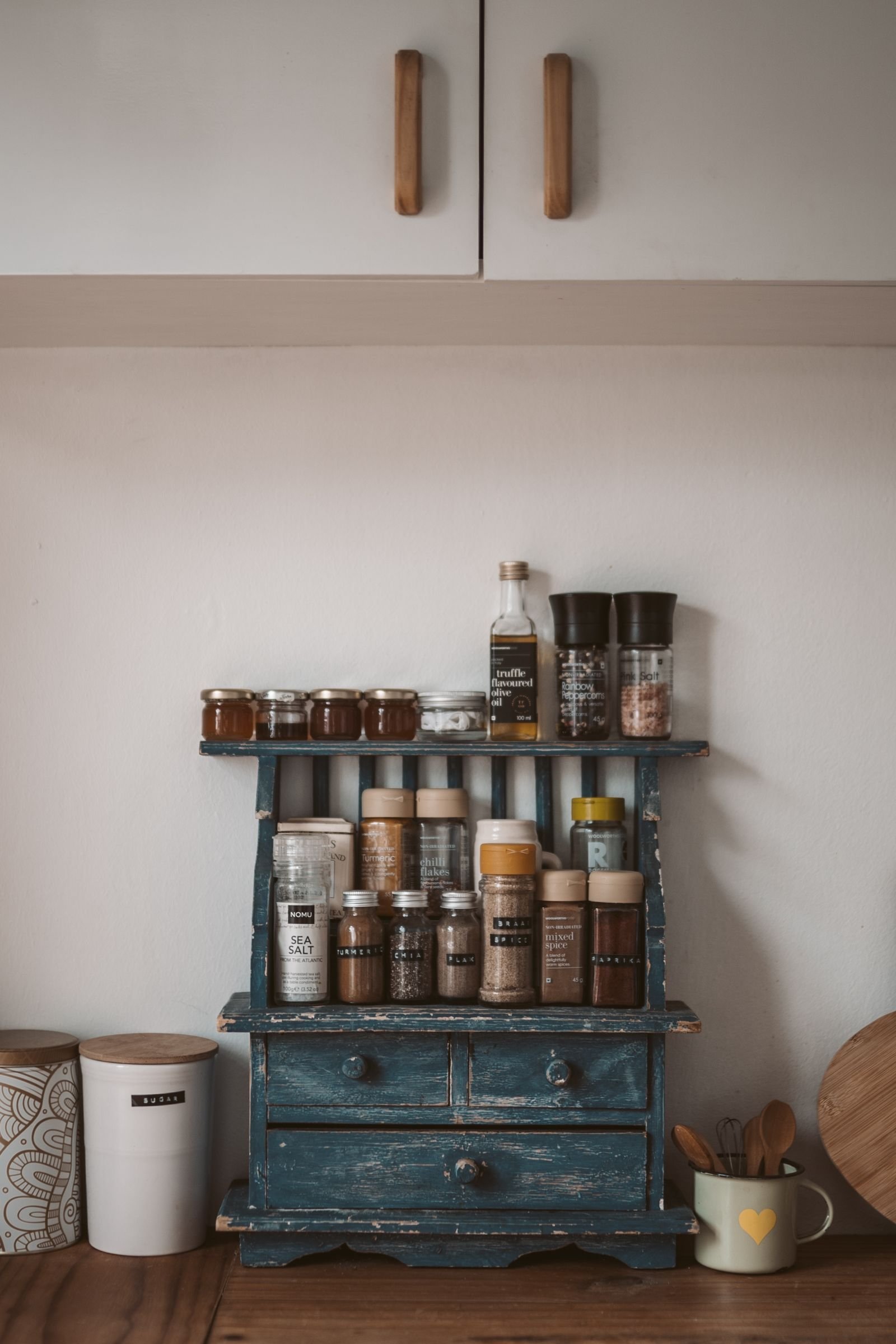
Labels are the cheapest organizing tool in your house. A strip of masking tape and a pen will do. Write the food name and the date you opened it, in words anyone in the house will understand. “Pancake mix, opened March” beats a clever code nobody remembers. Label the shelf zones too if you share the kitchen, so everyone puts things back in the right place. A pantry stays organized only when the whole household can use the system without thinking.
Keep It Working With a Five Minute Weekly Reset
A pantry reset only sticks if it has a tiny bit of upkeep. Once a week, when you unpack groceries, spend five minutes on three jobs. First, put new items behind older ones so the oldest food gets used first. Second, toss anything empty or stale on the spot. Third, return anything that drifted to the wrong zone. That is it. Five minutes a week beats another full hour of sorting every few months.
While you are there, wipe up spills right away and wash any jar that looks cloudy before you refill it. Wooden spoons and other kitchen tools deserve the same gentle care, and our advice on how to keep wooden spoons from cracking after washing applies to the same habit: dry things properly, store them with air around them, and they last far longer. Small habits like these are what separate a pantry that stays tidy from one that slides back into chaos.
Mistakes That Make a Small Pantry Feel Smaller
Avoid these common traps. Do not keep food you dislike out of guilt. If nobody eats it, it is taking up space that your daily staples need. Do not decant everything into matching jars on day one. Decanting takes time, and half filled jars waste shelf height. Start with the foods you use most, and leave the rest in their original packaging until they earn a jar. Do not buy bulk sizes that your shelves cannot hold. A bargain bag of rice that lives on the floor is not a bargain. Finally, do not organize once and forget it. Pantries change with seasons, diets, and new recipes, so revisit your zones every few months and adjust.
Conclusion: A Calmer Pantry in About an Hour
Learning how to organize a small pantry without buying containers comes down to a few simple moves. Empty the shelves and remove what is expired or unwanted. Sort what is left into daily, weekly, snack, and occasional groups. Store food in jars, boxes, and bags you already own. Give each group a zone that matches how you cook, label everything in plain words, and keep it going with a five minute weekly reset. No new purchases, no perfect matching sets, and no weekend long project required.
The reward is practical and immediate. You will find ingredients faster, waste less food, stop buying duplicates, and actually enjoy opening the pantry door. Set your timer, start with the top shelf, and let the pantry you already have work harder for you.
Frequently Asked Questions
Can I really organize a small pantry without buying any containers?
Yes. Glass jars from pasta sauce and jam, cut down cereal boxes, tote bags, and clothespins cover nearly every storage job. The system matters more than the container, and free holders work just as well as shop bought ones.
How long does a zero spend pantry reset take?
About an hour for a small pantry, including emptying, wiping, sorting, and putting everything back. Larger or very neglected pantries may take up to two hours, but working shelf by shelf keeps the job manageable.
What should I do with food that is expired?
Throw expired or spoiled food away, and compost it where your local service allows. Sealed food that is still in date but that your household will not eat can go to a food bank or a neighbor instead of sitting on the shelf.
How do I stop my pantry from getting messy again?
Use zones that match your cooking, label everything in plain words, and spend five minutes each week putting new groceries behind older ones and returning stray items to their zones. Small weekly upkeep prevents big messes.
Where should I store potatoes and onions?
Keep them in separate, dark, airy spots, not in the same bag or box. Stored together, onions make potatoes sprout faster, so give each its own container or bag and check them weekly for soft spots.
