
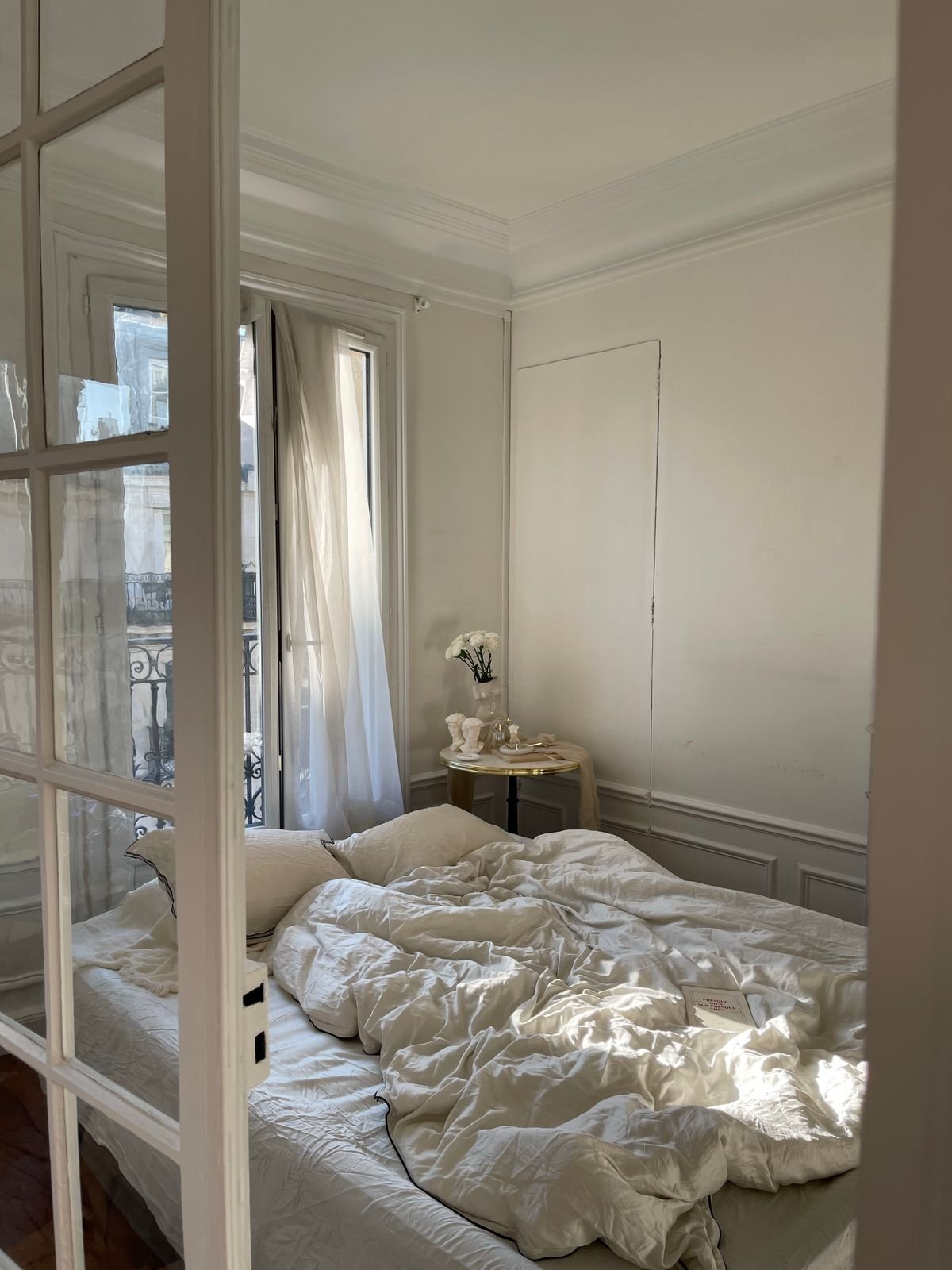
There is a particular smell that greets you on a cold British morning. You open your eyes, pull back the duvet and the air in the bedroom feels heavy and stale, like a towel left too long in a closed bag. You sniff the pillows. You sniff the curtains. The smell seems to come from everywhere and nowhere at once. This guide explains how to get rid of damp smell in a bedroom without a dehumidifier, using things you probably already own and habits that cost nothing at all.
Here is the honest starting point. A damp smell is not really a smell problem. It is a moisture problem. Mould and mildew grow where water sits still, and the musty odour they give off is their calling card. Spraying air freshener over it is like painting over a stain on a ceiling. It looks better for a day and then the stain comes back, because the water is still getting in. If you want the smell gone for good, you have to find the water, clean what it touched and then change the conditions that let it settle in the first place.
The good news is that most bedroom damp smells come from everyday moisture, not from a broken pipe or a leaking roof. Breathing, sleeping, showering and drying washing all put water into the air. In a warm house that water escapes. In a cold bedroom with the windows shut, it settles on the coldest surfaces and stays there. That is why the smell often appears in autumn and winter, and why it is so common in British homes with solid walls and single glazed windows. You do not need a machine to fix that. You need a plan.
How to Get Rid of Damp Smell in a Bedroom Without a Dehumidifier: Start With the Source
Before you clean anything, spend ten minutes finding where the moisture is coming from. Cleaning first and investigating second is the most common mistake, and it is why so many people scrub the same wall every month. Work through the bedroom slowly, like a detective, and look for the clues that water leaves behind.
Start with the windows. On a cold morning, run a finger along the bottom of the glass and the frame. If your finger comes away wet, condensation is forming overnight and dripping onto the sill and the wall below. Look for black specks on the sealant and the paint around the frame. That is usually the first mould in the room, and it is often the main source of the smell.
Next, check the coldest wall, which is usually the outside wall. Press your palm flat against it in the corners and behind the wardrobe. If it feels cold and slightly clammy, moisture is condensing there too. Pull the bed a few centimetres away from the wall and look behind it. A bed pushed tight against a cold wall traps damp air in the gap, and the wall behind it can grow mould for months without anyone noticing.
Then check the soft furnishings, because fabric holds a smell long after the moisture has gone. Lift the mattress and sniff the underside. Smell the pillows, the duvet and the curtains, especially the bottoms of the curtains where they hang near the floor. If the curtains smell musty, they are holding the odour even if the walls are clean.
Finally, look up and down for the signs of a leak, because a leak changes everything. Brown stains on the ceiling, bubbling paint, plaster that feels soft or crumbly, and a smell that is strongest in one corner all point to water coming in from above or outside. If you find any of these, skip the cleaning for now and read the section near the end about landlords and professionals, because no amount of vinegar will fix a leak.
The three usual causes in a British bedroom
Most bedroom damp smells trace back to one of three causes, and each one needs a slightly different fix. Condensation is the most common. Warm moist air from breathing and sleeping hits a cold window or wall and turns to water. Leaks are the second cause, from a dripping pipe, a blocked gutter or a slipped tile, and they tend to smell worse in one spot. The third cause is trapped moisture in fabrics, where bedding and clothes absorb damp air and hold the smell for weeks. Work out which one you have, because the fix for condensation will not help a leak, and washing the curtains will not help a cold wall.

Clean What You Can Reach, Safely and Thoroughly
Once you know where the moisture is, cleaning becomes simple and effective. You need white vinegar, bicarbonate of soda, a spray bottle, clean cloths, rubber gloves and a bucket of warm water. That is the whole kit, and it costs a few pounds from any supermarket. Wear the gloves, open the window while you work and never mix cleaning products together, because mixing bleach with other cleaners can give off harmful fumes.
Start with the hard surfaces. Mix one part white vinegar with one part water in the spray bottle, spray the affected window frames, sills and wall patches, and leave it for ten minutes. Then wipe the area with a clean damp cloth and dry it with a second cloth. Vinegar kills most surface mould and lifts the smell with it. For a stubborn patch, make a paste of bicarbonate of soda and a little water, spread it on the area, leave it for fifteen minutes and wipe it away. Do not dry brush or vacuum visible mould, because that spreads spores into the air.
Then move to the fabrics, because this is the step most people skip and the reason the smell often returns. Strip the bed completely and wash the bedding, including the pillows and the duvet if the labels allow it, at 60 degrees with your normal detergent and a cup of white vinegar in the drum. Dry everything fully before you put it back, ideally outside on a dry day or in a warm room with the window open. If the mattress smells, sprinkle bicarbonate of soda generously over it, leave it for a few hours, then vacuum it off with the upholstery tool.
Curtains deserve the same treatment. Take them down, wash them on a gentle cycle if the label allows, and let them dry fully. If they are too heavy to wash at home, hang them outside on a dry breezy day for a few hours, which freshens them more than most people expect. While they are down, clean the curtain rail and the wall behind it, because that strip of wall collects condensation all winter.

Dry the Room Without Buying a Machine
Cleaning removes the smell today. Drying the room keeps it away tomorrow. A dehumidifier does this by pulling water from the air, but you can get much of the same effect by letting moist air out and dry air in. The trick is to make ventilation a daily habit rather than a weekend chore.
Open the bedroom window for ten to fifteen minutes every morning, even in winter. That short burst of fresh air carries out the moisture from a night of breathing and sleeping, and it costs nothing. If you have trickle vents on the window frames, leave them open all winter. They are the small slots at the top of the frame, and they are designed to keep a gentle flow of air moving without making the room cold. Wipe the windows each morning with a cloth or a window vacuum if water has gathered overnight, so it never gets the chance to drip onto the sill.
Heat matters too, but only a little. A bedroom that swings between warm in the evening and cold overnight is a condensation factory. Keeping the heating low and steady, rather than blasting it for an hour and then switching it off, keeps the walls a few degrees warmer and gives moisture less cold surface to settle on. You do not need a warm bedroom, just a bedroom that is not freezing. If you can, keep the bedroom door open during the day so air can move through the house instead of sitting still in one room.
Small habits add up. Never dry washing on a radiator or a clothes airer in the bedroom, because a single load of wet washing can release litres of water into the air, and the bedroom will absorb all of it. If you must dry clothes indoors, use the bathroom with the extractor fan running or the kitchen with a window open, and read our guide on how to stop clothes smelling damp when drying indoors for methods that keep the smell out of your laundry too. Keep furniture a few centimetres away from outside walls so air can move behind it, and leave wardrobe doors open for an hour a week so the air inside does not go stale. A bowl of bicarbonate of soda or a small bag of silica gel crystals in a wardrobe absorbs a little moisture, but treat these as helpers, not solutions.

Keep the Smell From Coming Back
The difference between a bedroom that smells fresh and one that smells damp is rarely one big fix. It is a small weekly routine, done without thinking, that stops moisture building up again. Here is a routine that takes less than ten minutes a week once it becomes a habit.
Every morning, open the window briefly and wipe any condensation from the glass and sill. Every week, check the corners behind the bed and the wardrobe for the first specks of mould, and wipe them with your vinegar spray before they spread. Every fortnight, wash the bedding and air the duvet outside if the weather allows. Every month, wash the curtains if they are washable, clean the window frames and check the sealant for cracks where water can sit. That is the whole routine, and it is far cheaper than running a machine all winter.
Watch for the early warnings and act on them fast. A window that mists every morning, a faint smell when you first walk in, black specks returning on the sealant, or bedding that feels slightly damp are all signs that moisture is building again. Catching these early means a five minute wipe, while ignoring them means another deep clean. If condensation on glass keeps appearing all over the house, our guide on how to keep a bathroom mirror from fogging up explains the same condensation problem in a room where steam makes it even worse, and the fixes overlap more than you might expect.
When to Call a Professional or Tell Your Landlord
Some damp problems are bigger than household cleaning, and knowing the line keeps you safe. Call a professional or speak to your landlord if the mould covers an area larger than about one square metre, if it keeps coming back within days of cleaning, if the wall feels soft or the plaster is crumbling, if there is a visible leak or a brown stain on the ceiling, or if anyone in the house has breathing problems, allergies or a weakened immune system that the damp seems to make worse.
Renters have real rights here. If you rent your home, report damp and mould to your landlord or letting agent in writing, keep photographs and dates, and keep a copy of everything you send. Under Awaab’s Law, social landlords in England must investigate and fix damp and mould hazards within set timescales, and the law exists because damp homes can seriously harm health. Private renters should still report in writing and allow reasonable access for repairs, because the landlord is usually responsible for structural damp and leaks, while the tenant is usually responsible for everyday ventilation and heating. If your landlord will not act, your local council environmental health team can inspect the property and order repairs.
Never try to clean a large area of mould yourself, and never scrape or sand a mouldy wall dry. Large areas need proper protective equipment and, in some cases, the affected plaster or boards need to be removed. A professional damp survey costs money, but it identifies the cause properly, whether that is rising damp, penetrating damp or condensation, and that diagnosis is what stops the cycle of cleaning and reappearing smell.
The Takeaway: A Dry Bedroom Is a Routine, Not a Purchase
A damp smell in a bedroom feels like a mystery, but it almost always has a simple cause. Water is getting in or building up, mould is growing in it, and the smell is the result. Find the source first, clean it properly with vinegar and bicarbonate of soda, wash the fabrics that hold the smell, and then keep the air moving with a short daily burst of ventilation and steady low heat. Do those four things and the smell usually fades within a day or two, and stays away as long as the routine holds.
Start today with the ten minute check. Open the window, look behind the bed, feel the coldest wall and sniff the curtains. Whatever you find will tell you exactly what to do next, and that is how to get rid of damp smell in a bedroom without a dehumidifier for good. Your bedroom should smell of clean bedding and fresh air, and with a little attention it can, even through the coldest British winter.
Frequently Asked Questions
What causes a damp smell in a bedroom?
A damp smell is usually caused by mould or mildew growing where moisture collects, most often from condensation on cold windows and walls, a leak, or damp fabrics that never fully dry. The smell is the odour the mould gives off as it grows.
Is a damp smell in a bedroom harmful?
A small patch of surface mould is usually a nuisance rather than a danger, but damp and mould can irritate airways and worsen asthma and allergies, especially in children and people with breathing problems. Large or recurring mould should be dealt with properly, and you should speak to your GP if symptoms persist.
Can white vinegar remove a damp smell?
Yes, white vinegar mixed with an equal amount of water kills most surface mould and lifts the smell from hard surfaces. Spray it on, leave it for ten minutes, wipe and dry. For fabrics, add a cup of white vinegar to the wash and dry everything fully.
How do I stop condensation on bedroom windows?
Open the window for ten to fifteen minutes each morning, leave trickle vents open, wipe water from the glass daily, keep the heating low and steady, and never dry washing in the bedroom. These habits cut the moisture that causes condensation.
How long does it take for a damp smell to go away?
Once the source is fixed and the affected areas and fabrics are cleaned, the smell usually fades within 24 to 48 hours. If it returns quickly, the moisture source is still active and needs another look, or a professional survey.
