

Last spring I opened a photo from a friend’s wedding and my smile stopped me cold. My teeth looked yellow next to everyone else in the picture, and I knew exactly why. I drink two big mugs of coffee every morning and I had been doing it for years without thinking twice about what it was doing to my teeth.
If that sounds familiar, here is the good news. Most coffee stains sit on the surface of your teeth, and surface stains respond to gentle care. You do not need to give up coffee, and you do not need an expensive treatment to see a real change. You need to understand why the stains form, use a few safe methods to lift them, and change a couple of small habits so they stop coming back.
That is the plan in this guide. We will look at how to remove coffee stains from teeth naturally with methods that are kind to your enamel, and we will finish with a simple daily routine you can actually stick to.
Why Coffee Stains Your Teeth
Coffee stains teeth because of tannins. Tannins are natural compounds in coffee that cling to tooth enamel and carry dark color with them. Enamel looks smooth and solid, but under a microscope it has tiny pores. Pigment settles into those pores a little at a time, cup after cup, year after year. That is why the change feels so slow. One cup does nothing you can see. A thousand cups leave a yellow tint that shows up in photos.
Plaque makes the problem worse. Plaque is the soft sticky film that builds on teeth between brushings, and it grabs stain the way a sponge grabs spilled coffee. If you drink coffee and skip brushing until much later, the pigment has hours to settle into that film. Acid plays a part too. Coffee is mildly acidic, and acid softens enamel for a short time after you drink it. Soft enamel picks up stain more easily, which is why brushing right after coffee can do more harm than good. We will come back to that timing in a moment.
Coffee is not the only everyday drink that leaves a mark. Tea leaves the same kind of stain, and if you have ever looked up how to remove tea stains from mugs, you already know how stubborn tannins can be. The same idea applies inside your mouth. The stain is not a sign that your teeth are ruined. It is a sign that pigment has been building up on the surface, and surface buildup can be cleaned away.
How to Remove Coffee Stains From Teeth Naturally
Natural stain removal works best when you match the method to the stain. Surface stains from coffee need gentle polishing and good daily cleaning, not harsh scrubbing. The methods below are ordered from the safest daily habits to the stronger options you should use less often. Start with the first two and give them a few weeks before you judge the result. Enamel does not change color overnight, and anyone who promises instant results is selling something.
Start With a Better Brushing Routine
The single most effective natural step is also the least exciting one. Brush twice a day with a fluoride toothpaste, and brush well. Use a soft brush and small circular motions, and spend a full two minutes on the job. Most people brush for less than a minute and miss the same spots every time, usually the backs of the front teeth and the edges near the gum line. Those are exactly the spots where coffee stain shows first.
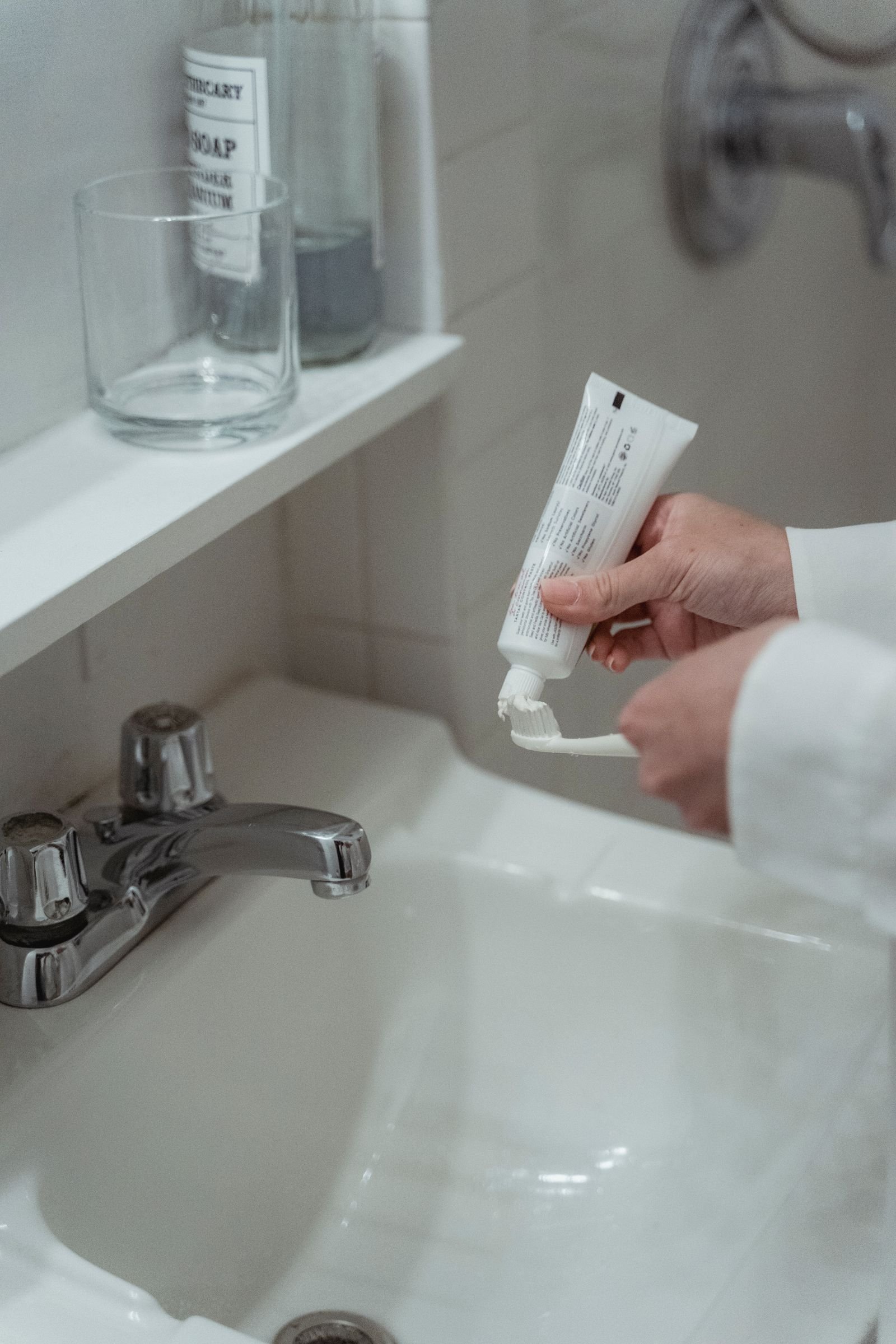
A whitening toothpaste can help here. Whitening toothpastes use mild abrasives that polish away surface stain a little at a time, and many contain an ingredient called sodium hexametaphosphate that helps keep new stain from sticking. Research published in 2024 found that whitening toothpastes removed coffee related surface stain far better than regular toothpaste. Use gentle pressure and let the toothpaste do the work. Hard scrubbing does not remove stain faster. It wears enamel, and worn enamel looks more yellow because the darker layer underneath starts to show through.
Timing matters as much as technique. Wait about 30 minutes after your last sip of coffee before you brush. That gives your saliva time to reharden enamel that coffee acid softened. If you brush right away, you can scrub away tiny bits of softened enamel along with the stain. Floss once a day too. Stain collects between teeth where a brush cannot reach, and floss clears it out before it sets.
Use Baking Soda the Safe Way
Baking soda is the best known home method for a reason. It is a mild abrasive, so it polishes pigment off the enamel surface without the harsh scratching of stronger scrubs. It is also one of the active ingredients in many store bought whitening toothpastes, which tells you it has a real track record. The safest way to use it is to buy a toothpaste that already contains baking soda and use it as your daily toothpaste.
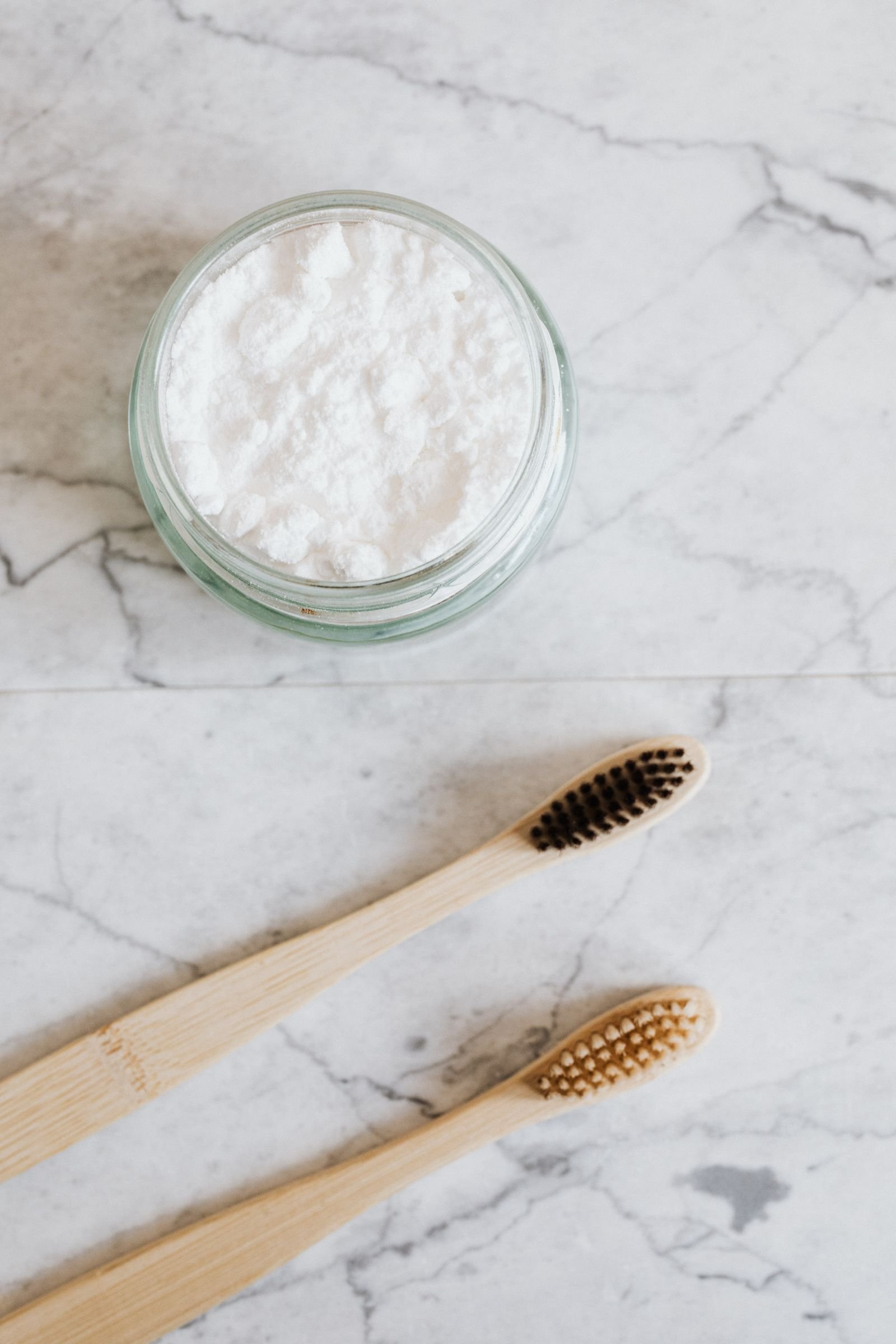
If you want to try the paste version, mix a small amount of baking soda with a few drops of water until it forms a thick paste. Brush gently for one to two minutes, then rinse well with plain water. Limit this to two or three times a week at most, and stop if your teeth feel sensitive. Daily use can wear enamel over time, and enamel does not grow back. Never mix baking soda with lemon juice or vinegar for your teeth. The acid in those liquids softens enamel, and scrubbing soft enamel is exactly how people damage their smiles while trying to whiten them.
A paste of baking soda and 3% hydrogen peroxide is the stronger version of this method, and it is one of the most studied home combinations for stain removal. Mix one teaspoon of baking soda with just enough peroxide to make a paste, brush gently for one to two minutes, and rinse well. Use it no more than two or three times a week. If you have crowns, veneers, fillings, gum recession, or sensitive teeth, ask your dentist before you try any peroxide mixture at home.
Try a Hydrogen Peroxide Rinse
A diluted hydrogen peroxide rinse can help lift mild surface stain between dental visits. Mix equal parts 3% hydrogen peroxide and water, swish for about 30 seconds, spit it out, and rinse with plain water. Do this a few times a week at most, and never swallow the rinse. Peroxide is an oxidizer, which means it breaks down the stain compounds that sit on enamel. That is also why drugstore whitening strips and gels rely on peroxide as their active ingredient.
Keep your expectations realistic. A home rinse lightens mild staining slowly over several weeks. It will not remove deep stain that has built up over many years, and it will not change the natural color of your teeth. If your teeth are grey or dark brown rather than yellow, or if the stain does not improve after four to six weeks of steady home care, that is a sign to book a dental visit and ask about professional whitening.
Try Oil Pulling With Coconut Oil
Oil pulling is an old practice that has found a new audience among coffee drinkers. Take one tablespoon of coconut oil, swish it around your mouth for 15 to 20 minutes, spit it into the trash, and rinse with water. The oil binds with stain particles and plaque as you swish, and many people find their mouths feel cleaner afterward. Do it before you brush in the morning so your toothbrush can finish the job.
The evidence for oil pulling is lighter than the evidence for baking soda and whitening toothpaste, so treat it as a bonus habit rather than your main method. It costs little, it is gentle on enamel, and it fits easily into a morning routine. Just remember to spit into the trash or a container, never into the sink, because coconut oil hardens as it cools and can clog drains over time.
Eat Crunchy Foods That Scrub Gently
Some foods act like a soft brush while you chew. Apples, carrots, and celery have a firm texture that rubs against the surface of your teeth, and chewing them makes you produce more saliva. Saliva washes away stain particles before they settle, and it also helps reharden enamel after acidic drinks. Keep a bag of baby carrots or apple slices at your desk and eat them after your morning coffee instead of a pastry. The crunch does real work.

Celery is one of the best choices in this group because it is mostly water and fiber, so it cleans while it hydrates your mouth. You can keep celery crisp in the fridge longer by storing the stalks in water, which means it is always ready when you want a quick snack. Strawberries are worth a mention too. They contain malic acid, a compound that slowly fades surface stain over time. Eat them whole rather than rubbing them on your teeth, because direct acid contact can soften enamel.
Cheese and plain yogurt help in a different way. They are rich in calcium, and calcium supports strong enamel. A small piece of cheese after coffee can also help balance the acid in your mouth. Water is the simplest helper of all. A glass of water after coffee rinses pigment away before it has time to settle, and staying hydrated keeps saliva flowing all day.
Change How You Drink Coffee to Stop New Stains
Removing stain is only half the job. If you keep staining your teeth the same way every day, the color comes right back. The good news is that small changes to how you drink coffee make a big difference over time, and none of them ask you to drink less of the coffee you love.
First, rinse with water after your last sip. A quick swish takes about ten seconds and washes tannins off your teeth before they settle. Keep a glass of water next to your coffee mug so the habit is easy to remember. Second, finish your cup in one sitting instead of sipping it slowly for hours. Every sip starts the staining clock again, so a cup that lasts three hours stains far more than a cup you finish in 20 minutes.
Third, use a straw for iced coffee. A straw keeps the coffee away from the front of your teeth, which is where stain shows most. It feels strange with a hot drink, so save this trick for cold brew and iced lattes. Fourth, add a splash of milk if you drink your coffee black. Milk lightens the color of the coffee and adds a little calcium, and many people find their teeth stain more slowly once they make the switch. Fifth, wait 30 minutes before brushing, as we covered above. Brushing soft enamel is one of the most common mistakes coffee drinkers make.
Finally, look at the other drinks in your day. Red wine, black tea, cola, and dark fruit juice all stain teeth the same way coffee does. You do not need to cut them all out. Just rinse with water after them too, and keep your brushing routine steady. Stain is a matter of total exposure, so every rinse helps.
What Does Not Work and What to Avoid
The internet is full of whitening hacks, and some of them can damage your teeth badly. Knowing what to skip is just as important as knowing what works. Lemon juice and apple cider vinegar are the worst offenders. Both are acidic enough to soften enamel, and scrubbing softened enamel with any abrasive wears it away fast. The stain may look lighter for a day, but the enamel underneath is thinner, and thinner enamel looks more yellow over time.
Activated charcoal is another popular trick to avoid as a daily habit. Charcoal is very abrasive, and it can scratch enamel and irritate gums. It can also get stuck along the gum line and leave a grey tint that is hard to remove. Some charcoal toothpastes are gentler than raw powder, but there is little solid evidence that they whiten better than a regular whitening toothpaste, so they are not worth the risk.
Salt scrubs, baking soda mixed with lemon, and strong peroxide mixtures from online videos all fall in the same group. They trade a quick result for slow damage. Enamel has no living cells, so once it is worn away your body cannot rebuild it. If a method stings, tastes harsh, or leaves your teeth feeling rough or sensitive, stop using it. Gentle methods take longer, but they protect the smile you are trying to brighten.
A Simple Daily Plan That Keeps Stains Away
Here is the whole routine in one place. It takes about five minutes of extra effort a day, and it covers prevention and removal at the same time.
- Morning: drink your coffee, rinse with water, wait 30 minutes, then brush for two minutes with a whitening toothpaste and floss.
- Midday: if you have a second cup, rinse with water after it and eat something crunchy like an apple or a few baby carrots.
- Two or three times a week: use a baking soda paste or a diluted peroxide rinse instead of your regular toothpaste for one brushing.
- Every six months: see your dentist for a cleaning, and ask whether your stain level is normal for a coffee drinker.
That is it. No special products, no complicated steps, and no reason to quit coffee. The plan works because it is small enough to repeat every day, and stain removal is a game of steady repetition rather than one big effort.
When to See a Dentist
Home methods handle surface stain, but some problems need a professional. Book a dental visit if your teeth have dark brown or grey patches, if the stain does not improve after four to six weeks of steady home care, or if you notice new sensitivity, pain, or bleeding gums. These can be signs of decay, gum disease, or enamel wear that no home method can fix.
A professional cleaning removes tartar, the hardened form of plaque that holds stain in place and cannot be brushed away at home. If you want a bigger change, ask your dentist about in office whitening or take home trays with a custom fit. Both use stronger peroxide under supervision, and both are far safer than the strongest home mixtures. A dentist can also tell you whether your stain is on the surface or inside the tooth. Stain inside the tooth does not respond to any home method, and knowing that early saves you months of wasted effort.
Conclusion
Coffee stains are a normal side effect of a habit millions of people enjoy, and they are one of the easiest smile problems to fix at home. The formula is simple. Brush well with a whitening toothpaste, use baking soda or a peroxide rinse a few times a week, eat crunchy foods that help clean your teeth, and rinse with water every time you finish a cup. Skip the harsh hacks that promise fast results and damage enamel instead.
Learning how to remove coffee stains from teeth naturally is really about learning to work with your teeth instead of against them. Give the gentle methods four to six weeks, keep the daily plan going, and let your dentist handle anything that does not improve. Your morning coffee can stay exactly where it is. Your smile just needs a little steady care to keep up with it.
Frequently Asked Questions
How long does it take to remove coffee stains from teeth naturally?
Most people see a visible change in four to six weeks of steady home care. Brushing with a whitening toothpaste, using baking soda two or three times a week, and rinsing after coffee all work slowly. Deep stain that has built up over many years can take longer, and some of it may need a professional cleaning.
Can baking soda damage my teeth?
Baking soda is safe when you use it gently and not too often. Use a toothpaste that contains baking soda every day, or use a homemade paste two or three times a week. Daily scrubbing with raw baking soda can wear enamel over time, so keep it occasional and use light pressure.
Does drinking coffee through a straw really help?
Yes, for iced coffee. A straw keeps the coffee away from the front surfaces of your teeth, which is where stain shows most. It works best with cold brew and iced lattes. Most people find it awkward with hot coffee, so save it for cold drinks.
Will oil pulling whiten my teeth?
Oil pulling can help your mouth feel cleaner and may lift a small amount of surface stain, but the evidence is limited. Treat it as a bonus habit, not your main method. Brushing with a whitening toothpaste and using baking soda have much stronger support.
When should I see a dentist about coffee stains?
See a dentist if the stain does not improve after four to six weeks of home care, if you have dark brown or grey patches, or if you notice pain, sensitivity, or bleeding gums. A professional cleaning removes tartar that holds stain in place, and a dentist can tell you whether whitening treatment would help.
