
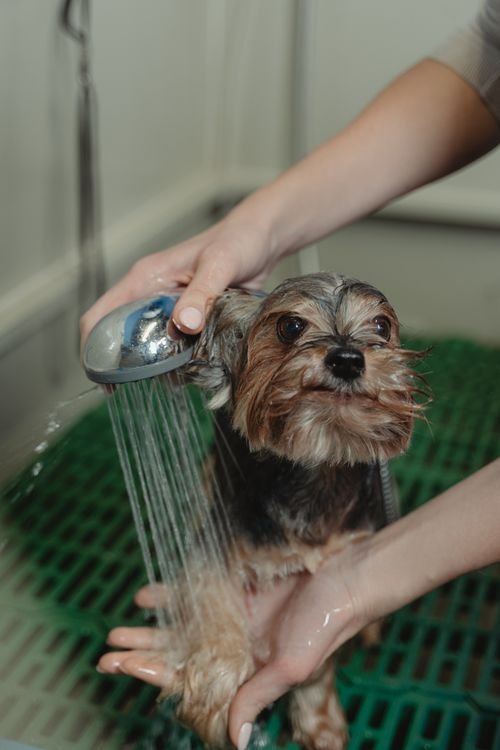
Every dog owner knows the pattern. You bath your dog on a Sunday, the house smells fresh for a day or two, and by Wednesday the familiar doggy smell is back on the sofa, the carpet and your clothes. If that sounds familiar, you are not doing anything wrong. Most dogs start to smell again within a few days of a bath, and the answer is almost never another bath. In fact, bathing your dog more often can make the smell worse, because it strips the natural oils that protect the skin and leaves the coat open to bacteria. This guide explains how to stop dog smelling between baths with a simple routine that takes only a few minutes a day. You will learn why the smell returns so fast, which habits matter most, and when a smell is a sign that your vet should take a look.
Why Your Dog Starts Smelling Again So Soon After a Bath
The first thing to understand is that a smelly dog is usually a healthy dog with a normal coat. Dogs are not built like people. Their skin works differently, their fur traps far more than ours does, and the smell that bothers us is often just biology doing its job. Once you know where the smell comes from, the fix becomes obvious, and it has very little to do with shampoo.
Skin Oil and Bacteria Do Most of the Work
Dogs have far more active oil glands in their skin than people do. These glands release sebum, an oily substance that keeps the coat waterproof and the skin supple. That oil is useful, but it also feeds the bacteria and yeast that live naturally on every dog. As those microbes break the oil down, they release the compounds we smell as doggy odour. Warmth makes the process faster, which is why a dog that has been curled up asleep on a warm rug can smell stronger when it wakes up.
Fur makes the problem worse because it traps oil, dead skin, dust, pollen and whatever your dog rolled in on its last walk. A short coated dog carries less of this load, while a long haired or double coated breed can hold a surprising amount of debris deep in the undercoat. Brushing is the only thing that clears it out, and a bath on its own does not. Water runs over the top of a thick coat and never reaches the skin, so the source of the smell stays exactly where it was.
Wet Fur Is Where the Smell Grows
The second culprit is moisture. Bacteria and yeast multiply fast in warm damp fur, and the classic wet dog smell is the result. This is why so many dogs smell worse the day after a bath than they did before it. If the undercoat is still damp hours later, especially around the chest, the belly and behind the ears, microbes have had a perfect damp home to grow in all night.
The same thing happens after a rainy walk. A dog that comes home wet and is left to dry on its own in a warm house will often smell musty by the evening. Towel drying the top of the coat is not enough. The moisture that matters sits close to the skin, and it needs air and time to clear. Owners who dry their dogs properly after every wet walk usually notice the smell fading within a week, without changing anything else.
How to Stop Dog Smelling Between Baths With a Simple Weekly Routine
The routine below is built around three ideas: remove the debris, remove the moisture, and protect the skin. None of it needs special equipment, and the whole thing takes about ten minutes a day once it becomes a habit. Do it little and often rather than in one long weekly session, because smell builds up day by day and so should the care.
Brush Little and Often
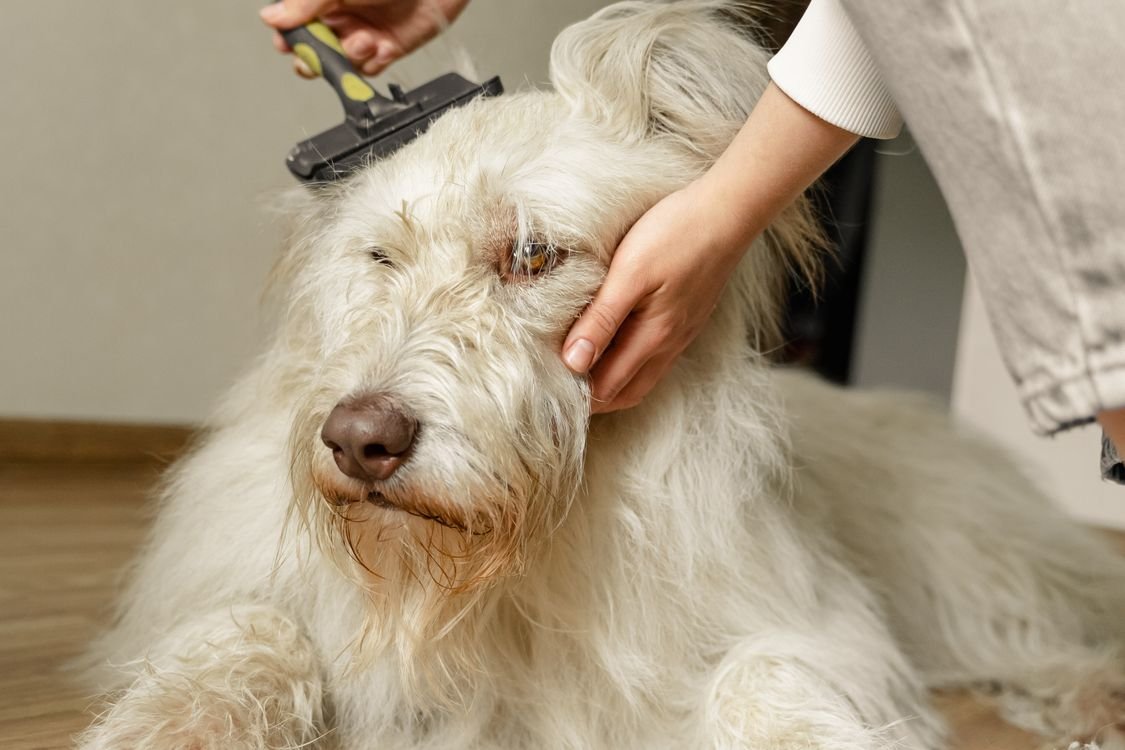
Brushing is the single most effective thing you can do between baths. It lifts out dead hair, dust and dried mud before bacteria can feed on them, and it spreads the skin natural oils evenly along the coat instead of letting them pool in one place. It also gives you a daily chance to notice sore patches, ticks or matted fur before they turn into a bigger problem.
Short coated dogs do well with a rubber curry brush two or three times a week. Long haired and double coated breeds need a slicker brush or an undercoat rake, ideally every day during shedding season. Keep sessions short and gentle. Five calm minutes after the evening walk beats a twenty minute battle once a week, and your dog will learn to enjoy it if you keep it relaxed and finish with a treat.
Wipe Paws and Belly After Every Walk
Most of the smell a dog brings into the house arrives on its paws and belly. Pavements, puddles, mud and grass all leave a film on the fur, and that film dries on your carpet and sofa while bacteria keep working on it. A quick wipe at the back door stops most of it.
Keep a pack of pet safe grooming wipes or a damp cloth by the door and clean the paws, the pads and between the toes, then run the cloth over the belly and legs. Pay extra attention in wet weather and after walks through long grass or muddy fields. In winter, when roads are gritted, this wipe also removes salt that can dry out the pads and crack the skin. Dogs that hate having their paws touched usually accept a wipe far more easily than a bath, and a small treat after each wipe builds the habit quickly.
Dry Your Dog Properly Every Single Time
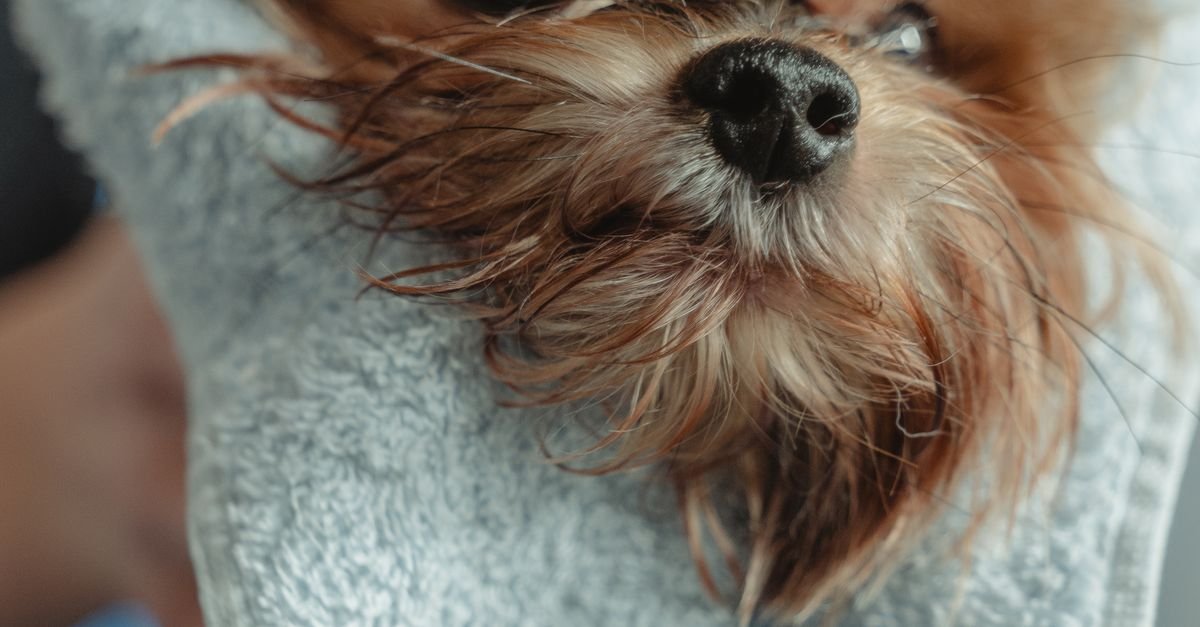
Never let a wet dog dry itself. After a bath or a rainy walk, towel dry in layers. Press a large towel against the coat to soak up water rather than rubbing hard, which can tangle long fur and irritate the skin. Swap to a dry towel halfway through. Then let the dog shake in a ventilated room or, on a dry day, in the garden. If your dog tolerates it, a hair dryer on the lowest heat setting, held at a distance and kept moving, will dry the undercoat far faster than air alone.
Check the spots that stay damp longest: behind the ears, under the collar, the armpits and the groin. These are the areas where a musty smell starts first. Removing the collar while the coat dries helps air reach the neck, and a damp collar left on a wet neck is one of the most common hidden sources of doggy smell in the house.
Use a Dry Shampoo or Grooming Spray the Right Way
A good dry shampoo or grooming spray can buy you several fresh days between baths, but only if you use it correctly. Choose a product made for dogs, with mild natural ingredients such as oatmeal or aloe vera, and avoid anything heavily perfumed. Strong fragrance does not remove odour. It covers it for an hour and then mixes with the original smell to make something worse.
To use dry shampoo, sprinkle a small amount onto the coat, rub it in gently with your fingers, leave it for a few minutes, then brush it out thoroughly. The powder absorbs oil and loose dirt, and brushing removes both. For a spray, mist it lightly over the coat from a distance and brush through. Never use human dry shampoo on a dog. Human products are made for a different skin pH and can irritate a dog skin badly.
A simple home alternative is a light spray of one part apple cider vinegar to three parts water, misted onto the coat and brushed through. Vinegar neutralises odour rather than covering it, and the smell fades as it dries. Try it on a small patch first, and skip it entirely if your dog has broken or sore skin.
The Home Side of the Problem: Bedding, Sofas and Air
Sometimes the dog is not the problem. The house is. Dog beds, blankets, collars and soft furnishings soak up body oil and hold it for weeks. You can groom your dog perfectly every day, and it will still smell the moment it lies down on a bed that has not been washed in a month.
Wash your dog bed cover at least once a week in a mild detergent and dry it fully before it goes back on the bed. The same goes for blankets, cushion covers and any throw your dog sleeps on. Collars and harnesses deserve a wash too, ideally every couple of weeks, because the fabric sits against the neck all day and picks up oil and sweat. A quick hand wash in warm soapy water is usually enough.
Sofas and carpets need attention as well. Sprinkle bicarbonate of soda over the sofa and carpet, leave it for an hour, then vacuum it up. The powder absorbs the oils and odours that fabric holds. If pet hair is part of the problem, regular grooming will cut the amount that reaches your furniture in the first place. Our guide on how to remove pet hair from a couch covers the simplest methods. For a deeper clean of the fabric itself, see how to clean a fabric sofa without a machine.
Finally, ventilate. Open windows for even ten minutes a day to move stale air out, and run the extractor fan in rooms where the dog sleeps. Fresh air does more for a house that smells of dog than any plug in air freshener, which only adds another layer of scent on top of the original problem.
Food, Skin Health and When to See a Vet
What your dog eats shows up in how it smells. A diet rich in omega 3 fatty acids supports healthy skin and a glossy coat, while poor quality food with a lot of cheap filler can leave the skin oily and the coat dull. You do not need an expensive prescription diet. A good quality complete food, fresh water available all day, and a vet approved fish oil supplement if your vet recommends one will cover most dogs.
Some smells are not a grooming problem at all. A sour smell from the ears often means an ear infection, especially in floppy eared breeds where moisture gets trapped. Bad breath that smells rotten can point to gum disease. A strong fishy smell near the tail usually comes from the anal glands, which may need expressing by a vet or groomer. And a yeasty smell across the whole body, often with itchy red skin, can mean a skin infection that needs treatment rather than shampoo.
See your vet if the smell appears suddenly, if it comes with itching, redness, hair loss, discharge, head shaking or a change in appetite, or if no amount of grooming makes a difference. These are signs that something under the surface needs attention, and catching it early is almost always cheaper and kinder than waiting.
A Simple Routine You Can Stick To
Here is the whole plan in one place. It fits around a normal week and needs no special skill, only consistency.
- Every day: brush for five minutes, wipe paws and belly after walks, and dry the coat fully whenever it gets wet.
- Two or three times a week: use a dry shampoo or grooming spray if the coat starts to feel oily, and check the ears and skin folds for redness or soreness.
- Once a week: wash the dog bed cover, blankets and collar, vacuum the sofa and carpet, and give the coat a longer grooming session.
- Every four to six weeks: bath your dog with a gentle dog shampoo, dry the undercoat completely, and brush out any tangles while the coat is still slightly damp.
- Every few months: ask your vet to check the ears, teeth and anal glands at a routine visit, and review the diet if the coat looks dull or the skin seems oily.
The dogs that smell freshest are rarely the ones bathed most often. They are the ones with owners who do a little bit every day. Ten minutes of brushing and wiping beats a monthly bath every time, and your dog will enjoy the attention far more than it enjoys the tub.
Conclusion
Learning how to stop dog smelling between baths comes down to three points. First, the smell comes from oil, bacteria and moisture in the coat, not from dirt alone, so extra baths can make it worse. Second, a short daily routine of brushing, wiping paws and drying the coat properly does more than any shampoo. Third, the house matters as much as the dog, so wash the bedding, clean the soft furnishings and keep fresh air moving. Add a healthy diet and a prompt vet visit when a smell changes suddenly, and most dogs will stay fresh for weeks between baths. Start tonight with a five minute brush after the evening walk, and you will likely notice the difference before the week is out.
Frequently Asked Questions
How often should I bath my dog?
Most healthy dogs only need a bath every four to six weeks. Dogs that swim or roll in mud may need one sooner, but bathing more often than every two weeks can dry out the skin and make the smell worse.
Can I use human dry shampoo on my dog?
No. Human dry shampoo is made for human skin pH and can irritate a dog skin or cause itching. Always use a dry shampoo or grooming spray made for dogs, and brush it out fully after use.
Why does my dog smell worse after a bath?
The undercoat is usually still damp. Moisture trapped close to the skin lets bacteria and yeast multiply, which creates the classic wet dog smell. Dry the coat in layers with towels and make sure the undercoat is fully dry before your dog settles down.
What is the fastest way to freshen a smelly dog?
Brush the coat to lift out debris, wipe the paws and belly with a pet safe wipe, and use a light dog grooming spray or dry shampoo. The whole thing takes about ten minutes and usually lasts for a few days.
When should I take a smelly dog to the vet?
See your vet if the smell starts suddenly, comes with itching, redness, hair loss or discharge, or if it smells fishy, sour or unusually strong. These signs can point to an ear infection, skin infection, dental disease or an anal gland problem that needs treatment.
