
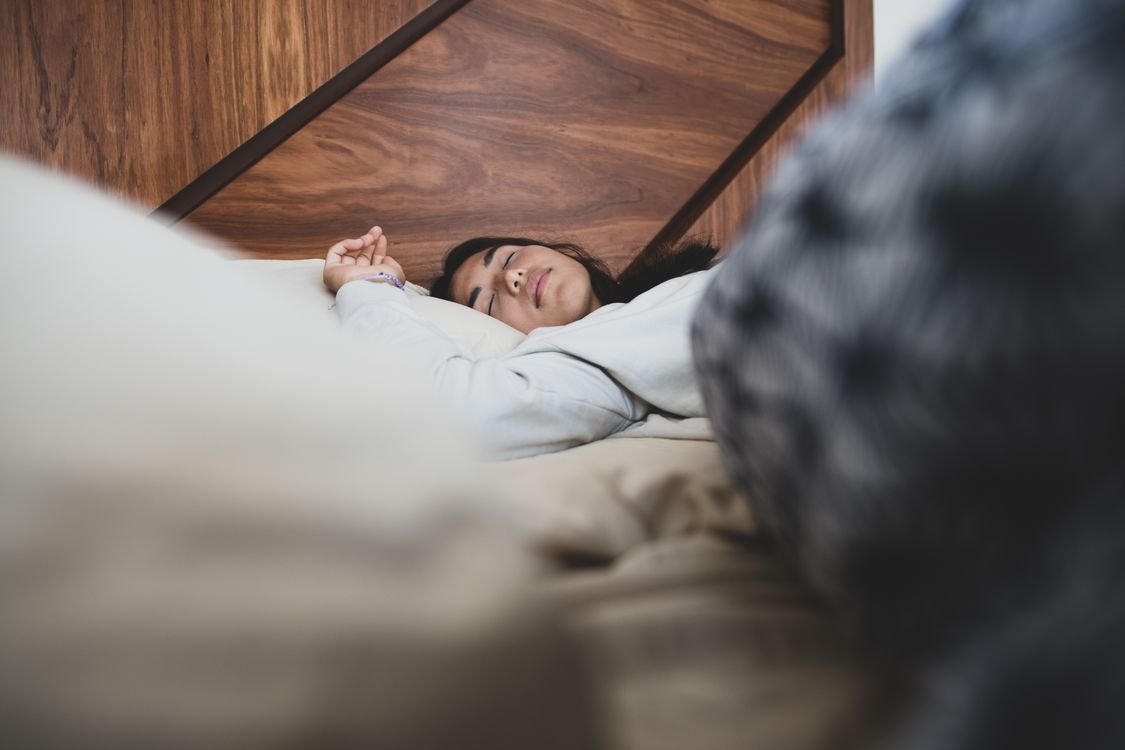
You started taking melatonin because a friend swore by it. For a few weeks it worked. You fell asleep faster, you woke up feeling rested, and the small gummy before bed felt like the answer to years of restless nights. Then the effect faded. Some nights it did nothing at all. Other nights you woke up groggy, with a dull headache and a mouth as dry as paper. If that sounds familiar, you are not alone, and the good news is that you can learn how to sleep better without melatonin by fixing the habits that control sleep in the first place.
Melatonin is a hormone your body already makes. A supplement adds more of it, but it cannot fix a body clock that gets bright light at midnight, caffeine at 4 in the afternoon, and a bedroom that feels like a warm office. Real sleep comes from sleep pressure that builds through the day and a steady daily rhythm, and both respond to simple habits you can start tonight. This guide walks through the seven habits that matter most, in the order that gives you the fastest results, so you can fall asleep faster and wake up clear headed without reaching for a pill.
How to Sleep Better Without Melatonin Starts With Light
Light is the strongest signal your body clock receives. Bright light in the morning tells your brain the day has started, and that signal sets the timer for sleepiness about 14 to 16 hours later. Dim light in the evening tells your brain the day is ending, and your body starts making its own melatonin on schedule. When those two signals are mixed up, with dim mornings and bright nights, sleep suffers no matter what supplement you take.
The fix costs nothing. Step outside within an hour of waking, even for 10 minutes. Outdoor light on a cloudy day is still far stronger than indoor light, and it anchors your rhythm for the whole day. Sit near a window while you have coffee if you cannot get outside, and keep the curtains open during the morning. At the other end of the day, dim the lights after dinner, switch off bright overhead lights, and use lamps instead. Your body reads that change as the start of the wind down, and sleepiness arrives on time.
Keep the same wake time every day, including weekends, for at least two weeks. A steady wake time is more powerful than a steady bedtime, because it locks the whole rhythm in place. Sleeping in on Saturday feels good in the moment, but it pushes your body clock later and makes Sunday night harder. If your schedule forces a late night, still get up near your usual time and take a short nap in the early afternoon if you need one.
Get Bright Light Early in the Day
Morning light works best when it reaches your eyes soon after waking. A short walk outside does more than a bright room, and it adds gentle movement that builds sleep pressure for later. If you work from home, take your first call on the porch or walk around the block before you sit down at your desk. People who get morning light most days report falling asleep faster, and the effect builds over a week or two rather than appearing on the first night.
On dark winter mornings, a bright light box can stand in for the sun. Sit near it for 20 to 30 minutes while you eat breakfast or read the news. Keep it at arm’s length and slightly off to one side rather than staring straight into it. Light boxes are sold at most drugstores and online for about 30 to 60 dollars. Use it only in the morning, since bright light in the evening pushes sleep later instead of earlier.

Dim the Lights and Screens After Dinner
Evening light is the other half of the rhythm. Bright overhead lights, a glowing television, and a phone held close to your face all tell your brain to stay alert. You do not need to live in darkness, but you do need a clear step down in brightness during the last hour before bed. Switch to lamps, lower the brightness on your screens, and turn on night mode so the light shifts warm.
Scrolling in bed is the habit that causes the most damage. The light is only part of the problem. News, messages, and social feeds keep your mind busy with other people’s problems and your own unfinished tasks. Put the phone to charge across the room at least 30 minutes before bed. If you need an alarm, use a simple alarm clock or set the phone to do not disturb and leave it face down. The first few nights feel strange, and then the quiet starts to feel like a relief.
Television is less harmful than a phone if you keep the room dim and the volume low, but a tense drama or a loud sports game still wakes the mind up. Save stimulating shows for earlier in the evening and choose something calm for the last hour. A familiar show you have seen before works well, since your brain does not need to pay close attention to follow it.
Cut Caffeine Earlier Than You Think
Caffeine stays in your body far longer than most people realize. A cup of coffee at 3 in the afternoon can still be half present at 9 at night, and that leftover caffeine blocks the sleepy feeling even when you feel tired. If you drink coffee, tea, cola, or energy drinks, set a cutoff of noon and stick to it for two weeks. That single change helps more people than any supplement.
Watch for hidden caffeine too. Chocolate, some pain relievers, and pre workout drinks all contain it. Decaf coffee still holds a small amount, so a large mug late in the evening can still disturb light sleepers. Switch to herbal tea or water after noon. Chamomile, lemon balm, and passionflower teas are traditional bedtime drinks, and the warm cup itself becomes part of the wind down routine.
Alcohol deserves the same honest look. A drink in the evening may help you fall asleep, but it fragments the second half of the night and blocks the deep sleep that leaves you rested. People who stop drinking in the evening often notice their sleep improves within a few days, even if falling asleep takes a little longer at first. Keep any drinking to earlier in the evening and leave at least three hours between the last drink and bed.

Eat and Drink for Sleep
A heavy meal late at night forces your body to digest when it should be resting, and that can keep you awake or cause heartburn that wakes you up. Eat dinner at least two to three hours before bed, and keep it moderate in size. If you feel hungry later, choose a small snack with protein or complex carbs, such as a banana with peanut butter, a small bowl of oatmeal, or a few crackers with cheese.
Foods rich in magnesium and tryptophan support the chemistry of sleep. Leafy greens, nuts, seeds, beans, whole grains, turkey, and dairy all provide them in normal amounts. You do not need a special sleep diet, and you do not need to buy expensive supplements. A regular pattern of balanced meals, with most of your calories earlier in the day, gives your body what it needs without any extra pills.
Drink enough water during the day so you are not thirsty at night, but slow down in the last two hours before bed. Waking up to use the bathroom breaks your sleep into pieces, and each wake up makes it harder to fall back asleep. Keep a small glass of water on the nightstand for a dry mouth, and save the big glass for the morning.
Build a 45 Minute Wind Down Routine
Your brain needs a clear signal that the day is over, and a short routine gives it one. Pick three or four calm activities and do them in the same order every night. A warm shower, a cup of herbal tea, 10 minutes of reading, and a few slow breaths make a simple routine that takes about 45 minutes. The order matters more than the activities, because repetition teaches your brain that these steps lead to sleep.
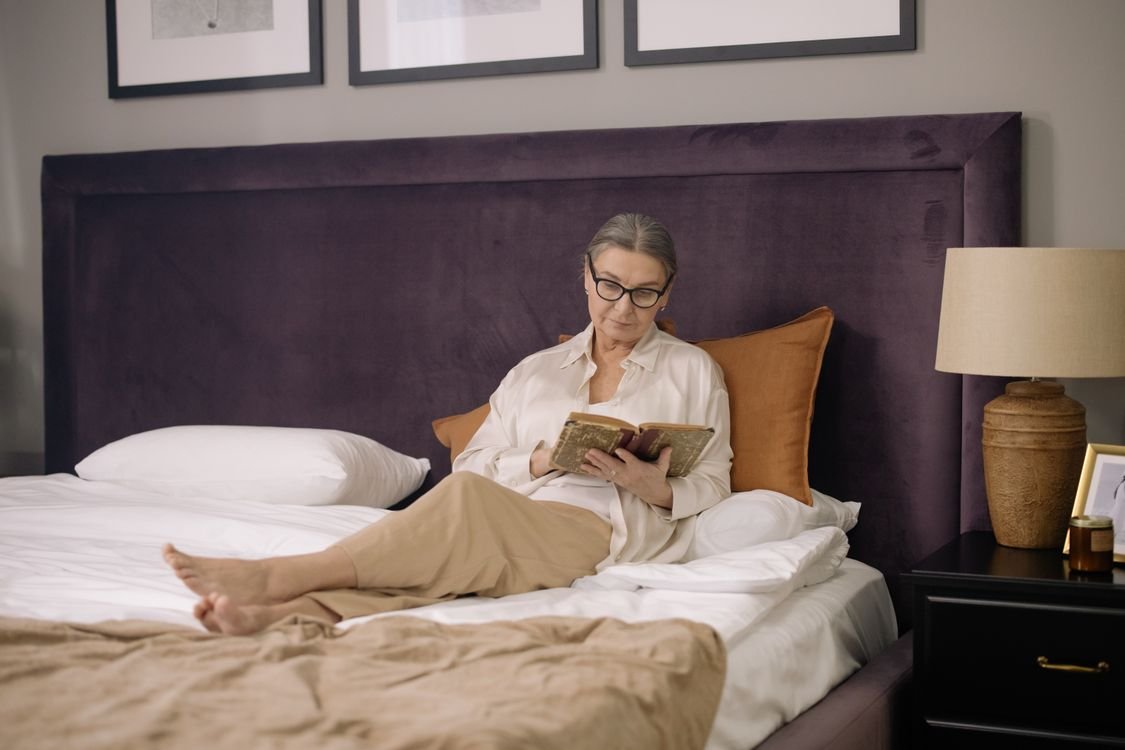
Reading a paper book works better than a screen, and it gives your eyes something gentle to focus on. Stretching or light yoga releases the tension that builds up in the shoulders and neck during the day. Writing down tomorrow’s tasks on a notepad takes them out of your head and onto paper, which stops the mind from rehearsing them in bed. Keep a notepad and pen by the bed for thoughts that arrive later, so you can write them down and let them go.
Slow breathing is the fastest way to calm a busy mind. Breathe in for four counts, hold for four counts, and breathe out for six counts. The longer exhale slows your heart rate and tells your nervous system the day is done. Do it for five minutes while you lie in bed. If thoughts keep coming, notice them and return to the counting without arguing with them.
Make the Bedroom Cool, Dark, and Quiet
Your body temperature needs to drop slightly before sleep, and a cool room helps it happen. Most sleep experts suggest keeping the bedroom between 60 and 67 degrees Fahrenheit. A fan helps even if the room is already cool, since moving air and steady white noise both mask small sounds. Choose light bedding you can add to or remove, so you stay comfortable without overheating.
Darkness matters as much as temperature. Blackout curtains or a comfortable sleep mask block street lights and early morning sun. Cover small glowing lights from chargers and electronics with tape, or move them behind furniture. Even small amounts of light through closed eyelids can lighten sleep, so the darker the room, the better the sleep.
Reserve the bed for sleep and intimacy only. Working, eating, and scrolling in bed teach your brain that the bed is a place to be awake. If you cannot fall asleep after about 20 minutes, get up, go to another room, and do something calm in dim light until you feel sleepy. Return to bed only when sleepiness comes back. This simple rule, called stimulus control by sleep researchers, rebuilds the link between bed and sleep within a few weeks.
Move Your Body During the Day
Regular movement is one of the most reliable sleep aids that exists. A brisk 30 minute walk, a bike ride, or a swim builds sleep pressure and deepens the night’s sleep. Morning or afternoon exercise works best. Vigorous exercise very late in the evening can leave some people too alert to sleep, so finish hard workouts at least three hours before bed.
You do not need a gym or a strict program. Walking the dog, gardening, dancing in the kitchen, or taking the stairs all count. The goal is steady movement most days, not a perfect routine. People who move regularly fall asleep faster and wake up less often during the night, and the benefit grows over weeks as fitness improves.
What to Do When You Wake at 3 AM
Waking in the middle of the night is normal, and it becomes a problem only when worry turns it into hours of wakefulness. Do not check the clock. Knowing it is 3 AM starts a calculation about how many hours are left, and that math wakes the mind up further. Turn the clock face away or keep it out of sight.
If you are still awake after 20 minutes, get up and do something dull in dim light. Read a boring book, fold laundry, or sit quietly with a warm drink. Avoid screens, bright lights, and work email. Return to bed when your eyes feel heavy. This approach feels slow on the first night, but it breaks the cycle of lying awake and worrying about being awake.
Keep a simple sleep diary for two weeks if the pattern continues. Note your bedtime, wake time, caffeine, alcohol, exercise, and how you felt the next day. Patterns appear quickly. Many people discover their worst nights follow late caffeine or a long afternoon nap, and fixing one habit changes the whole week.
When to Talk to a Doctor
Most sleep trouble responds to habits, but some problems need medical care. See a doctor if you snore loudly and wake up gasping, if you fall asleep during the day without warning, if your legs feel restless every night, or if poor sleep lasts more than a few weeks despite steady habits. These can point to sleep apnea, restless legs, or another condition that habits alone cannot fix.
A doctor may suggest cognitive behavioral therapy for insomnia, which is the most effective long term treatment for chronic sleep trouble. It works by rebuilding healthy sleep habits and changing the thoughts that keep you awake, and it helps many people who found melatonin stopped working. Bring your sleep diary to the appointment, since it gives the doctor a clear picture of your pattern.
Conclusion
Learning how to sleep better without melatonin comes down to giving your body the signals it already understands. Bright light in the morning, dim light at night, caffeine before noon, a calm wind down routine, a cool dark bedroom, and regular movement all work together. No single habit fixes everything, but the combination rebuilds the rhythm that melatonin supplements only imitate. Start with morning light and a caffeine cutoff, add the wind down routine, and give the changes two weeks. Most people notice easier evenings within the first week, and steadier sleep by the end of the second. Your body already knows how to sleep. These habits simply let it do the job.
Frequently Asked Questions
Can I stop taking melatonin suddenly?
Yes, for most people stopping melatonin is safe, since it is not habit forming in the way sleep medicines can be. You may sleep lightly for a few nights while your rhythm adjusts, and the habits in this guide help fill that gap.
How long does it take to sleep better without melatonin?
Most people notice small improvements within a week of steady habits, and clearer results after two to three weeks. A fixed wake time and morning light usually show effects first.
Is melatonin safe to take every night?
Melatonin is generally safe for short term use, but long term nightly use can leave some people groggy or less responsive to it. Talk to a doctor if you have taken it nightly for months and want a plan to stop.
What is the best natural alternative to melatonin?
There is no single replacement. Morning light, a fixed wake time, an early caffeine cutoff, and a calm wind down routine together do what melatonin tries to do, and they keep working night after night.
Why do I wake up at 3 AM every night?
Waking in the middle of the night is common and often follows late caffeine, alcohol, a warm bedroom, or stress. Avoid checking the clock, get up after 20 minutes if you are still awake, and keep a sleep diary to spot the pattern.
For more practical home and health guides, see why you wake up thirsty in the middle of the night and how to keep a journal without writing every day.
