
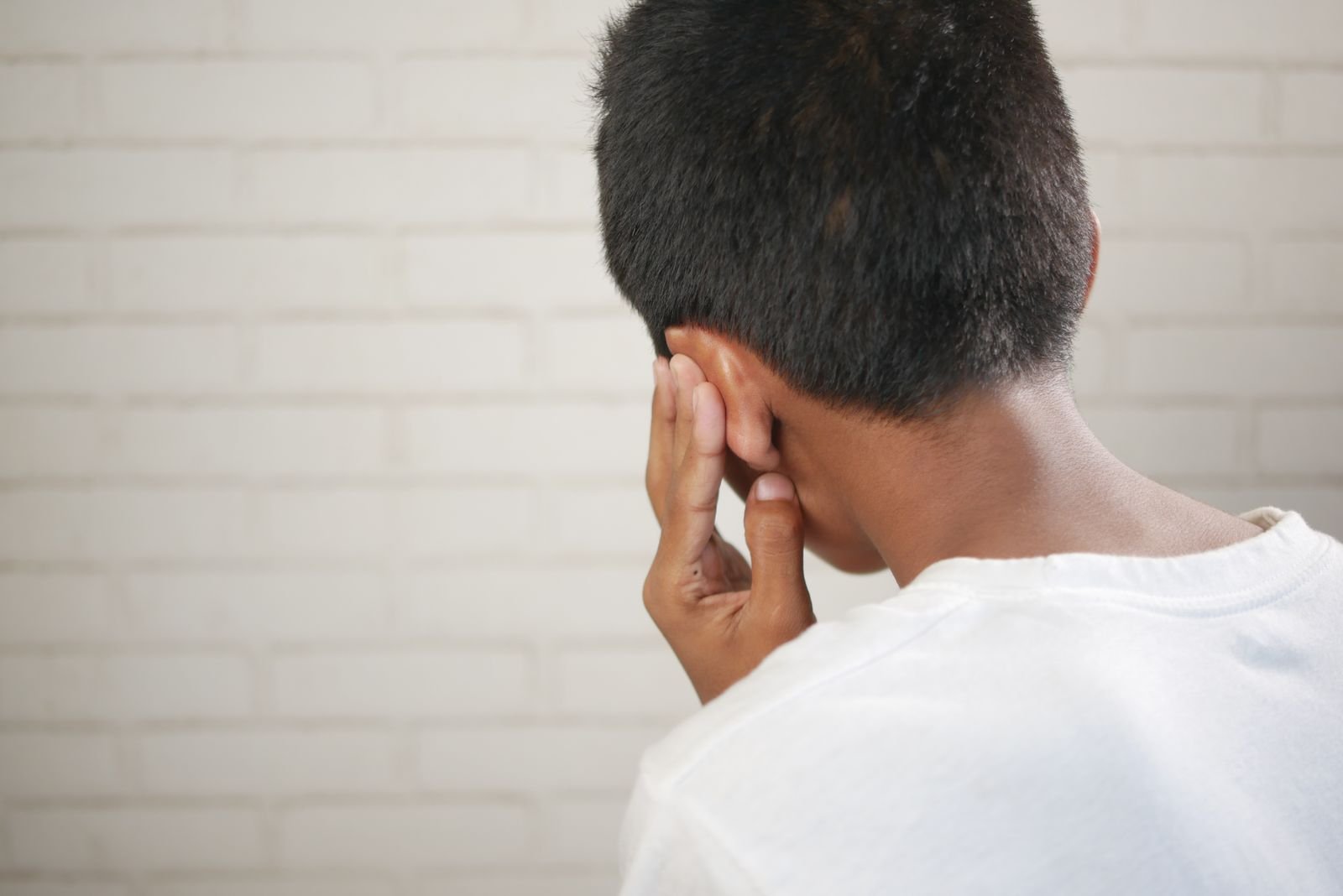
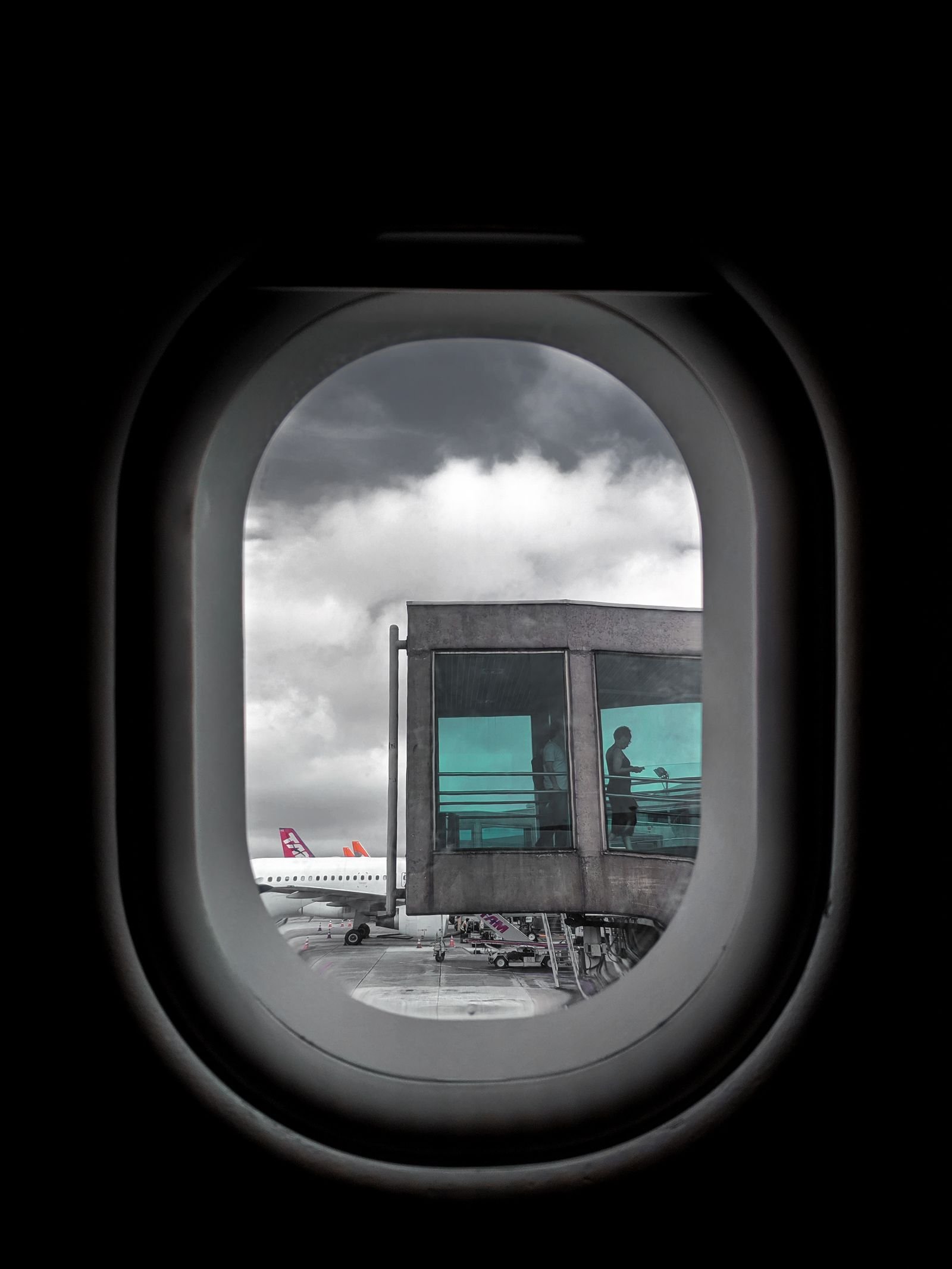
The plane touched down, the seat belt sign went off, and everyone around you started to stand up and reach for bags. Your ears did not get the message. One ear felt full and muffled, as if you were listening through cotton wool, and every swallow only made a small pop that faded in a second. You could hear the pilot, but his voice sounded far away, and your own voice sounded strange inside your head.
Or picture a different morning. You wake up with a cold, your nose is blocked, and your ears feel heavy and dull. You yawn, you swallow, you shake your head a little, and nothing changes. It is not sharp pain, but it is hard to ignore, and it makes the whole day feel off balance. If either scene sounds familiar, you already know why people search for how to relieve ear pressure at home without medicine.
The good news is that most ear pressure has a simple cause, and most of it responds to simple moves. This guide covers three main points. First, gentle pressure equalizing moves that help your ears open up on their own. Second, steam and moisture that help a blocked nose drain so the ears can follow. Third, how to tell when ear pressure is not a home fix and needs a doctor. Work through the steps in order, stay gentle, and give each move time to work.
Why Your Ears Feel Blocked and Full
Inside each ear is a narrow passage called the Eustachian tube. It connects the middle ear to the back of the nose and throat, and its job is to keep the air pressure on both sides of the eardrum equal. When you swallow or yawn, the tube opens for a moment, air moves through, and the pressure evens out. That is the small pop you feel on a plane or in a lift.
Ear pressure builds when that tube cannot open as it should. A cold, allergies, or a sinus infection can swell the lining of the nose and throat and narrow the tube. A fast change in altitude on a flight or a drive through mountains can change the pressure faster than the tube can adjust. Water in the ear after swimming, wax buildup, and dry air can add to the same full and muffled feeling.
Most of the time the tube is only swollen or slow, not damaged. That is why gentle moves and moisture often help. You are not forcing the ear open. You are giving the tube a better chance to open on its own, while you reduce the swelling and congestion that are holding it shut. If the pressure comes with severe pain, fever, fluid from the ear, or sudden hearing loss, skip the home steps and read the safety section near the end of this guide.
How to Relieve Ear Pressure at Home Without Medicine
Start with the simplest moves first. They cost nothing, they take only a few minutes, and they work best when you repeat them gently instead of forcing one big effort. Sit upright, relax your shoulders, and try one move at a time. If a move brings a soft pop and the fullness eases, stop and let the ear settle. If nothing changes after a few gentle tries, move on to the next idea rather than pushing harder.
Swallow, Yawn, and Chew
Swallowing is the most natural way to open the Eustachian tubes, and it is the reason chewing gum helps so many people on flights. Take a sip of water and swallow slowly, then repeat it a few times. If you have a piece of sugar free gum or a hard candy, chew it slowly for a few minutes and keep swallowing as you chew. The steady movement of the jaw and throat helps the tubes open and close in a normal rhythm.
A wide yawn can do the same job. Open your mouth wide, breathe in slowly, and let the yawn stretch the muscles around the jaw and throat. Some people find that a fake yawn works just as well as a real one, as long as the jaw opens wide and the throat moves. Try five slow yawns, with a pause between each one, and notice whether the pressure shifts at all.
On a flight, start these moves before the pressure builds. Begin chewing gum or sipping water as the plane starts to descend, and keep going until you are on the ground. Children often do better with a drink, a snack, or a lollipop during descent, because swallowing comes naturally while they eat and drink. Staying awake during landing also helps, because you swallow more often when you are awake than when you are asleep.
The Gentle Valsalva Move
The Valsalva move is a classic pressure equalizing technique, and it works when it is done gently. Pinch your nostrils shut with your fingers, close your mouth, and breathe out very softly through your nose, as if you were trying to blow up a balloon with almost no effort. You should feel a slight pressure in your ears, and you may hear a soft pop as the tube opens.
Keep the effort light. A soft breath is enough. If you blow hard, you can hurt the eardrum or make the pressure worse, so never force it. Try the move once, wait a few seconds, swallow, and then try once more if you need to. Two or three gentle tries are plenty. If your nose is badly blocked, clear it gently first or skip this move and use steam instead, because blowing against a blocked nose does little good.
Do not use this move if you have a bad cold with thick mucus, a sinus infection with pain in the face, or a recent ear injury. In those cases, gentle swallowing and steam are safer choices. The goal is a small shift in pressure, not a big blast of air, so treat the move as a nudge rather than a test of strength.
The Toynbee Move
The Toynbee move is a quieter cousin of the Valsalva move, and many people find it gentler. Pinch your nostrils shut, close your mouth, and swallow. The swallow creates a small change in pressure in the back of the nose, and that change can help pull the Eustachian tube open. Repeat it three or four times, with a short pause between each swallow.
This move works well when the Valsalva move feels too strong or when your nose is partly blocked. It also works well on a plane, because it is silent and you can do it without anyone noticing. Try a few Toynbee swallows, then a few normal swallows with a sip of water, and see which one brings the pop. Some people get relief from one move and not the other, so it is worth trying both.
Jaw Moves and Neck Stretches
Tight jaw muscles can add to a feeling of fullness around the ears, especially if you have been clenching your teeth during a cold or a stressful flight. Open your mouth slowly, move your jaw gently from side to side, and then close it again. Repeat that slow movement five times, keeping the motion smooth and pain free. A gentle jaw stretch can ease the muscles that sit close to the Eustachian tubes.
Roll your shoulders back a few times, then tilt your head slowly toward one shoulder and hold it for ten seconds before switching sides. A relaxed neck and jaw help the tubes work better than a tense one, and the stretch also helps if you have been sitting in one position for a long time. Do not crack your neck or twist it sharply. Slow and gentle is the whole point.
Steam and Moisture Can Help Your Nose and Ears Drain
When a cold or dry air swells the nose, the Eustachian tubes often stay shut until the swelling eases. Steam and moisture help in a simple way. Warm moist air soothes the lining of the nose, thins mucus, and helps the passages drain. That drainage can free the tube and let the ear pressure ease, often within minutes of a good steam session.
Think of steam as a helper, not a cure. It works best alongside the swallowing and yawning moves above. Use steam first to open the nose, then try a few gentle swallows while the nose still feels clear. That order gives you the best chance of a pop that lasts, rather than a pop that fades as soon as the nose blocks up again.
A Warm Shower or a Bowl of Steam
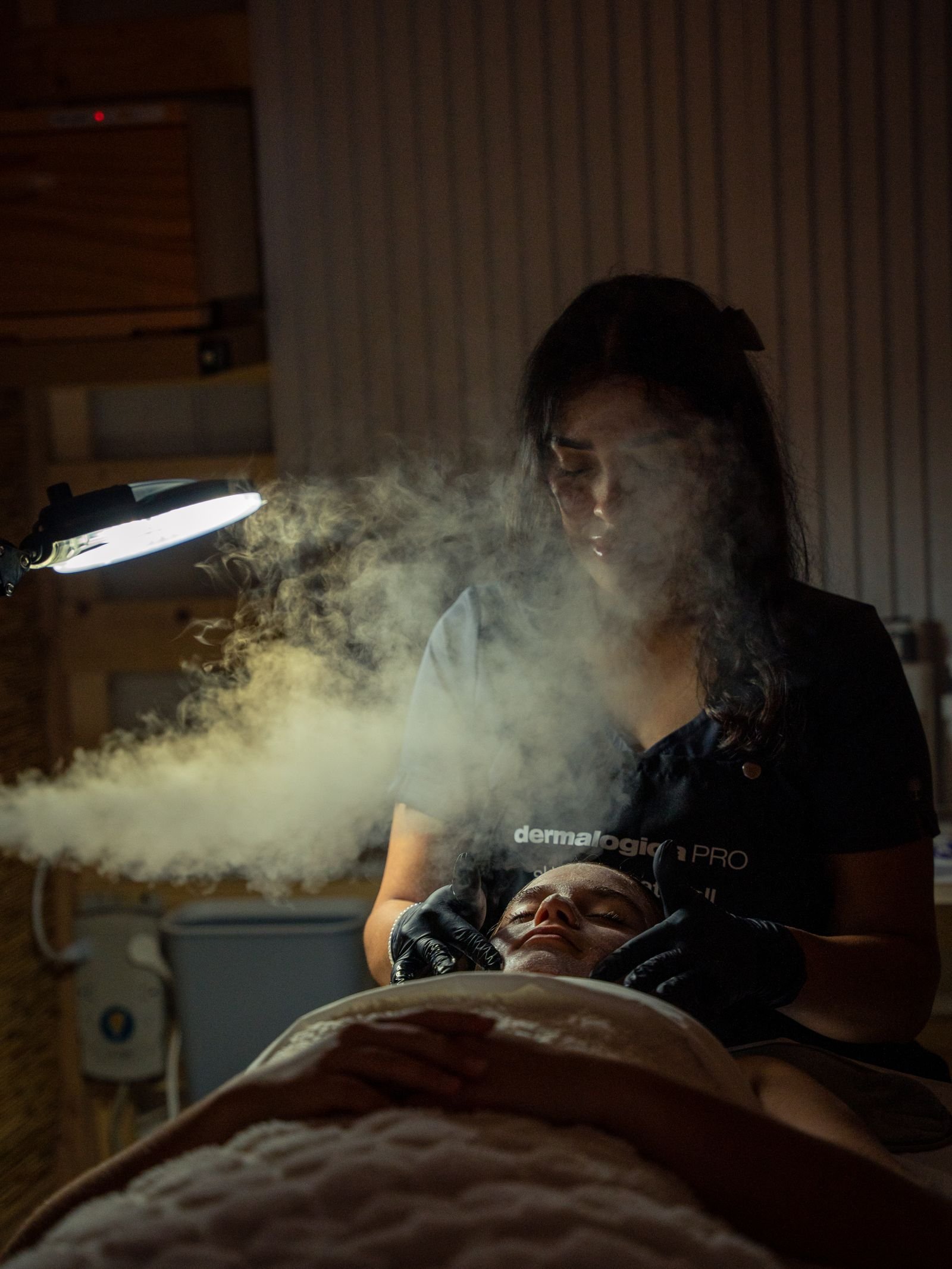
A warm shower is the easiest form of steam at home. Let the bathroom fill with steam, breathe in slowly through your nose, and stay in the shower for ten minutes. The warm air reaches the nose and throat without any extra effort, and the heat also relaxes tight muscles in the neck and jaw. Keep the water warm, not scalding, and step out if you feel dizzy at any point.
If a shower is not practical, try a bowl of steam. Boil water, pour it into a large bowl, and place the bowl on a stable table. Sit with your face about twelve inches above the bowl, drape a large towel over your head and the bowl to trap the steam, and breathe in slowly through your nose for five to ten minutes. Keep your eyes closed if the steam feels strong, and lift the towel for fresh air whenever you need it. Never put your face so close that the steam burns, and never leave a bowl of hot water where a child can reach it.
You can add a drop or two of eucalyptus oil to the water if you like the scent, but plain steam works fine on its own. The oil is optional, and it is not safe for everyone, so skip it if you have asthma, if you are pregnant, or if you are steaming with a young child in the room. Plain warm water is the safest choice, and it does the real work.
A Warm Compress on the Ear
A warm compress can ease the heavy feeling around a blocked ear and help you relax while the other steps work. Soak a clean washcloth in warm water, wring it out so it is damp but not dripping, and fold it into a small pad. Hold it gently against the ear and the jaw for ten minutes, then remove it and check how the ear feels. Rewarm the cloth if it cools down, and repeat the compress once or twice a day.
Keep the water warm, not hot. Test it on the inside of your wrist first. If it feels too hot there, let it cool before you put it near your ear. Never press a hot compress hard against the ear, and never fall asleep with a compress in place. A warm compress is a comfort measure, not a way to force the ear open, so pair it with swallowing and steam for the best result.
Keep the Air in Your Home Moist
Dry indoor air can make a blocked nose worse, especially in winter when heating is on all day. Air that is too dry dries out the lining of the nose, thickens mucus, and makes it harder for the Eustachian tubes to open. A humidifier in the bedroom can help, but even small habits make a difference. Keep the humidity in a comfortable range, and aim for air that feels neither dry nor damp.
Moisture problems in a home often show up in more than one place. If your windows mist up overnight, the same damp air that fogs the glass can also affect how fresh a room feels. Our guide on how to stop condensation on windows overnight explains how to manage that moisture, and the same balance of fresh air and steady humidity helps your nose as well as your windows.
Damp towels and laundry drying indoors can also add too much moisture to a room, which can feed mold and make breathing harder rather than easier. Our guide on how to stop clothes smelling damp when drying indoors shows how to dry laundry without leaving the air stale and heavy. Fresh air from an open window for a few minutes a day helps more than most people expect, and it works alongside a humidifier rather than against it.
Steam in the bathroom can also help, but a bathroom that stays damp all day can grow mold and mildew that irritate the nose. Our guide on how to keep a bathroom smelling fresh all day covers ventilation and simple habits that keep the steam useful without letting dampness linger. Run the fan after a steamy shower, leave the door open for a while, and let the room dry out between uses.
Clear a Stuffy Nose Without Medicine
Ear pressure often starts in the nose, so clearing the nose gently can be the fastest route to relief. The goal is to thin mucus and open the nasal passages, not to blast them clear. Gentle methods work better than forceful ones, and they are less likely to push mucus toward the ears or irritate the lining of the nose.
Start by drinking water through the day. Staying hydrated keeps mucus thinner and easier to move, and it helps the lining of the nose stay moist. Warm drinks such as herbal tea, warm water with lemon, or clear soup can feel soothing, and the steam rising from a warm cup adds a little extra moisture with every sip. Avoid alcohol while your ears feel blocked, because it can swell the lining of the nose and make pressure worse.
Salt Water Rinse, Done Safely
A salt water rinse can wash mucus and irritants out of the nose and help the passages open. You can buy a ready made saline spray or a neti pot kit, or you can make a rinse at home with care. The safety rule matters more than the recipe. Use only distilled water, sterile water, or water that you have boiled and then cooled to a warm temperature. Never use plain tap water for a nasal rinse, because tap water can carry germs that are safe to drink but not safe to put into the nose.
To make a simple rinse, mix one cup of boiled and cooled water with half a teaspoon of plain salt and a pinch of baking soda. Stir until the salt dissolves, then pour the mix into a clean neti pot or squeeze bottle. Lean over a sink, tilt your head to one side, and let the water flow gently into the upper nostril and out of the lower one. Breathe through your mouth while the water flows, and blow your nose very gently when you finish. Repeat on the other side if you need to.
Clean the neti pot or bottle after every use with hot soapy water, and let it dry fully before you store it. If a rinse stings, the mix may be too salty, so make a fresh batch with a little less salt. If you feel pain in the ear during a rinse, stop at once. A rinse should feel odd but not painful, and pain is a sign to pause and try steam instead.
Blow Your Nose the Gentle Way
Blowing your nose hard can push mucus toward the Eustachian tubes and make ear pressure worse. Blow one nostril at a time, with the other nostril pressed gently shut, and use a soft breath rather than a hard blast. Wipe rather than rub, and use a soft tissue so the skin around the nose does not get sore.
If your nose is too blocked to blow at all, do not force it. Use steam first, wait a few minutes, and then try again with a gentle blow. A few small blows with pauses between them clear more mucus than one hard blow, and they leave the nose less irritated. Keep tissues close by during a cold, and wash your hands after you blow your nose to avoid spreading germs.
What to Eat and Drink, and How to Sleep
Food will not open a blocked ear on its own, but a few simple choices can support the steps above. Warm soup, warm tea, and plain water keep you hydrated and keep mucus thin. Chewing also helps, so a meal that needs real chewing can be more useful than a smoothie when your ears feel full. Crunchy foods such as apples, carrots, and toast give the jaw a gentle workout, and that movement can help the tubes open.
Spicy food can help some people, because heat and spice can make the nose run and clear a little. A bowl of soup with a little chili or ginger may loosen a stuffy nose for a short while. Do not overdo it, and skip spicy food if it upsets your stomach or makes your nose burn. The effect is mild and short lived, so treat it as a small bonus rather than a fix.
Sleep matters too, because lying flat can make ear pressure feel worse. Fluid and mucus settle when you lie flat, and the tubes drain less well in that position. Try sleeping with your head raised on an extra pillow so the head sits higher than the chest. Sleep on the side of the ear that feels clear, if one ear is worse than the other, and keep the bedroom air moist with a humidifier or a bowl of water near the radiator if the air feels very dry.

A good night of sleep also helps the body fight the cold or allergy that caused the pressure in the first place. Keep the room cool and dark, avoid screens for the last half hour before bed, and give yourself time to wind down. If ear pressure keeps waking you up, try a warm compress and a few gentle swallows before bed, and repeat the steam step in the morning when you wake.
What Not to Do When Your Ears Feel Blocked
Some popular home fixes for ear pressure can do real harm, so it helps to know what to avoid. Never put cotton swabs, fingers, hairpins, ear picks, or any other object into the ear canal. The ear canal is delicate, and an object can push wax deeper, scratch the skin, or injure the eardrum. Wax is meant to move out of the ear on its own, and a swab only pushes it back in.
Never try ear candles. Ear candling involves placing a hollow candle in the ear and lighting it, and it is sold as a way to draw wax out of the ear. It does not work, and it can burn the ear, drip hot wax into the canal, or damage the eardrum. Health experts warn against it for good reason, and there is no safe version of the practice to try at home.
Do not blow your nose with great force, do not pinch your nose and blow hard, and do not use a strong ear syringe or a jet of water in the ear. Do not put oil, vinegar, alcohol, hydrogen peroxide, or any home liquid into the ear unless a doctor tells you to. These liquids can irritate the canal, trap moisture, or hide a problem that needs proper care. If wax is the issue, a doctor can remove it safely in minutes.
When Ear Pressure Is Not a Home Fix
Most ear pressure fades in a few days as a cold clears or as the ears adjust after a flight. Home steps are right for that kind of pressure: mild fullness, a dull feeling, and no sharp pain. But some signs mean the ear needs a doctor, not another round of steam and swallowing. See a doctor promptly if you have severe pain, a fever, fluid or blood coming from the ear, sudden hearing loss, dizziness, or a ringing sound that does not fade.
Also seek care if the pressure lasts more than a few days, if it keeps coming back, if one ear stays blocked while the other clears, or if a child has ear pressure with a fever or with pain that stops them sleeping. Children have shorter Eustachian tubes than adults, so ear problems can build faster in a child, and a doctor can check the ear quickly and safely. Do not wait and hope if a child is in pain.
People with diabetes, a weak immune system, a recent ear operation, a burst eardrum in the past, or a history of ear infections should also be quicker to seek care. The same goes for anyone who has had a recent head injury or who notices fluid leaking from the ear after an injury. A doctor can look inside the ear, check for infection or fluid behind the eardrum, and decide whether any treatment is needed. Early care is simple care, and it avoids a small problem turning into a bigger one.
A Simple Routine to Try Today
If you want a plan you can follow right now, try this order. Start with a warm shower or a bowl of steam for ten minutes. While your nose still feels clear, swallow a few times, yawn wide, and try the gentle Toynbee move. Follow that with a warm compress on the ear for ten minutes, and sip a warm drink while you rest. Repeat the steam and the moves in the evening, and sleep with your head raised.
Keep the routine gentle and steady for two or three days. Many people notice the pressure easing a little after each session, with a soft pop that lasts longer each time. If nothing changes after a few days, or if any warning sign appears, stop the home steps and book a doctor visit. Knowing how to relieve ear pressure at home without medicine is useful, and knowing when to stop and seek help is just as useful.
Conclusion
Ear pressure is uncomfortable, but in most cases it is also temporary and fixable with simple steps. Gentle moves such as swallowing, yawning, chewing, and the soft Valsalva and Toynbee techniques help the Eustachian tubes open. Steam, moisture, and a salt water rinse help the nose drain so the ears can follow. A warm compress, good hydration, and sleep with the head raised support the whole process while the body heals.
The key is to stay gentle and patient. Do not force the ears, do not put anything into the canal, and do not chase a quick fix with ear candles or harsh liquids. Try the moves, use the steam, and give the ears a few days to settle. That is how to relieve ear pressure at home without medicine, and if the pressure does not ease, or if any warning sign appears, a doctor can check the ear and put your mind at rest.
Frequently Asked Questions
How long does ear pressure last after a flight? For most people it clears within a few hours, and often within minutes of landing. If it lasts more than a day or two, or if pain or hearing loss appears, see a doctor for a check.
Can I fly with a cold if my ears feel blocked? It is best to avoid flying with a bad cold if you can change your plans, because the pressure change can make ear pain worse. If you must fly, use steam before the flight, chew gum during descent, and try gentle swallowing moves often.
Does chewing gum really help ear pressure? Yes, chewing helps because it makes you swallow more often, and swallowing helps the Eustachian tubes open. Sugar free gum works well, and sipping water or eating a snack during a flight has a similar effect.
Is it safe to use a salt water rinse for a blocked nose? Yes, if you use only distilled water, sterile water, or water that you have boiled and cooled. Never use plain tap water in a nasal rinse, and clean the bottle or pot after every use.
When should I see a doctor for ear pressure? See a doctor promptly for severe pain, fever, fluid or blood from the ear, sudden hearing loss, dizziness, or pressure that lasts more than a few days. Children with ear pain and fever should be seen sooner rather than later.
