
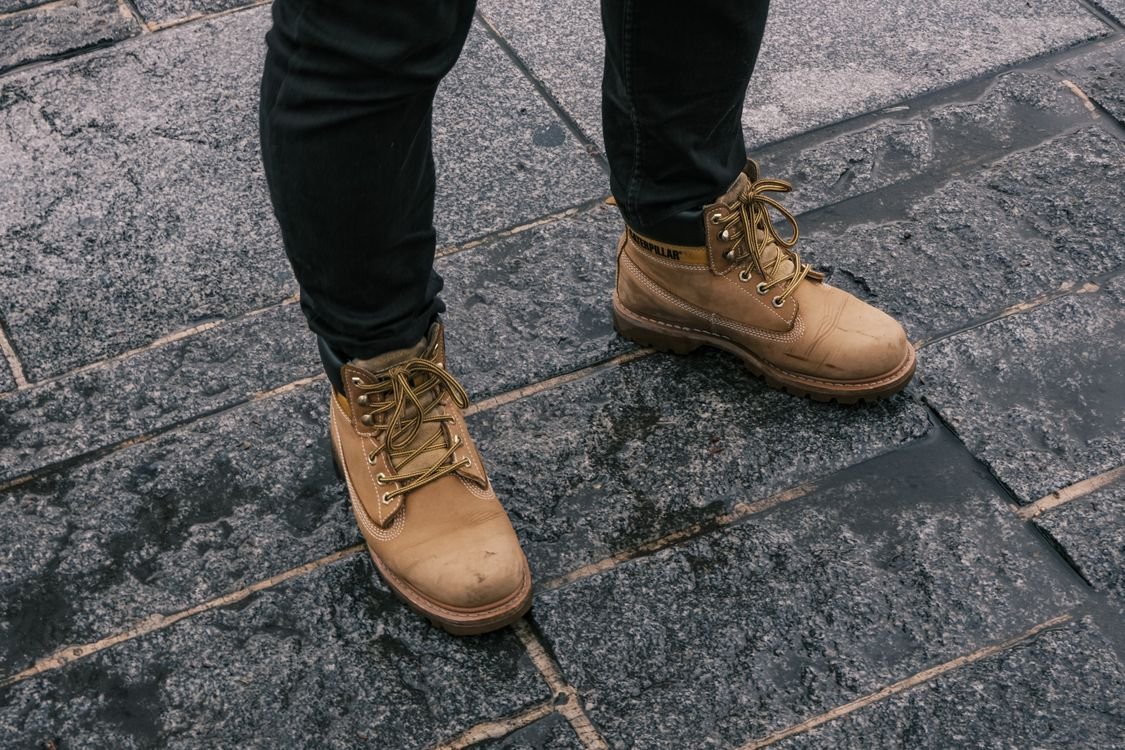
Marcus is a roofer in Phoenix. By 10 in the morning his socks are soaked through. By Wednesday his heels are raw, and by Friday his boots smell so bad he leaves them in the garage. He tried thicker socks. He tried going without socks. He tried stuffing newspaper in his boots at night. Nothing worked, because he was treating the smell instead of the sweat. The week he changed three small habits, his feet stayed dry through a full shift for the first time in years.
If your work boots feel like a swamp by lunch, this guide is for you. Learning how to stop feet sweating in work boots is not about buying the most expensive boots on the shelf. It is about understanding why boots trap sweat, then fixing the socks, the routine and the drying habits around them. The nine fixes below are cheap, simple and proven on real job sites, and most of them cost nothing at all.
Why Work Boots Make Your Feet Sweat So Much
Your feet hold about 250,000 sweat glands, more per square inch than anywhere else on your body. On a normal day in open shoes, that sweat evaporates. Inside a work boot, it has nowhere to go.
Waterproof membranes keep rain out, but they also slow sweat vapor trying to escape. Steel toe caps and thick leather uppers hold heat against your foot. A 10 to 12 hour shift gives sweat hours to build up, and once your socks are wet, they stay wet. Wet skin softens, blisters form faster, and bacteria thrive in the warm damp space between your toes. That is why sweaty boots so often turn into smelly boots, and why smelly boots so often turn into sore feet.
The good news is that you do not need to accept soaked feet as part of the job. Every fix below attacks one part of the problem: less sweat made, faster drying, or less moisture trapped. Stack three or four of them and most workers notice a real difference within a week.
How to Stop Feet Sweating in Work Boots
Start with the cheap fixes first. You do not need new boots to fix this problem. You need a better routine, and the routine below is the one that actually works on shift.
1. Switch Your Socks First
This single change delivers the biggest result for the lowest cost. Cotton socks feel soft in the morning, but cotton absorbs sweat and holds it flat against your skin. By midday you are walking in a wet sponge.
Merino wool blends and synthetic moisture wicking socks do the opposite. They pull sweat away from the skin and move it toward the boot lining, where it has a chance to escape. Merino wool also resists odor naturally, which helps on long hot days. Look for socks labeled for work or hiking, with a blend of merino wool, nylon and a touch of elastane for fit. Avoid 100 percent cotton for any shift longer than a few hours.
Buy at least five pairs so you always have a clean dry pair ready. Wash them inside out, skip the fabric softener, and let them air dry when you can, because softener coats the fibers and slows wicking.
2. Put Antiperspirant on Your Feet at Night
Most workers have never tried this, and it is one of the most effective fixes on the list. A standard antiperspirant, not a deodorant, temporarily blocks sweat ducts and reduces how much sweat your feet make. Deodorant only masks odor. Antiperspirant cuts the sweat itself.
The detail most people get wrong is timing. Apply it at night, not in the morning. The active ingredient needs 6 to 8 hours of dry skin contact to work properly. Morning application washes off with your first sweat and does almost nothing.
After your evening shower, dry your feet completely, especially between the toes. Smooth antiperspirant over the soles and between the toes, then put on clean socks and go to bed. Wash it off in the morning shower. The effect stays. Clinical strength formulas, sold at any drugstore, work best for heavy sweaters. If your skin gets irritated, use it every other night instead of daily.
3. Rotate Two Pairs of Boots
A work boot needs at least 24 hours to dry out properly inside. Forty eight hours is better. If you wear the same pair every day, you start every shift in a damp boot, and damp boots make feet sweat faster.
Two pairs solve this. Wear pair one on Monday, pair two on Tuesday, and keep alternating. Each pair gets a full day of rest. Even a budget second pair makes a real difference, and it also doubles the life of both pairs, because leather that dries fully between wears cracks and breaks down far more slowly.
If a second pair is out of reach right now, the next fix matters even more.
4. Pull the Insoles Out Every Night
Insoles hold more moisture than any other part of the boot. Pull them out at the end of every shift and let them dry separately. This one habit can cut drying time in half.
Loosen the laces, open the tongue wide, and stand the boots in a spot with moving air, near a vent or an open window, never right against a heater or radiator. Direct high heat cooks leather and makes it stiff and cracked. Gentle moving air is what you want.
Swap stock insoles for moisture wicking replacements if yours are flat and soaked through by noon. Charcoal topped insoles absorb both moisture and odor, and they cost less than a lunch.
5. Use Foot Powder the Right Way
Foot powder absorbs moisture and cuts friction, but only when it goes on dry skin. Shaking powder into already wet boots turns it into paste, which makes things worse.
Apply powder to clean dry feet in the morning before socks go on, and dust a little inside the boot as well. Cornstarch based powders work fine for most people. Antifungal powders are a better pick if you have had athlete’s foot before, because they fight the fungus that loves warm damp boots.
Keep a small bottle in your locker or truck for a midday refresh, but only use it if your feet are dry enough to take it. If your socks are soaked, change the socks first, then powder.
6. Wash and Dry Your Feet Properly
This sounds obvious, but most people rush it. Wash your feet every day with mild soap and warm water, and spend a full minute on each foot. Clean between the toes and around the nails, where bacteria collect.
Drying matters more than washing. Damp skin between the toes is the perfect home for fungus and odor. Dry every part of the foot with a clean dry towel, and give the spaces between the toes an extra pass. A soft dry towel works far better than a stiff damp one, so it is worth learning how to keep towels soft after washing and keeping a fresh one by the shower.
Never put socks on damp feet. If you are short on time in the morning, dry your feet with a quick blast from a hair dryer on the cool setting. It takes 30 seconds and it works.
7. Air Your Feet Out on Breaks
Even five minutes of boot off time helps. On your lunch break, find a spot to sit, pull your boots off, peel your socks down, and let your feet breathe. Five minutes drops the temperature inside the boot and lets trapped vapor escape.
If your socks are soaked, swap them for the spare pair you packed. Keep a spare pair in your lunchbox or truck every day. A midday sock change is the fastest rescue available when your feet are already wet, and it costs nothing.
Workers who do this every day report fewer blisters within a week. Skin that gets a break recovers faster than skin that stays wet for 10 hours straight.
8. Dry Your Boots With Heat and Air
On heavy sweat days, passive air drying is not enough. An electric boot dryer pushes warm air through the boot overnight and dries the lining all the way through. It is one of the best buys a heavy sweater can make, and it also cuts odor dramatically, because odor bacteria need moisture to live.
No dryer yet? Stuff the boots with crumpled newspaper and change it after a few hours. Newspaper pulls moisture out of the lining surprisingly well. Cedar shoe trees also help: cedar absorbs residual moisture and holds the boot shape while it dries.
Whatever you do, never dry boots on a radiator or with a direct blast of hot air. High heat damages leather and glue, and it shortens the life of the boot. Low warm air and time always win.
9. Try a Foot Soak Twice a Week
A simple foot soak can calm sweaty feet and kill odor bacteria at the same time. Black tea is the classic choice: its tannic acid tightens skin and temporarily narrows sweat ducts. Brew two black tea bags in a quart of hot water, let it cool to a comfortable warmth, and soak your feet for 20 minutes.
A vinegar soak works too. Mix one part white vinegar with two parts warm water and soak for 15 minutes. Vinegar makes the skin less friendly to bacteria. Epsom salt soaks soften rough skin and make it easier to clean thoroughly, though they will not stop sweating on their own.
Skip any soak if you have open cuts, sores or cracked skin, and stop if the soak irritates your skin. Dry your feet completely afterward, every time.
What to Do When Your Boots Are Already Soaked at Work
Some days the routine slips, or the heat wins. When you are mid shift with soaked socks and hours left to go, rescue the situation in this order.
First, change your socks. A dry pair against your skin matters more than anything else. Second, pull the insoles out for five minutes if you can, and let both the insoles and the boots get some air. Third, dust your dry feet with powder before the fresh socks go on. Fourth, loosen your laces a notch to let more air move through the boot.
When you get home, do not just kick the boots off and forget them. Pull the insoles, open them wide, stuff them with newspaper, and set them near moving air. Damp boots left closed overnight will smell worse by morning, and the same damp smell problem shows up around the house too, so it pays to learn how to stop towels smelling musty after washing and keep everything that touches your skin dry and fresh.
A Simple 7 Day Routine That Keeps Feet Dry
Routines beat willpower. Here is the whole system on one page, and it takes less than 10 minutes a day.
Every morning, wash and dry your feet fully, apply powder to dry skin, and put on clean moisture wicking socks. Every night, apply antiperspirant to dry feet before bed, pull the insoles out of your boots, and set the boots near moving air. Every other day, swap to your second pair of boots so each pair rests a full day. Twice a week, soak your feet in black tea or vinegar water for 15 to 20 minutes. Every weekend, wash your insoles, wipe the inside of your boots with a damp cloth, and check your sock supply for the week ahead.
Follow that for seven days and judge the result by how your feet feel at 3 in the afternoon, not by how they feel at 8 in the morning. Most workers feel the change by day three or four.
When Sweaty Feet Need a Doctor
Normal work boot sweat improves with the fixes above. Some sweating does not, and it is worth knowing the difference.
See a doctor or podiatrist if your feet sweat heavily even when you are sitting still in cool air, if sweating started suddenly in adulthood, if it affects only one foot, or if you have recurring athlete’s foot, cracked skin, blisters that will not heal, or a strong odor that no routine touches. These can point to plantar hyperhidrosis, a condition where sweat glands overproduce, or to a fungal infection that needs treatment.
Doctors can offer stronger antiperspirants, prescription creams, and treatments such as iontophoresis, which uses a mild electric current through water to calm sweat glands. This article shares general comfort and footwear information, not medical advice, so treat the red flags above as a reason to book an appointment, not a reason to worry.
Conclusion
Learning how to stop feet sweating in work boots comes down to three ideas. First, fix your socks, because cotton holds sweat against your skin all day. Second, give your boots time to dry, by rotating pairs and pulling the insoles out every night. Third, cut the sweat at the source with antiperspirant at night and powder in the morning.
Marcus, the roofer from Phoenix, did not buy new boots. He bought five pairs of merino wool socks, a second pair of boots on sale, and a bottle of clinical strength antiperspirant. Three weeks later his socks were dry at lunch, his blisters had healed, and his boots stayed in the hallway instead of the garage. Start with the sock change tonight, add the nighttime antiperspirant, and give the routine a full week. Your feet will tell you whether it worked. And if your boots have picked up a squeak along with the sweat, here is how to stop shoes from squeaking on tile floors before it drives you up the wall.
Frequently Asked Questions
Why do my feet sweat so much in work boots?
Your feet hold about 250,000 sweat glands, and work boots trap the sweat they make. Waterproof membranes slow vapor escape, steel toe caps hold heat, and long shifts give sweat hours to build up. Wet socks then keep the moisture pressed against your skin.
What socks are best for sweaty feet at work?
Merino wool blends and synthetic moisture wicking socks work best. They pull sweat away from the skin instead of holding it. Avoid 100 percent cotton socks for long shifts, because cotton absorbs sweat and stays wet for hours.
Can you put antiperspirant on your feet?
Yes. Apply a standard or clinical strength antiperspirant to clean dry feet at night, not in the morning. It needs 6 to 8 hours of dry skin contact to work. Wash it off in the morning shower. Use it every other night if your skin gets irritated.
How do I stop my work boots from smelling?
Stop the moisture first and the smell follows. Rotate two pairs of boots, pull the insoles out every night, change socks midday, and use powder on dry feet. A boot dryer or newspaper stuffing overnight also cuts odor fast.
How long do work boots take to dry?
A soaked work boot needs at least 24 hours to dry fully inside, and 48 hours is better. Pulling the insoles out and placing the boots near moving air cuts that time in half. Never use direct high heat, which damages leather.
